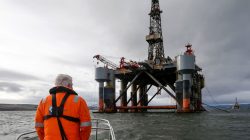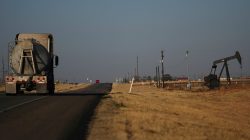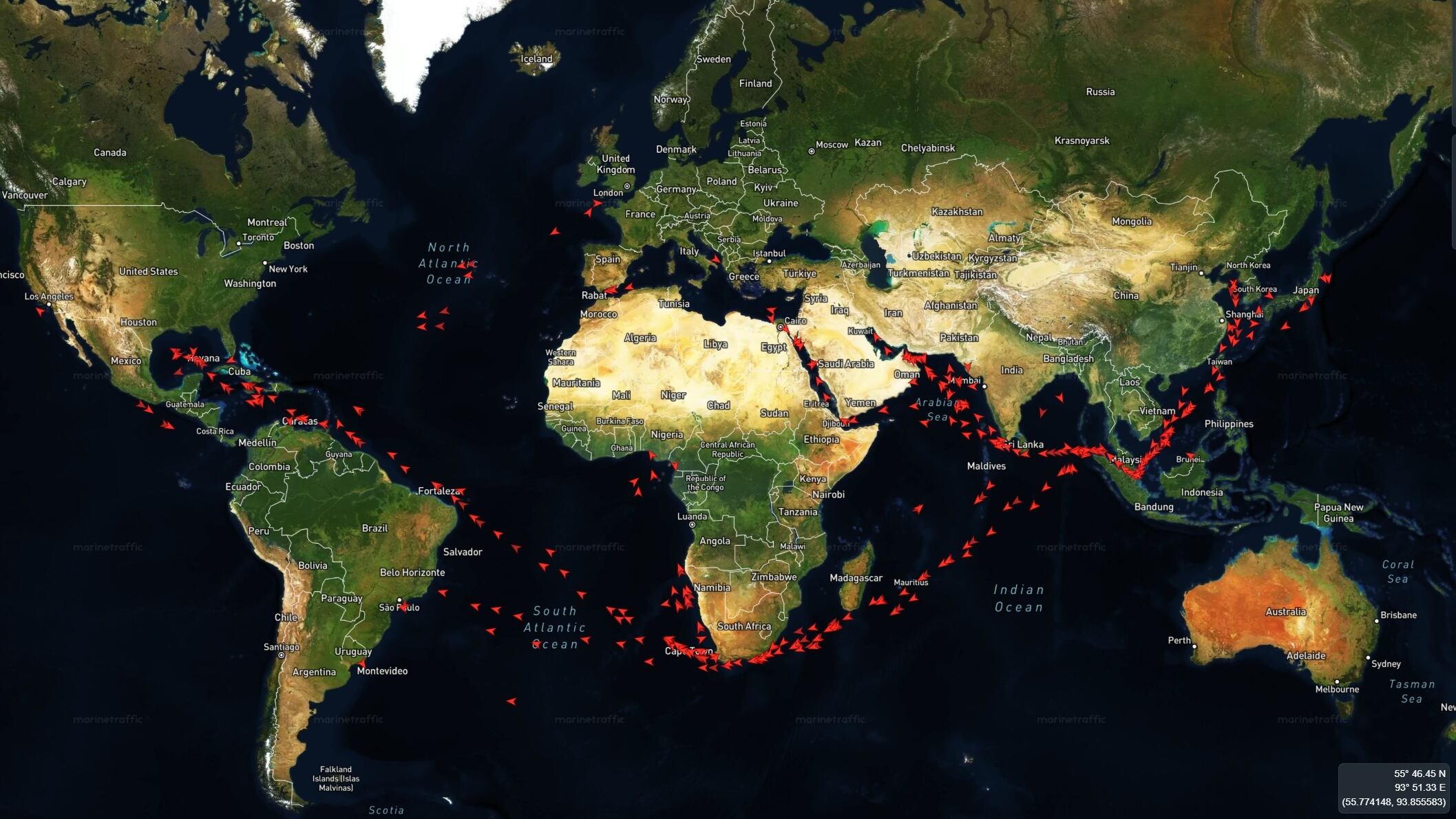
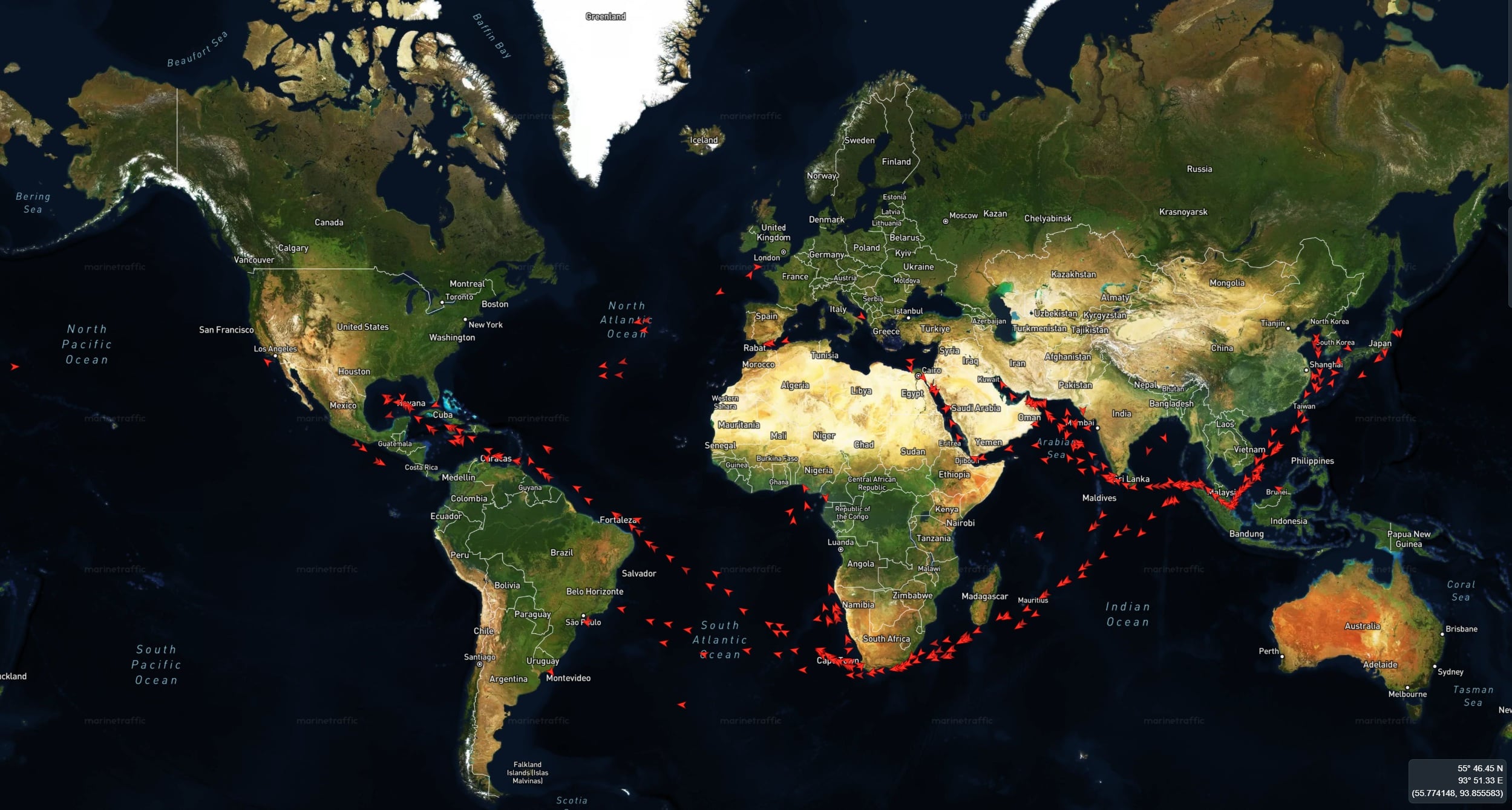
U.S. energy exports have reached an all-time high as the ongoing conflict in Iran disrupts shipping through the Strait of Hormuz. According to a report by the Wall Street Journal, citing data from the U.S. Energy Information Administration (EIA), the country’s crude oil and petroleum product exports averaged around 12.9 million barrels per day over the past week. This is the highest level ever recorded. In previous years, U.S. crude exports had typically ranged between 3.5 and 4.5 million barrels per day, but this figure has nearly tripled.
Liquefied natural gas (LNG) exports also saw a significant increase, hitting a new record last month. The rise in U.S. energy exports is largely due to increased demand from Asia and Europe, which had previously depended heavily on Middle Eastern oil. Now, these regions are turning to U.S. suppliers for their energy needs.
Japan, which sources about 95% of its petroleum imports from the Middle East, is now strengthening its relationships with U.S. energy providers. In March, U.S. companies signed energy contracts worth $56 billion with Asian investors during a Tokyo forum hosted by U.S. Interior Secretary Doug Burgum. As a result, U.S. crude and LNG exports to Asia rose by approximately 30% in March and April compared to the same period last year.
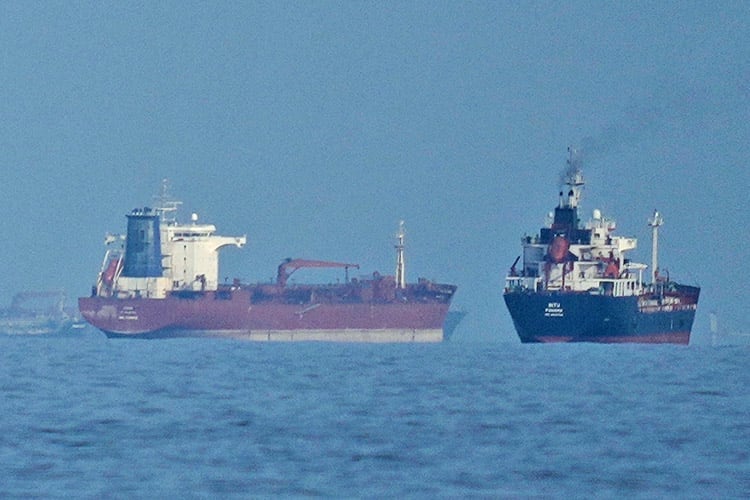
However, some analysts believe that this surge in exports is temporary, driven primarily by the current geopolitical situation involving Iran. They argue that it may not be sustainable as a long-term growth strategy for U.S. energy exports.
One reason for this skepticism is that Asian refineries are designed to process Middle Eastern crude, which has a higher density. U.S. crude, on the other hand, is lighter, which limits its processing capacity. While it can still be used, it often results in reduced efficiency and lower profitability.
Parul Baxi, a researcher at the Oxford Energy Institute, told the Wall Street Journal that modifying Asian refineries to handle U.S. crude would require costly upgrades. She noted, “Design alone would take months, and full implementation would take years.”
The Wall Street Journal reported that once the Strait of Hormuz reopens, Asian countries are expected to return to Middle Eastern crude due to the high time and cost associated with transporting energy from the U.S.
Tsuneo Watanabe, a senior researcher at the Tokyo-based Sasakawa Peace Foundation, said, “Once the strait reopens and Middle Eastern prices stabilize, U.S. oil and gas will no longer be as attractive.”
월 5900원 멤버십, 신문 독자에게는 2900원, 조선멤버십
55000원 상당의 신문-잡지 8종 마음껏 보기, 조선멤버십
현금처럼 쓸 7000포인트 받아 알뜰한 쇼핑, 조선멤버십