Rising Oil Prices and Global Economic Pressures
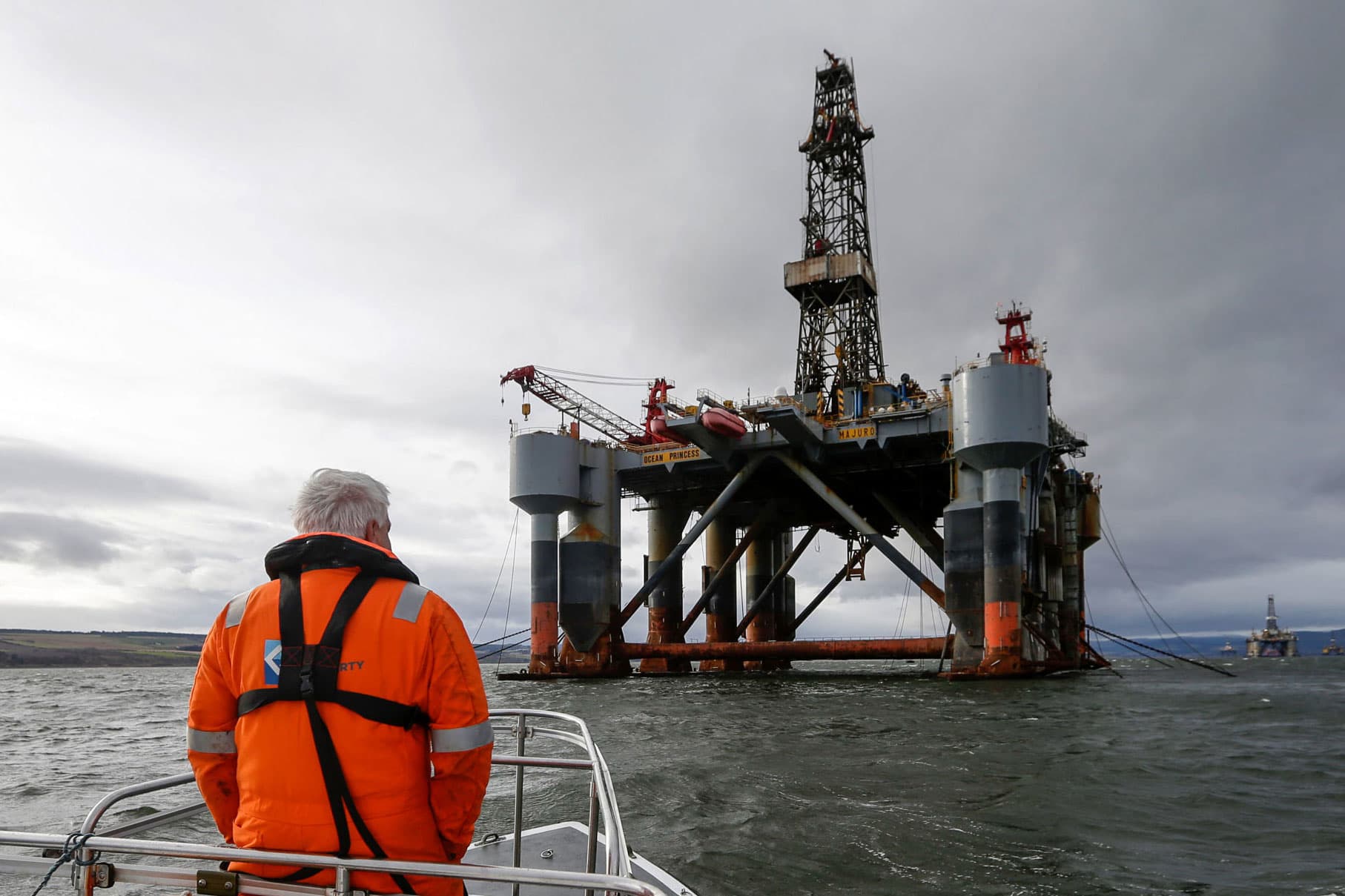
Nigerians are preparing for increased economic challenges as global crude oil prices have surged to $102 per barrel, marking a 3.51% increase in the last 24 hours. This upward trend has been fueled by a combination of supply constraints and heightened geopolitical tensions in key oil-producing regions. The situation has significantly dampened hopes for relief among households and businesses that are already struggling with ongoing economic difficulties.
The recent rise in oil prices can be attributed to the ongoing hostilities between the United States and Iran, which have disrupted the global oil market over the past two months. Crude oil prices have remained above $100 per barrel throughout this period. Although there was some stability and a temporary drop in prices following a ceasefire between the U.S. and Iran, this respite was short-lived. President Donald Trump extended the ceasefire “until negotiations with Iran conclude one way or the other.” Additionally, he ordered the continuation of the U.S. blockade at the Strait of Hormuz.
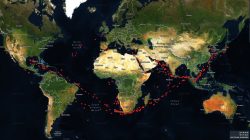
The Strait of Hormuz remains under heavy blockade, which means there is no immediate end to the disruptions affecting the global oil market. This waterway controls approximately one-fifth of the world’s oil supply, making it a critical chokepoint. Despite initial hopes that U.S.-Iran negotiations might resume as early as Wednesday, these expectations were dashed when reports surfaced that the trip of U.S. Vice President JD Vance to Pakistan—where the previous round of failed talks took place—has been postponed.
As of early Wednesday, there were no signs that the talks would resume soon. The U.S. continues to maintain its naval blockade outside the Strait of Hormuz, a move that Iran has described as a “siege” and a violation of the ceasefire.
Impact on the Airline Industry
Meanwhile, the airline industry is facing significant challenges due to jet fuel shortages and soaring prices. Lufthansa Group has announced plans to remove 20,000 short-haul flights from its European summer schedule. These cancellations, scheduled through October, are expected to save the group approximately 40,000 metric tons of jet fuel. The price of jet fuel has more than doubled since the outbreak of the Iran conflict, according to Lufthansa.
“For the flights scheduled in the summer timetable, the Group expects a largely stable fuel supply,” the airline stated, adding that “Lufthansa is pursuing a range of measures to this end, including the physical procurement of jet fuel as well as price hedging.”
In addition, Lufthansa recently announced that it is accelerating plans to reduce its flight program and retire some aircraft earlier. This decision comes in response to sharply increased kerosene prices, which have more than doubled compared to the period before the Iran war, as well as rising additional burdens from labor disputes.
“The package for accelerated implementation of fleet and capacity measures is unavoidable in light of the sharply increased kerosene costs and geopolitical instability,” said Till Streichert, Chief Financial Officer of Lufthansa Group.
Supply Challenges in Europe
The war in Iran has significantly impacted Europe’s jet fuel imports, while local production has been declining for nearly two decades due to the closure or conversion of dozens of refineries to biofuel production. In response to this crisis, Nigeria’s Dangote Refinery has stepped in to provide some relief to European countries. Over 1 billion liters of jet fuel have been supplied in the last 50 days, offering a much-needed boost to the region’s energy security.