Thailand’s tourism sector is facing a critical juncture as local operators call for more transparent and effective policies to alleviate the growing debt challenges and support small and medium-sized enterprises (SMEs). These businesses, which form the backbone of the Thai economy, are struggling under the weight of rising costs driven by the global energy crisis. The situation has created a pressing need for government intervention to ensure the sustainability and competitiveness of the sector.
Adith Chairattananon, honorary secretary-general of the Association of Thai Travel Agents, highlighted that existing support measures, including subsidies from the Khon La Khrueng Plus co-payment scheme, are not enough to sustain growth in the current economic climate. He pointed out that ongoing tensions in the Middle East have exacerbated the situation, leading to increased instability in global markets.
The energy crisis has had a direct impact on consumers, who are now able to purchase fewer goods or smaller baskets with the same amount of money compared to last year. This decline in purchasing power is attributed to higher logistics, energy, and product costs, all of which have placed significant pressure on SMEs. These businesses, which make up the majority of companies in Thailand, are particularly vulnerable. Many have become non-performing borrowers and are unable to expand due to weak demand.
Adith emphasized the importance of government action to maintain reasonable prices for essential commodities such as fuel and electricity. He also called for prioritizing debt resolution strategies to help businesses remain competitive in an increasingly challenging environment.
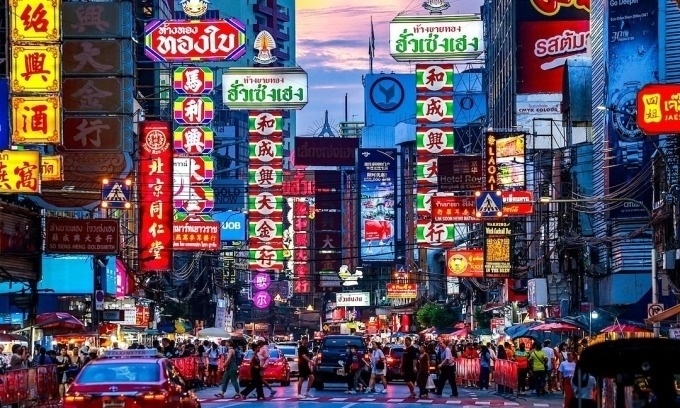
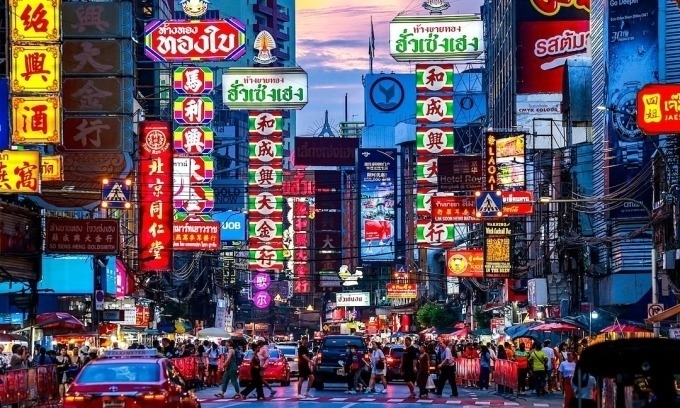
Tourists are seen in Bangkok’s Chinatown, Thailand, May 16, 2025. Photo by Reuters
Chai Arunanondchai, president of the Tourism Council of Thailand, acknowledged that the current crisis is largely influenced by external factors beyond domestic control. He noted that businesses are willing to adapt their operations to manage the higher energy costs that are affecting both consumers and travelers.
He urged the government to reduce the burden on enterprises by ensuring a steady supply of goods at stable and reasonable prices. In addition, he suggested that authorities should focus on attracting new foreign investment and improving the capabilities of tourism operators, especially in emerging areas like green tourism and wellness services. Addressing capital shortages and debt challenges remains a top priority.
Regarding tourism policy, Adith praised the focus on high-value tourism as a positive direction. However, he stressed the need for effective mechanisms to ensure fair income distribution, positive social and environmental impacts, and equitable employment opportunities. This approach would not only benefit the industry but also contribute to broader societal well-being.
Adith also recommended that Thailand further diversify its tourism offerings by targeting short-haul markets that are less affected by Middle East tensions. This could be achieved through charter flight programs and promotional campaigns. At the same time, the country must address long-standing issues such as airport congestion and poor connectivity between major and secondary cities, which continue to hinder the efficiency of the tourism sector.