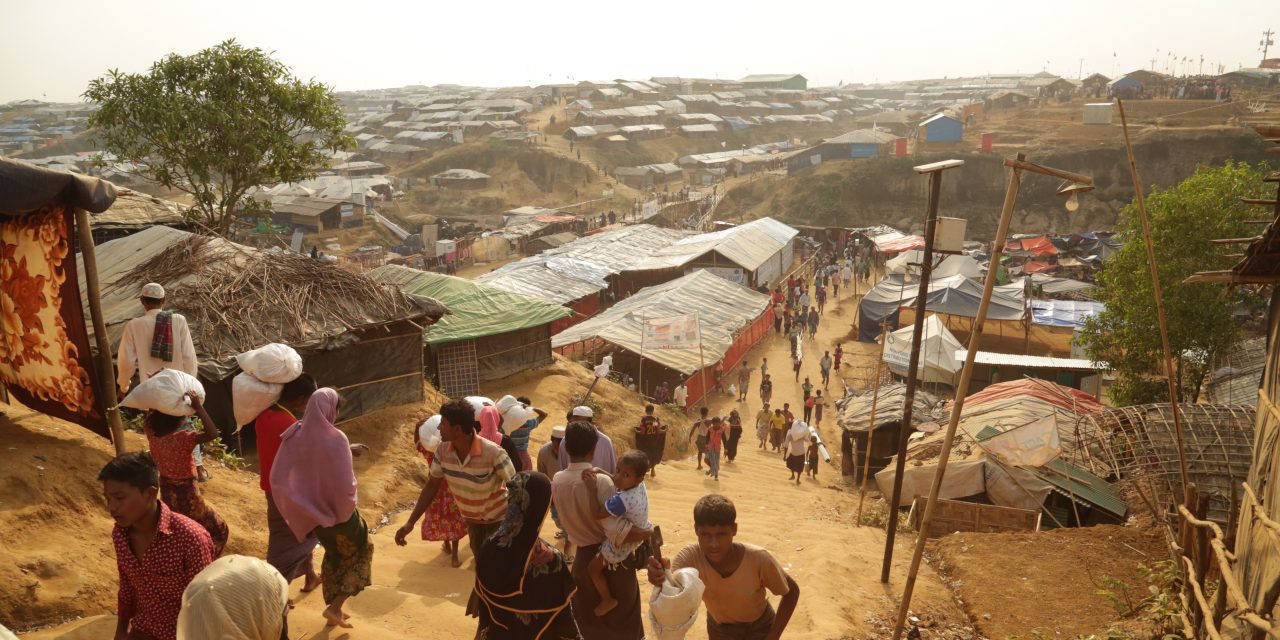
Addressing Human Trafficking in Rohingya Camps: A Call for Better Coordination
Despite the collaborative efforts of various agencies, preventing human trafficking in the Rohingya camps remains a complex and pressing issue. This was highlighted during a recent workshop organized by BRAC, where experts discussed the ongoing challenges and potential solutions.
The workshop, titled “Consultation, Learning and Reflection Workshop on Human Trafficking and Major Protection Issues,” aimed to foster better coordination among different stakeholders involved in addressing trafficking. The event took place at a hotel in Cox’s Bazar and brought together a diverse group of participants, including representatives from the judiciary, law enforcement agencies, and camp authorities.
Key Challenges Identified
Participants at the workshop emphasized several critical obstacles that hinder effective action against human trafficking. One major issue is the difficulty in accessing justice for survivors. Many victims face significant barriers, including weak evidence management and the high vulnerability of displaced communities. Additionally, law enforcement agencies are often overwhelmed due to heavy workloads and frequent personnel transfers, which can impede timely responses.
Another challenge is the difficulty in registering cases of trafficking, as well as the informal settlement of serious crimes. These issues highlight the need for improved systems and procedures to ensure that cases are properly documented and addressed.
Insights from Experts
Rezaul Karim, Associate Director and Office In Charge (OIC) of BRAC’s Humanitarian Crisis Management Programme (HCMP), delivered the welcome remarks at the event. He underscored the importance of collaboration and shared responsibility in tackling human trafficking.
According to the 2025 report by the Anti-Trafficking Working Group (ATWG), 33% of trafficking victims are women and girls, while 25% are under 18. The number of victims increased by 28.8% in 2025 compared to the previous year, indicating a growing crisis that requires urgent attention.
BRAC’s HCMP Protection Sector has been actively working to support trafficking survivors. Between 2017 and March 2026, the program provided legal assistance to 784 survivors in both host and Rohingya camps. Additionally, under the Humanitarian Development Coexistence (HDC) project, 400 Rohingya teachers, volunteers, and community leaders have received training through 18 skill development sessions aimed at preventing trafficking.
Legal and Operational Perspectives
Md. Tanvir Islam of BRAC’s HCMP Protection Sector presented a detailed analysis of the trafficking context and the legal framework surrounding it. His insights were complemented by Fakhrul Hasan, Assistant Superintendent of Police (ASP, Forcibly Displaced Myanmar Nationals) of the Armed Police Battalion (APBn), who discussed the operational challenges faced by law enforcement in these areas.
Other notable participants included Tapti Chakma, Camp-in-Charge (Camp 17), Saleem Badsha from IOM, and representatives from UNHCR. Mohammed Saifur Rahman Siddique, Senior District Judge of the Women and Children Repression Prevention Tribunal-3, also contributed by discussing the legal frameworks and judicial processes related to trafficking.
Facilitating Dialogue and Collaboration
The sessions were moderated by Mohaiminul Islam, Manager of Knowledge Management in the Protection Sector of HCMP, BRAC, and Naziyat Islam, Manager of Legal Protection at HCMP, BRAC. Their guidance helped facilitate meaningful discussions and ensured that all voices were heard.
Over 60 participants attended the workshop, including representatives from international organizations and NGOs. This gathering underscored the importance of continued dialogue and collaboration in addressing the multifaceted issue of human trafficking in the Rohingya camps.
Moving Forward
The workshop concluded with a commitment to generate actionable recommendations that can be implemented by all stakeholders. By strengthening coordination and improving systems, there is hope that the challenges of human trafficking can be effectively addressed, offering greater protection and support to vulnerable communities.