
Grocery shopping is becoming increasingly expensive for Australians, and recent data indicates that the situation is likely to worsen. With many families now facing weekly grocery bills approaching $300, the financial strain is growing. New figures from the Australian Bureau of Statistics (ABS) show that national inflation has risen to 4.6 per cent.
According to the Savings.com.au Grocery Price Index, a standard basket of Coles and Woolies home-brand items averaged $297.95 in the last month. This represents a significant increase of $24 since early 2024, establishing a new and challenging baseline for everyday spending.
The Inflation Trap
Although grocery-specific inflation appeared to be easing in March, the 4.6 per cent national increase suggests that any temporary relief for shoppers was short-lived. The challenge for household budgets is that inflation measures the speed of price increases rather than the actual cost at the checkout.
Even if grocery prices have risen more slowly in recent months, these increases are being added to a basket that was already at record highs. With national inflation surging again, these new price hikes are calculated on top of a $300 shop, rather than the $250 families were paying two years ago.
The First Domino to Fall
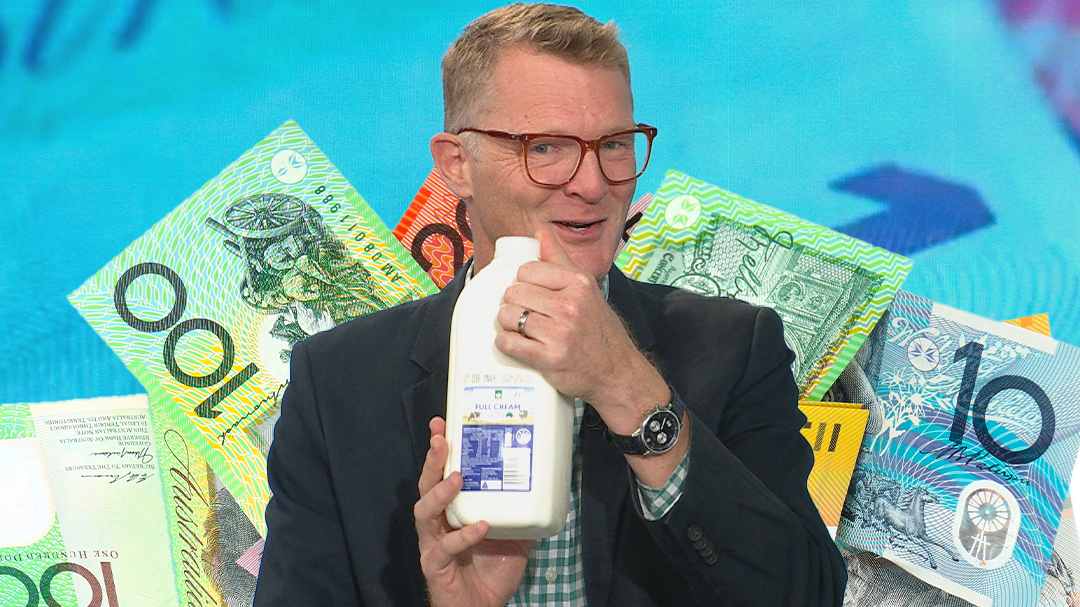
If you want to understand where the rest of the store is headed, look to the dairy aisle. Money expert Joel Gibson explains that milk costs are often the first indicator of supply chain pressures.
“We were told that dairy would be the first product category to start rising due to the Iran war,” he said on Today. “And it has. So now we have to keep a close eye on other items in the supermarket as well.”
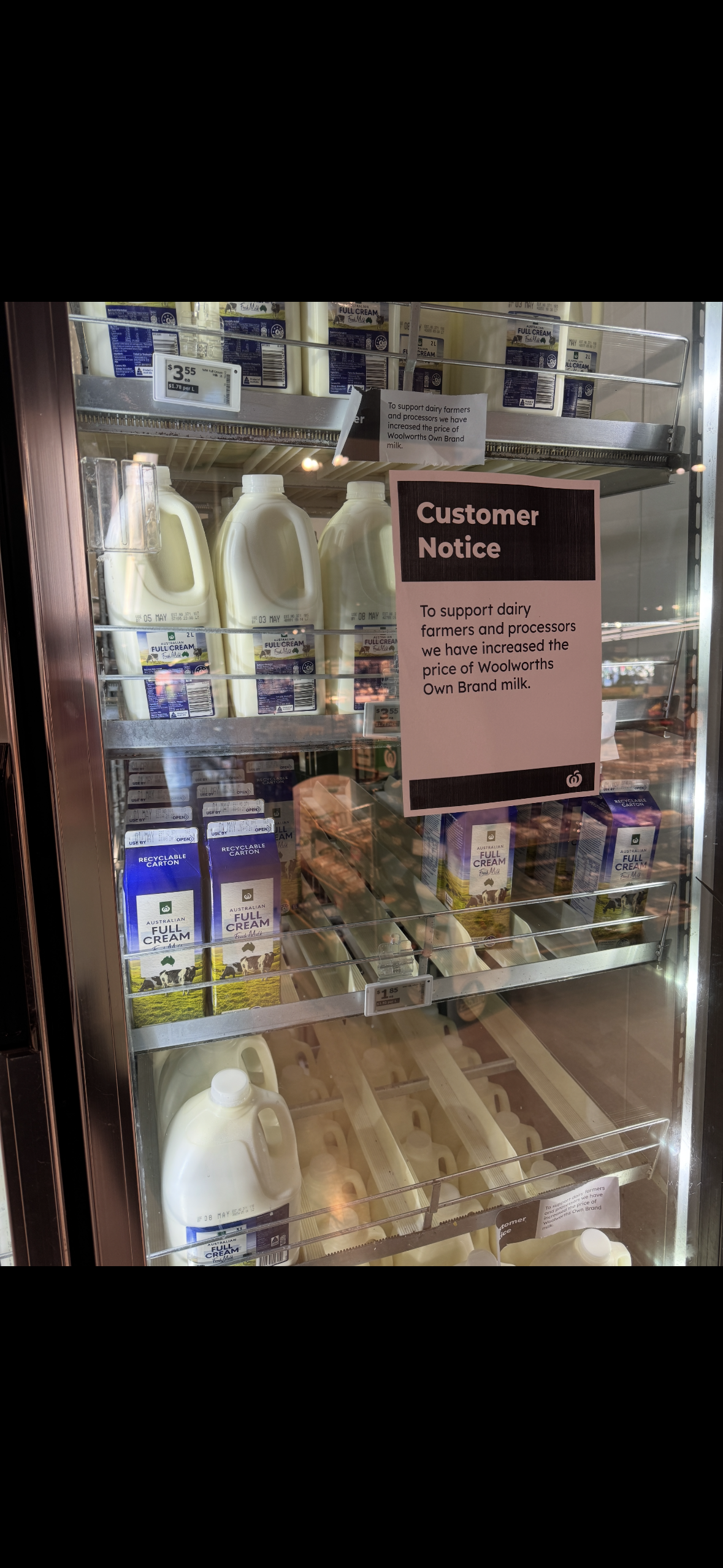
Supermarkets such as Coles, Woolworths, and Aldi have already increased home-brand milk prices by 20 to 50 cents this month. This follows calls from farmers dealing with rising fuel-linked production costs. Gibson notes that these “fuel surcharges” are finally being passed on to consumers.
Why Your Weekly Total Always Changes
Even with a strict shopping list, many shoppers find it difficult to predict their final total. Sharp price changes in specific staples, often driven by seasonal shocks or supply chain issues, can cause a bill to fluctuate by $10 or $20 in a single week.
Produce
A Pink Lady 1kg punnet saw a national average increase of 61.5 per cent over the past year. Coles experienced an 81.6 per cent jump to $8.90, while Woolworths saw a comparatively lower 43.6 per cent rise to $7.90.
A similar trend was observed for a 1kg bag of brown onions, which had an average annual increase of 63.6 per cent in February. Coles’ prices rose by 44 per cent, while Woolworths faced an 89.5 per cent increase for the same item.
Pantry Staples
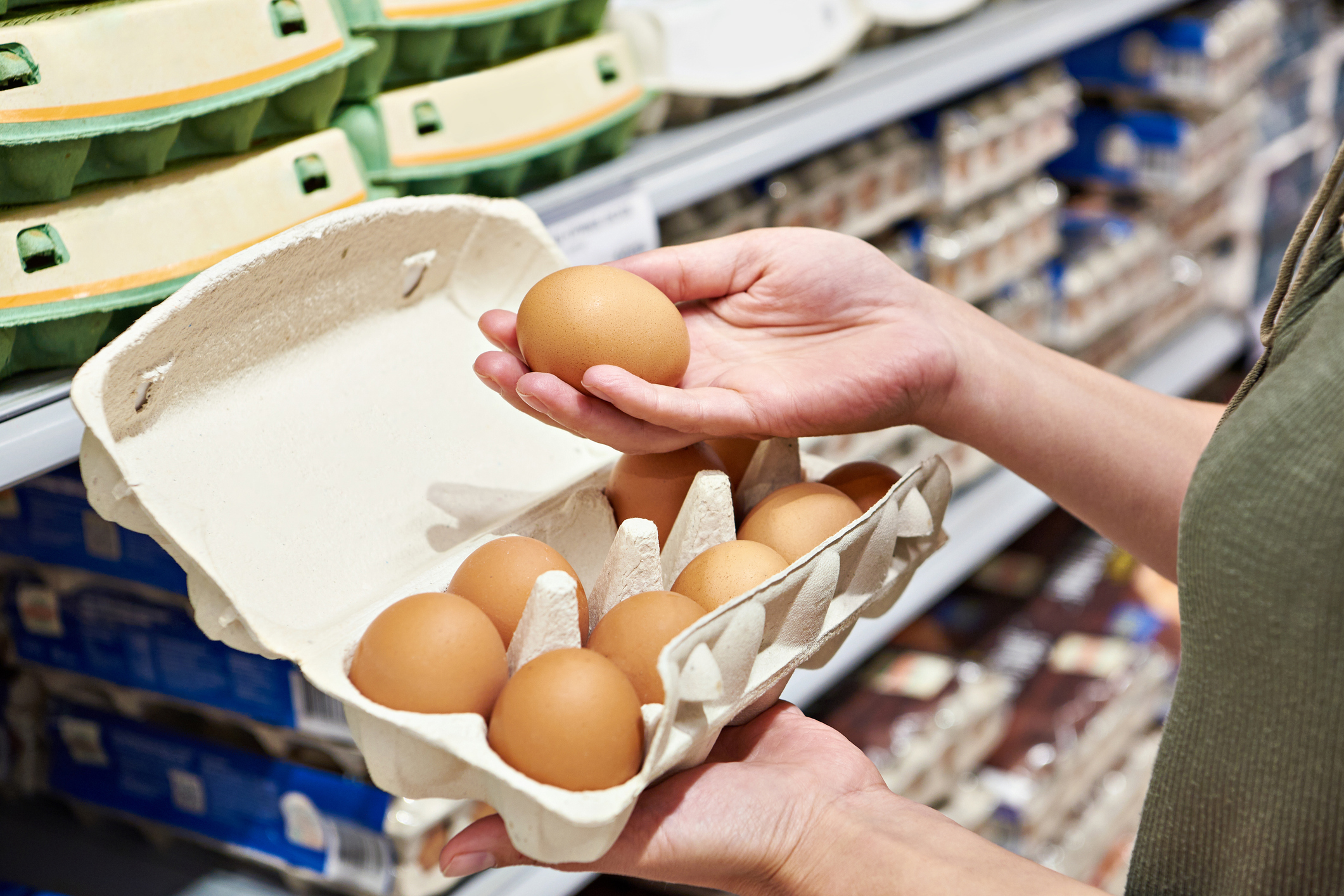
Eggs have increased by 20 per cent over two years due to local supply shocks and bird flu fears. Meanwhile, coffee prices have risen by nearly 50 per cent due to global weather events affecting supply.
When Home Brands Aren’t Cheap Anymore
In the past, families turned to home-brand products to save money. However, the latest index shows that even these budget options are no longer offering much relief. The cost of generic products has climbed steeply, making a basket of strictly budget items in March 2026 ($297.95) more expensive than the original baseline in January 2024 ($273.82).
Even if you buy the cheapest version of every item on your list today, you will still pay $24 more than you would have for a standard shop just two years ago. The situation is even more challenging for those relying on convenience, as Gibson found that a 2L bottle of milk selling for $3.55 at a regular Woolworths store could cost $4.00 at a Woolworths Metro location.
What to Expect
Although the rapid price increases of 2024 have slowed, this week’s inflation data confirms that prices will not return to “normal” anytime soon. Gibson also warned that prices are unlikely to drop once the market stabilizes.
“It never goes down, it just stays the same or goes up more steeply. That’s our experience in the past,” he said. “In the short term, we are going to unfortunately see big grocery price increases.”