A Rare and Life-Threatening Injury
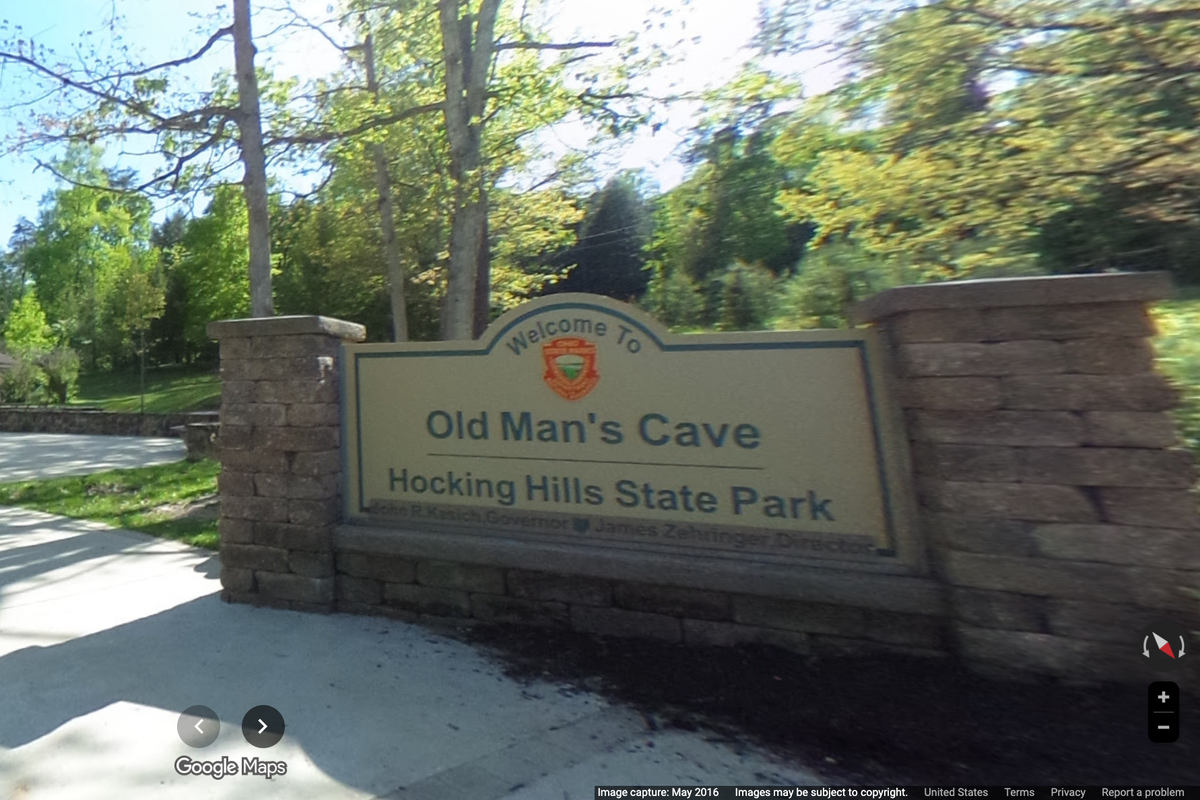
A maintenance worker at an Ohio state park who suffered a rare internal decapitation and miraculously survived has shared the heartbreaking thoughts that crossed his mind during the incident. Philip Pohle, 32, was removing dead trees from a road at Hocking Hills State Park in Logan, Ohio, last month when his foot became stuck on the gas pedal of a front loader he was driving. The vehicle accelerated, and a branch struck his neck, forcing his skull away from his spine.
Pohle told WBNS that while he was trapped in the front loader, all he could think about was his two children and how much he would miss them if he died. “I started thinking of my children because it was really nice being a dad. I just thought how much I was going to miss them, miss my babies,” he said.
Survival Against the Odds
Pohle survived and is even walking again after suffering an atlanto-occipital dislocation. Commonly referred to as an internal decapitation, it occurs when the ligaments in an individual’s neck are severed or severely injured, leaving their skull disconnected from their spine, according to the National Institute of Health.
State natural resource officers rushed to his aid and managed to stabilize Pohle’s neck using a brace while a work crew cut the loose tree away from the branch in his neck using a chainsaw. Because of his remote location, emergency workers estimated it would take approximately 20 minutes to reach him. A medical helicopter was called but had to be grounded due to bad weather.
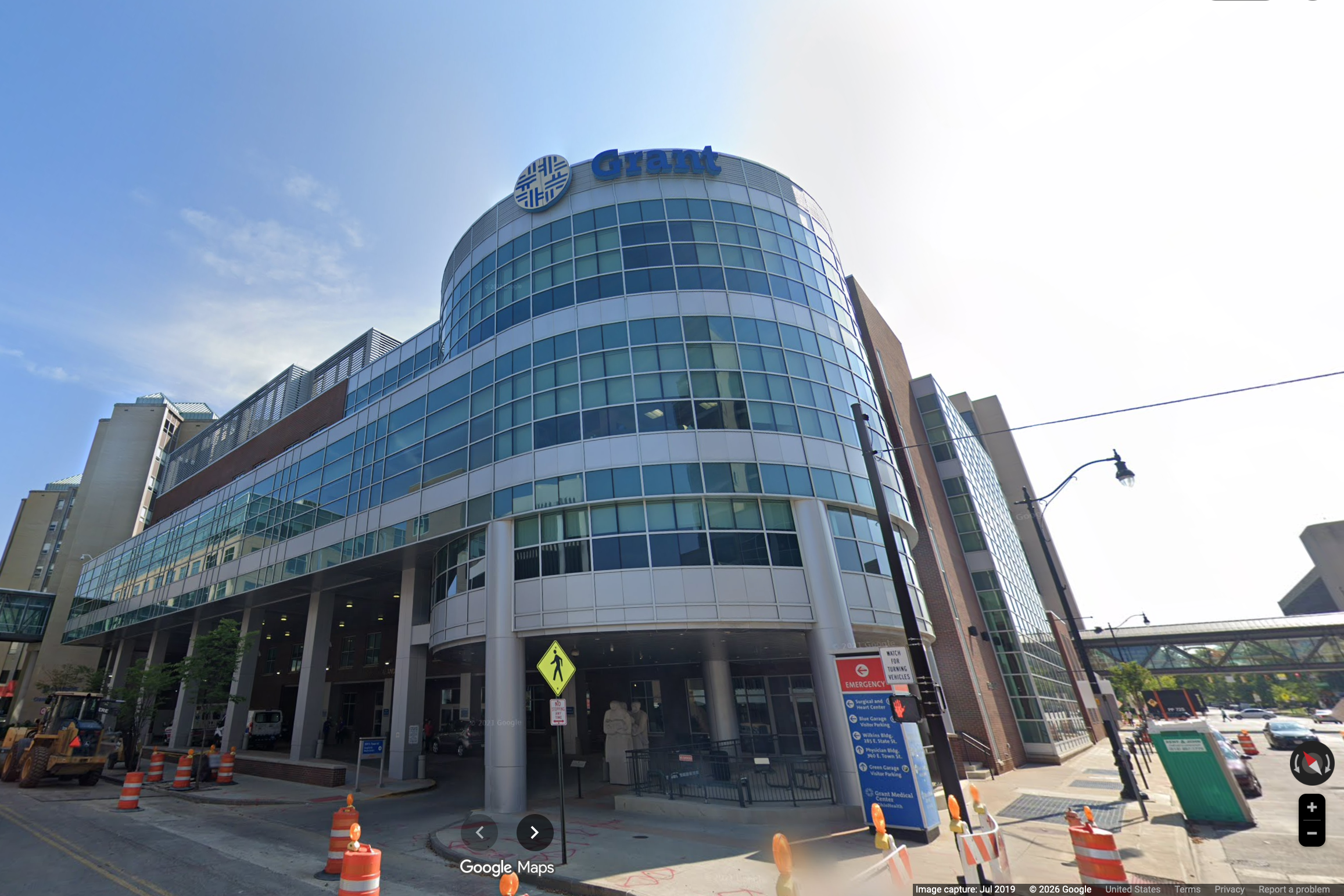
Pohle told the broadcaster that he believes that if he’d been working alone on the day of the incident, he would have died in the front loader. Despite the delays, Pohle survived and made it to the Grant Medical Center in Columbus. Surgeons used plates and screws to stabilize his skull in alignment with his spine.
A Dangerous Condition
Internal decapitations are often fatal. “About 50 percent of the patients with this kind of injury die at the scene, so of the other 50 percent who make it to the hospital, a significant amount of those are paralyzed,” Dr Victor Awuor, a neurosurgeon with OhioHealth Physician Group, told WBNS.
Despite the dire prognosis for those who experience an internal decapitation, Pohle has made a speedy recovery. He is currently walking without assistance. A GoFundMe has been established for Pohle to help his family cover the cost of his medical bills.
Lessons from a Near-Death Experience
He told the broadcaster that he hopes to return to work soon and encouraged people to be mindful that their lives aren’t guaranteed. “Love deeply and have a grace with people. Be patient, be kind. Tomorrow is not guaranteed,” he said.
The Importance of Awareness and Preparedness
This incident highlights the importance of safety measures in high-risk environments. For workers like Pohle, who operate heavy machinery, it’s crucial to have proper training and equipment to prevent such accidents. Additionally, having a quick response system in place can make a significant difference in survival rates.
In cases where emergencies occur in remote areas, it’s essential to have backup plans and communication systems that can quickly alert emergency services. This includes having reliable transportation options and ensuring that medical personnel are trained to handle severe injuries.
Supporting Those in Need
The community has rallied around Pohle, showing the power of collective support in times of crisis. The GoFundMe campaign not only helps cover medical expenses but also serves as a reminder of the strength found in unity. It’s a testament to the compassion that exists within society, especially when individuals face life-altering challenges.
As Pohle continues his recovery, his story serves as a powerful reminder of the fragility of life and the importance of cherishing every moment. His journey from a near-fatal accident to a full recovery is both inspiring and humbling, offering hope to others who may find themselves in similar situations.