Security Guards Advised to Avoid Direct Intervention in Shoplifting Incidents
Security guards across the UK have been given new instructions regarding their approach to shoplifting incidents. The guidance advises against direct intervention if they witness someone stealing from a store, citing concerns over personal safety and potential consequences such as losing their license.
The union representing security workers, the Security Industry Federation (SIF), has emphasized that staff should focus on observing, reporting, and acting as expert witnesses for the police rather than risking their well-being for the benefit of those who may not support them afterward.
Daniel Garnham, the general secretary of SIF, stated that this clarification comes in response to the rising levels of shoplifting and associated violence. He also highlighted the confusion among security workers about how they are expected to act, blaming the lack of a coordinated approach between regulators, employers, and clients.
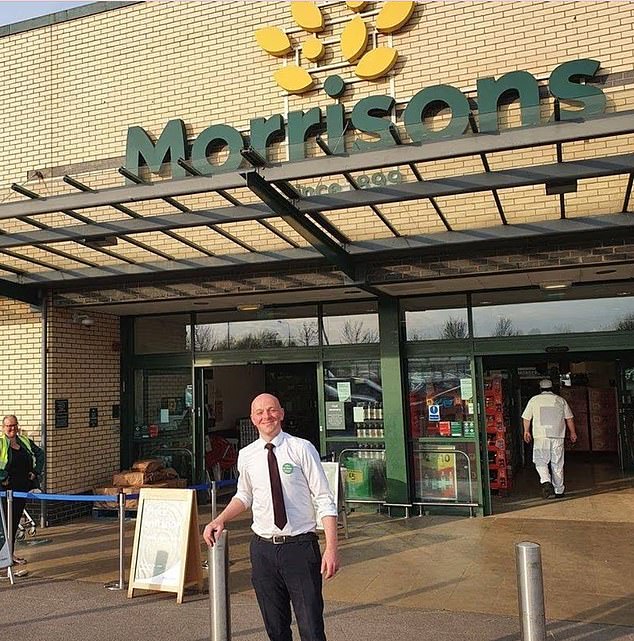
This advice follows several high-profile cases where retail employees were dismissed for their responses to shoplifting incidents. For instance, Sean Egan, a 46-year-old manager at Morrisons in Aldridge, was fired after intervening with a repeat shoplifter. His actions, which included engaging with the thief even after the individual became aggressive, violated the company’s deter-and-not-detain policy.
Similarly, Walker Smith, a 54-year-old assistant at Waitrose, was sacked for tackling an Easter egg thief at a branch in Clapham Junction. He grabbed the bag from the thief, leading to a struggle that resulted in the stolen goods spilling on the floor. Waitrose has a strict policy against staff confronting shoplifters.
Gavin Ramsay, a 49-year-old employee at Asda, was also let go after trying to prevent a young person from leaving with a stolen bottle of alcohol. These cases have sparked debate about the balance between protecting retail assets and ensuring the safety of staff.
Some supermarket bosses have called for security guards to be equipped with batons and pepper spray to better handle shoplifting situations. However, the SIF has warned that this would be “reckless” without proper training and preparation. They argue that such measures could increase risks in an already inconsistent system.
Members are being encouraged to avoid direct confrontation with troublemakers, even if it goes against their instincts. Mr. Garnham emphasized that “someone else’s stock is not more important than your safety, your career or your licence.” He urged for clear national guidance on lawful intervention, better and more realistic training, and proper support for workers who act in good faith.
The retail union Usdaw, which represents 360,000 members, is also advising its members not to intervene against potentially dangerous criminals and to prioritize their own safety. GMB, one of Britain’s largest unions, echoed this sentiment, stating that retailers cannot expect security guards to put themselves at physical risk just to protect their bottom lines.
The issue has gained attention as Keir Starmer, the Prime Minister, pledged to crack down on “free-for-all” shoplifting, which often results in offenders going unpunished. He announced the deployment of 3,000 additional police officers to combat shop theft and plans to make assaulting retail workers a specific criminal offence.
This comes after Ken Murphy, CEO of Tesco, called for retail abuse to be criminalized in 2023, and after Greggs began placing items behind tills to deter shoplifters from taking sandwiches. The proposed offense is set to be introduced in the Crime and Policing Bill but has faced delays between the Commons and the Lords.
Labour also plans to scrap the £200 threshold for shoplifting offenses, which currently allows crimes involving items worth less than this to be tried only before magistrates. This change aims to end what Starmer calls the “shoplifter’s charter,” reducing the sense of impunity that some shoplifters feel when stealing low-value items.