A New Era in Cosmic Exploration
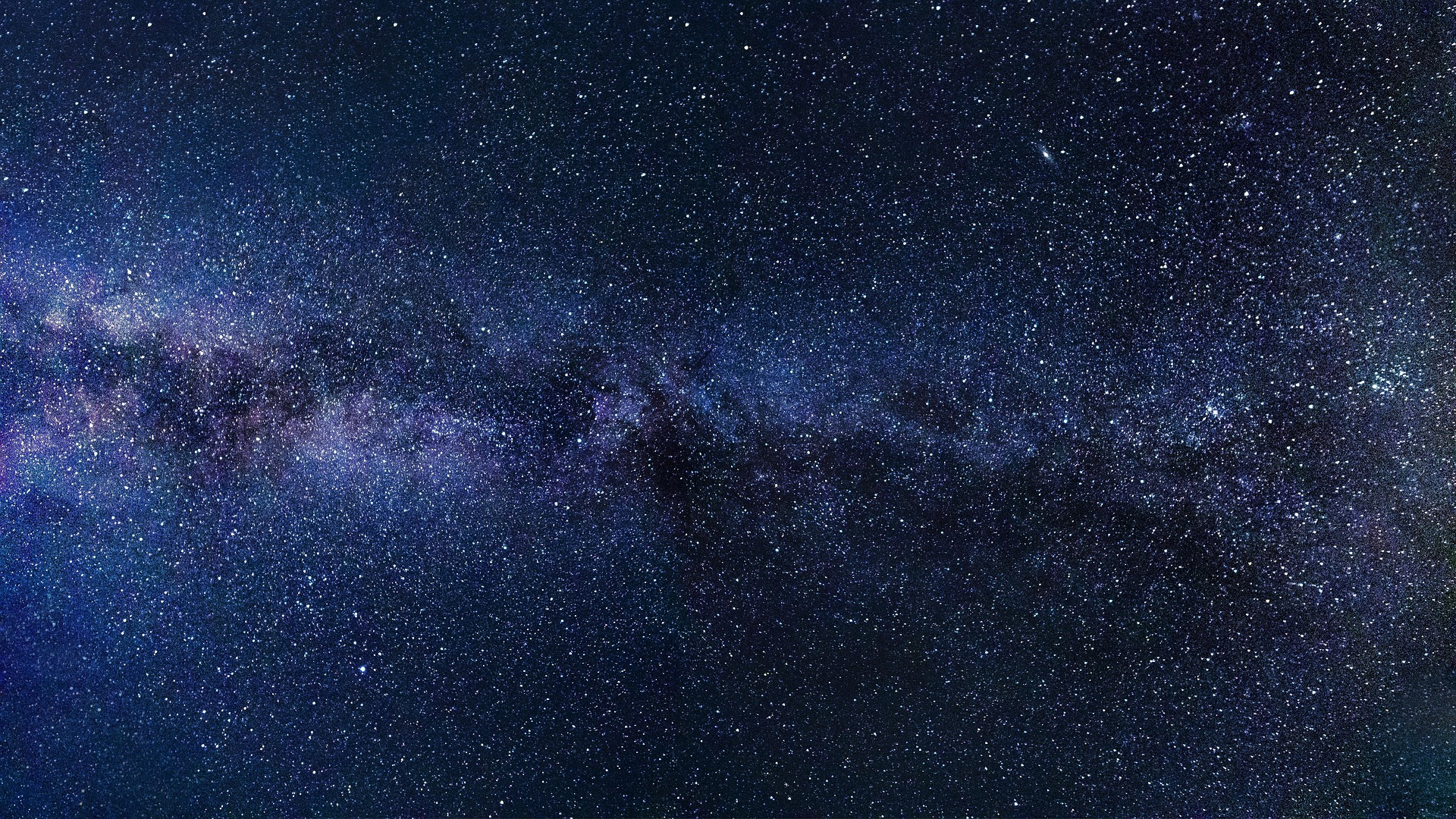
Looking up at the night sky, it is easy to wonder what fills the vast empty spaces between the stars. For scientists, this curiosity has driven decades of research into understanding the invisible forces that shape our universe. Now, a groundbreaking project has reached a significant milestone, offering new insights into one of the most mysterious aspects of the cosmos.
The DESI Project and Its Achievements
The Dark Energy Spectroscopic Instrument (DESI) has successfully mapped its entire target area, marking a major achievement in the field of astrophysics. This accomplishment was completed ahead of schedule, with the team collecting more data than initially anticipated. The resulting three-dimensional map is a crucial tool for researchers aiming to unravel the mysteries of dark energy, which makes up approximately 70% of everything in the universe.
Mapping Millions of Stars and Galaxies
Over the past five years, the equipment used in the DESI project has gathered detailed information on more than 47 million galaxies and 20 million stars. Paul Martini from The Ohio State University, who contributed to the development of the instrument, praised the global collaboration in a university release. He emphasized that the project’s success highlights the impact of international efforts in advancing scientific knowledge.
The project is managed by the Lawrence Berkeley National Laboratory and involves over 900 researchers from around the world. This extensive collaboration underscores the importance of teamwork in tackling complex scientific challenges.
Overcoming Challenges
Despite the project’s success, the journey was not without obstacles. Klaus Honscheid, a physics professor at Ohio State, highlighted his department’s significant role in building and operating the equipment. He expressed pride in the university’s contributions and the attention the project has received from the international media.
One of the biggest challenges faced by the team was a major wildfire in 2022, which caused power outages at the observatory. Ashley Ross, a lead scientist on the project, explained that the team had to be adaptable and resourceful to keep the work moving forward.
What Comes Next?
“By coming up with creative solutions to address unforeseen problems, the high-quality data we collected each night was carefully and confidently used to obtain the exciting cosmological constraints that DESI is now known for,” Ross said.
Scientists will now spend the next few months analyzing the vast amount of data collected, with final results expected in 2027. The team also plans to continue observing the skies through 2028, focusing on more challenging targets.
Honscheid added that this expansion will enhance their research on dark matter and help clarify how the universe actually formed. This ongoing effort promises to deepen our understanding of the cosmos and the forces that govern it.