Australia’s Islands: A Unique Opportunity to Combat Invasive Pests
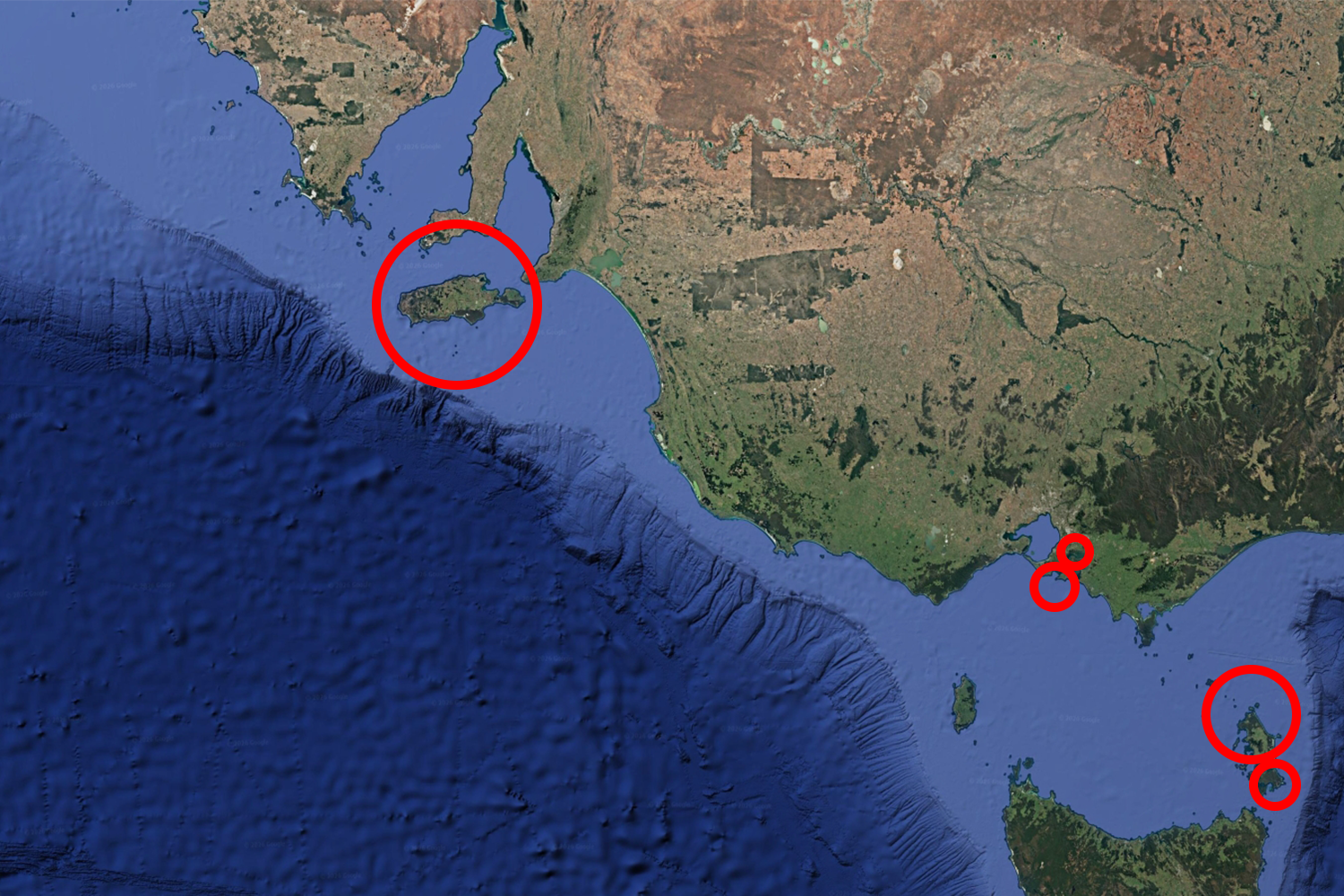
Australia’s islands present a rare and valuable chance to tackle invasive pests before they become unmanageable. The Invasive Species Council has identified eight key locations where the removal of a single invasive species could lead to significant ecological benefits. Dr Carol Booth, the council’s policy director, emphasized that these changes could be achieved within our lifetimes, but also serve as a crucial step in protecting future generations.
On the mainland, invasive species have contributed to the extinction of native animals and cost the agriculture sector an estimated $5.3 billion annually. Once established, many pests are nearly impossible to eradicate, as seen with fire ants, shot-hole borers, and varroa mites. However, islands offer a more manageable environment for pest control efforts.
There have been over 240 successful eradications of animal pests on more than 170 Australian islands, highlighting the potential for similar successes in other areas.
A Rare Chance to Stop Invasive Pests on One Island
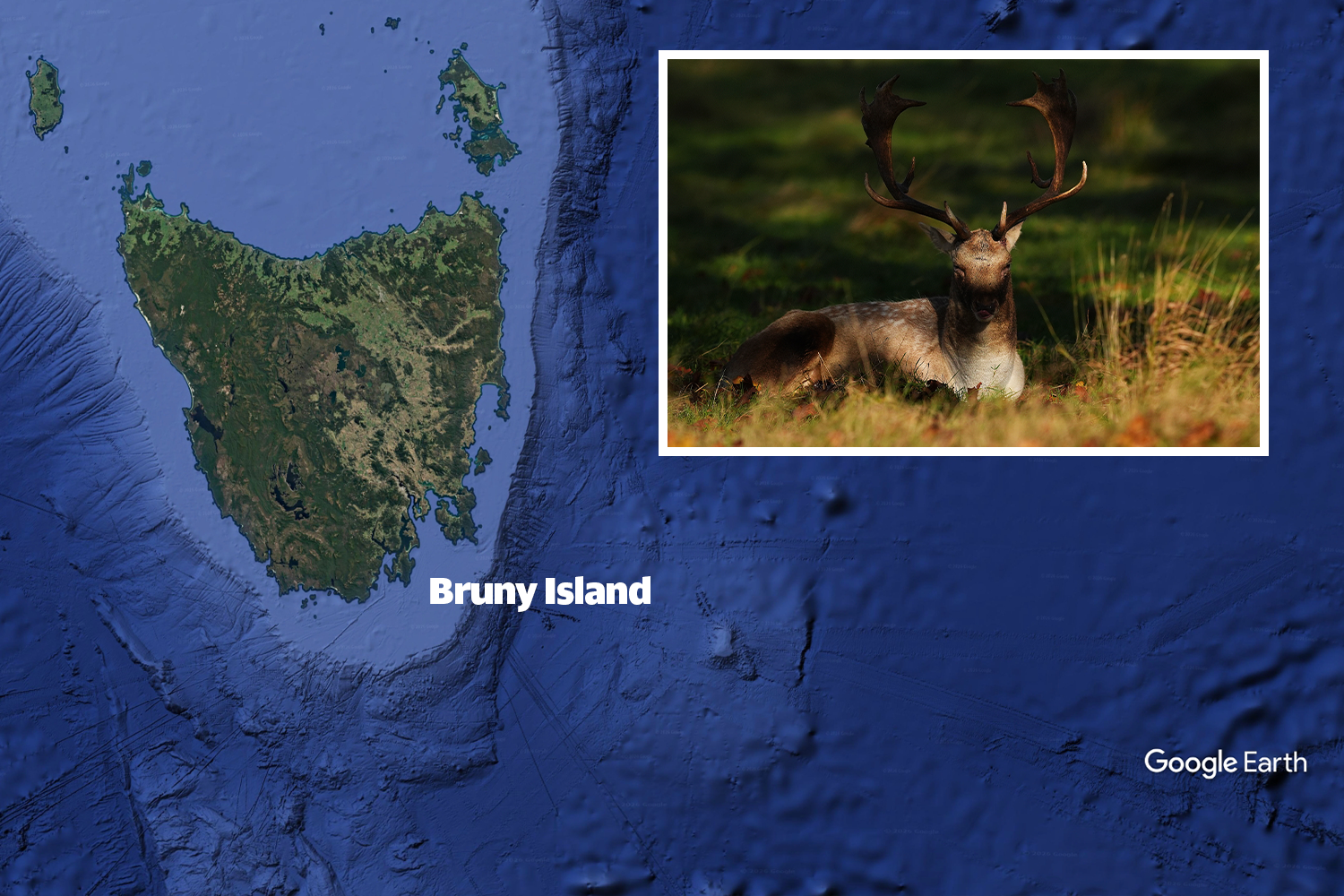
One of the most promising opportunities lies on Tasmania’s Bruny Island, where fallow deer are still present in small numbers. Introduced between 2012 and 2013, there are currently around 100 to 300 fallow deer on the island. These animals threaten rare orchids and other plants, as well as the island’s clean, green tourism reputation.
Booth believes that eliminating fallow deer on Bruny Island could be achieved for just $7 million over 10 years. On the mainland, the population is much larger, with over 71,000 fallow deer growing by 6% each year. This growth rate is particularly concerning when considering that there are only around 25,000 Tasmanian devils left.
Removal of Destructive Species Could Help a Second Island
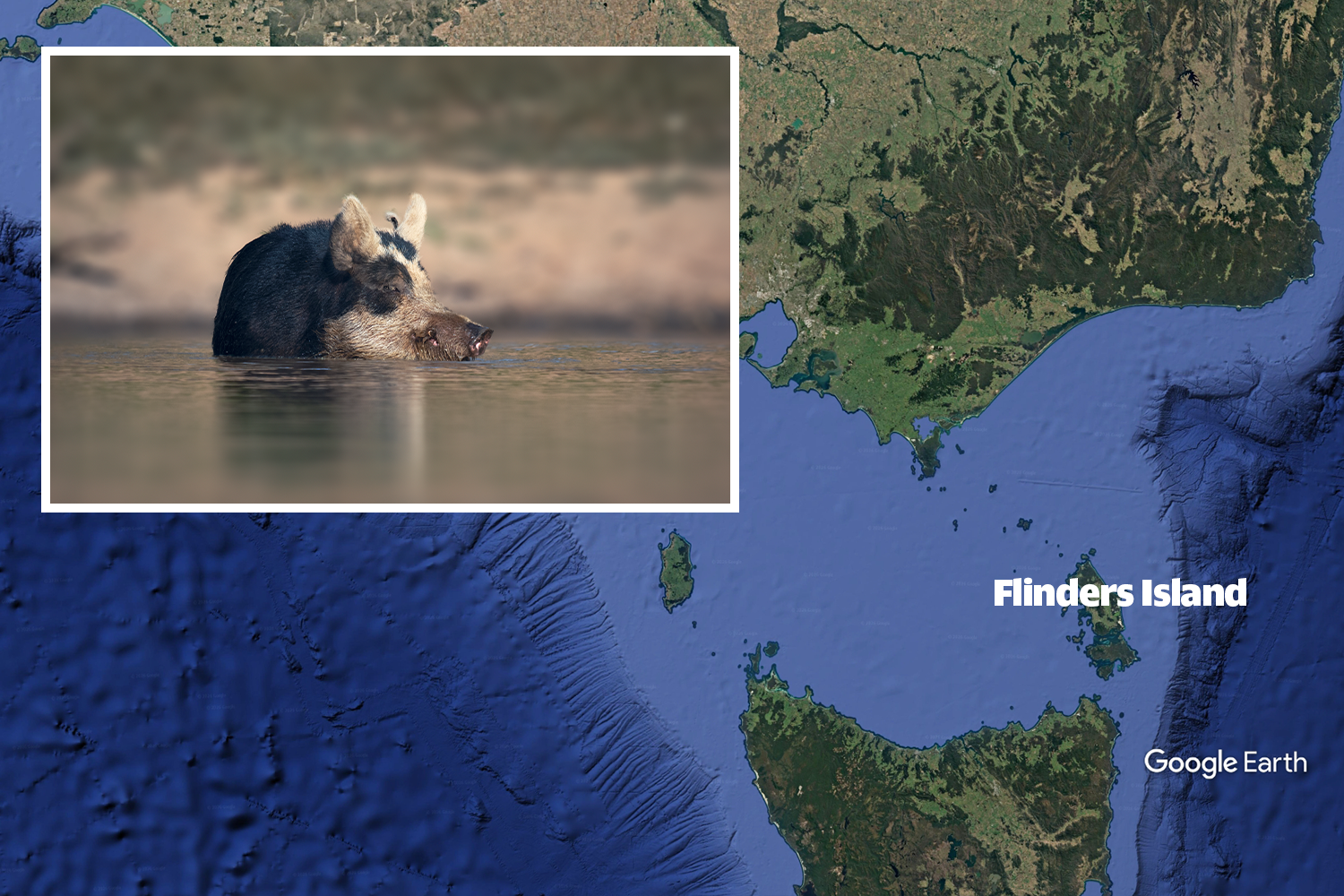
Just 350 km north of Bruny Island, Flinders Island faces its own invasive challenge: pigs. These animals have roamed the island since the 19th century, introduced by sealers. The area is home to at least 30 native plant and animal species, and pigs can be particularly destructive due to their habit of wallowing and rooting for food in soft soils.
“Pigs are one of Australia’s most damaging invaders of wetlands, they dig up lilies and orchids,” Booth said.
Single Species Needs to Be Removed from Five Other Islands
Feral cats are among Booth’s biggest concerns, and she would like to see them targeted on five islands. While it may seem daunting, the eradication of feral cats has already been successfully carried out in several locations, including Macquarie Island and Rottnest Island.
Cats have played a role in the extinction of over 20 species in Australia and are responsible for killing over 1.5 billion native mammals, birds, reptiles, and frogs each year, along with 1.1 billion invertebrates.
Because they cannot be completely eradicated from the mainland, many small mammal species are now protected within large, fenced sanctuaries.
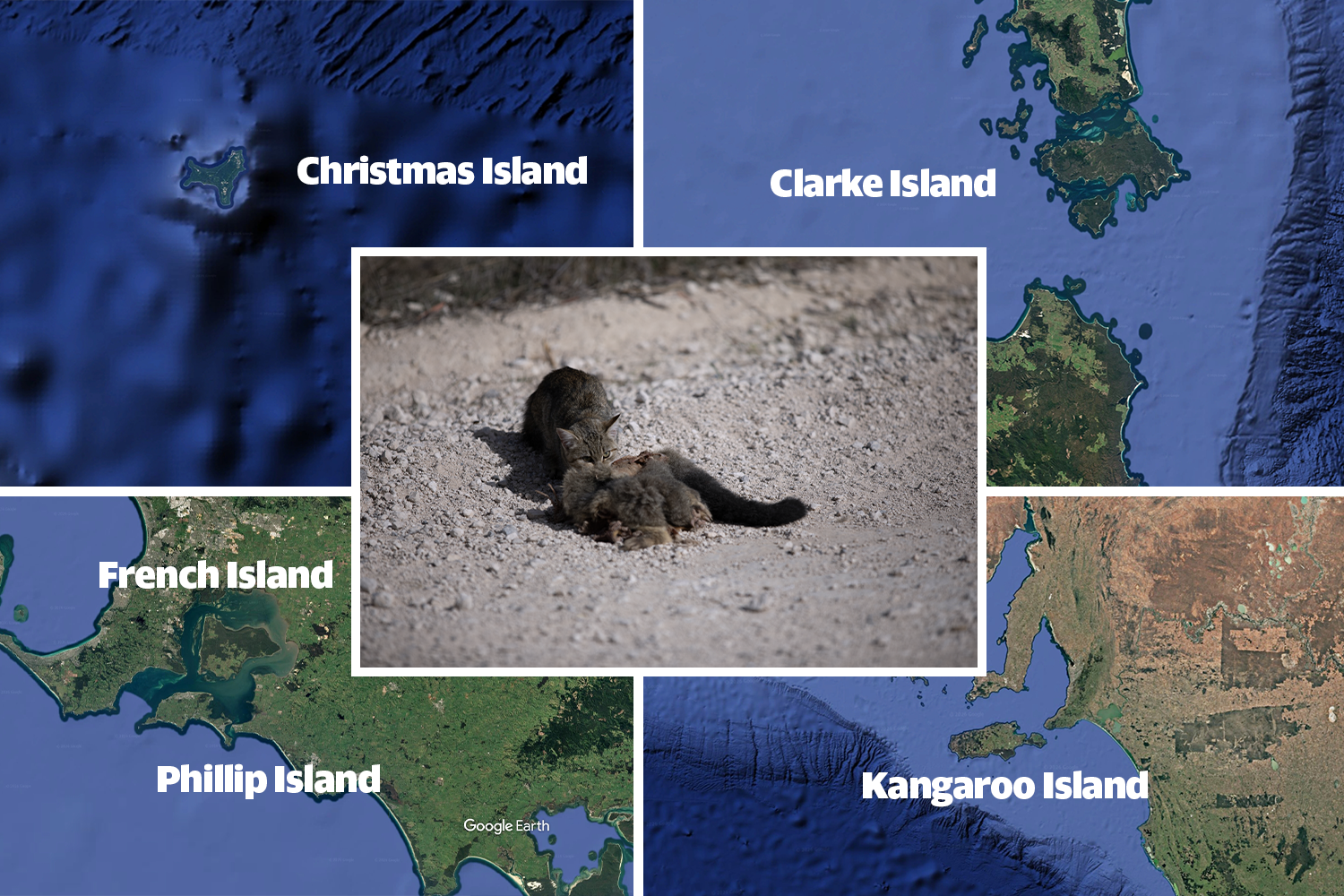
On Lungtalanana Island (Clarke Island), the eradication of cats cost $1.7 million over four years. Their removal will benefit important species such as the long-nosed potoroo, New Holland mouse, Lewin’s rail, and hooded plover.
Across Bass Strait, a plan to eliminate feral cats on Kangaroo Island is already underway in South Australia. Cats on the island prey on over 50 native species, including the Kangaroo Island dunnart, which is found nowhere else on Earth. One proposal for the island includes banning cats as pets in the future to prevent their re-establishment.
Another Hotspot in Her Sights
Christmas Island, located 1,550 km northwest of the Australian mainland, is another priority for cat eradication. Work to remove them is already in progress, with regulations prohibiting their importation. Once they are gone, species such as the Christmas Island flying fox and red-tailed tropicbird will benefit.
The last two priority places for cat eradication on Booth’s list are Victoria’s Phillip Island and French Island. Both are fox-free and host rare eastern barred bandicoot populations.