A Unique Collection of JRPGs on the Game Boy Advance
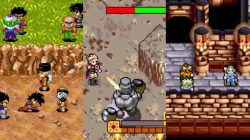
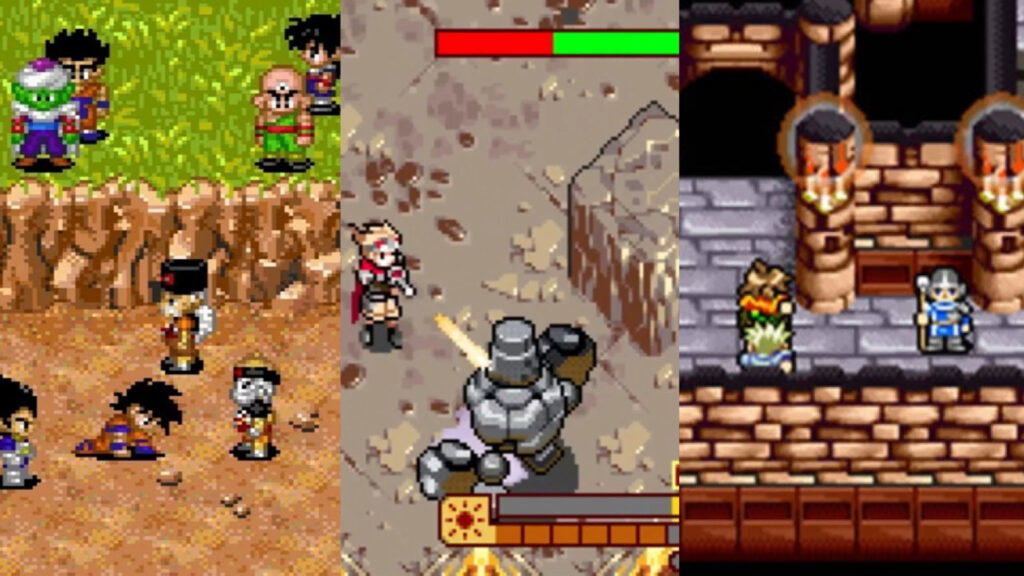
The Game Boy Advance was home to a wide range of Japanese Role-Playing Games (JRPGs). This list, although unranked, highlights some of the most notable titles from that console. These games span traditional and hybrid styles of JRPGs, offering unique experiences that have remained untouched by modern ports.
Unlike popular franchises such as Pokémon or Final Fantasy, these titles never received any form of modern re-release. As a result, many of them remain exactly as they were when first launched, with no ports or remasters available.
1. Oriental Blue: Ao no Tengai
Originally developed for the Nintendo 64DD but never released, this game found its way onto the Game Boy Advance. Set in a world inspired by East Asian mythology, the story follows a wandering protagonist whose decisions heavily influence the gameplay. It is a traditional turn-based RPG, but the progression system and character-specific abilities give it a distinct place within the genre.
2. Summon Night: Swordcraft Story
This title combines action RPG combat with a deep crafting system. Players don’t just equip weapons; they also forge them using materials found in dungeons. The game features an in-game day system, where progression relies on crafting choices rather than simple leveling up.
3. Lufia: The Ruins of Lore
A canon entry in the Lufia series, this game follows the classic turn-based combat formula. It introduces Disc Monsters, which can be captured and fused with party members. The story revolves around Eldin’s treasure-hunting journey, continuing the narrative established in earlier games.
4. Tactics Ogre: The Knight of Lodis
As a prequel to the Ogre series, this game features grid-based combat and a complex class system tied to hidden emblem requirements. It also includes multiple endings, which was rare for its time. Despite other titles in the series being remastered, this one remains locked to the GBA.
5. DemiKids: Light Version / DemiKids: Dark Version
These spin-offs of Shin Megami Tensei simplify demon recruitment for a younger audience. Each version has a different protagonist and exclusive demons, encouraging link cable trading. While the core loop still involves recruiting and battling demons, the designs and themes are more family-friendly. Both versions remain exclusive to the GBA.
6. Boktai: The Sun Is in Your Hand
This game had a unique reason for not being ported to modern consoles. The cartridge featured a solar sensor that powered in-game weapons using real sunlight. Gameplay involves stealth, puzzles, and action combat as Django hunts vampires. Without the hardware gimmick, the entire design becomes unplayable, keeping it confined to the GBA.
7. Dragon Quest Monsters: Caravan Heart
Part of the Dragon Quest universe, this game follows Kiefer in a monster-collecting system similar to Pokémon. Human party members also have jobs, adding another layer of strategy. It was only released in Japan and never officially localized, keeping it stuck on the GBA.
8. Magical Vacation
This turn-based RPG features a deep elemental system with over a dozen magic types. Players take on the role of a magic academy student who travels across worlds to rescue classmates. Elemental affinities directly impact both combat and exploration puzzles.
9. Shining Soul
A reboot of the Shining series by SEGA, this game shifts from tactical gameplay to action dungeon crawling. Players choose a class and explore dungeons in real-time, collecting gear and leveling up. It also supported co-op through link cables, which was rare for JRPGs at the time. The original entry remains on GBA hardware.
10. Dragon Ball Z: The Legacy of Goku
This game follows the story of Goku through the Saiyan and Namek sagas. It features overworld exploration with simple yet effective combat mechanics. With level-based progression and NPC interactions, players explore locations and use items like Senzu Beans. Despite the popularity of the Dragon Ball franchise, the game never made it to modern consoles.
Conclusion
Playing these titles today requires tracking down vintage cartridges and a trusty old Nintendo Game Boy Advance. For fans of classic JRPGs, these games offer a glimpse into a bygone era of gaming that remains largely untouched by modern technology.