Mojave Max’s Record-Breaking Emergence Signals the Arrival of Spring
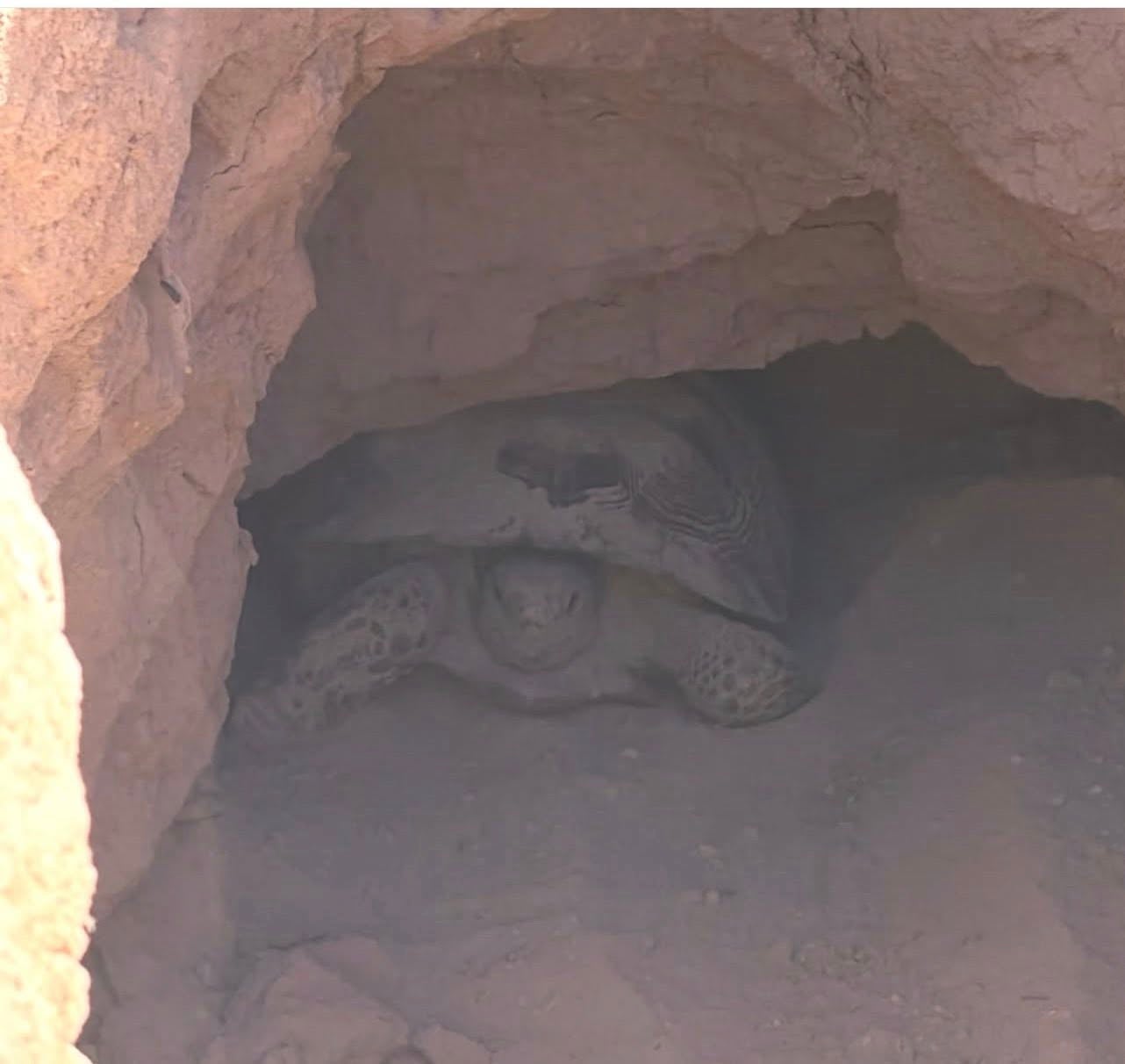
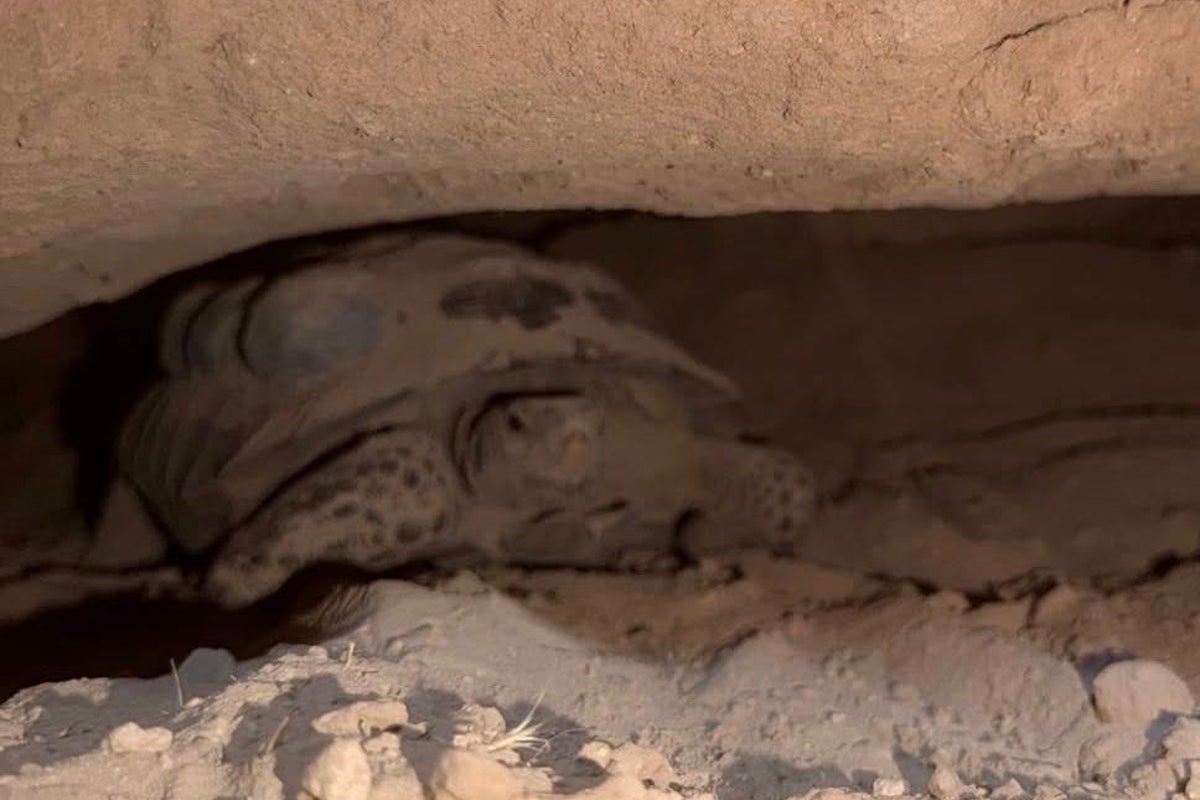
Mojave Max, a well-known tortoise in Nevada, has once again made headlines by breaking his own record for the latest emergence from his burrow. This event, which took place on Sunday, May 10, just after 2 p.m. local time, marks a significant moment as it signals the beginning of spring in Southern Nevada.
Max’s previous record was set on May 8, 2025, but this year he emerged later than ever before. The earliest he has ever re-surfaced was on February 14, 2005. His emergence from the burrow, which he enters at the start of each winter, is a traditional indicator of the changing seasons and the arrival of warmer weather.
Clark County, Nevada shared a post on Facebook highlighting that Mojave Max’s brumation and emergence are based on an internal body thermometer that dates back millions of years. This natural process is a sign of the coming spring and rising temperatures, especially as the region prepares for triple-digit heat.
In addition to warmer temperatures, Max’s emergence also signifies longer daylight hours. However, Southern Nevada has experienced extreme temperature fluctuations this year, along with rain and wind, which contributed to Max’s late appearance, according to KSNV.
Max shares his burrow with three other tortoises that entered brumation after he did, which also played a role in his delayed emergence this spring. This unique behavior adds to the intrigue surrounding the tortoise’s seasonal predictions.
A Community Effort: The Mojave Max Emergence Contest
Local elementary school students have the opportunity to participate in the annual Mojave Max Emergence Contest. Through this activity, students predict when the weather prognosticator will come out and enjoy the warmer weather. Each year, students study the weather, temperatures, and other desert conditions that influence when the tortoise appears.
Students previously made their predictions for when Max would emerge this year, and school officials plan to announce a contest winner soon. This initiative not only engages young minds in science and nature but also fosters a sense of community and curiosity about the environment.
The winner of the contest receives extensive prizes, including a year-long membership to the Springs Preserve, where Mojave Max resides, a year-long family national parks pass, and a laptop. The winning student’s class also wins big, receiving medals, T-shirts, a trophy for their school, a pizza party, and a chance to meet Mojave Max. Additionally, the winning student’s teacher will be rewarded with a new laptop.
Other Seasonal Predictors
Mojave Max isn’t the only animal credited with predicting the seasons. In Pennsylvania, Punxsutawney Phil plays a central role in Groundhog Day celebrations on February 2 each year. According to folklore, if Phil sees his shadow when he emerges from his burrow, winter will continue for another six weeks. On the other hand, a cloudy day predicts an early spring.
These traditions highlight the cultural significance of animals in forecasting the changing seasons. While some may view these events as mere entertainment, they also serve as reminders of the connection between nature and human culture.
Conclusion
Mojave Max’s emergence continues to capture the attention of locals and visitors alike. As a symbol of the changing seasons, his appearance brings a sense of anticipation and excitement. Whether through scientific observation or traditional folklore, the arrival of spring is always met with a mix of hope and wonder.