A Thought-Provoking Anecdote from a Film Set
During a recent television interview, American actress and model Olivia Munn shared an intriguing story about a film set incident that has sparked renewed conversations about how female roles are portrayed in media. The anecdote highlights the ongoing challenges women face in gaining equal recognition and respect within the entertainment industry.
A Scene That Caused Tension
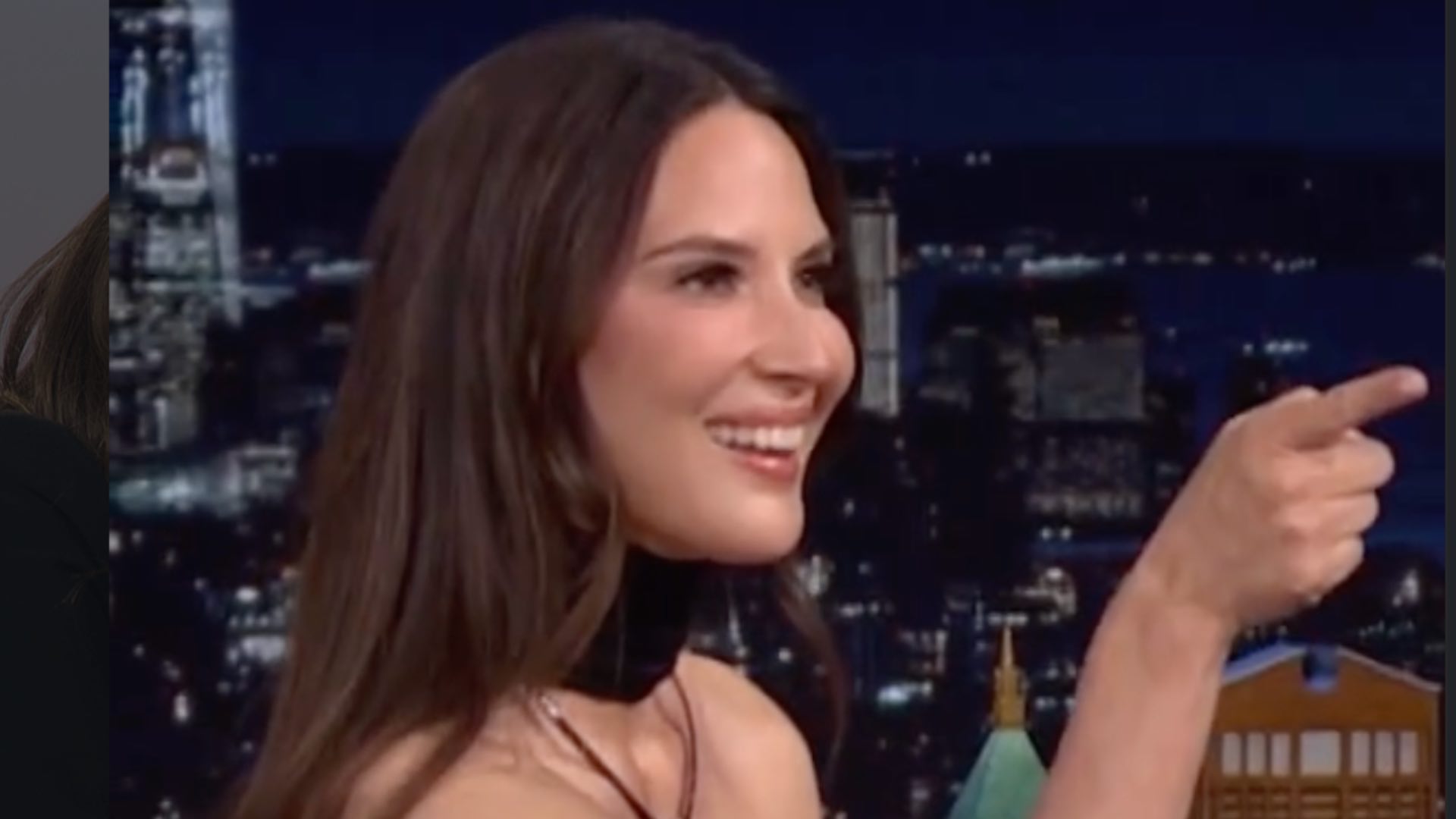
Olivia Munn recounted this incident during her appearance on “The Drew Barrymore Show.” She described a scene where her character was supposed to intervene and rescue another character. According to her account, the actor playing the male lead refused to continue filming after realizing that his character would be saved by a woman. This moment of tension on set led to a brief halt in production, as the crew grappled with the implications of the scene’s narrative.
A Conflict Over Interpretation
The scene in question involved an action sequence where Munn’s character, portrayed as a trained professional, was meant to neutralize a threat against her on-screen partner. During the interview, she explained that the actor had concerns about the way the scene was being interpreted. Rather than continuing with the original setup, Munn suggested a revised approach to the staging, which allowed filming to resume without compromising the main plot.
Rekindling the Conversation on Female Representation
Munn’s story has come at a time when discussions around the representation of women in audiovisual productions are more prevalent than ever. There is a growing awareness of the need for diverse and meaningful roles for women, whether they are leading or supporting characters. This incident raises important questions about how female characters are perceived and valued in storytelling.
Power Dynamics and Industry Perceptions
The anecdote also brings attention to the power dynamics that still exist within the entertainment industry. If the details of the incident are accurate, it could be seen as an example of lingering sexist attitudes, where certain portrayals are deemed less acceptable simply because they challenge traditional gender roles. This kind of reaction underscores the need for continued efforts to shift perceptions and create more inclusive narratives.
The Broader Implications of On-Screen Representation
Debates surrounding the representation of female characters extend beyond the screen and into public consciousness. How women are depicted in films and television influences societal views and expectations. Public testimonies like Munn’s contribute to a larger conversation about the evolution of audiovisual narratives and the importance of diversity in storytelling.
The Role of Screenwriting and Audience Perception
Ultimately, the way female characters are represented is influenced by both screenwriting choices and audience perceptions. As stories evolve, there is a growing demand for more nuanced and authentic portrayals of women. This includes not only their roles but also the complexity of their motivations and experiences.
A Call for Change
Munn’s experience serves as a reminder of the work that still needs to be done to ensure that women are given equal opportunities and respect in the entertainment industry. It also highlights the importance of challenging outdated norms and advocating for more balanced and inclusive representations on screen.
Conclusion
The discussion sparked by Olivia Munn’s anecdote reflects a broader movement toward greater equity and representation in media. As audiences become more aware of these issues, there is increasing pressure on creators to produce content that reflects the diversity of human experience. This ongoing dialogue is essential for shaping a future where all characters, regardless of gender, are given the space to thrive and be recognized for their contributions.