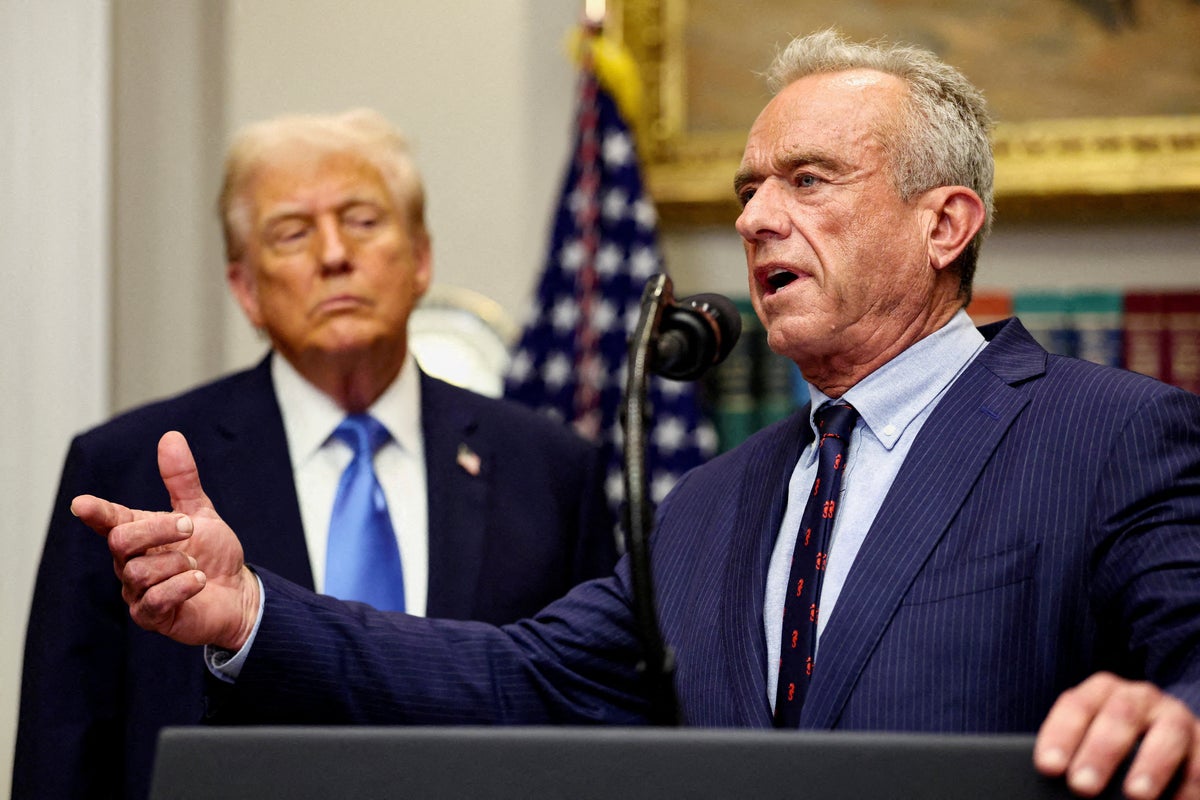
Health and Human Services Secretary Robert F. Kennedy Jr. has reportedly been asked by the White House to reduce his public criticism of vaccines ahead of the midterms. However, it is alleged that he continues to lead a comprehensive, multi-agency review of vaccine science behind the scenes. This review, as reported by The New York Times, focuses on examining Kennedy’s unproven theories that vaccines may be causing chronic diseases and are linked to autism.
Dr. Daniel Jernigan, who previously oversaw vaccine safety at the CDC before resigning in August, expressed concerns about the approach. He told the paper, “It just demonstrates that no matter what the general tone is about vaccines, whether we talk about them or not, the secretary is going to continue to try and look at the data and analyze it in a way that will help support the conclusions that he’s already made.” According to Jernigan, this method poses a real problem for vaccine safety efforts.
The Independent has reached out to the White House and the Department of Health and Human Services for comment. The alleged review reportedly involves officials from the CDC, Food and Drug Administration, and National Institutes of Health, and is led by Martin Kulldorff, a respected biostatistician.
While details about the review remain limited, they align with Kennedy’s broader record. As a well-known vaccine-skeptic activist before taking office, his tenure has seen several controversial moves. These include reducing the number of recommended childhood vaccines, removing a key vaccine advisory board, and dismissing the CDC director for opposing his vaccine priorities. Additionally, there have been claims linking autism to vaccines, despite a lack of scientific evidence supporting such a connection.
These actions have been celebrated by supporters of the Make America Healthy Again (MAHA) movement, but they could become a political liability for the GOP during the midterms.
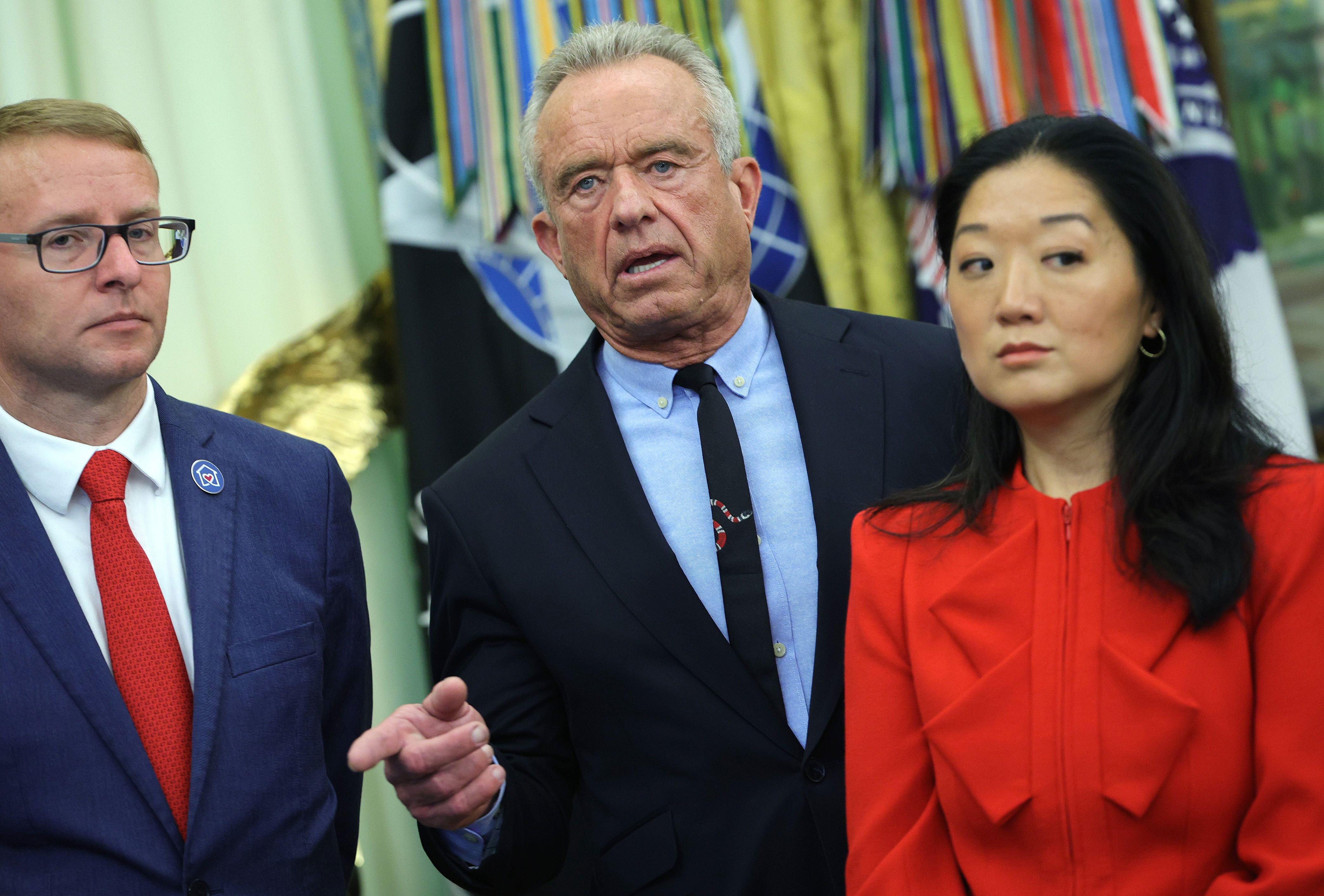
Todd Lyons, president of the RFK-aligned MAHA Action advocacy group, wrote in a February 11 memo: “Policies related to vaccines and vaccine safety need to be addressed carefully and with nuance. That’s because, overall, a slim majority of voters are not convinced there are negative health impacts from vaccines.”
An administration official told The Washington Post that month, “Vaccines are not popular issues to talk about. It goes back to polling.” Recent polling from KFF, published last week, indicates that about four in ten Americans support the MAHA movement, while even fewer express public confidence in the FDA.
Voters appear more concerned with affordability issues than vaccine-related topics, according to KFF. More than 60 percent said health costs will have a “major impact” on their voting choices, compared to about 40 percent who indicated that food or vaccine policy would influence their decisions.

These concerns are particularly relevant for Republicans, who allowed health subsidies to expire last year and have yet to replace the Affordable Care Act. Additionally, the party has launched a war in Iran, which has contributed to rising energy costs.
Between the end of April and early May, roughly 77 percent of respondents to a CNN/SSRS survey said Trump’s policies have increased the cost of living, with most blaming the war and the president’s tariffs as the main factors.
Independent readers are known for their independent thinking and global perspective. They are not defined by traditional demographics but by their attitudes. In today’s fragmented world, communities value real facts and honest opinions delivered directly from a non-biased news source they can trust. Armed with information and inspiration, Independent readers are empowered to take a stand for the things they believe in.