The Growing Concern Over Mycotoxins in Plant-Based Meats
Recent health concerns surrounding veggie sausages and burgers have highlighted the fact that these are highly processed foods, often containing long lists of ingredients not typically found in a standard kitchen. Now, there’s a new worry: consuming too many of these meat substitutes could potentially harm your health due to the presence of toxins usually found only in foods from hot countries.
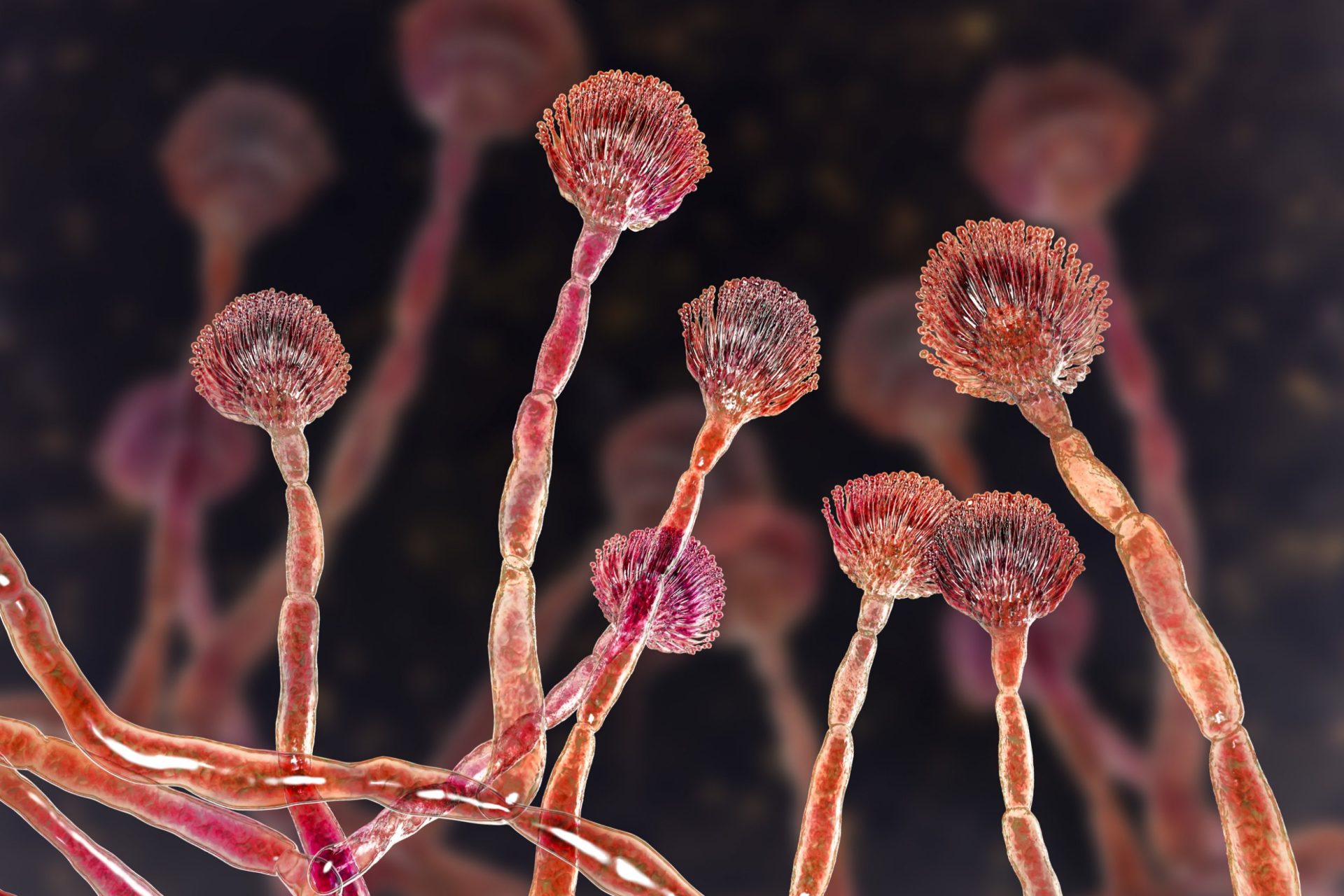
These toxins, known as mycotoxins, primarily develop in tropical or subtropical regions when mold starts growing on crops such as grains, nuts, beans, and fruits. A recent investigation funded by the EU’s Horizon science programme found that mycotoxins were present in all 212 plant-based meat substitutes sold in British supermarkets. The study was published in the journal Food Control.
According to Dr Andrea Patriarca, a food scientist at Cranfield University, the toxins were at very low levels, and they are likely to only be a possible danger for people who consume large quantities of these products, such as vegans and vegetarians. “The concern is for diets that are exclusively based on alternative plant-based products, because [people] are exposed to a broad range of mycotoxins. The effect increases when you are exposed to them all together.”
The UK’s Food Standards Agency plans to monitor this issue and take any appropriate steps, according to The i Paper. Mycotoxins are not usually at harmful levels in UK food, but they are a major public health problem in hotter countries, where they grow on crops either before harvest or during storage or processing. There may be no visible mold on the food.
One particularly dangerous compound, called aflatoxin, is produced when mold grows on maize, peanuts, and nuts. It can cause liver cancer by damaging DNA and triggering mutations. It is thought to cause up to 150,000 cancers a year, mainly in Africa and Asia. There are several other mycotoxins, produced by different species of mold, and they can also cause problems with digestion and the immune system.
Food safety laws in the UK and the European Union have limits for the amount of mycotoxins that can be present in various foods, such as breakfast cereals and bread. However, there are no specific regulations about levels in newer plant-based meat alternatives, such as veggie sausages and burgers, and plant-based “chicken” pieces. These are generally made from grains or pulses, often imported.
To investigate, Dr Patriarca’s team measured levels of 19 different mycotoxins in 212 plant-based foods, bought in several major supermarkets. “We bought as many samples, as many brands as we could find,” she said. All products contained at least one mycotoxin, and some had more than one. Fortunately, the levels were all below the permitted amounts for other foods, such as cereals. “There is no real concern for people consuming these products among others and having a varied diet,” said Dr Patriarca.
But the levels were not negligible. For instance, some vegan burgers and sausages had levels of a compound called aflatoxin B1 at 0.6µg per kg. That’s about a third of the level permitted in cereals. Vegan burgers had levels of another compound called ochratoxin A at 1.59µg per kg, about half the permitted level in cereal.
The permitted levels had been calculated based on people having a typical varied diet, and if someone is eating meat alternatives for most of their meals, they could be having harmful amounts, said Dr Patriarca. Professor Simon Edwards, a mycotoxin expert at Harper Adams University, who was not involved in the research, said the investigation had revealed a potential risk. “The levels seen are certainly of concern for some diets,” he said. “There is a potential concern where you’ve got vegetarians and vegans eating more meat alternatives.”
People are being encouraged to switch meat for plant-based alternatives for health and environment reasons. Red meat is high in saturated fat, thought to be bad for the heart, and vegetables are high in fibre, which is good for the digestive system.
Richard McIlwain, chief executive of the Vegetarian Society, said if there really was a risk to non-meat-eaters, they would have higher rates of cancer. “They tend to have lower rates of cancer,” he said. “Our recommendation is people consume ultra-processed foods as part of a healthy diet, not that they eat veggie burgers and sausages three times a day every day.”