
A Mother’s Warning: The Dangers of Carbon Monoxide in Vehicles
A mother from Amersham, Buckinghamshire, has raised concerns about the risks of carbon monoxide exposure in vehicles after her son developed symptoms that led to a shocking discovery. Dr Sophie Duggan, 50, shared her story with the Daily Mail, highlighting how her family’s health was affected by a faulty car exhaust.
In 2013, while driving down a country road, Dr Duggan’s car experienced an issue with its exhaust system. They booked the vehicle for repairs, but the real cause of their son Freddie’s health problems remained a mystery for years. At the time, Freddie, who was six, had been experiencing swollen lymph nodes, night sweats, and weight loss. These symptoms were concerning, and doctors initially suspected lymphoma.
‘These symptoms were very, very worrying. They had begun when he was around two and they had been getting worse over the years,’ Dr Duggan said. ‘We had reached the stage where we were properly investigating it medically. The GP had told us, this is lymphoma until proven otherwise, which was extremely frightening.’
Despite scans showing non-cancerous results, the medical team could not determine the cause of Freddie’s symptoms. It wasn’t until a mechanic at a garage noticed something unusual that the truth emerged. The mechanic asked if any family members had experienced unexplained medical issues over the years. When Dr Duggan confirmed this, he revealed the diagnosis: the family had been breathing in deadly carbon monoxide due to a faulty exhaust pipe.


At high levels, carbon monoxide is a colorless and odorless gas that can cause severe health effects, even death, within hours. It is particularly dangerous for pregnant women, as it can affect fetal development by limiting oxygen supply in the blood.
Dr Duggan explained, ‘When we came to pick the car up, the guy at the garage asked us if any members of the family had been experiencing unexplained medical problems over the past few years. This was an odd thing for a mechanic to ask and I said “yes”. He then said, “Well I’ve got your diagnosis out in the yard.” He showed us what was left of what had been the car’s exhaust system. It was completely clogged with wet, sticky black soot on the inside. It had rusted away in places.’
After replacing the car, Freddie’s symptoms disappeared, which Dr Duggan found astonishing. However, the experience left her deeply concerned about the potential dangers of carbon monoxide exposure.
Researching the Hidden Threat
Dr Duggan discovered a lack of data on carbon monoxide levels in UK vehicles and received a grant from the Carbon Monoxide Research Trust to conduct her own study. She tested 33 cars and found alarming results. Sixty percent of the vehicles had detectable levels of carbon monoxide, with some being extremely dangerous.
The worst case was a 13-year-old BMW Z4, which had an average carbon monoxide level of 192 parts per million. Peak levels during acceleration exceeded the recording range of her data logger.

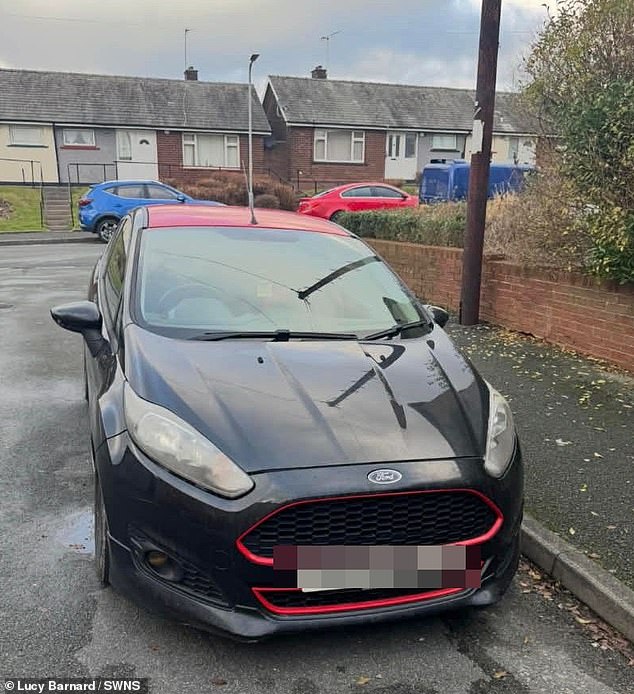

This research highlighted a growing concern, as incidents of carbon monoxide poisoning in vehicles continue to rise. Earlier this month, Lucy Barnard, a 26-year-old pregnant mother, nearly lost her life after a pothole damaged her car’s exhaust, filling the cabin with deadly fumes. Her story echoes the dangers faced by many drivers.
Dr Duggan expressed a deep fear that nothing will change until a child dies. ‘I have a great foreboding about this. It’s that nothing is going to be done until a child dies, and I think it’s unavoidable that a child will die,’ she said. ‘Freddie is fit and well now. He’s 18. But it was very, very frightening. And, of course, every time he gets poorly, as people do, there’s always the worry.’
Calls for Action
Dr Duggan is urging for better measures to protect drivers and passengers from carbon monoxide exposure. She believes that:
- People should have access to reliable equipment to test carbon monoxide levels in their vehicles. This could include devices that connect to mobile phones, making it easier to monitor air quality.
- The MOT test should include an in-cabin air quality check to ensure vehicles are safe.
- Doctors should be able to provide carbon monoxide monitors to patients presenting with symptoms that could indicate exposure.
‘If I had a magic wand, one of them would be for people to be able to go out and buy something reliable… that could tell them what they’re breathing in their cars,’ she said. ‘Another thing would be for the MOT to include an in-cabin air quality test. And the third thing I’d like to see change is when you go to your doctor with symptoms that are suggestive of CO poisoning, doctors could send you home with a monitor that could test what you’re breathing.’