CSL Shares Hit Near-Decade Low Amid Financial Setbacks
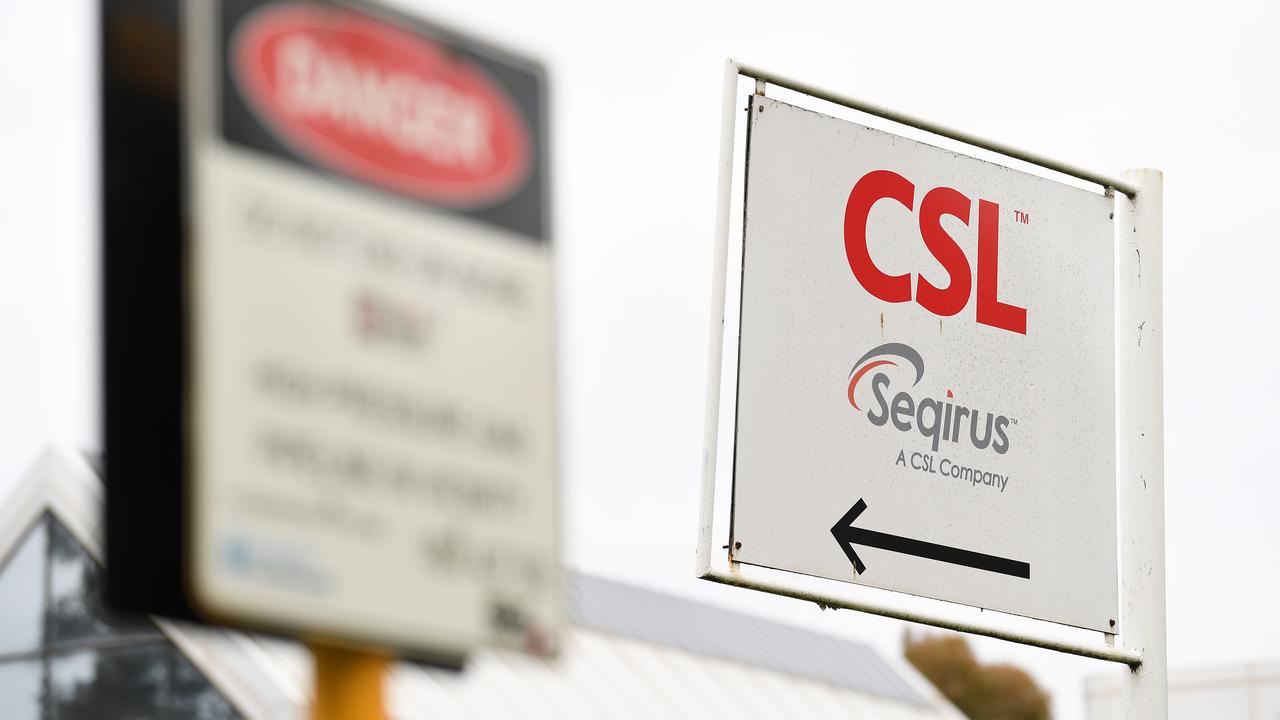
Shares in one of Australia’s largest companies, CSL, have plummeted to a near-decade low following another disappointing financial update. The biopharmaceutical giant saw its stock fall by 16.9 per cent on Monday afternoon, reaching $99.65, the lowest level since December 2016. This sharp decline has significantly reduced the company’s market capitalisation from $57 billion on Friday to $46 billion.
The drop in share price came after CSL announced a write-off of $US5 billion (approximately $6.9 billion) from the value of its Vifor kidney treatment business. This business was acquired by CSL in 2021 for 10.9 billion Swiss francs ($19.4 billion). In addition, the company downgraded its earnings guidance, now projecting a full-year profit of $US3.1 billion on $US15.2 billion in revenue. These figures represent a four per cent and two per cent decrease compared to the 2024/25 forecasts, respectively.
Previously, CSL had anticipated growth in both revenue and profit. At the first-half results, the company’s chief financial officer, Ken Lim, highlighted ambitious growth expectations for immunoglobulin (IG), China albumin, and new product launches. However, he admitted that these ambitions have not been fully realised.
Lim cited several challenges, including an oversupply of immunoglobulin in the US, a continued decline in China’s market for blood protein albumin, and a pause in sales to Iran due to the ongoing conflict in the Middle East. Additionally, cheaper generic versions of a Vifor-manufactured injection used to treat iron-deficiency anaemia were launched in the US in late 2025, prompting CSL to further write down the value of that division. This follows a previous impairment of $US843 million declared in February.
CSL has faced a difficult period over the past few years. Its shares have dropped by 42.5 per cent in 2026, following a 38.7 per cent decline in 2025. The company also experienced a leadership change when former chief executive and managing director Paul McKenzie retired abruptly in February after an internal review found he lacked the necessary skills to lead the company forward.
Gordon Naylor, a non-executive director, was appointed as interim chief executive and initiated a 90-day review that led to the recent announcements. A comprehensive review of CSL’s balance sheet revealed that its $32 billion in invested capital was not performing as expected. Naylor noted that as the company’s asset base has grown, its return on invested capital has declined.
For instance, CSL has struggled to keep pace with competitors in the plasma industry in the US, where it has fallen to the third-largest immunoglobulin player by volume. The company has also under-utilised its property, plant, and equipment.
Naylor stated that CSL is working to turn things around. “There is no fundamental shift in business strategy,” he said. “This is primarily about excellence in execution.”
A global search for a new chief executive is currently underway, but Naylor confirmed he will not be among the candidates for the role.