
New Research Reveals Simple Physical Signs Linked to Stroke Risk
When it comes to assessing stroke risk, many people focus on factors like blood pressure, cholesterol levels, and family history. However, recent research suggests that there may be simpler, more accessible indicators that could help identify those at higher risk.
A large study published in the medical journal Stroke has revealed that physical markers such as a slow walking pace, weak grip strength, and signs of muscle loss are associated with an increased likelihood of experiencing a stroke. This discovery could lead to new ways of identifying individuals who might benefit from early intervention.
Key Findings from the Study
The research involved health data from 482,699 UK adults aged between 37 and 73 years. Over a period of almost 14 years, researchers tracked participants and recorded 11,814 stroke cases, including 9,449 ischemic strokes (caused by blocked blood vessels) and 2,029 hemorrhagic strokes (caused by bleeding in the brain).
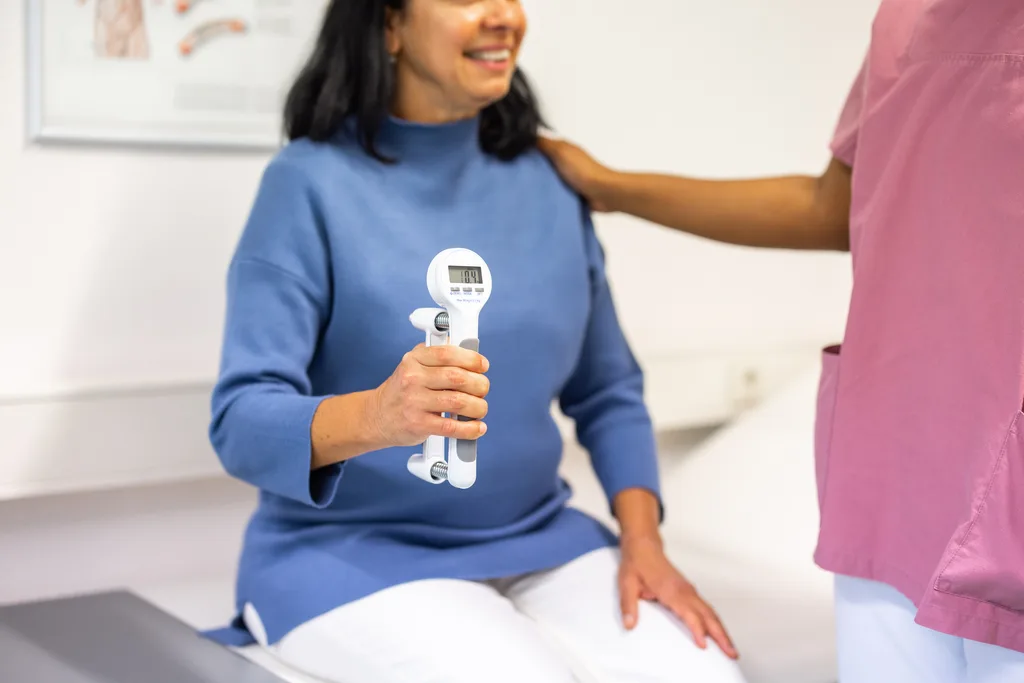
The results showed that individuals with low muscle strength had a 30% higher risk of any type of stroke, a 31% higher risk of ischemic stroke, and a 41% higher risk of hemorrhagic stroke. Lower grip strength, measured using a handheld grip test, was linked to a 7% higher risk of stroke, while a slow walking pace was associated with a 64% higher risk compared to a brisk walking pace.

Dr Lu-sha Tong, a neurologist and one of the study authors, highlighted that these simple physical markers are not currently included in standard stroke risk assessments. She explained that as people age, they often experience a loss of muscle strength and mass, which is linked to poorer physical health, chronic inflammation, and metabolic changes. These factors may contribute to an increased risk of stroke.
The Role of Muscle Health in Aging
Dr Tong noted that weak muscles may serve as an early warning sign of higher stroke risk. She emphasized that walking pace, in particular, could be a good indicator of overall health. While the study does not prove that weak muscles or a slow gait directly cause stroke, it adds to growing evidence that maintaining muscle health is crucial for healthy aging.
The researchers suggest that doctors could use quick, low-cost tests such as grip strength and walking speed to identify individuals who may need earlier prevention strategies.
Why Recognizing the Signs Matters
In Australia, stroke remains one of the leading causes of death, surpassing breast cancer in women and prostate cancer in men. According to the Stroke Foundation, there were an estimated 45,785 stroke events in 2023, including 34,793 first-ever strokes. That equates to one stroke occurring every 11 minutes.
However, the good news is that more than 80% of strokes can be prevented. Understanding risk factors and recognizing the signs of a stroke is therefore vital.
How to Detect a Stroke
One of the most effective ways to identify a stroke quickly is through the FAST test:
- Face: Check if their mouth has drooped.
- Arms: Ask them to lift both arms.
- Speech: Listen for slurred speech or difficulty understanding.
- Time: If any of these signs are present, call emergency services immediately.
Early recognition and prompt action can significantly improve outcomes for stroke patients.
This article originally appeared on The Australian Women’s Weekly.