A Family’s Reflection on Robert Walls’ Final Decision
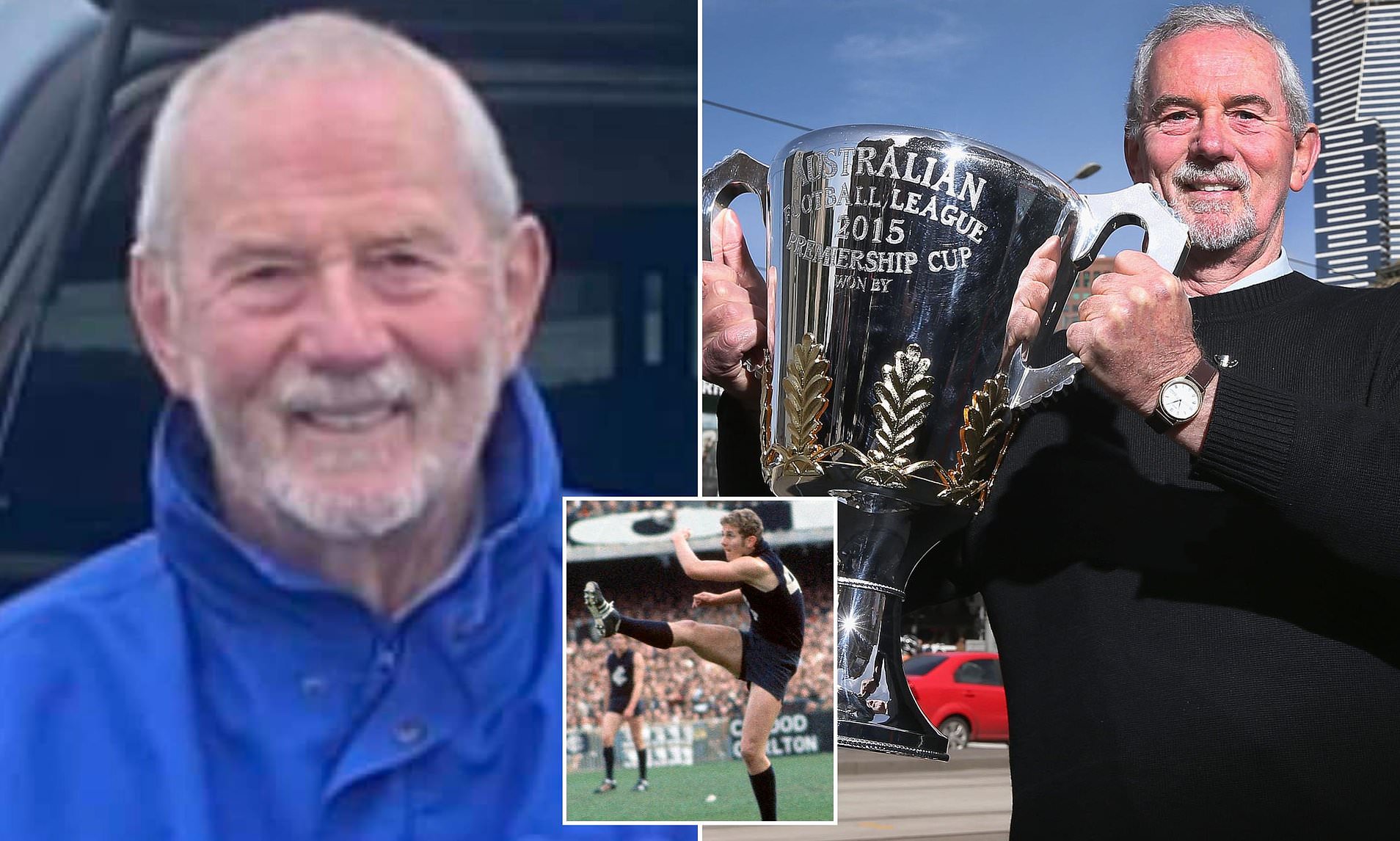
The family of Robert Walls has shared how the football icon made the decision to pursue voluntary assisted dying during his battle with blood cancer. Walls passed away on May 15, 2023, at the age of 74, choosing to end his life on his own terms.
A four-time premiership winner with Carlton, including one as head coach, Walls was diagnosed with acute lymphoblastic leukaemia in 2023. This rare and aggressive form of cancer affects the blood and bone marrow, leading to the overproduction of immature white blood cells called lymphocytes.
Walls did not want to spend his final months suffering, so he explored other options. One year after his passing, his son David reflected on his father’s life choices.
“His father always lived life his way,” David said. “He told me, ‘I’m not going to get old and decrepit.’ If there was an alternative [voluntary assisted dying], he would go down that path.”
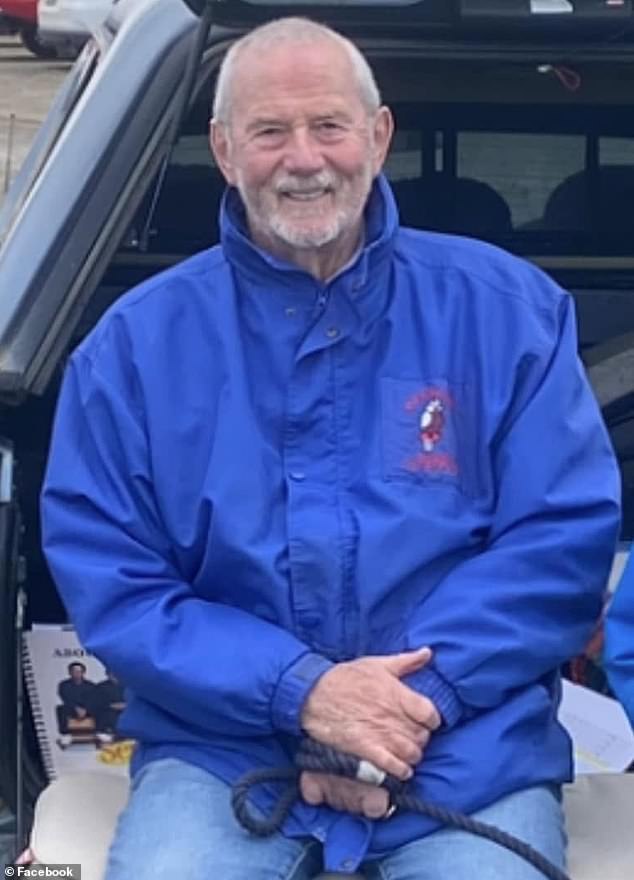
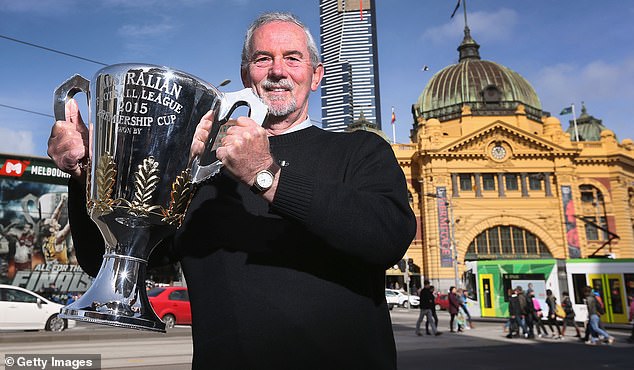
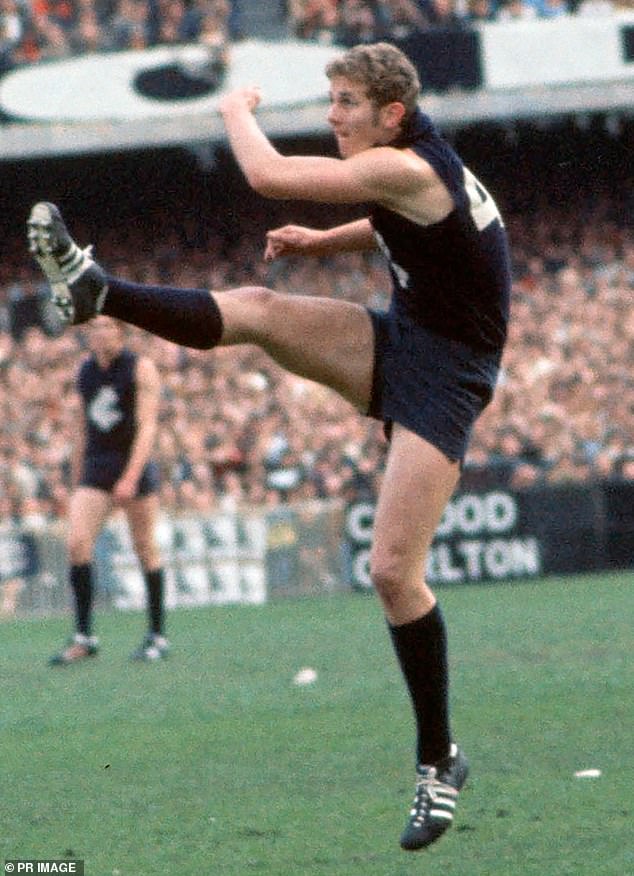
Walls’ sister Annette also shared that the football legend did not want his family to witness the suffering he was likely to endure as the cancer progressed. His wife, Erin, had previously passed away from lung cancer in 2006.
According to reports, Walls consumed a lethal drink under Victoria’s assisted dying laws. Close friends were aware of his plans in advance, allowing them to visit him before his passing. Among those who visited were former Sydney Swans coach Paul Roos and Carlton teammates Peter Jones and Geoff Southby.
A Legacy in Football and Media
Acute lymphoblastic leukaemia is a type of cancer that attacks the blood and bone marrow. It can be particularly challenging to treat, especially in older patients.
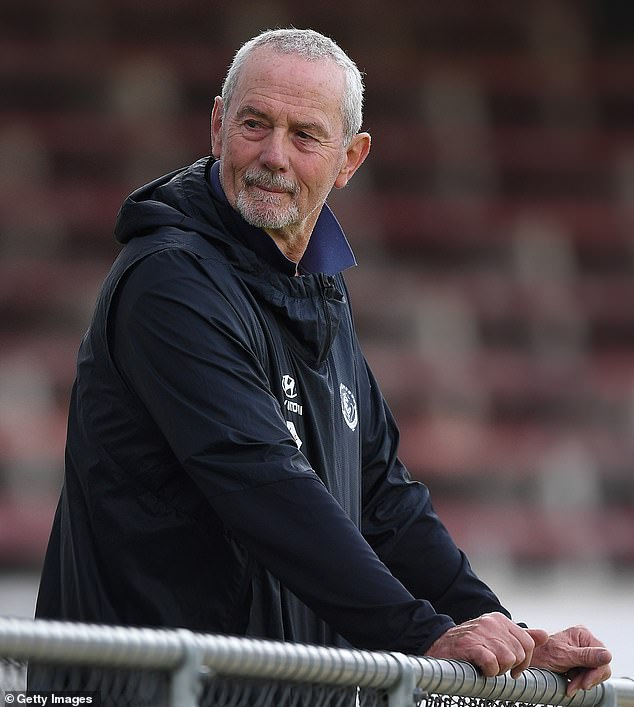
Walls’ career spanned six decades, during which he played for four clubs and served as a respected commentator across television, radio, and print. He was inducted into the AFL Life Member and Australian Football Hall of Fame.
Carlton Blues released a statement following his death, highlighting his contributions to the club. “But it was at Carlton that the AFL Life Member and Australian Football Hall of Fame inductee savoured his greatest individual and collective footballing moments.”
After retiring as a coach in 1999, Walls transitioned into the media, where he gained acclaim for his work with Seven, Ten, and Foxtel, as well as his writing for newspapers and radio.
A Leader with a No-Nonsense Approach
Walls was known for his straightforward personality and no-nonsense approach to coaching. He was a hard taskmaster who helped shape his teams into successful units.
His leadership during the Blues’ 1987 premiership season was particularly notable. The team had to overcome significant challenges, including the loss of Des English, who was diagnosed with leukaemia the year before, and the career-ending car accident that nearly killed Peter Motley.
Walls’ legacy continues to inspire those who knew him, both on and off the field. His decision to take control of his final days reflects the same strength and determination that defined his career.