The Debate Over a Roofed Stadium in Tasmania
Matthew Lloyd, a well-known figure in Australian football, has reignited discussions about the need for a roof on the new stadium in Tasmania. This comes as the Tassie Devils prepare to enter both the men’s and women’s competitions in 2028, sparking intense debate over the construction of a new stadium in Hobart.
The Hawks are set to face the Crows in Launceston on Thursday night, where frigid temperatures are expected to make scoring difficult. While the temperature at first bounce is predicted to be a relatively mild 9°C, a gentle northerly wind is expected to bring the feels-like temperature down to 6°C for players and fans alike.
By the time the game concludes, the ambient temperature is expected to drop to around 6°C, with a feels-like temperature of about 4°C. This harsh climate has raised concerns about the feasibility of hosting matches in such conditions, especially as the Tassie Devils will be based two and a half hours further south in Hobart, where the average low in July is just 4.3°C.

In 2019, snow began to fall late in the first quarter of a clash between the Giants and Hawks in Canberra. Although the mercury was at 4.7°C, the feels-like temperature dropped to -4.1°C. This event highlighted the challenges that teams and fans might face in cold weather conditions.
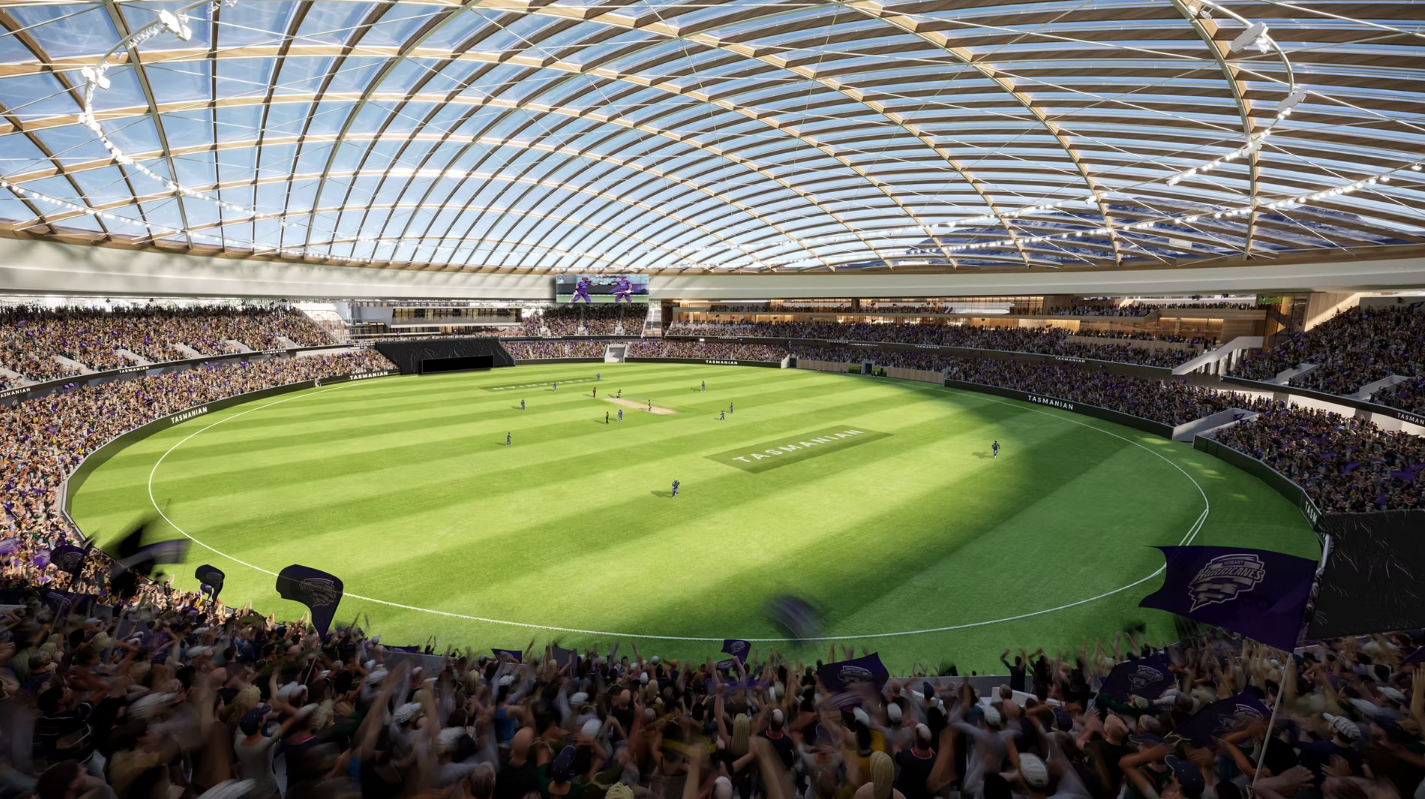
The $1.13 billion stadium, planned for construction at Macquarie Point on the western bank of the Derwent, has received approval from the Tasmanian state government. Two major construction companies are expected to bid for the tender, with Watpac, known for building the new One New Zealand stadium in Christchurch, being one of the potential bidders.
Residents in the area have voiced strong opposition to the project, citing concerns over the lack of public transport and related infrastructure around the precinct. Additionally, rival AFL clubs have expressed worries that rising fuel costs and supply issues could lead to cost blowouts and delays, potentially affecting the competition.
The construction of the stadium, including the inclusion of a roof, was a condition for the Devils receiving the AFL’s 19th licence. Several clubs have reportedly raised concerns that the AFL might be forced to reconsider this condition, either by removing the roof or scrapping the stadium altogether.
The stadium is scheduled for completion in 2030 and is expected to begin hosting AFL matches from 2031. As discussions continue, the question of whether a roof is necessary remains a central point of contention. With the Tassie Devils set to join the league, the need for a comfortable and functional venue becomes increasingly important. The decision on the stadium’s design will not only impact the team but also the fans who travel to watch the games in challenging weather conditions.