Rachel Ward’s Journey Through Ageing and Identity
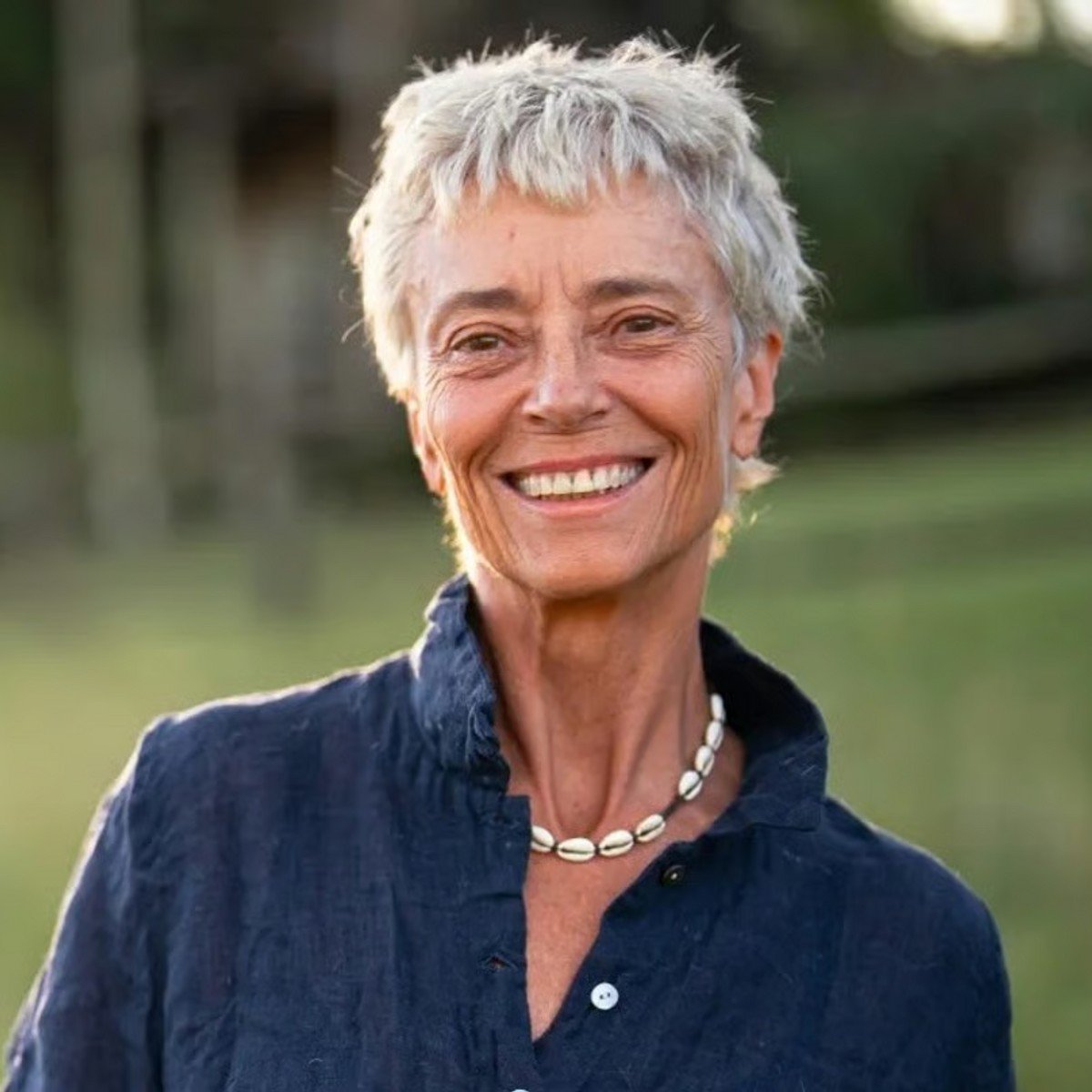
Late last year, Rachel Ward shared a short video on her Instagram account. The footage wasn’t dramatic or staged. She was standing on her farm, speaking about agriculture and sustainability. There was no studio lighting, no red carpet styling, and no attempt to hide the fact that she is now a woman in her sixties who has lived a long and public life.
But the reaction to the video quickly shifted away from what she was saying and onto something else entirely. Within hours, people were commenting on her face. On how she looked. On how she “used to look.” Some praised her for appearing natural and unfiltered. Others were far less generous. Over the days that followed, the conversation spreading across social media wasn’t really about farming at all. It was about ageing.
More specifically, it was about what happens when a woman who was once famous for her beauty grows older in public.
When Ward sat down with Kate Langbroek on No Filter in March, she reflected on the moment with a surprising amount of calm. Rather than treating the reaction as a personal attack, she said she recognises something bigger in the response.
“I don’t think it was really about me,” she told Langbroek. “I think I was a catalyst for a conversation people were wanting to have.”
That conversation, she said, is about the discomfort many people feel when women who were once held up as icons of beauty begin to look like the age they actually are.
Ward addressed the conversation again this week during an appearance on ABC’s Australian Story, admitting the trolls labelling her “old and decrepit” had only served to boost her social media following.
“The more wretched I looked, the more followers I have,” she joked.
“A few trolls were shocked about my grey hair, who maybe hadn’t seen me since I was 24 and then went, ‘Oh my God, that’s what you end up looking like.’”
Ward said she’s “so past caring” about what people think about her appearance or age.
“Why do we feel that we’ve got to pretend that we’re still 40 when we’re 68,” she said, adding, “I love this part of life. I’m more content now than I’ve ever been.”
For Ward, that tension has followed her for most of her adult life.
By the early 1980s, she had become one of the most recognisable faces in the world after starring in The Thorn Birds, the sweeping television miniseries that turned her into an international star. At the height of its popularity, she was everywhere: magazine covers, television interviews, film sets. The world had quickly decided who Rachel Ward was supposed to be.
She was beautiful.
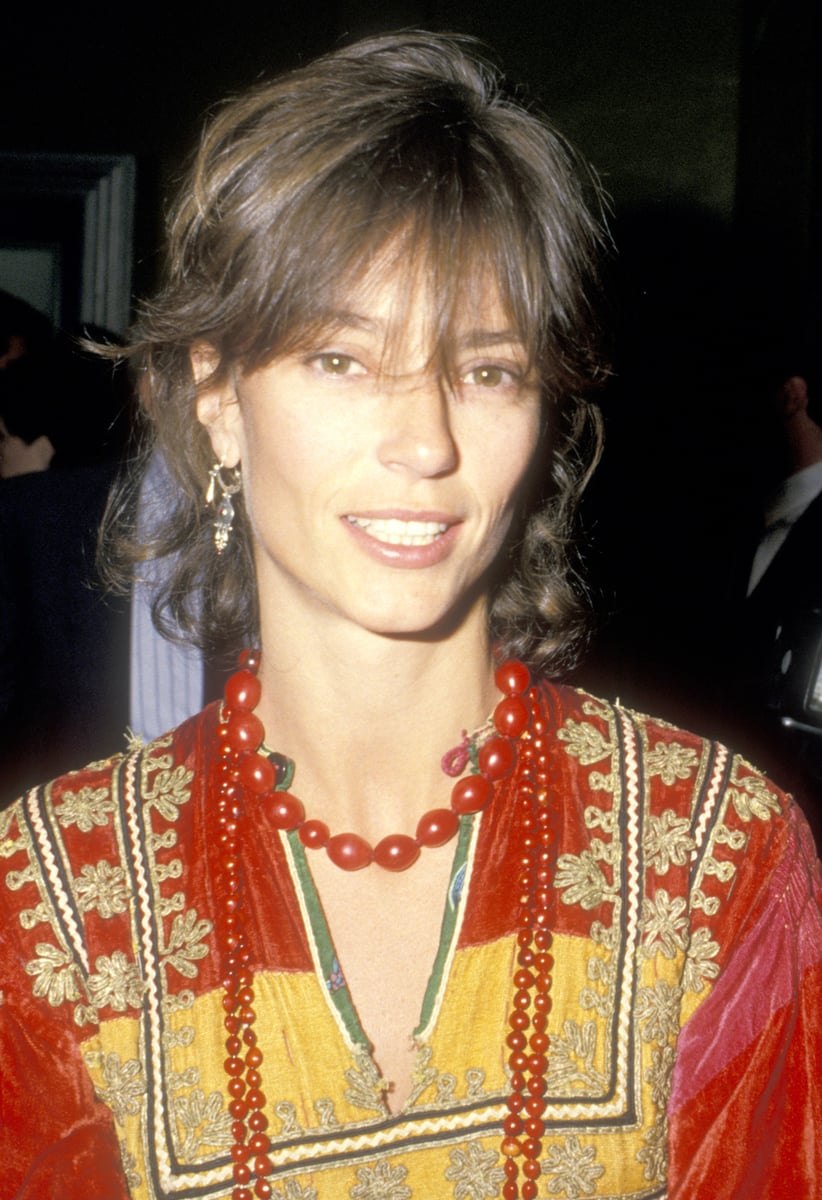
Rahcel Ward in 1987. Image: Getty.
Looking back now, Ward said glamour often functioned as a kind of currency in the industry she entered as a young woman. Beauty opened doors, but it also shaped how people understood you.
“You could be boring and glamorous and get away with it,” she told Langbroek. “You could be dumb if you were glamorous and get away with it.”
It was a strange contradiction. Appearance could launch a career, but it also created assumptions that were difficult to escape. Even when success followed, Ward said it could feel as though people were responding to an image rather than the person behind it.
One of the most talked-about moments of that era came when she posed for Playboy.
At the time, the photographs were widely discussed and debated. For a young actress already known for her beauty, the decision fed directly into the public fascination with her appearance. Like many women working in the entertainment industry during that period, Ward’s body became something the media felt entitled to analyse and interpret.
Looking back now, her feelings about that moment have shifted considerably.
Speaking about it with Langbroek, Ward reflected on how seriously it was treated at the time and how much weight people attached to it. Decades later, she sees it very differently.
“I should have been freer with my body,” she said on No Filter. “I realise now it wasn’t really a big deal.”
It’s an unexpectedly relaxed reflection from someone whose appearance has been scrutinised for most of her adult life. Rather than expressing embarrassment or regret, Ward seemed to view the moment simply as another chapter in the long and complicated relationship between women, their bodies and the expectations placed upon them.
Over time, her life moved in directions that had very little to do with Hollywood.
Ward’s career evolved from acting into directing, and her life in Australia with actor Bryan Brown gradually became the centre of her world. But the most significant shift arrived when the couple bought a farm on the mid-north coast of New South Wales. What began as a place to escape to with their children slowly grew into something much more important.
The landscape reminded Ward of the countryside she had known growing up in England. The work was physical, seasonal and completely different from the rhythms of the film industry. Over time, she became deeply involved in regenerative farming, an approach focused on soil health, biodiversity and sustainable food production.
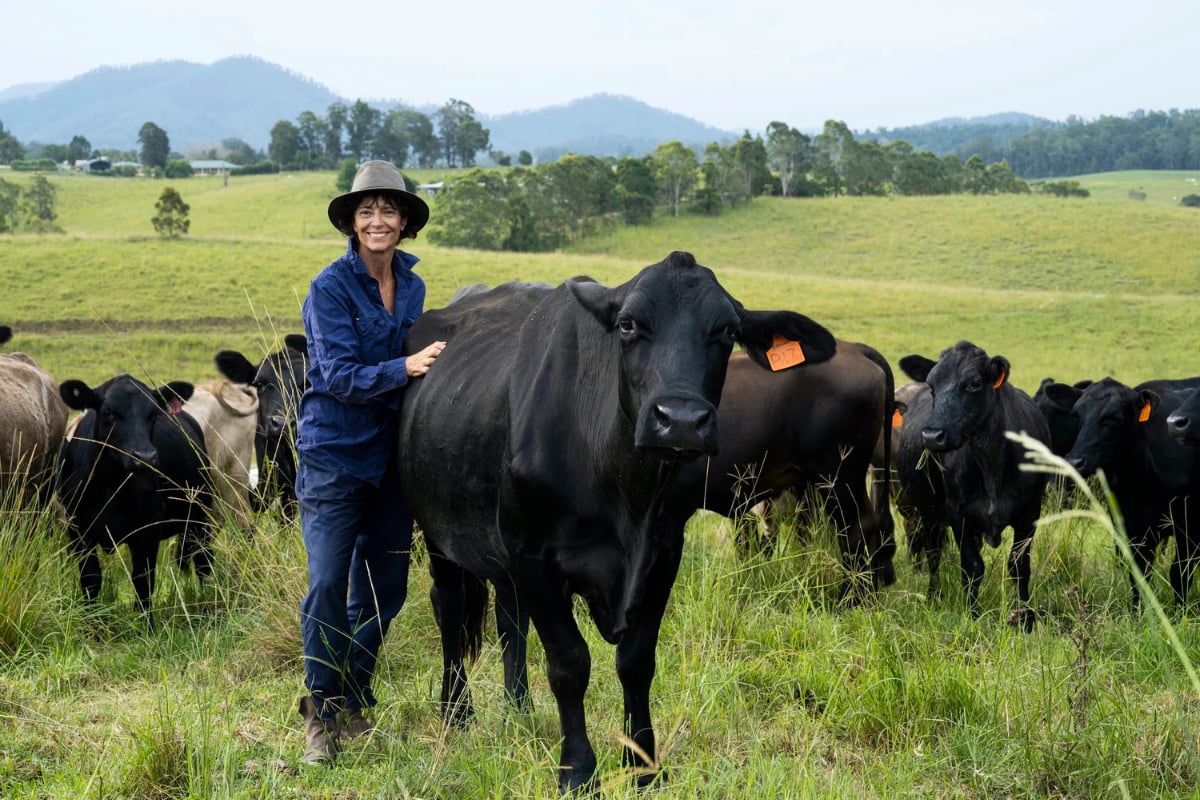
Image: Madman Entertainment.
The journey eventually became the subject of her documentary Rachel’s Farm, which follows her efforts to understand how land can be restored and managed in a more sustainable way.
Today, Ward speaks about farming with the same seriousness she once brought to acting. She believes strongly that people need to think more carefully about where their food comes from and how farmland is managed, not only for environmental reasons but for long-term human health.
But the path to this life hasn’t always been straightforward.
During her conversation on No Filter, Ward spoke candidly about her mental health and the periods she describes as “crumbles”. Despite the confidence people often associate with public figures, she said she has long struggled with anxiety and self-doubt.
“I’m someone who unravels quite easily,” she told Langbroek.
She described the internal chatter that sometimes tells her she will fail before she even begins something new. For many years, she has taken antidepressants, something she discussed openly and with genuine gratitude.
“I’m deeply grateful to them,” she said.
Listening to Rachel Ward now, what becomes clear is that her life has unfolded in distinct chapters. Acting, directing, farming — each phase arriving when the previous one no longer felt right. Rather than clinging to the version of herself the world first embraced, she has repeatedly chosen to move forward.
The entertainment industry, she says, can be particularly unforgiving when it comes to longevity.
“You spend a lot of time and energy getting somewhere,” she said on No Filter. “And suddenly it’s gone.”
Instead of fighting that shift, Ward did something many people in Hollywood struggle to do.
She walked away.
Which is perhaps why the viral video that reignited the conversation about her appearance now feels almost beside the point. The woman standing in that paddock wasn’t trying to recreate the version of Rachel Ward the world first fell in love with decades earlier. She was simply speaking about the work that now occupies her life.
Still, the reaction revealed something deeper about the culture watching her.
Women who were once celebrated for their beauty are often expected to perform a delicate balancing act as they grow older. They must remain recognisable but not “too” aged, natural but not visibly changed, glamorous but not artificial.
It is an impossible set of expectations.
Rachel Ward seems to have stepped outside that system entirely.
She farms. She talks about soil and sustainability. She appears exactly as she is now.
The internet may have rediscovered Rachel Ward through a viral conversation about ageing.
But the woman standing in that paddock is simply the latest version of someone who has spent her life deciding what comes next.
Feature image: ABC Australian Story.
Calling all skincare lovers!
Complete our 3 minute survey for a chance to win a $1,000 gift voucher in our quarterly draw!
Take survey →