A Suburban Home in Western Australia Faces Allegations of Neglect
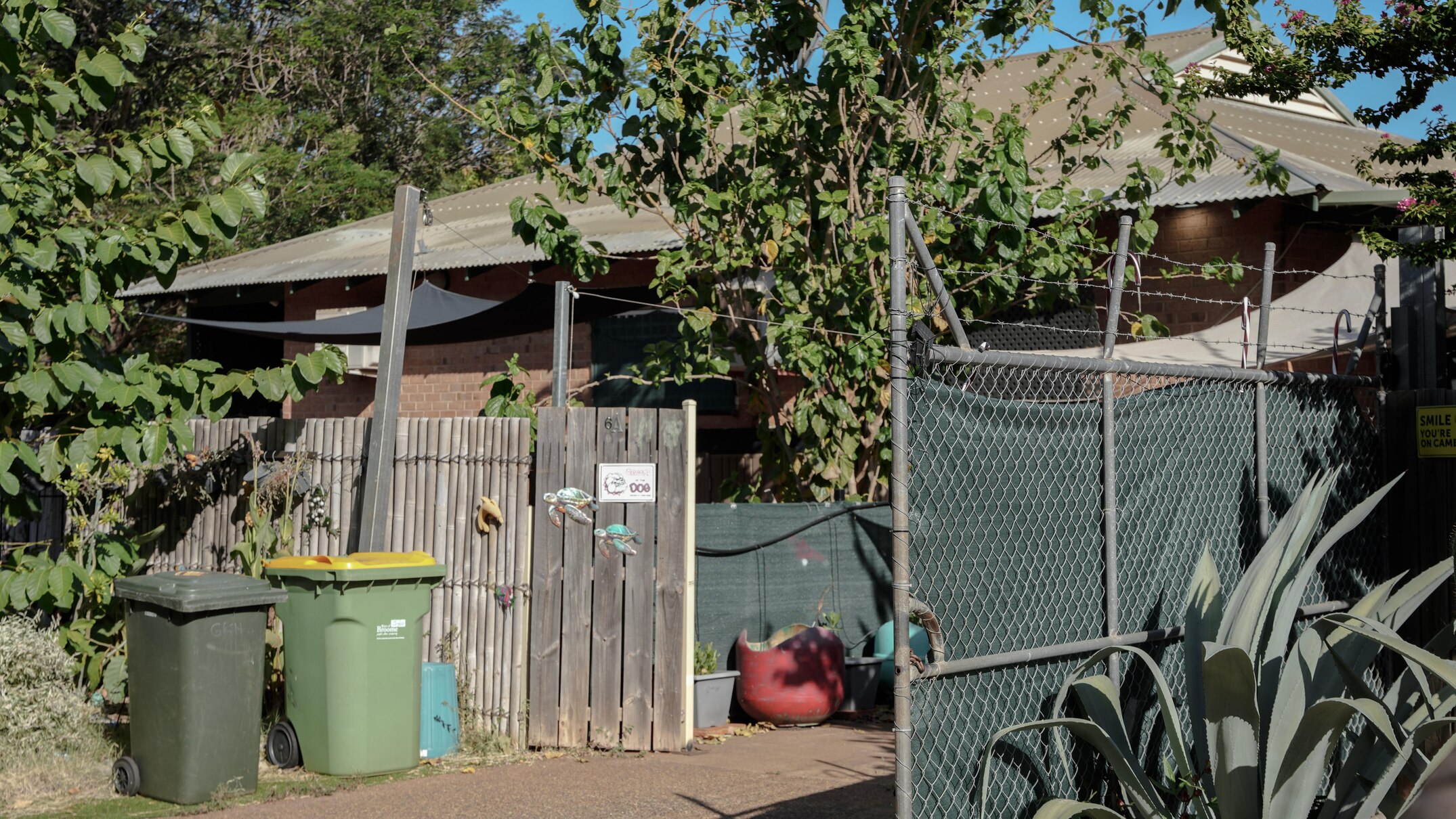
In a quiet cul-de-sac in the far north of Western Australia, a suburban home has become the focus of serious allegations regarding neglect. The property has functioned as a privately-run NDIS group home for individuals with disabilities in Broome for at least two years. Now, former staff members are coming forward with claims that the living conditions were unacceptable and that residents were not properly cared for.
Living Conditions and Staff Complaints
According to former worker Jesse, who spoke on the condition of anonymity, the situation was described as “inhumane.” The three-bedroom house reportedly housed at least six people, some of whom slept on mattresses on the floor. Residents were sometimes confined to a windowless back room, and the air-conditioning was limited despite temperatures often surpassing 30 degrees Celsius.
Jesse noted that it did not seem dignified for the participants. The house was owned by Perth-based Sarifah Seaman and operated by her NDIS provider, Building Dreams Services (BDS). It is one of many unregistered NDIS providers in the Kimberley region that do not face the same compliance and audit requirements as registered companies.
It remains unclear whether the Broome group home is still operational or how many people currently reside there.
Child Welfare Concerns
Former employees have also raised concerns about a child living at the property with her mother while another resident was using illicit drugs. According to Jesse, this resident was found to have syringes in her handbag. Another former employee, Jude, expressed fears that the child was in danger due to residents being “high and drunk” in the house.
Jude mentioned an altercation that occurred when the child was present at the house, stating, “A child should not be at a house like that.” Multiple workers told the ABC that the child stopped attending school and her mental health declined. Jesse noted that the child became less talkative and appeared withdrawn compared to when she first arrived.
The ABC reports that WA’s Child Protection Unit received concerns about the child’s welfare, and the mother and child have since left the premises. Ms. Seaman did not respond to questions from the ABC.
Medication Management Issues
Another major concern raised by former staff was the lack of a medication policy. This led to an elderly dialysis patient with limited mobility missing out on his medication. In documents seen by the ABC, staff had previously alerted Ms. Seaman about the man missing several doses over a couple of months.
Former staffer *Alex claimed that the lack of organization around medication resulted in failures by other staff members. They stated, “They weren’t monitoring the medication, going to the clinic. They just weren’t doing the right thing.”
Photographs of unopened medication packets showed that the man’s morning dose included medication for epilepsy, high blood pressure, high cholesterol, and nerve pain.
Financial and Restrictive Practices
Residents were charged $500 a fortnight by Ms. Seaman to stay at the house, which covered food and bills except for electricity. However, former staff alleged that Ms. Seaman often did not purchase enough food. At one point, locks were installed on fridges because she believed residents were “eating too much food.”
In a report seen by the ABC, another NDIS service provider raised concerns about the front gates being locked from 10pm to 6am. Jude described the house as “a prison” where residents felt “trapped.” They claimed that the belief that keeping them in was keeping them safe was actually a form of restrictive practice.
Ongoing Investigations and Regulatory Changes
The ABC has seen a detailed complaint sent to the NDIS Quality and Safeguards Commission in February 2026, detailing allegations of medical mismanagement, lack of child safety, and unauthorized restrictive practices. Initially, the commission closed the complaint with no action taken. However, following queries by the ABC, the complaint is now being reviewed and re-assessed.
As part of the federal government’s crackdown announced this month, it is looking to regulate all providers under a tiered, risk-based registration model. Ms. Seaman initially agreed to an interview with the ABC but later declined and did not respond to written questions.
*Names have been changed in this article to protect the identities of former BDS staff.