
A Story of Back Pain and Cancer Diagnosis
A couple from Warragul has shared their experience of enduring persistent back pain, which they initially dismissed as a common issue, only to later discover they had both been diagnosed with cancer. Phil and Robyn Neven’s story highlights the importance of recognizing early symptoms and seeking timely medical attention.
Phil, 75, experienced lower back pain that he initially attributed to kidney stones, something he had dealt with before. He underwent several tests, but nothing was found. Later, he developed a urinary tract infection (UTI) that left him feeling unwell and experiencing pain during urination. However, this was eventually treated.
One day, Phil noticed blood in his urine. Although it was painless, he was alarmed and took a sample to the doctor. His diagnosis came as a shock: bladder cancer. Phil admitted that he had never considered that his back pain could be related to such a serious condition.
“I thought I had a bad back, but it was brewing away without me knowing it,” Phil said. His cancer had likely been developing for months, given the long history of back pain.


After being diagnosed, Phil’s wife, Robyn, also began experiencing lower back pain. She was diagnosed with bladder cancer in February and underwent chemotherapy and initial treatments throughout the year. Five months ago, Phil had surgery to remove his bladder, prostate, and lymph nodes. Robyn recently had similar surgery for her bladder cancer, and both procedures were successful.
Despite living with a stoma, which involves an abdominal opening and a bag, Phil is grateful to be alive. He described it as “better than being dead.” Both he and Robyn feel fortunate, especially considering the challenges associated with bladder cancer.
Bladder cancer is the 11th most commonly diagnosed cancer in Australia, with over 3,300 new cases recorded in 2025, compared to about 3,000 in 2021. Men are three times more likely to be diagnosed than women. Despite advancements in cancer treatment, the five-year survival rate for bladder cancer has declined slightly over the past few decades.
Early detection is crucial, as bladder cancer can become aggressive when it affects the muscle layer of the bladder. Symptoms to watch for include blood in the urine, increased frequency of urination, a burning sensation during urination, and pain in the pelvis, lower abdomen, or lower back.
Common risk factors for bladder cancer include smoking, older age, exposure to certain industrial chemicals, family history, and a history of chronic urinary tract infections. Phil admitted that he and his wife had a combined 100 years of smoking.
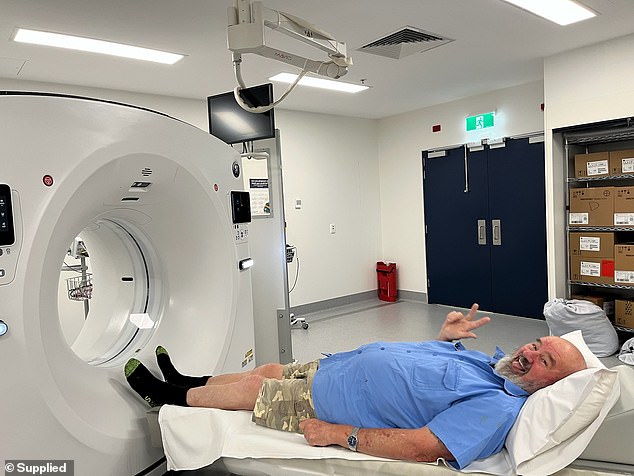

Associate Professor Weranja Ranasinghe emphasized the importance of not dismissing blood in the urine as a minor issue. He noted that researchers are still unsure why men are more prone to bladder cancer than women. According to the professor, survival rates drop significantly once the cancer spreads beyond the muscle layer.
“If you pick it up early, and it’s limited to the inner lining of the bladder, a lot of the times it can be treated,” he said. The presence of blood in the urine can indicate that a tumour has grown into the inner lining of the bladder, which is in contact with the urine.
For now, Phil and Robyn seem to be on the road to recovery. Phil expressed gratitude for being born in Australia, where treatment for bladder cancer is more accessible and affordable. He mentioned needing 12 immune-boosting shots this year, each costing $9,000. He questioned how many other countries would provide such care, especially for someone who might be seen as a burden on the system.