Understanding Polyphenols and Their Health Benefits
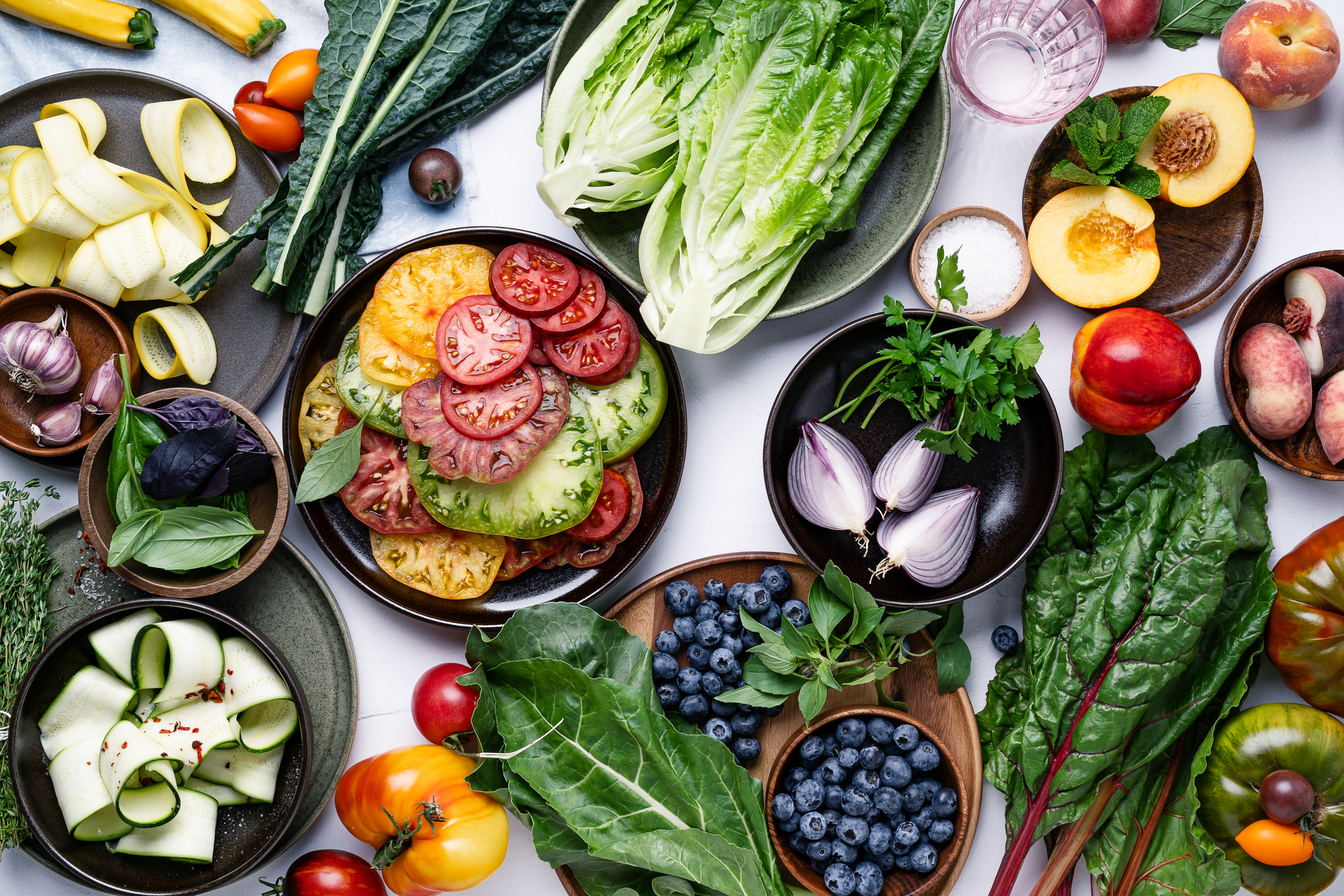
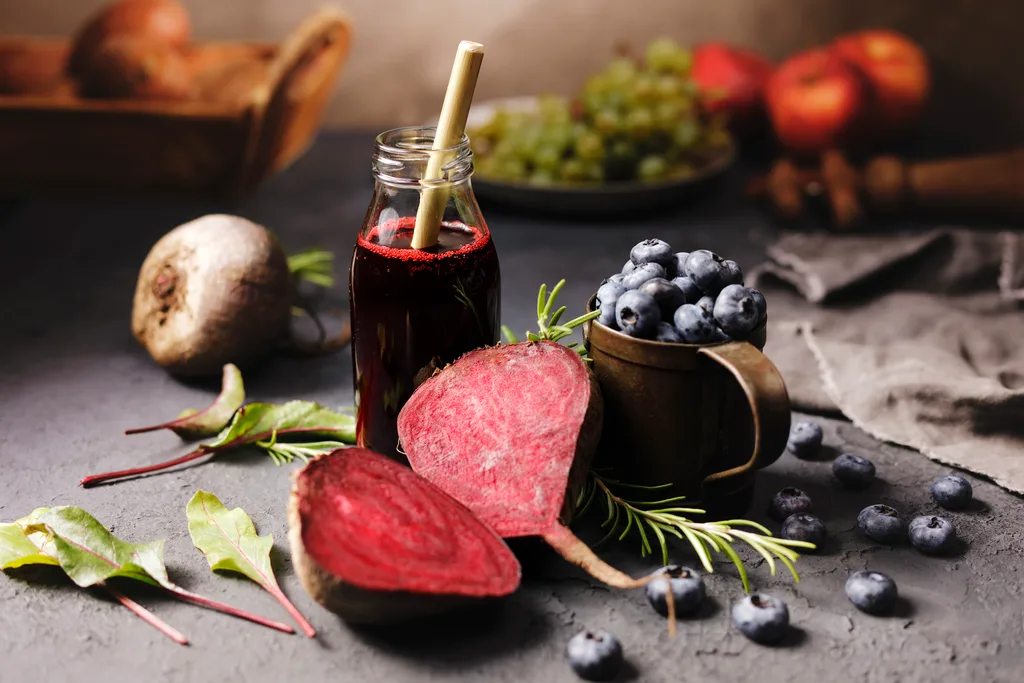
From beetroots and blueberries to tomatoes and tea, dark leafy greens and even chocolate, there is a growing body of evidence that these colorful plant foods offer significant nutritional benefits. Central to these benefits are natural chemicals known as polyphenols.
“Plants live a tough life – they have to survive the sun, being eaten by animals and insects, and various plant diseases. Natural compounds or chemicals called phytonutrients help them survive,” explains Clare Collins, Laureate Professor in Nutrition & Dietetics at the University of Newcastle. “The biggest group of phytonutrients is polyphenols, and when we eat them, they become active in our bodies too. They have positive effects including settling inflammation, helping our blood vessels to relax, and supporting our heart, brain, and kidney health.”
What Are Polyphenols?
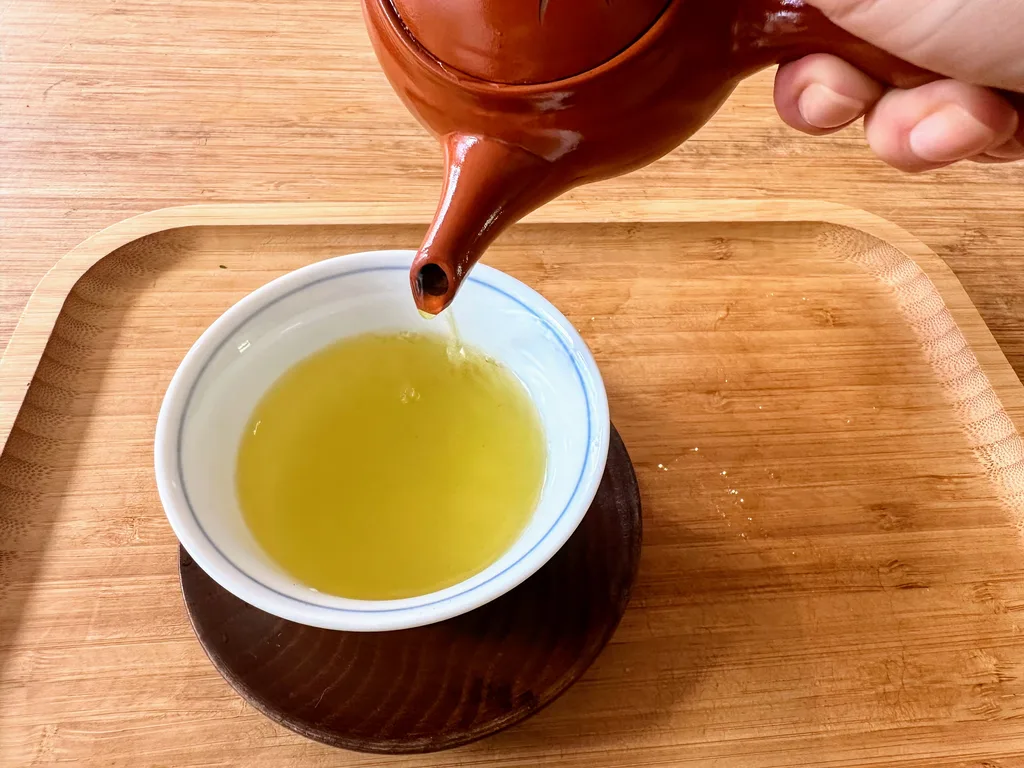
Natural polyphenols with antioxidant and anti-inflammatory properties are most abundant in fruits and vegetables, whole grains, nuts, tea, coffee, extra virgin olive oil, cocoa, herbs, and spices. “Polyphenols play an important role in our health,” agrees Nadine Ghammachi, Research Dietitian at The George Institute for Global Health. “Growing evidence suggests polyphenol-rich foods may help protect against neurodegenerative diseases, inflammation, various cancers, cardiovascular diseases, type 2 diabetes, and obesity.”
Brain Health and Natural Balance
Polyphenols found in foods such as turmeric, grapes, and green tea may help protect our brain cells from damage, irritation, and deterioration. This may lead to better memory function and, importantly, may reduce the build-up of harmful brain proteins such as amyloid-beta and tau that are linked to diseases like Alzheimer’s, says Nadine.
“Polyphenols may also help reduce inflammation in the body by supporting the natural balance between damaging and protective compounds. This is important because long-lasting, low-grade inflammation is linked with many chronic diseases,” she adds.

Reducing Cancer Risk
Settling inflammation before it gets out of control appears to be a key role of polyphenols – and it’s a vital one in reducing the risk of developing some cancers. “Inflammation is like a crowd getting out of control. The most troublesome characters in the crowd are the reactive oxidative species. Polyphenols put an airbag around those troublemakers and stop them causing damage,” says Clare Collins. “Because if inflammation processes continue in the body uncontrolled, they can damage your DNA, and that can make a cell go out of control and become carcinogenic. Research shows some polyphenols have an anti-cancer effect by making cancer cells implode.”

The ‘Chill Out’ Chemical
Polyphenols also promote healthy blood vessels and arteries and support healthy blood pressure and blood flow. A recent 10-year study led by King’s College London found that people who regularly ate polyphenols had healthier blood pressure and cholesterol levels and a lower risk of cardiovascular disease.
“Our findings show that long-term adherence to polyphenol-rich diets can substantially slow the rise in cardiovascular risk as people age,” reported Professor Ana Rodriguez-Mateos, Professor of Human Nutrition at King’s College London. “Even small, sustained shifts towards foods like berries, tea, coffee, nuts, and whole grains may help protect the heart over time.”
Nikita Muller, Senior Food and Nutrition Adviser at the Heart Foundation, says polyphenols act like cell bodyguards that neutralise wear and tear, also known as oxidative stress. “They dial down bad cholesterol, help the body manage glucose and support blood vessels and arteries to function. They improve flexibility so our blood can pump more effectively across our body,” she says.
Weight Control and Diabetes
There’s also ample research that eating a polyphenol-rich diet can have a positive effect on weight control and the risk of developing type 2 diabetes. Diabetes Australia explains that polyphenols protect against the kind of oxidative stress which compounds insulin resistance and damages cells in the pancreas that make insulin.
And in terms of weight control, a study from Spain’s Bellvitge Biomedical Research Institute and the Catalan Institute of Oncology involving 350,000 people looked at the link between polyphenol intake and body-weight changes. The research found that people who ate more polyphenols better maintained their weight, or gained less weight, than people who ate fewer polyphenol-containing foods.
“Compounds in green tea, grapes, and turmeric may support weight management by helping the body burn more fat, make less new fat, and reduce inflammation linked with weight gain,” says Nadine. “Some polyphenols also slow the digestion of fats and starches, which may reduce how many calories are absorbed.”
Clare says dedicating a little time each day to ensure our diet contains plenty of polyphenols is time well spent and an investment in our current and future health. “You don’t have to achieve this overnight, but gradually adding more polyphenols to your diet can have a protective effect on your overall health. Polyphenols are nature’s medicine chest and they work on our behalf to protect us. Eat them and they can nourish and protect your body from the inside out.”
How to Eat More Polyphenols
So, what foods should be part of your regular diet to boost your polyphenol count?
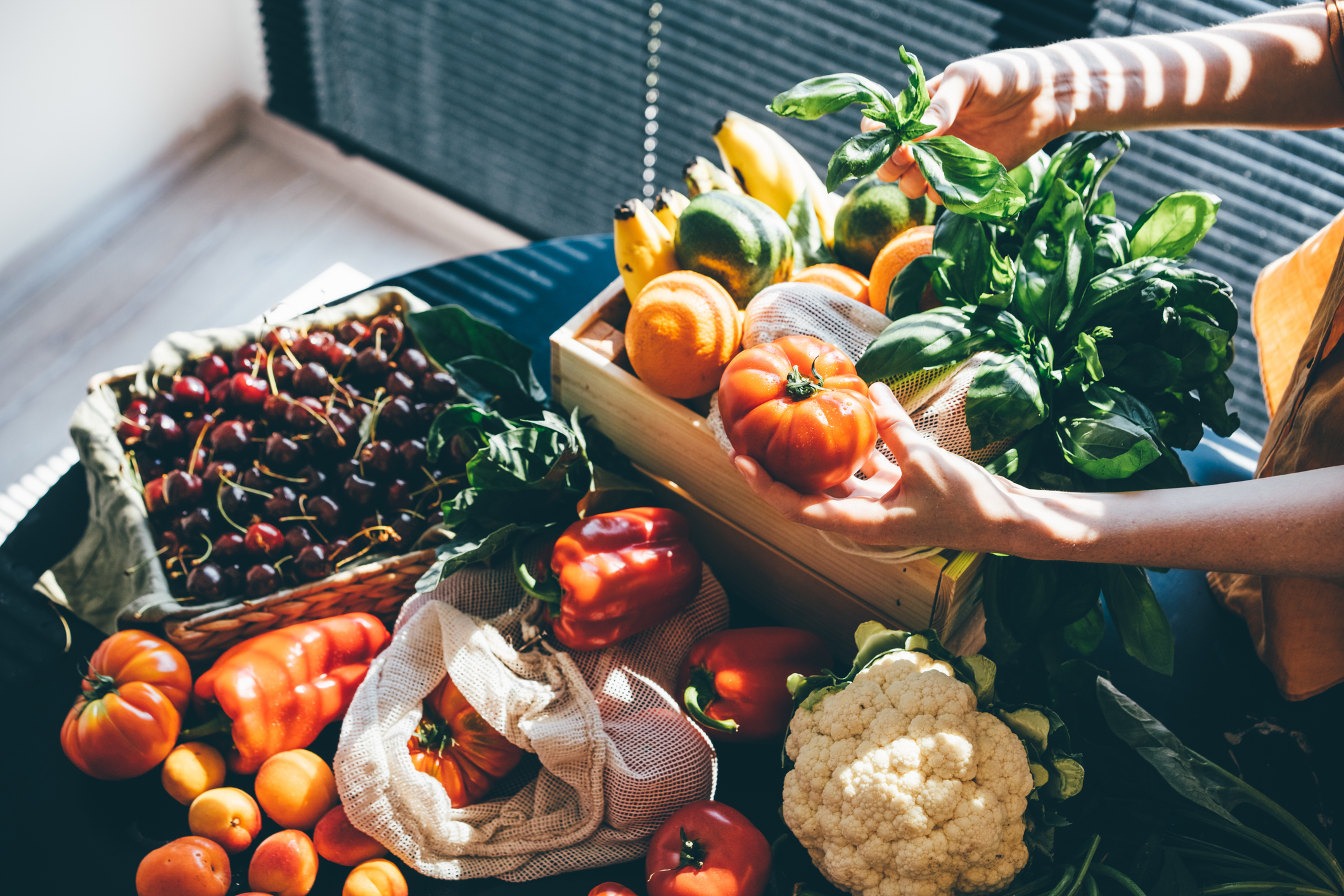
Apples; artichokes; beetroot; black tea; blackberries; blackcurrants; blueberries; capers; capsicum; cherries; cloves; cocoa powder; coffee; dark chocolate; dark leafy greens; extra virgin olive oil; flaxseed; grapefruit; grapes; green tea; legumes; nuts; olives; onions; oranges; oregano; peppermint; plums; prunes; raspberries; red lettuce; red wine; rosemary; sage; soy foods; spinach; strawberries; thyme; tomatoes; turmeric, and wholegrain bread.
“Include at least one cup of deeply coloured fruit or veg at two meals,” says Nadine Ghammachi. “So have berries with your breakfast, and a side of spinach and red onion at lunch or dinner. Swap a sugary drink with a cup of black or green tea and use herbs or spices and a small amount of extra virgin olive oil to flavour food. Add oregano or rosemary to vegetables and sprinkle cinnamon on oats.”
Does It Matter How You Prepare Your Plant Foods?
Generally, the more water and heat you use to cook foods containing polyphenols, the more nutrients you lose. “Eat fresh fruits and have a mix of raw and cooked vegetables. Vary cooking methods by microwaving vegetables or using them in a stir fry or salad,” suggests Clare Collins. “Use fresh herbs and spices with olive oil and lemon juice to make pesto or make a salad crunch with wholegrain bread, nuts, and seeds. Brown in the oven for 10 minutes and then blend. Add some chilli powder and sprinkle over salads for crunch – and to boost polyphenols.”