NASA has revealed a new destination for future holidays – the Moon. The US space agency recently shared new details about its planned lunar outpost in the South Pole, which is expected to be constructed by 2032. In concept images, astronauts are depicted hopping across the Moon’s rugged surface, driving sleek buggies toward Tic Tac-shaped structures.
The plans for the base, which would be powered by nuclear and solar energy, were initially announced in March. NASA administrator Jared Isaacman emphasized the challenges of this endeavor during a press conference, stating, “America is returning to the moon.” He highlighted that the combined extravehicular activity time from all Apollo missions was only 80 hours, more than half a century ago.
The $20 billion (approximately £15 billion) facility represents a significant step toward NASA’s goal of establishing humanity’s first foothold beyond Earth.
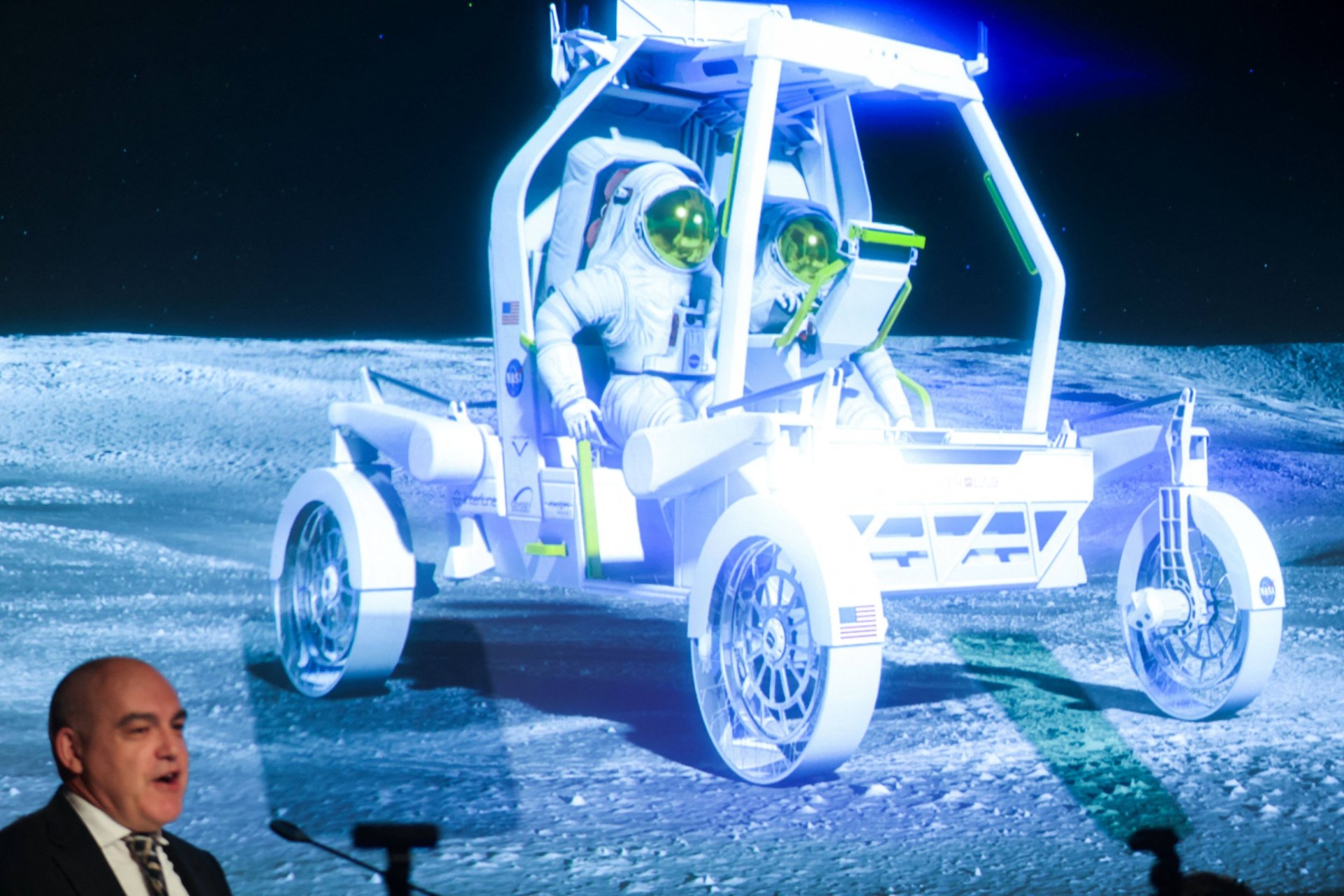
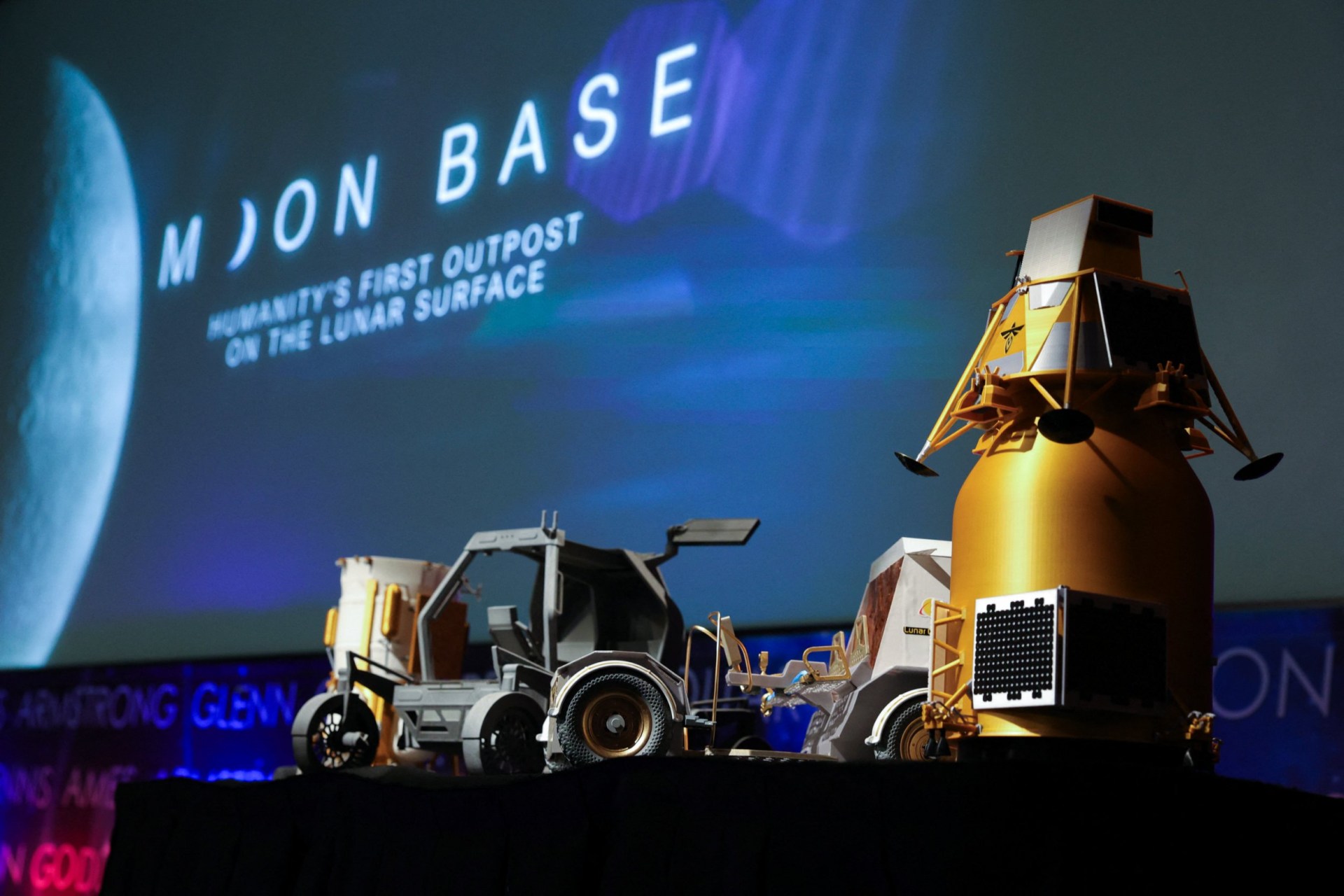
Isaacman, a billionaire entrepreneur who has traveled to low-Earth orbit on two space missions he funded, has his sights set on Mars. “Our aim is to create an environment where we can work with water and ice, mastering the skills needed for our next destination, which is Mars,” he said. “It would be ideal to do this when you’re four days away from home, rather than many months.”
He mentioned that the lunar outpost will be one of several, adding, “Cave exploration has been part of our astronaut training at various times.” Isaacman also envisions building a “lunar economy.” “I don’t think we’ll achieve the space-faring world we imagined as children reading science fiction books if it’s perpetually funded by taxpayers,” he added.
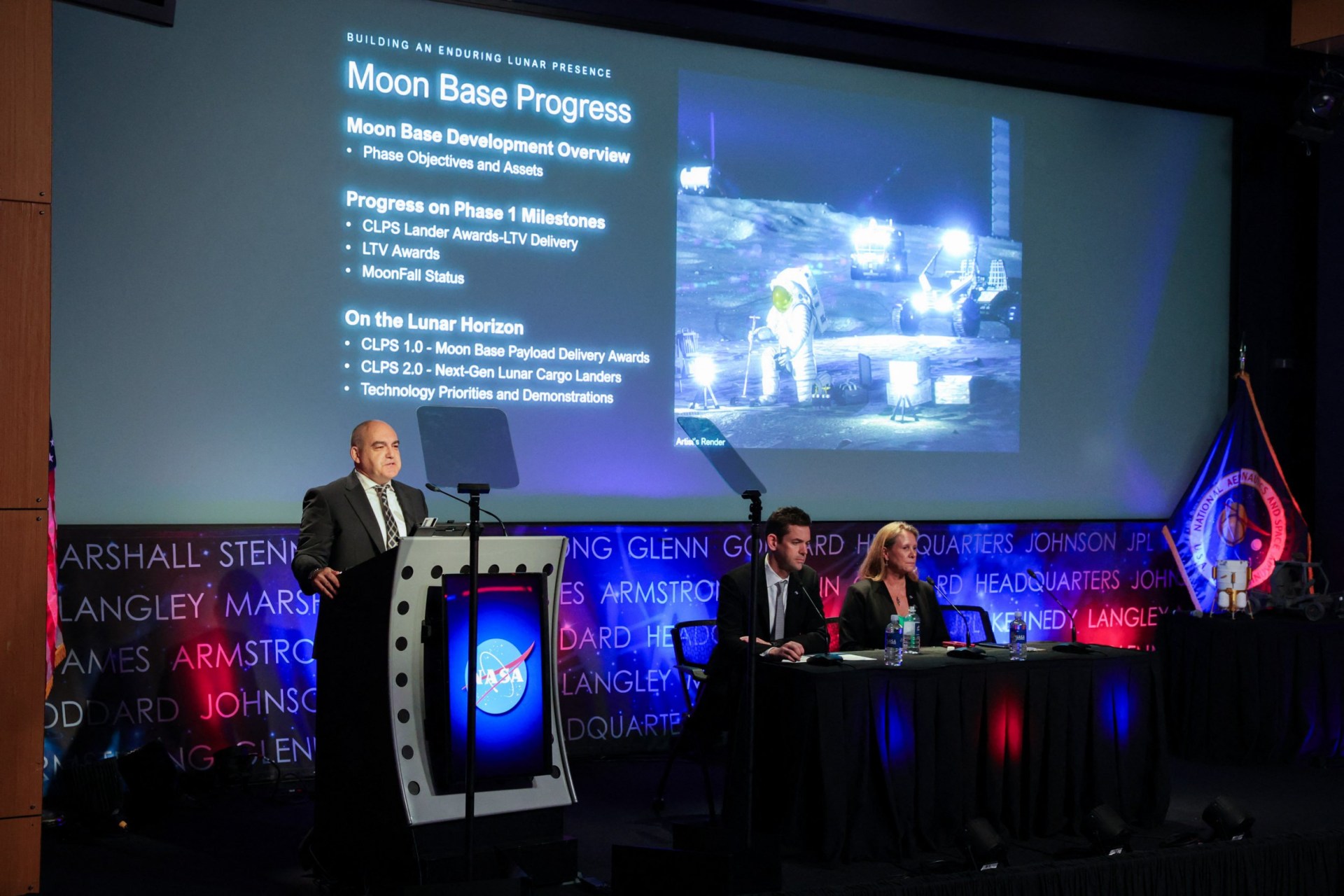
When could the moon base become a reality? The construction of the moon base is divided into three phases. “We are not jumping straight into a glass dome moon base,” Isaacman explained. “Because the moon base is as beautiful as it is hostile,” he added, noting that temperatures on the Moon range from 250°C in the sun to -250°C at night due to the lack of atmosphere.
Phase one, which has already begun with missions like Artemis II, will involve sending humans to the lunar surface for the first time since the Apollo 17 mission in 1972. Scientists will conduct research and lay the groundwork for the base through 25 launches and 21 landings.
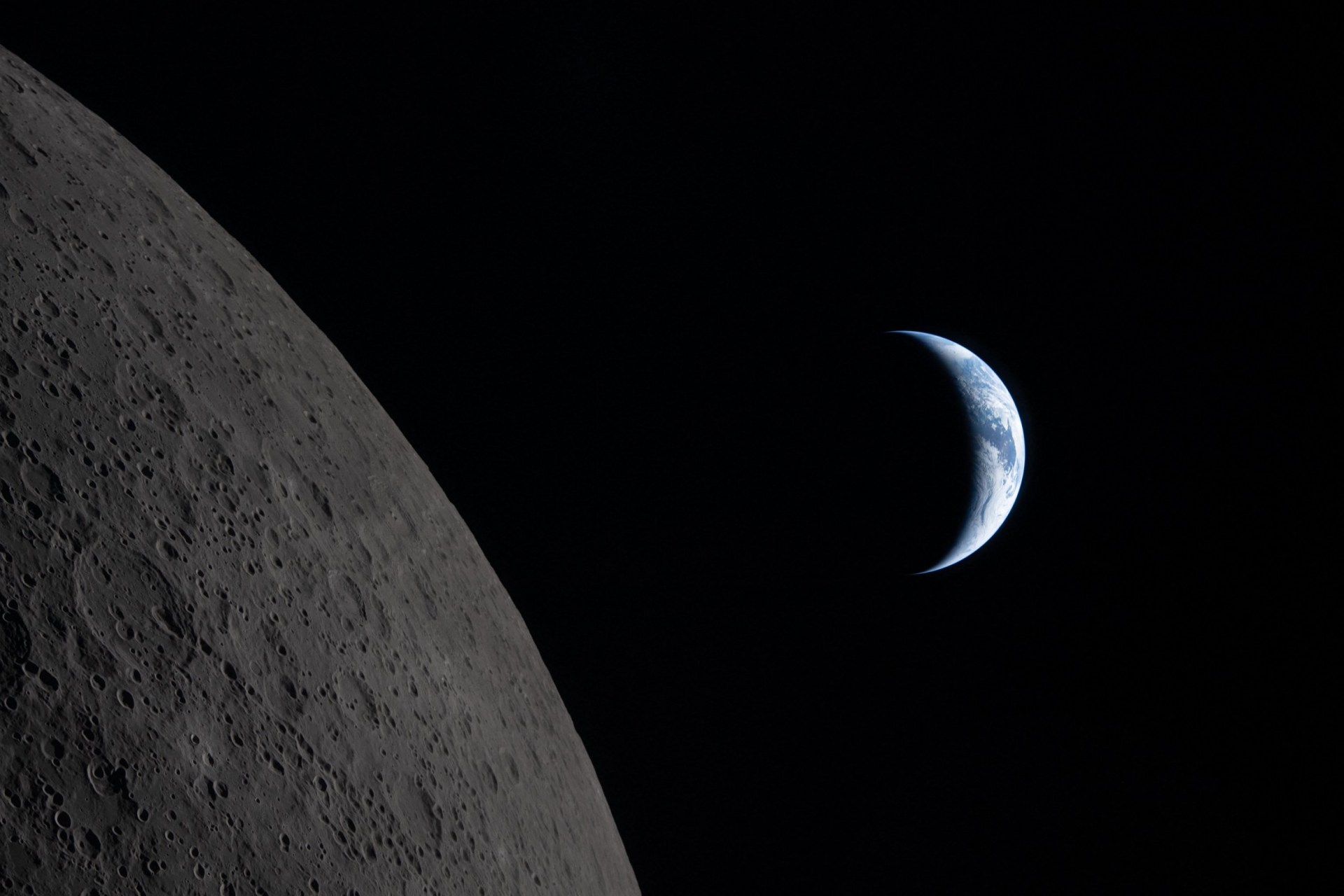
During phase two, between 2029 and 2032, NASA will build the infrastructure required to support long-duration missions. Phase three, starting in 2032, will focus on increasing the number of launches so that there are always people on the Moon, similar to the International Space Station.
Dr. Megan Argo, a reader in astrophysics at the University of Lancashire, stated that the water found on the Moon’s South Pole could provide insights into how life began on Earth. “NASA’s announcement isn’t just a scientific development but also about strategy and influence,” she added. “As more countries pursue lunar missions, competition intensifies to establish operations in the most valuable regions of the Moon first.”