The Impact of Short-Term Air Pollution Exposure on the Brain and Lungs
New research has revealed that even a single hour of exposure to polluted air can significantly affect how the brain and lungs function. This finding highlights the urgent need for further investigation into the effects of air pollution, particularly on cognitive and respiratory health.
Air pollution, especially particulate matter (PM), has long been associated with various health issues, including asthma and several types of cancer. In a recent study, healthy adults were exposed to five different air types for one hour: clean air, limonene SOA (a citrus fragrance commonly used in cleaning products), diesel exhaust, woodsmoke, and cooking emissions. After an hour, participants had a four-hour break before undergoing tests measuring lung function, working memory, attention, emotion processing, psychomotor control, and motor function.
The results showed that the greatest respiratory impact was observed in individuals exposed to limonene, followed by woodsmoke, diesel exhaust, and cooking emissions. When it came to cognitive performance, diesel exhaust demonstrated the strongest negative effect on executive function, which is responsible for planning, focused attention, and emotional regulation. This could be due to nitrogen oxides in the pollutant altering blood flow to the brain, thereby impairing daily functioning.
Although the exposure duration was only one hour, the researchers warned that repeated exposure could lead to permanent cognitive issues and other health risks, such as cancer.
Dr Thomas Faherty, lead study author and post-doctoral researcher at the University of Birmingham in the UK, emphasized the importance of understanding the lung-brain axis in response to air pollution. “Safely exposing the same individuals to multiple real-world pollution mixtures allowed us to detect differences between pollutants, demonstrating the value of this approach for further pollution-dementia research.”
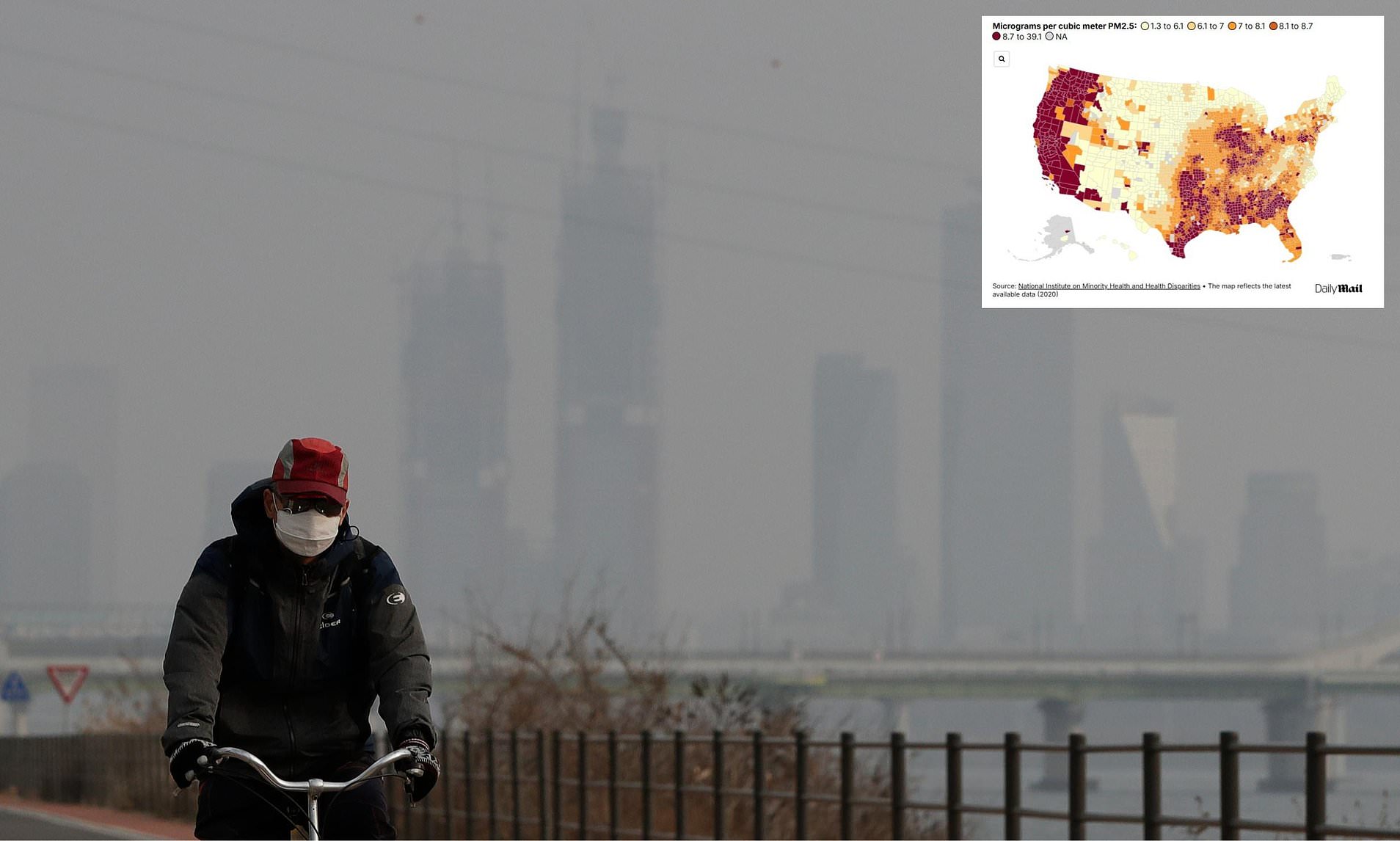
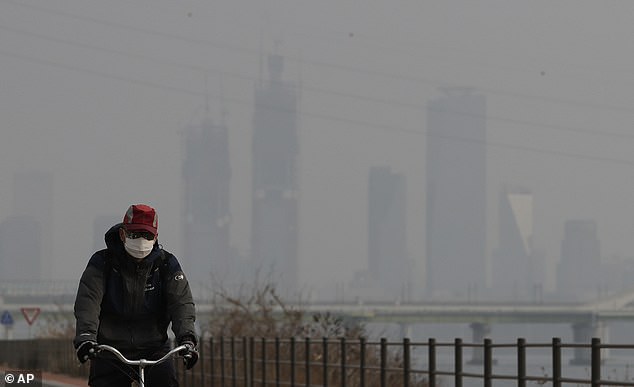
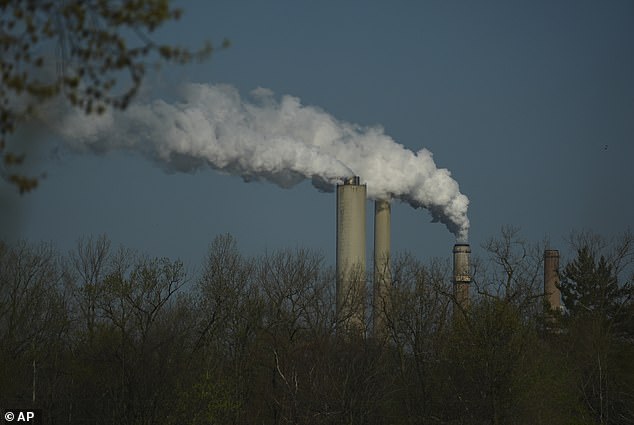
Particulate matter consists of microscopic particles from sources like car exhaust, power plants, wildfires, and fuel burning. These tiny particles can penetrate deep into lung tissue and even enter the bloodstream. Once in the bloodstream, they cause inflammation, constrict blood vessels, increase blood pressure, and promote artery-narrowing plaque. Additionally, they trigger oxidative stress, which can damage cells, mitochondria, and DNA.
Previous studies have linked fine particulate matter (PM2.5) to dementia. A February study found that for every small increase in PM2.5, the risk of Alzheimer’s disease rose by nearly nine percent.
Experts estimate that around 150 million Americans are regularly exposed to environmental pollution. In the new study from the University of Birmingham, researchers recruited 15 healthy adults over the age of 50. These participants did not have dementia but had a family history of the disease, increasing their overall risk. The average participant age was 60, and 62% were men. All participants were white.
Participants were educated about the four pollution exposure mixtures and clean air but were unaware of the order in which they were exposed. After each exposure, they were asked to identify which condition they experienced, providing a confidence rating between 1 (not at all confident) and 5 (completely confident).
The study found that limonene aerosol exposure reduced lung function by 3.4%, followed closely by 2.6% in woodsmoke exposure. Diesel exhaust exposure also led to small reductions in executive function, measurable through tasks like copying shapes and word recall.
Gordon McFiggans, study author and professor of atmospheric sciences at the University of Manchester in the UK, noted that even though the pollution mixtures contained similar levels of particulate matter, the responses varied significantly. “Instead, each pollution source produced its own pattern of short-term changes in the lungs and the brain. This tells us that the body doesn’t respond to all air pollution in the same way, the source and composition of the pollution really matter.”
The team highlighted the need for more research on the long-term effects of exposure to different types of particulate matter. Such research could inform legislation and other measures aimed at protecting vulnerable populations.