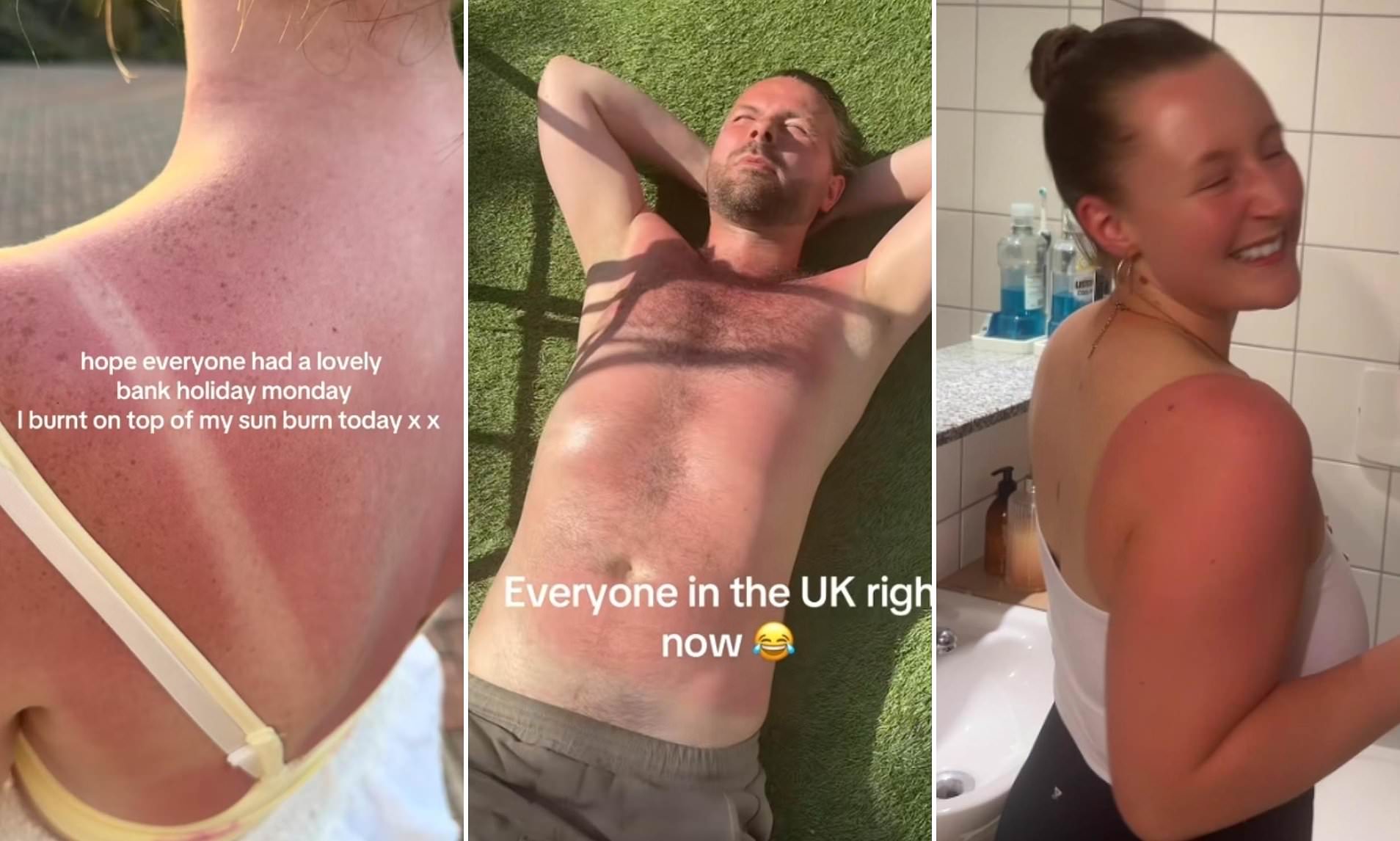
Heatwave and Sunburn: A Warning from the UK
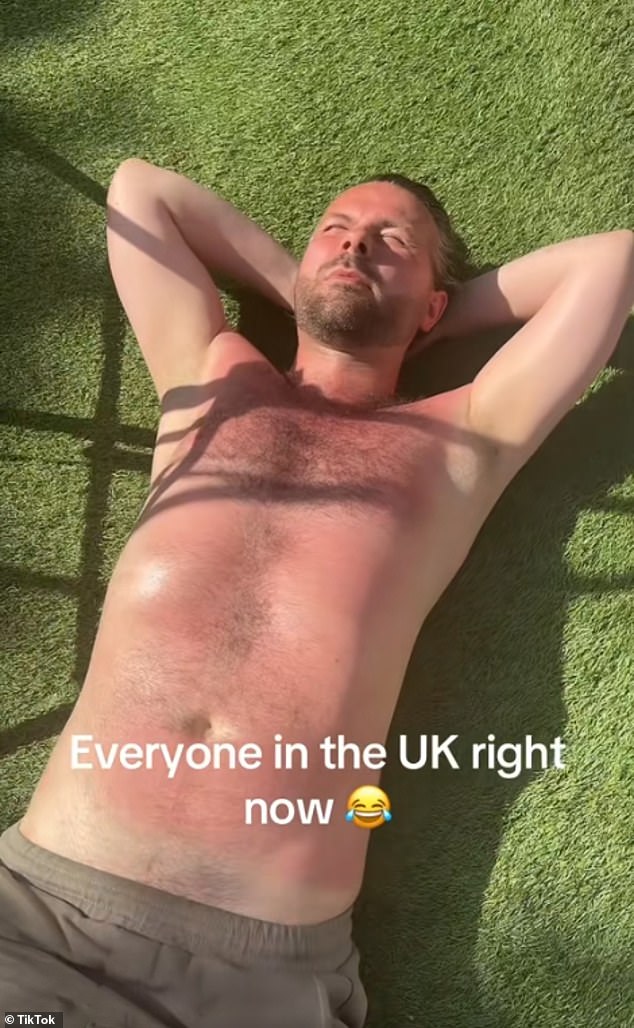
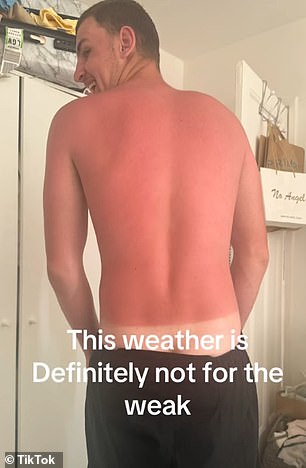
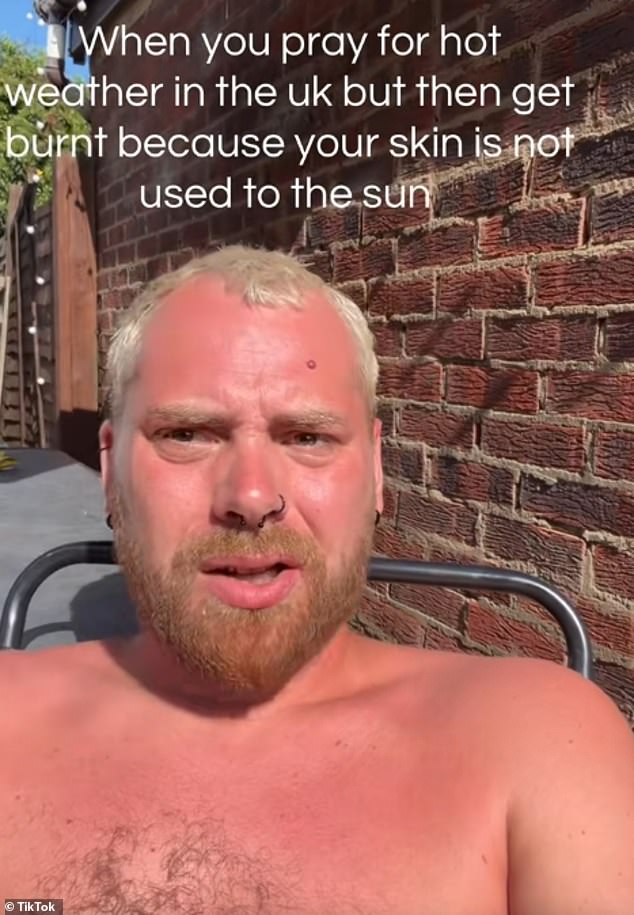
The recent long weekend in the UK was marked by an intense heatwave, with temperatures reaching a scorching 36°C. As the heat continues, many Britons found themselves unprepared for the extreme weather, leading to a wave of sunburns that have been shared widely on social media.
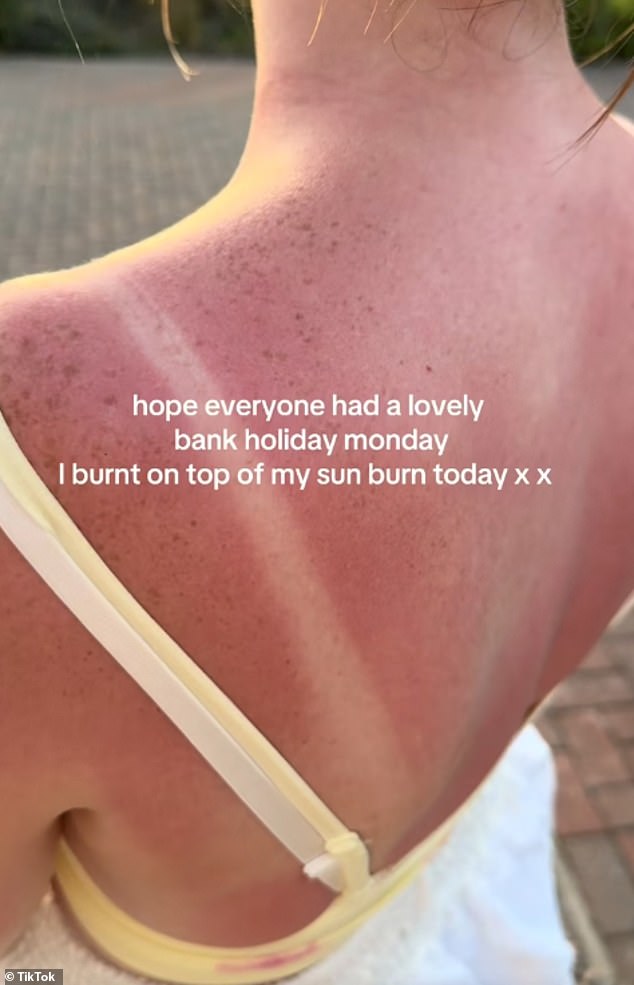
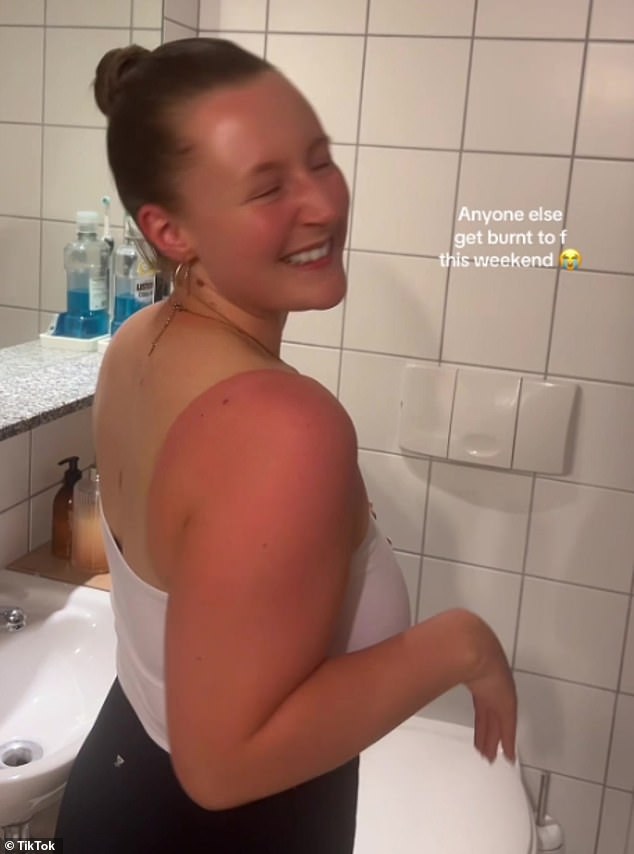
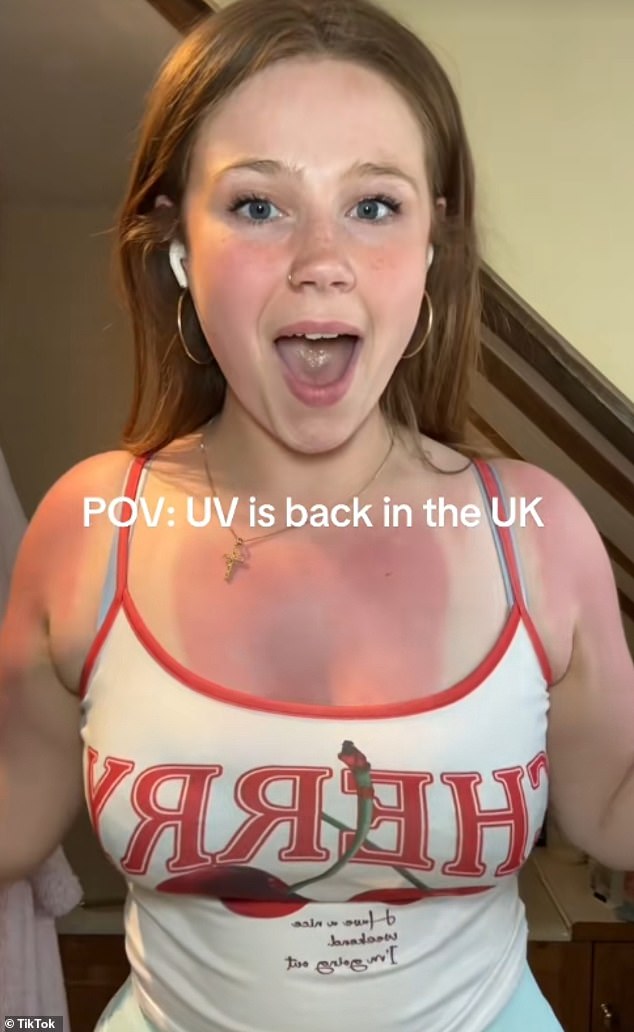
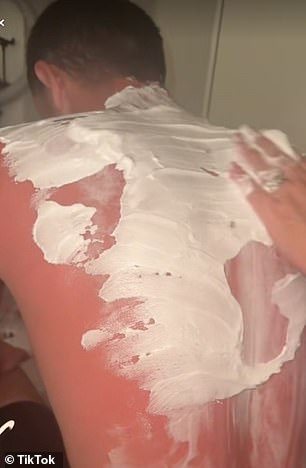
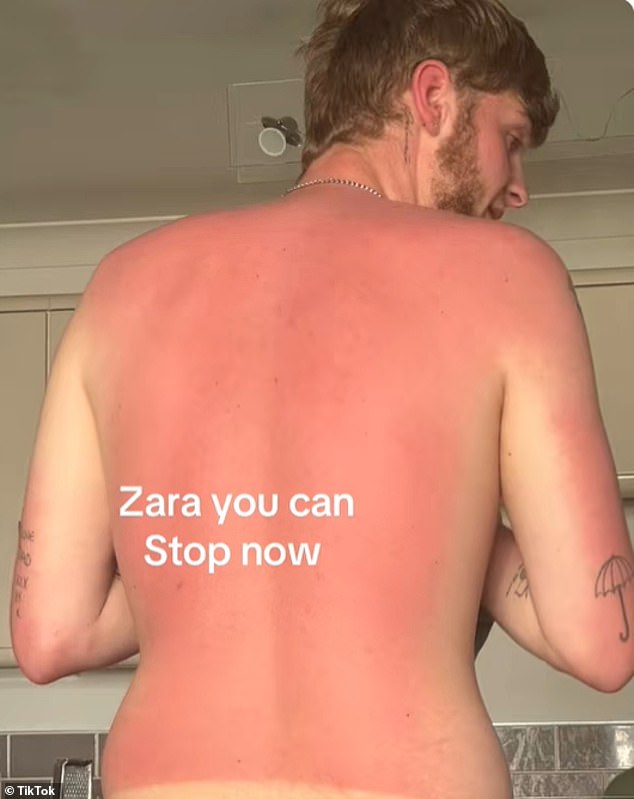
Numerous individuals took to platforms like Twitter and Instagram to post images of their sunburned skin, serving as a cautionary tale for others. The photos showcased a range of issues, from burnt arms to awkward strap marks and painful red skin. Some even documented their attempts to soothe their burned skin, such as applying shaving cream to their backs in a bid to ease the pain.
While these images may seem amusing, they highlight a serious issue. According to Justine Hextall, a consultant dermatologist at the Tarrant Street Clinic in Arundel, West Sussex, many people still neglect to use high-factor sunscreen, even in the UK.
“Even if you don’t burn easily or have darker skin, you still need to protect yourself,” she said. This warning is especially relevant given the rising rates of melanoma, the deadliest form of skin cancer.
Rising Melanoma Rates in the UK
Data from Cancer Research UK reveals that nearly 21,000 Britons are diagnosed with melanoma each year. This figure has reached an all-time high, and the charity predicts that this number will continue to rise, potentially reaching 26,500 new cases annually by 2040.
Melanoma is primarily caused by sun exposure, with over 80% of cases being preventable. Women are more likely to be diagnosed with the disease at a younger age, while men tend to have higher rates later in life.
Cancer Research UK’s chief executive, Michelle Mitchell, expressed concern over the increasing number of diagnoses. “The fact that most of these cases are preventable underlines the importance of people taking sun safety seriously,” she said.
Preventable Cases and UV Exposure
The latest figures show that melanoma cases in the UK have surpassed 20,000 for the first time. Research indicates that up to 18,000 of these cases could be prevented through proper sun protection. Almost 90% of melanoma is caused by excessive exposure to ultraviolet (UV) light, whether from the sun or sunbeds.
Other factors contributing to the rise in melanoma cases include an ageing population and increased awareness of the warning signs of skin cancer. Despite the increase in diagnoses, deaths from melanoma are expected to decline due to improvements in early diagnosis and treatment.
Sun Safety Tips
Fiona Osgun, head of health information at Cancer Research UK, emphasized the importance of sun safety. “Sunburn is a clear sign your skin has been damaged,” she said. “It doesn’t only happen when it’s hot – it can happen on cooler, cloudier days too.”
Studies have shown that getting sunburned just once every two years can triple the risk of developing skin cancer. To protect against this, Ms. Osgun recommends using shade, particularly during the middle of the day, covering up, wearing a hat and sunglasses, and applying sunscreen with at least SPF 30 and four or five stars.
“Make sure you put plenty on and reapply it regularly,” she added. “Even if you’ve been sunburned before, it’s never too late to start protecting your skin.”