Enhanced Screening Measures at Major US Airports
In response to the ongoing Ebola outbreak in Central Africa, three major US airports have implemented enhanced screening measures for passengers arriving from affected regions. These airports include Washington Dulles International Airport near Washington, DC; Hartsfield-Jackson Atlanta International Airport in Georgia; and George Bush Intercontinental Airport in Houston, Texas. The decision comes as officials warn that the situation could worsen.
So far, over 900 people are suspected to have been infected with the virus in Central Africa, with 220 deaths reported. One American, Dr. Peter Stafford, tested positive for the virus after working in the region and was transported to Germany for treatment. Additionally, two aid workers who returned to Italy are showing symptoms consistent with the virus.
The US authorities have emphasized that individuals returning from the Democratic Republic of the Congo, Uganda, and South Sudan must fly into one of these three airports for screening. This measure aims to prevent the spread of the disease within the country.
Screening Procedures at Houston’s George Bush Intercontinental Airport
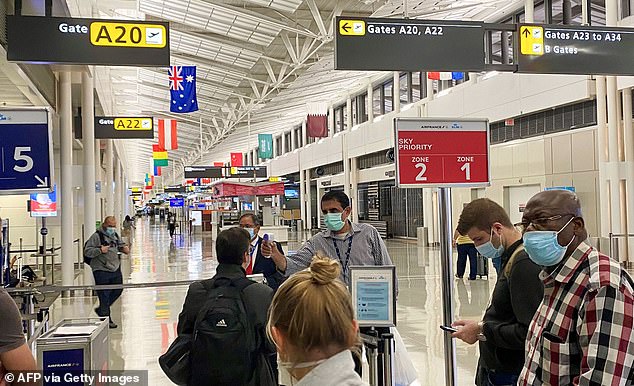
Judge Lina Hidalgo, the chief executive of the county covering Houston, has outlined the new screening procedures that will be implemented at the George Bush Intercontinental Airport starting Tuesday. These measures include temperature checks, a detailed questionnaire, and potential Ebola tests for travelers who have recently visited areas affected by the outbreak.
According to Hidalgo, anyone flying into the airport from the affected countries or even those with layovers will be screened for fever and asked a series of questions. If an individual does not show symptoms, they are allowed to proceed but must provide contact information for follow-up if needed.
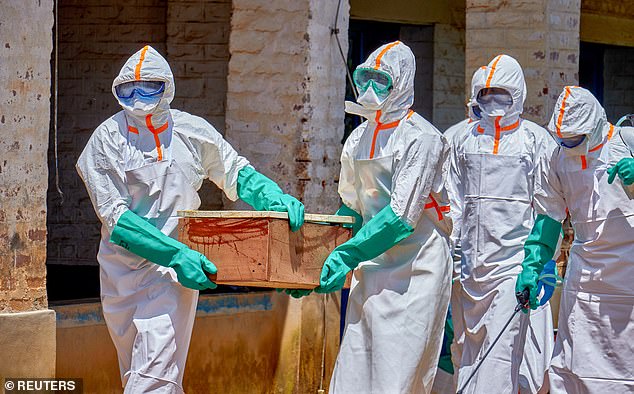
However, if a traveler exhibits symptoms, they will be taken to one of two hospitals in Houston for isolation. While the specific hospitals were not named, the process ensures that anyone testing positive for Ebola is quickly identified and isolated to prevent further spread.
In such cases, all passengers on the same flight will be notified of potential exposure to the disease. It remains unclear whether the other two airports will adopt the same protocols.
Current Screening Activities in Harris County
To date, seven residents of Harris County, where the Houston airport is located, who had recently traveled to Uganda have been screened. Two of them arrived on Sunday, while five more arrived on Monday. All seven were initially screened in Dallas and Washington, DC, before continuing to Houston. None tested positive for Ebola or showed any symptoms of the disease.
Unlike the flu or COVID-19, Ebola does not spread through the air. Instead, it requires direct contact with bodily fluids from an infected person or a deceased patient. The current outbreak is caused by the Bundibugyo strain of the virus, which has no known vaccine or treatment. Approximately 50% of those infected with this strain die from the disease.
Spread of the Outbreak and Global Concerns
Flights to and from Bunia, the eastern city in the Democratic Republic of the Congo (DRC) at the center of the outbreak, have been grounded. However, experts believe the virus may have already spread to neighboring countries. The outbreak began in late April when a health worker in Bunia developed symptoms including fever, hemorrhaging, vomiting, and severe fatigue. The individual later died, but it took three weeks for tests to confirm the Ebola infection, allowing time for the disease to spread.
The African Centers for Disease Control and Prevention has warned that eight other countries are at risk: Rwanda, Kenya, Tanzania, Angola, Burundi, Central African Republic, Ethiopia, and Zambia. Except for Ethiopia, all these countries border either the DRC or Uganda. However, passengers from these nations are not yet required to undergo screening in the US.
Risk Assessment and International Response
The Centers for Disease Control and Prevention (CDC) states that the risk to the US public is “low.” However, there are growing concerns about potential cases in Europe. In Italy, authorities have issued a health alert in the northern Lombardy region after two aid workers returned from Uganda following a three-month trip. Both individuals have developed symptoms consistent with Ebola, including high fever, nausea, vomiting, and intestinal problems. They have been transferred to Milan’s Sacco Hospital for treatment.
Lombardy’s regional welfare minister, Guido Bertolaso, said there is “still no certainty that this is Ebola,” and he expressed hope that the results will be negative.
Impact on Healthcare Workers and Public Health
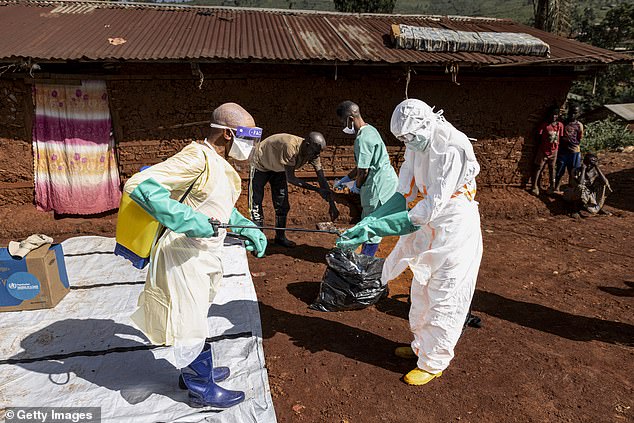
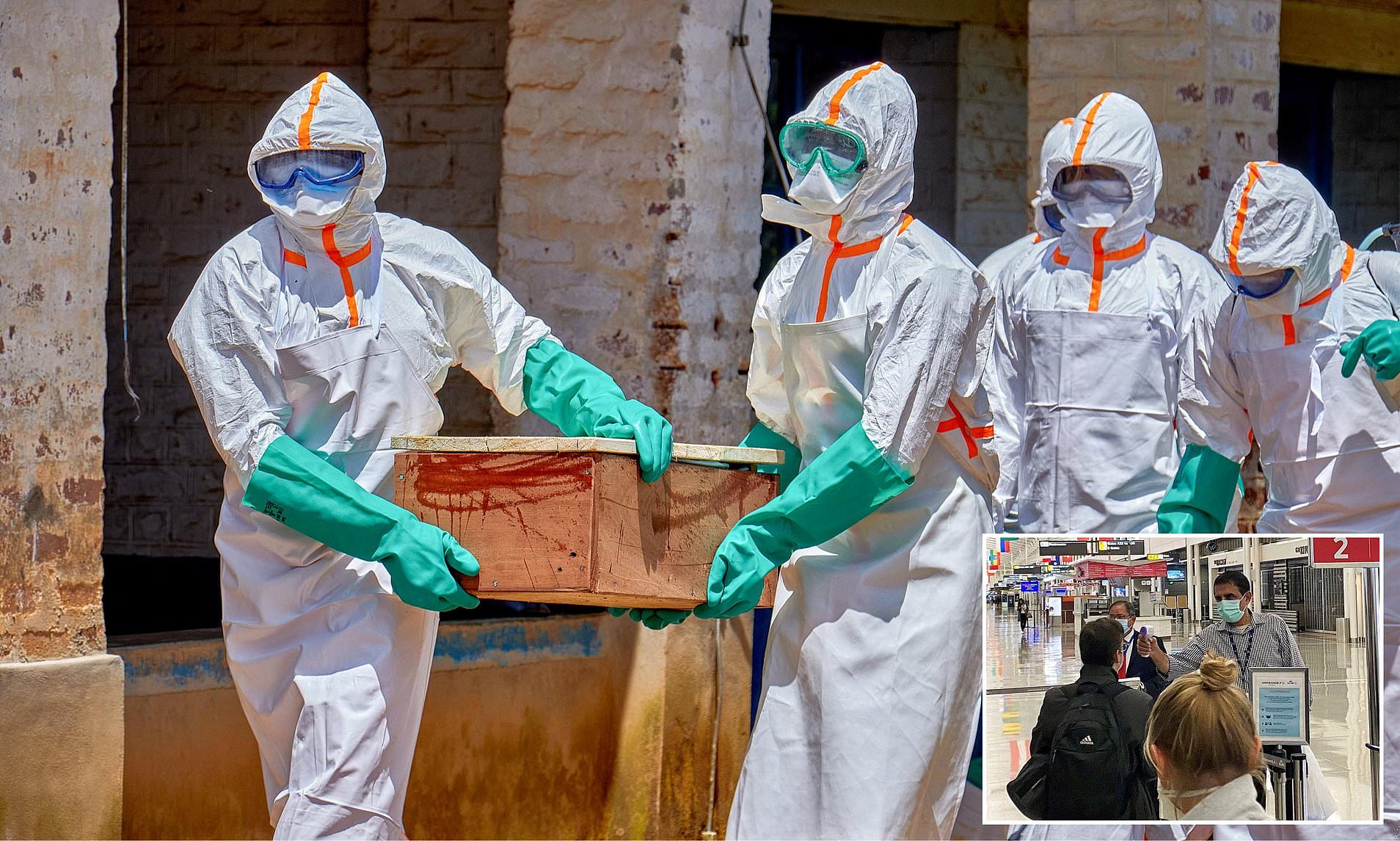
Among the reported deaths from the virus in the DRC are three Red Cross volunteers who are believed to have contracted the virus while handling dead bodies. Many experts have been surprised by the high number of cases detected before the outbreak was identified. Normally, outbreaks are detected before reaching a hundred cases.
In previous Ebola outbreaks, the virus has killed more than half of those infected, often due to internal bleeding and organ failure. The current outbreak is caused by the less common Bundibugyo strain, which causes similar symptoms to other strains and is believed to have the same fatality rate.
Patients can carry the virus for up to 21 days before symptoms appear, which is when they become infectious. Early symptoms include fever, headache, muscle pain, vomiting, and diarrhea. As the disease progresses, patients may experience internal bleeding and organ failure, leading to death.
Doctors may treat Ebola using man-made antibody injections. Scientists at the University of Oxford are also working to develop a vaccine.