The Complexity of Shortstop Hall of Fame Discussions
Shortstop has always been one of baseball’s most difficult positions to evaluate in Hall of Fame discussions. Some players built Cooperstown-worthy résumés through defense and leadership, while others transformed the game offensively from a traditionally defense-first position. That complexity has left several deserving shortstops overlooked for decades.
One of the most fascinating Hall of Fame benchmarks for shortstop debates remains Phil Rizzuto. The longtime New York Yankees legend was inducted by the Veterans Committee in 1994 after building a career centered around defense, leadership, winning, and cultural impact more than overwhelming offensive numbers.
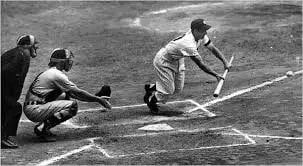
Rizzuto finished with:
- 1,588 hits
- 38.2 WAR
- 7 All-Star appearances
- 7 World Series championships
- 1950 AL MVP Award
His induction helped establish that greatness at shortstop can come in many different forms. Here are five shortstops whose Hall of Fame cases deserve another serious look.
Dave Concepcion
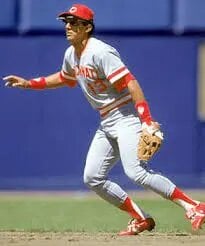
Dave Concepcion has long been one of the Veterans Committee’s most debated candidates, and his résumé becomes even stronger when compared to Phil Rizzuto. The longtime Cincinnati Reds captain was a cornerstone of the legendary “Big Red Machine” dynasty and helped modernize the shortstop position with his athleticism, arm strength, and offensive consistency.
Concepcion finished with:
- 2,326 hits
- 389 stolen bases
- 9 All-Star appearances
- 5 Gold Gloves
- 2 World Series titles
Compared to Rizzuto, Concepcion produced significantly more offense while maintaining elite defensive credibility and championship pedigree. Many historians believe he helped redefine expectations for modern shortstops during the 1970s. The Veterans Committee continues revisiting his candidacy, and his Cooperstown case grows stronger as shortstop evaluation evolves.
Maury Wills
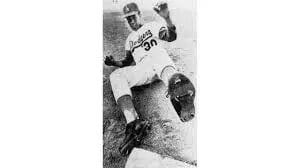
Few players changed baseball strategy the way Maury Wills did. The former Los Angeles Dodgers star revolutionized the running game during the 1960s and became one of the sport’s defining speed threats. His impact on baseball history extends far beyond traditional statistics.
Wills finished with:
- 2,134 hits
- 586 stolen bases
- 7 All-Star appearances
- 3 World Series titles
- 1962 NL MVP Award
His 104 stolen bases in 1962 shattered long-standing records and helped reignite the stolen base as a major offensive weapon in modern baseball. Compared to Rizzuto, Wills brought far greater offensive impact and historical innovation while maintaining strong defensive value at shortstop. His influence on the evolution of the game alone gives him a compelling Hall of Fame argument. Many baseball historians remain surprised he has not yet been elected.
Bert Campaneris
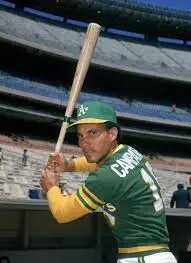
Bert Campaneris was one of baseball’s most electrifying players during the late 1960s and 1970s and a foundational piece of the dominant Oakland Athletics dynasty. Campaneris built an impressive résumé:
- 2,249 hits
- 649 stolen bases
- 6 All-Star appearances
- 6 stolen base titles
- 3 World Series championships
His speed, range, versatility, and energy helped define an era of baseball built around athleticism and aggressive baserunning. Campaneris also brought personality and flair to the shortstop position during a period when offense from middle infielders remained relatively rare. Compared to Rizzuto, Campaneris offered significantly more offensive production and baserunning impact while still being respected as an outstanding defensive shortstop. As Hall voting increasingly embraces all-around value and historical impact, Campaneris deserves far more Cooperstown consideration than he has historically received.
Bill Dahlen
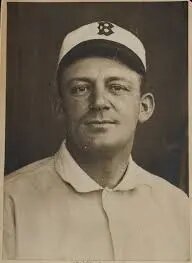
Bill Dahlen may be the greatest pre-war shortstop not currently in the Hall of Fame. Because he played during the late 1800s and early 1900s, Dahlen is often forgotten in modern baseball conversations. However, advanced metrics paint the picture of one of the most valuable shortstops in baseball history.
Dahlen finished with:
- 2,461 hits
- 548 stolen bases
- 84.9 WAR
- elite defensive reputation
His WAR total surpasses numerous Hall of Fame shortstops already inducted, and he was widely viewed as one of the best defensive infielders of the Dead Ball Era. Compared to Rizzuto, Dahlen’s statistical résumé is overwhelming. His combination of longevity, defense, leadership, and overall value makes him one of the strongest Veterans Committee candidates in baseball history. As modern analytics continue reshaping historical Hall evaluations, Dahlen’s omission becomes increasingly difficult to justify.
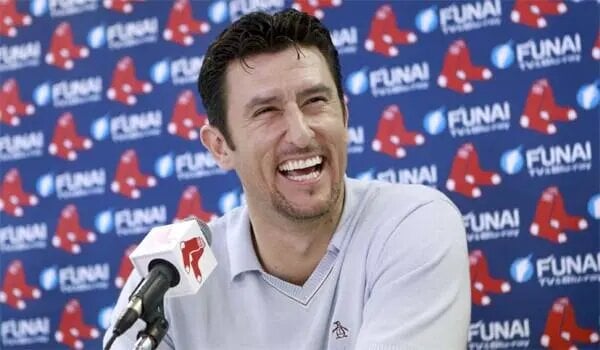
Nomar Garciaparra
At his peak, Nomar Garciaparra looked destined to become one of baseball’s next great Hall of Fame shortstops. The former Boston Red Sox superstar dominated offensively during the late 1990s and early 2000s before injuries dramatically shortened his prime.
Garciaparra finished with:
- 1,747 hits
- 229 home runs
- .313 career batting average
- 6 All-Star appearances
- 2 batting titles
- Rookie of the Year Award
For several years, Nomar stood alongside Derek Jeter and Alex Rodriguez as one of baseball’s defining shortstops. His offensive production at the position was extraordinary for the era. Compared to Rizzuto, Garciaparra represents a completely different Hall profile — one built around elite peak value rather than longevity and championships. While injuries ultimately hurt his Cooperstown chances, modern Hall discussions increasingly appreciate dominant peaks more than previous generations did. That changing philosophy could eventually help Nomar receive another serious Hall conversation.
Why Shortstop Hall Debates Are Changing
Shortstop evaluation has evolved dramatically over the years. Hall voters once focused heavily on defense, leadership, and championships at the position, which helped players like Phil Rizzuto reach Cooperstown. Today, advanced analytics and modern baseball analysis allow voters to better appreciate complete player value across multiple eras and playing styles. That evolution should benefit overlooked candidates like Dave Concepcion, Maury Wills, Bert Campaneris, Bill Dahlen, and Nomar Garciaparra. Whether through the Veterans Committee or the Contemporary Baseball Era Committee, all five deserve serious Hall of Fame reevaluation as Cooperstown standards continue evolving across generations.