The Evolution of Aviation: 10 Aircraft That Changed the World Forever
Aviation has come a long way since the first powered flight in 1903. In just 66 years, humans reached the Moon, and today we can travel across the globe at incredible speeds with comfort and luxury. However, this progress also brought new ways to wage war, with increasingly advanced and less vulnerable aircraft. Here are 10 remarkable aircraft that have shaped aviation history.
10: Lockheed Martin F-22 Raptor
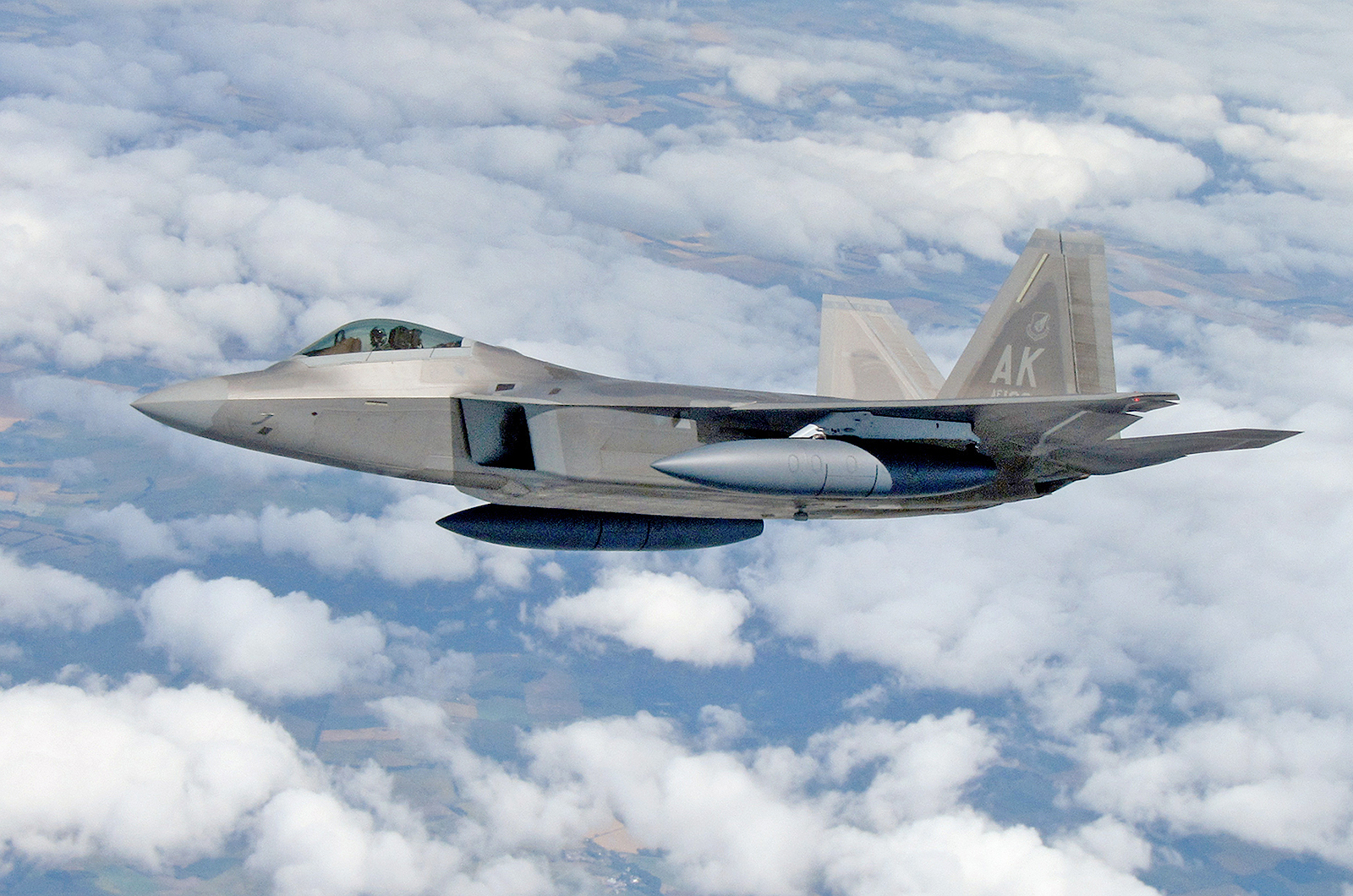
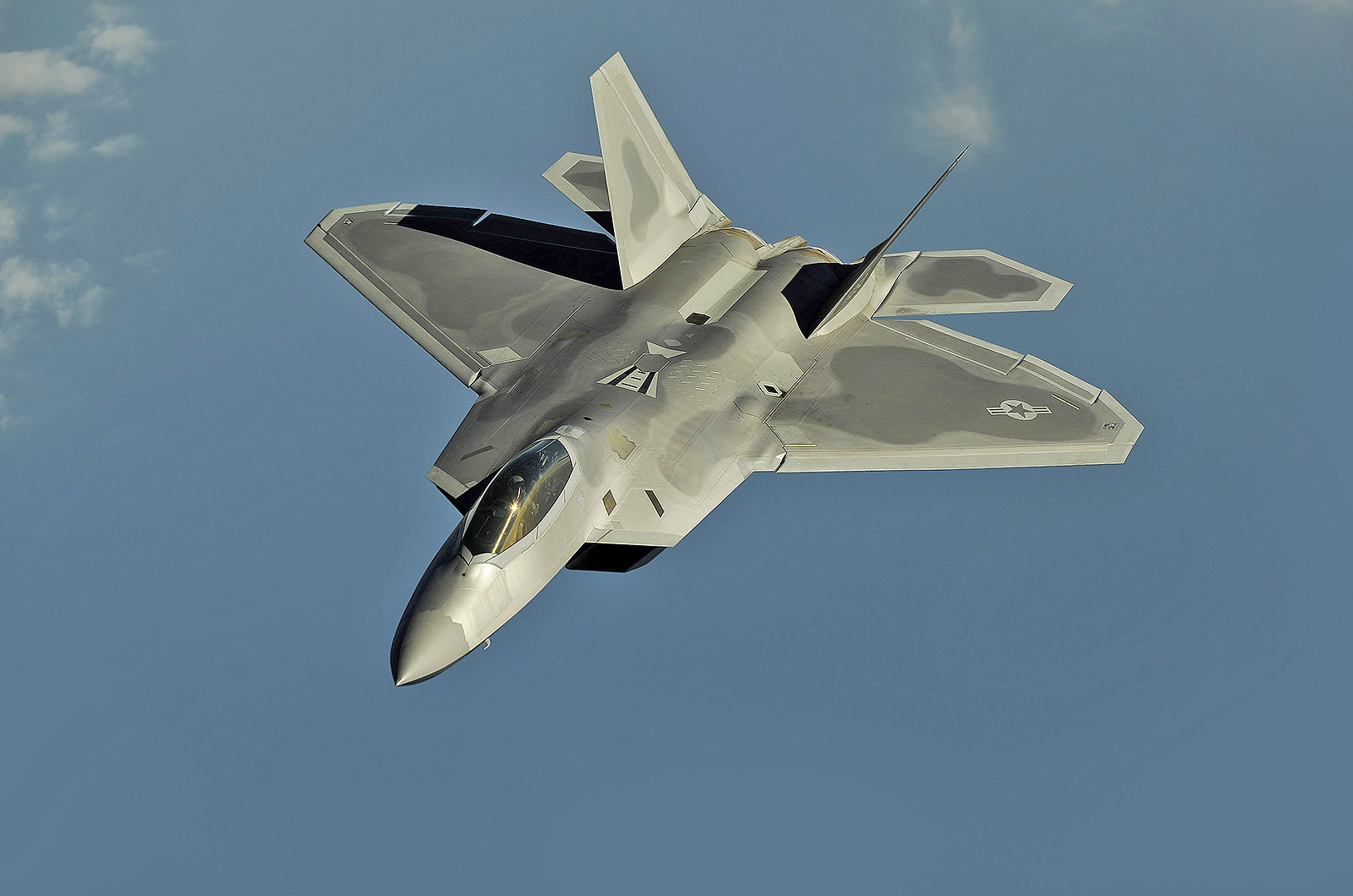
The US F-22 Raptor was not the first stealth aircraft, but it was the first stealth fighter. Earlier models like the F-117 were more attack aircraft than fighters. The F-22 Raptor excels in long-range engagements, often eliminating opponents before they even realize it’s there.
Stealth technology focuses on minimizing detection through radar, acoustic, and visual signatures. The F-22’s design has influenced many later fighters, including the F-35 Lightning II, KAI KF-21 Boramae, Mitsubishi X-2 Shinshin, and TAI TF Kaan.
Despite being over 27 years old, the Raptor remains a top-tier fighter due to its supercruise capability, integrated avionics, and superior maneuverability. Its introduction of stealth into air combat has had a lasting impact on aviation.
9: Montgolfier Balloons
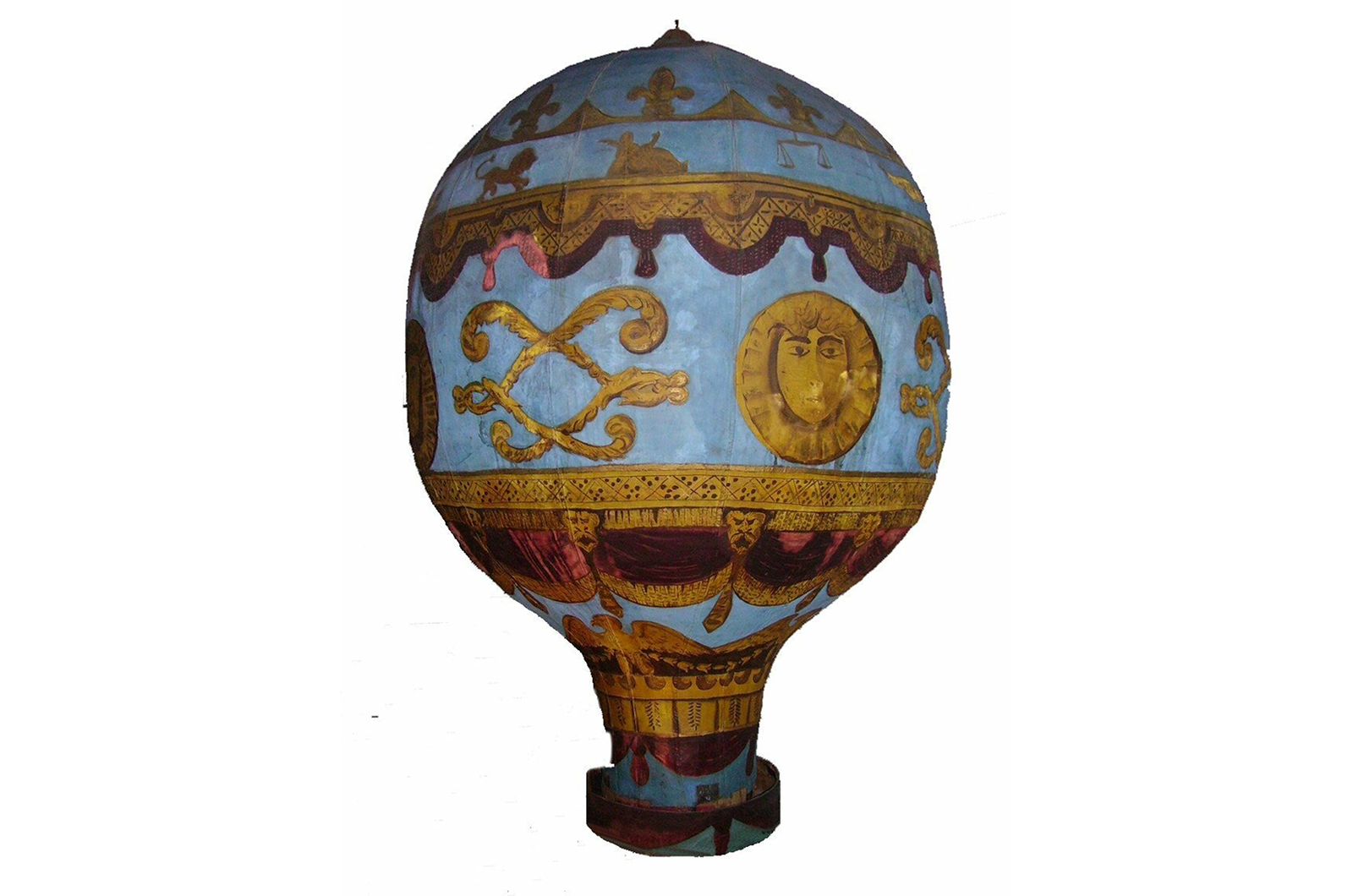
The first air passengers were animals—specifically a sheep, a duck, and a rooster. They were carried aloft on 19 September 1783 in a hot air balloon designed by the Montgolfier brothers. This event took place at the royal palace in Versailles, witnessed by King Louis XVI and Queen Marie Antoinette.
After confirming the animals’ safety, human flights began. Jean-Francois Pilâtre de Rozier made the first human flight, followed by the first free flight on 21 November 1783 with the marquis d’Arlandes. This marked the dawn of flight and sparked a wave of public interest known as “balloon-mania.”
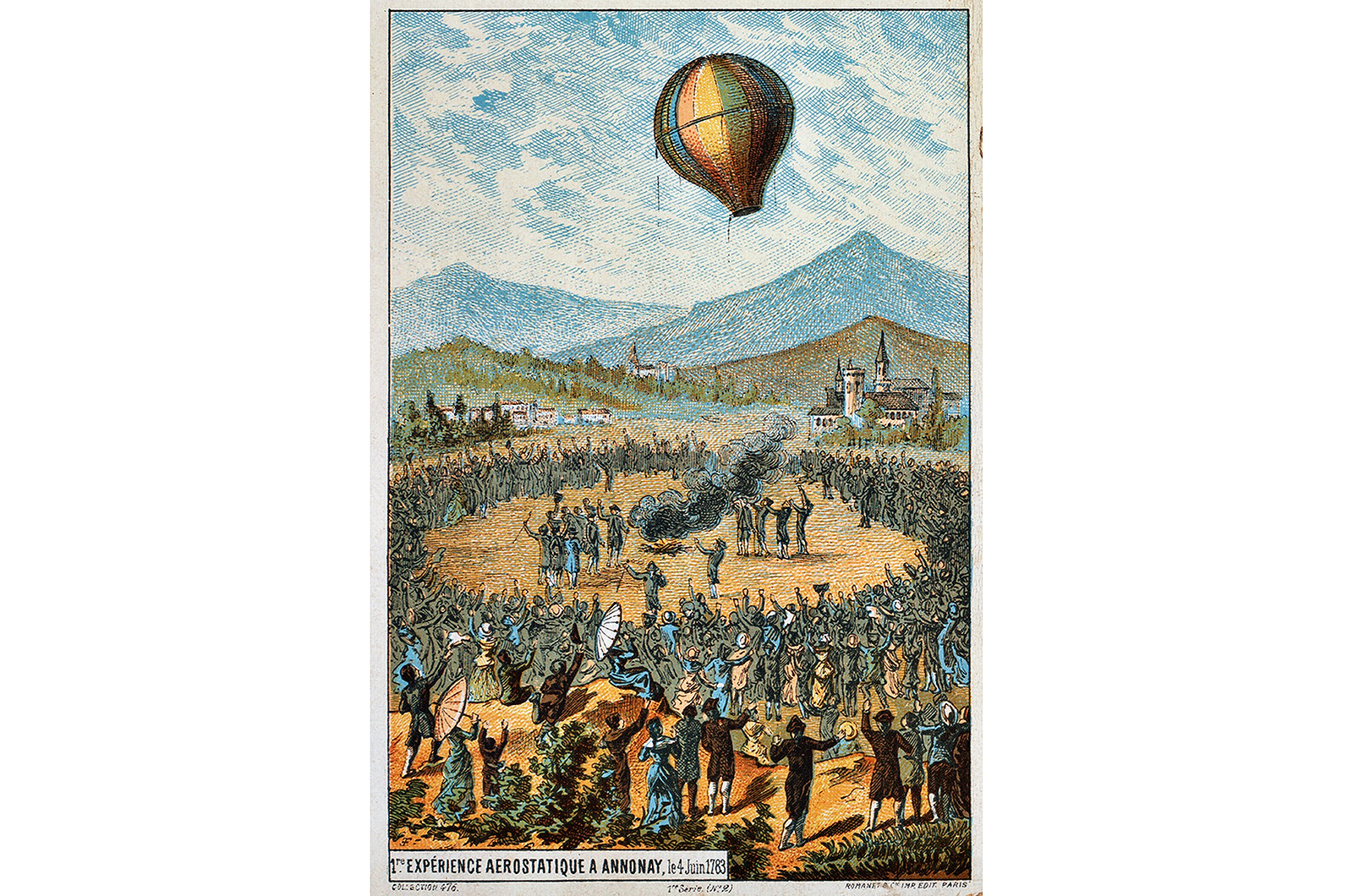
The Balloon Age was filled with spectacle, danger, and innovation. One famous act involved Andres-Garnerin and his niece Elisa, who would ascend, the balloon would explode, and they would parachute back down while fireworks lit up the sky.
8: de Havilland Comet
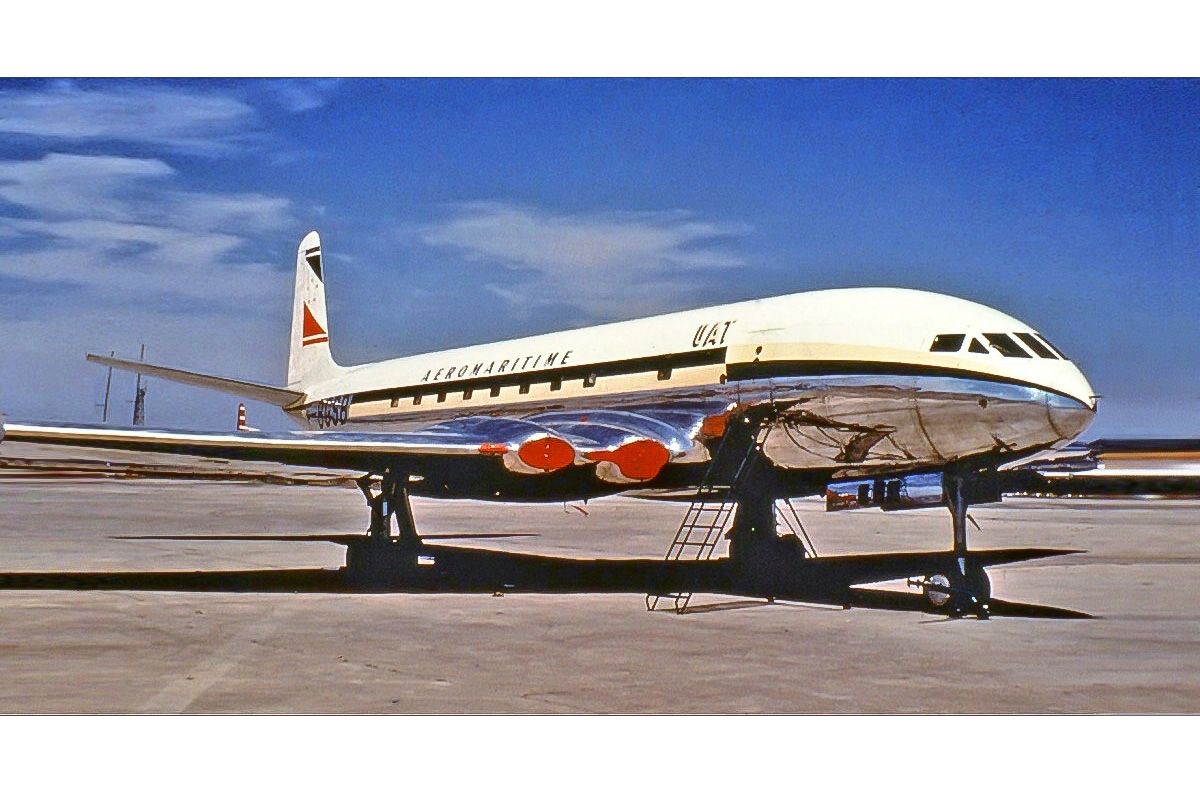
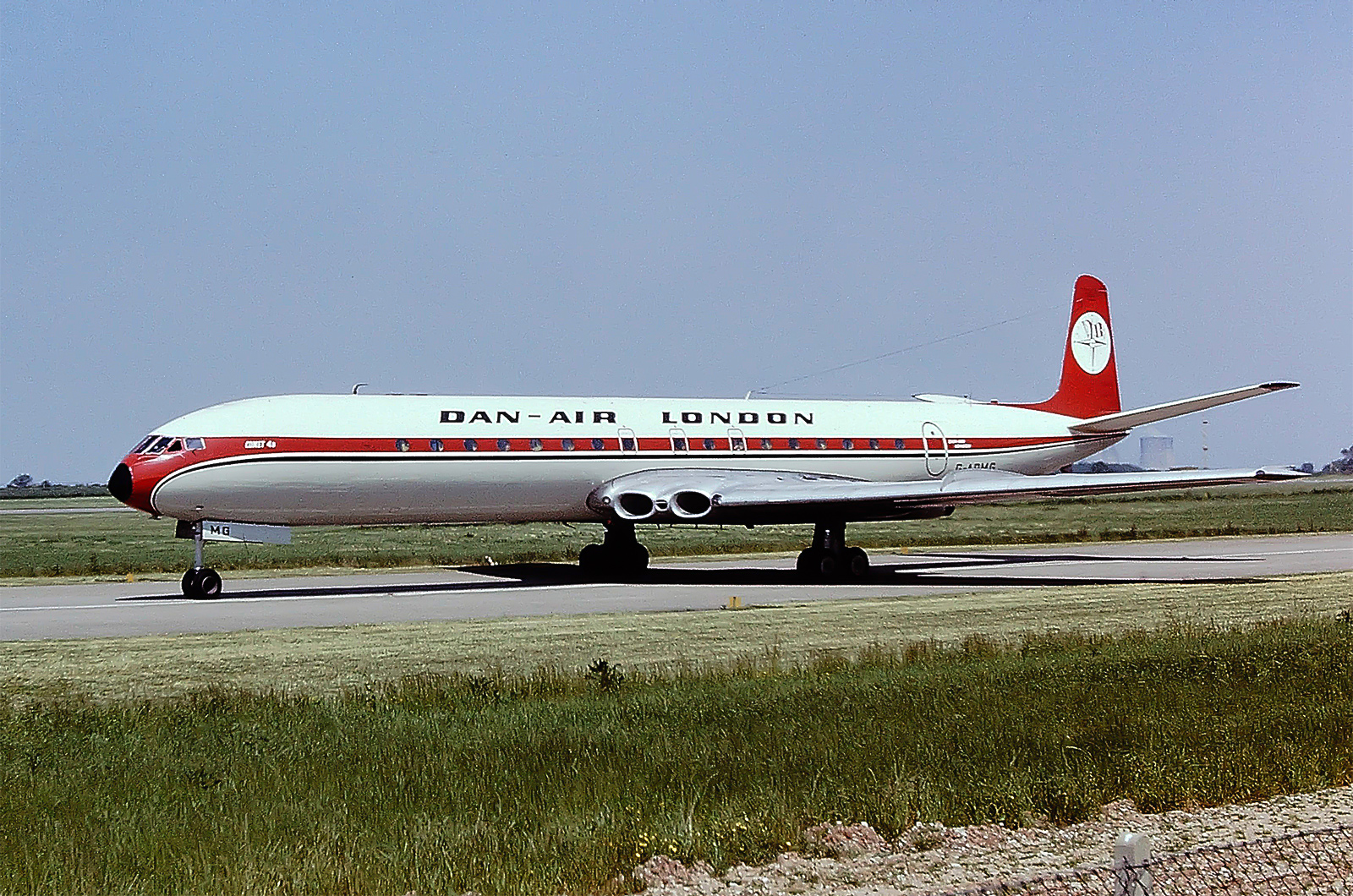
In the late 1940s, the Douglas DC-3 dominated the skies with a top speed of 180 mph. Britain’s de Havilland company aimed to create an aircraft capable of over 480 mph using jet engine technology. Although airlines were initially hesitant due to high costs, the Comet’s debut in 1949 captured the world’s imagination.
The Comet entered commercial service in 1952 and was praised for its quietness, smoothness, and profitability. However, crashes in 1954 revealed issues with metal fatigue, leading to improvements. Despite this, the Comet laid the foundation for the commercial Jet Age, paving the way for future developments.
7: Bell UH-1 Iroquois ‘Huey’
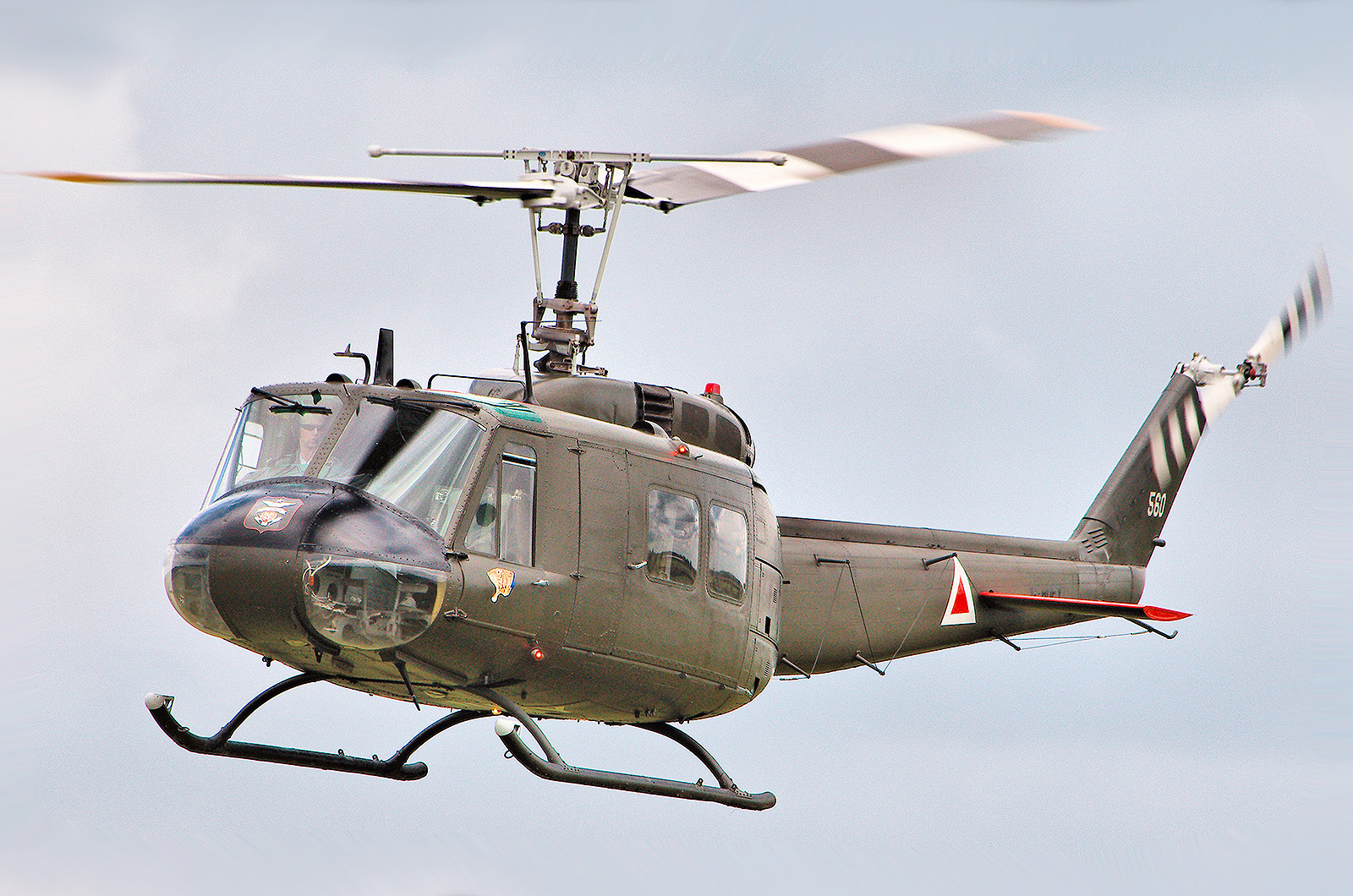
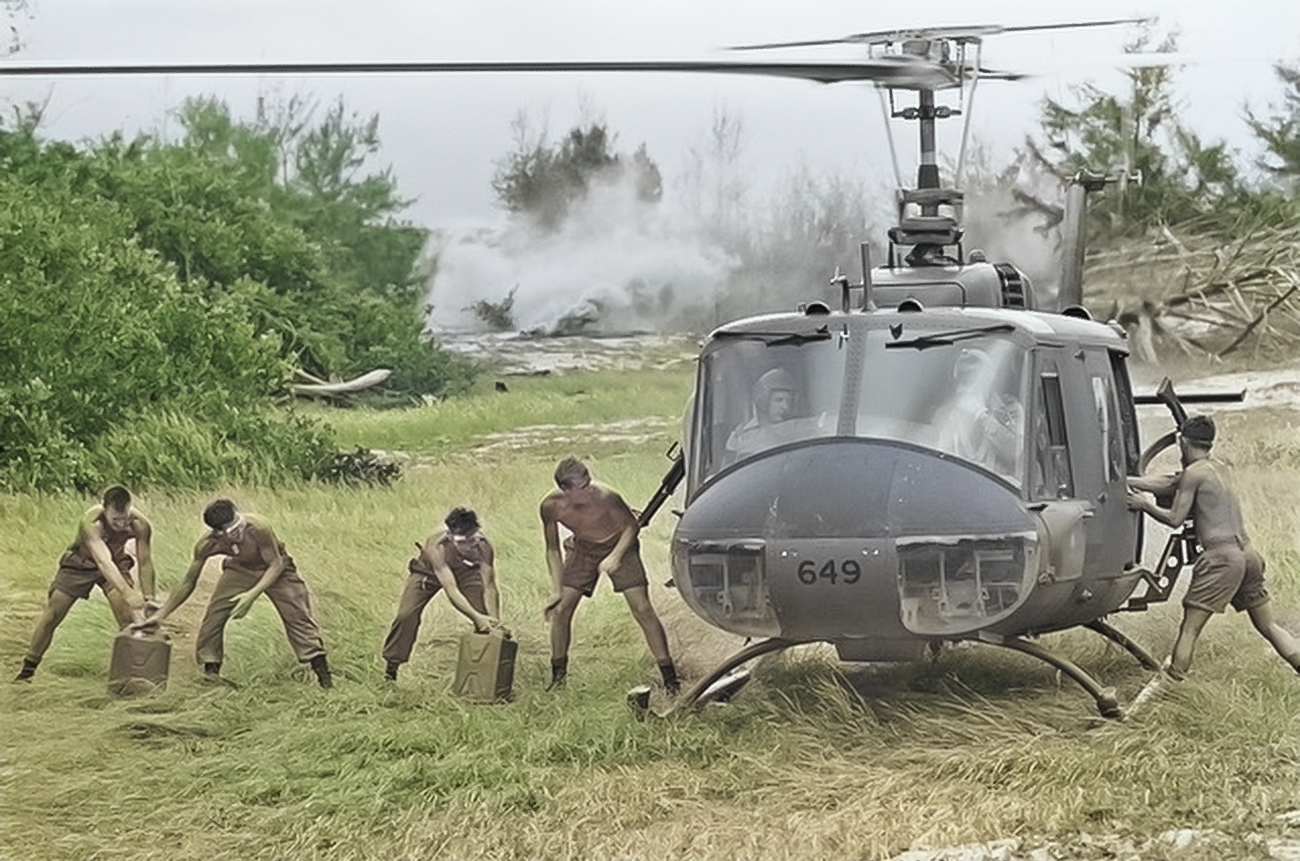
While the Sikorsky R-4 was the first helicopter to reach full-scale production, the UH-1 Huey defined the modern military transport helicopter. It introduced a turbine engine and rotor gearbox on the roof, allowing for a larger cabin. The AH-1 Cobra, a derivative of the UH-1, set the template for most attack helicopters.
The Huey became a symbol of the Vietnam War, featured in films like “Apocalypse Now.” Over 16,000 units were produced between 1956 and 1986, making it one of the most widely used helicopters.
6: Boeing B-29 Superfortress
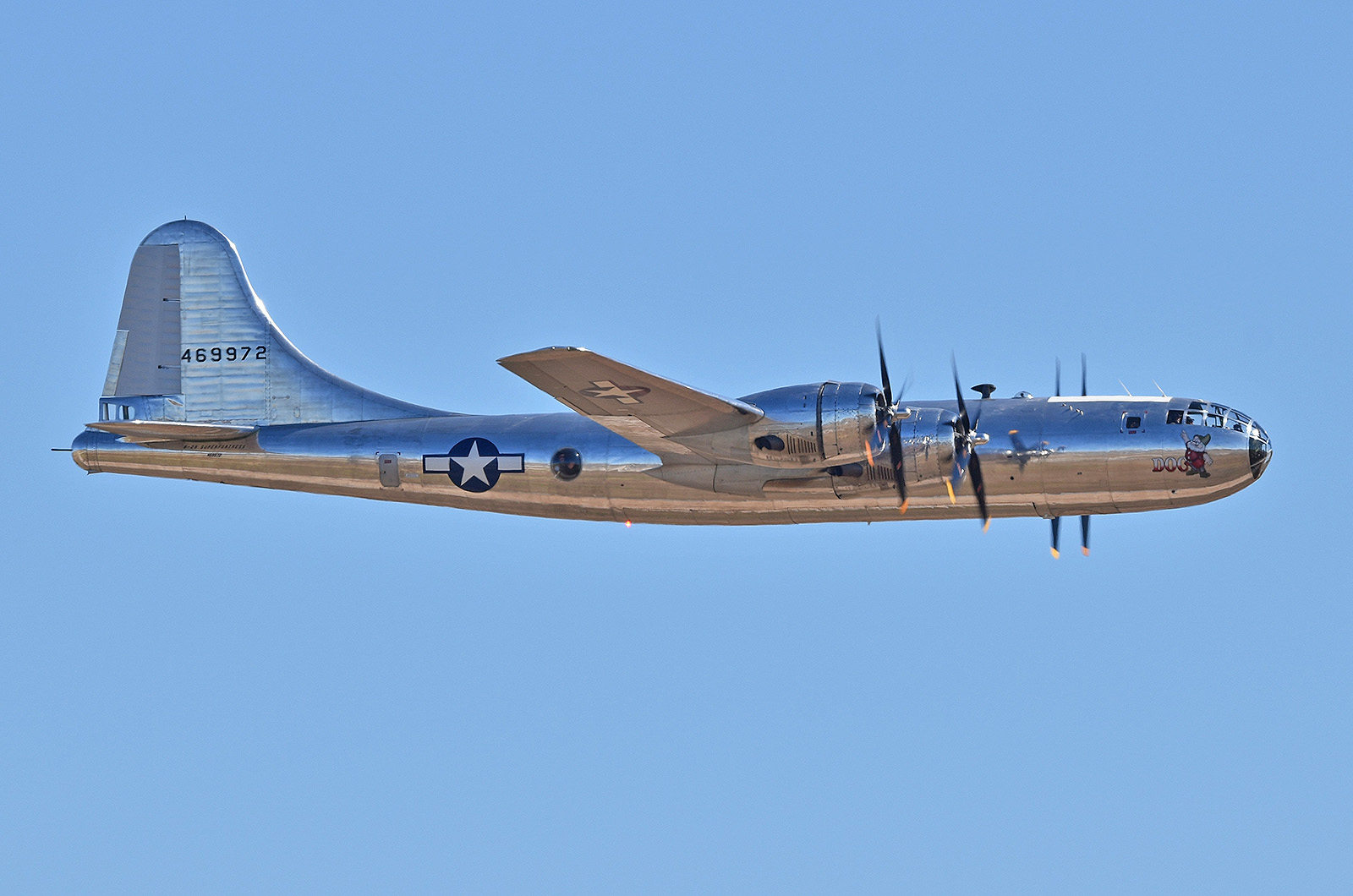
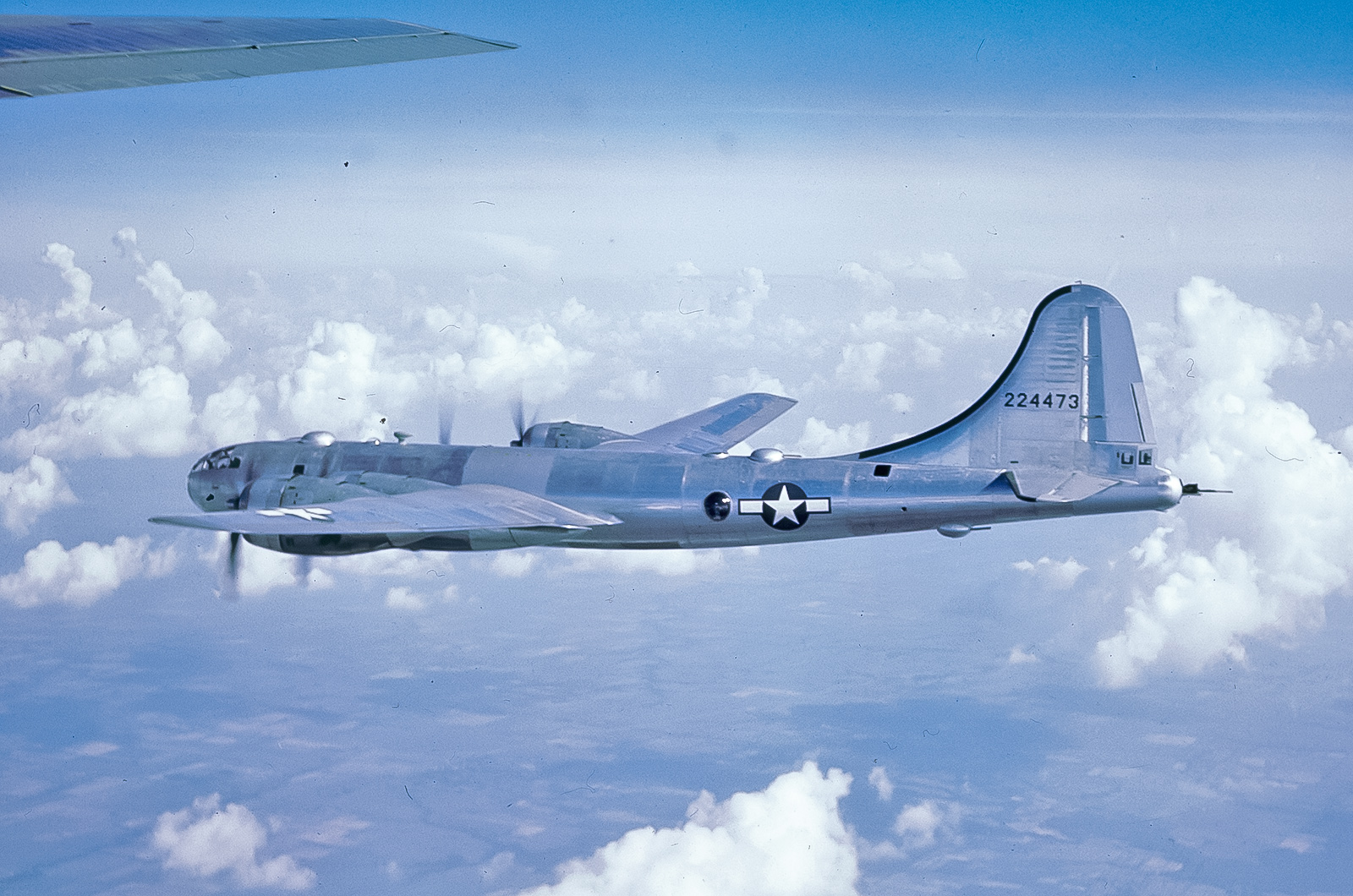
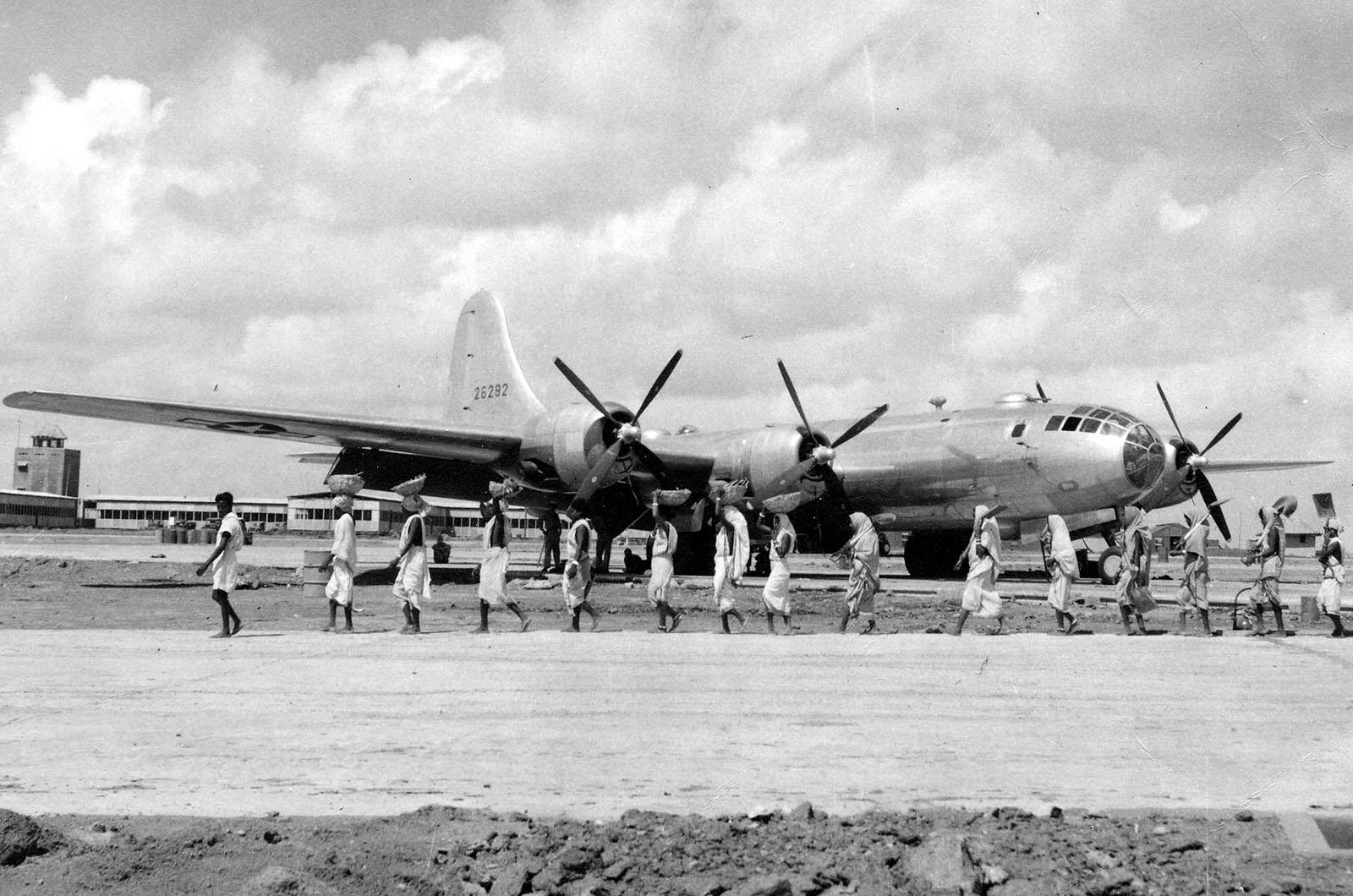
The Boeing B-29 Superfortress ushered in atomic warfare, dropping the first atomic bombs on Hiroshima and Nagasaki in 1945. It was the most expensive military project of World War II, surpassing even the Manhattan Project.
The B-29 introduced pressurized cabins, a feature now standard in all jet airliners. It was also the fastest and highest-flying bomber of its time, making it nearly impossible to intercept.
5: Polikarpov I-16
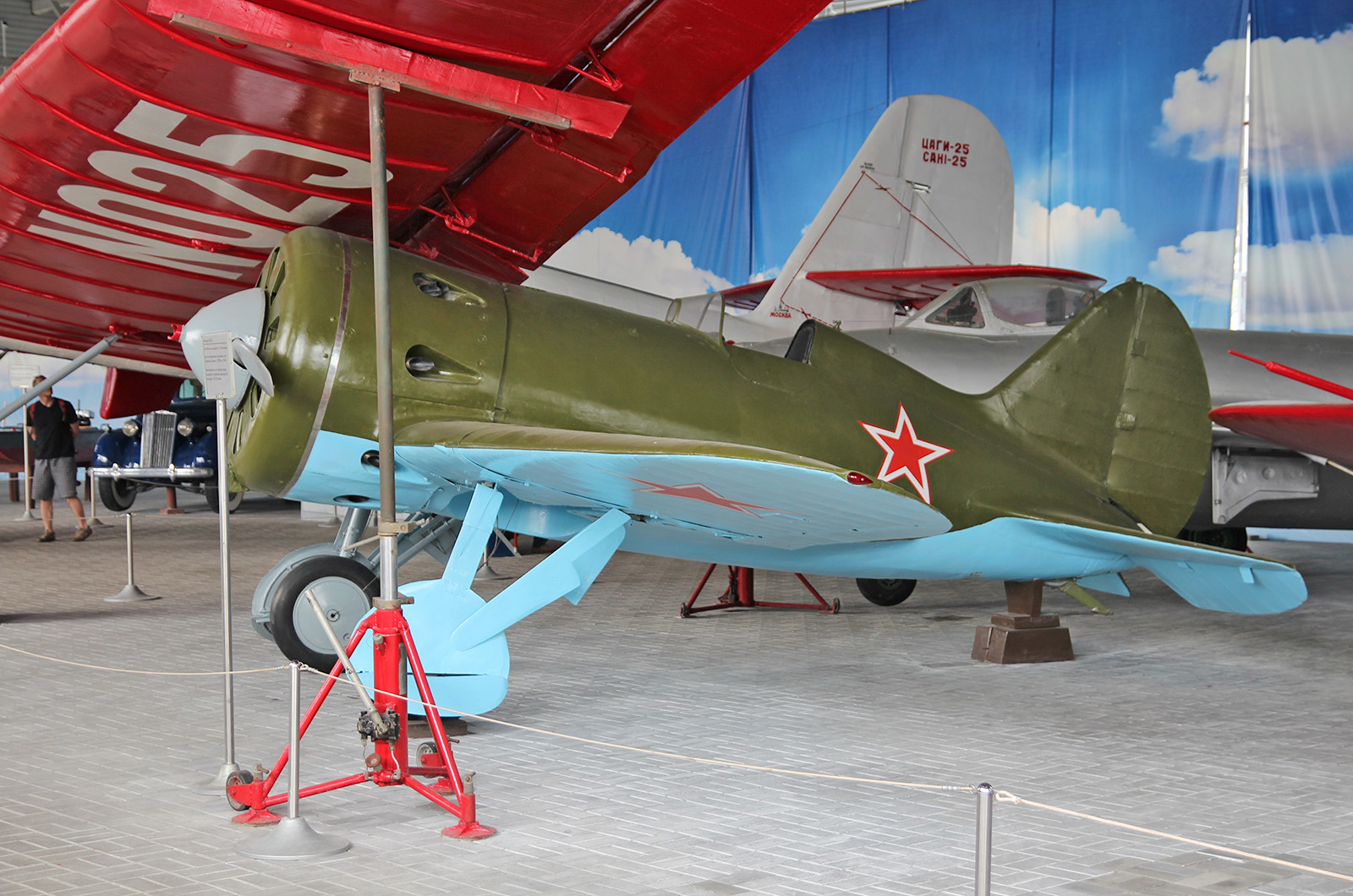
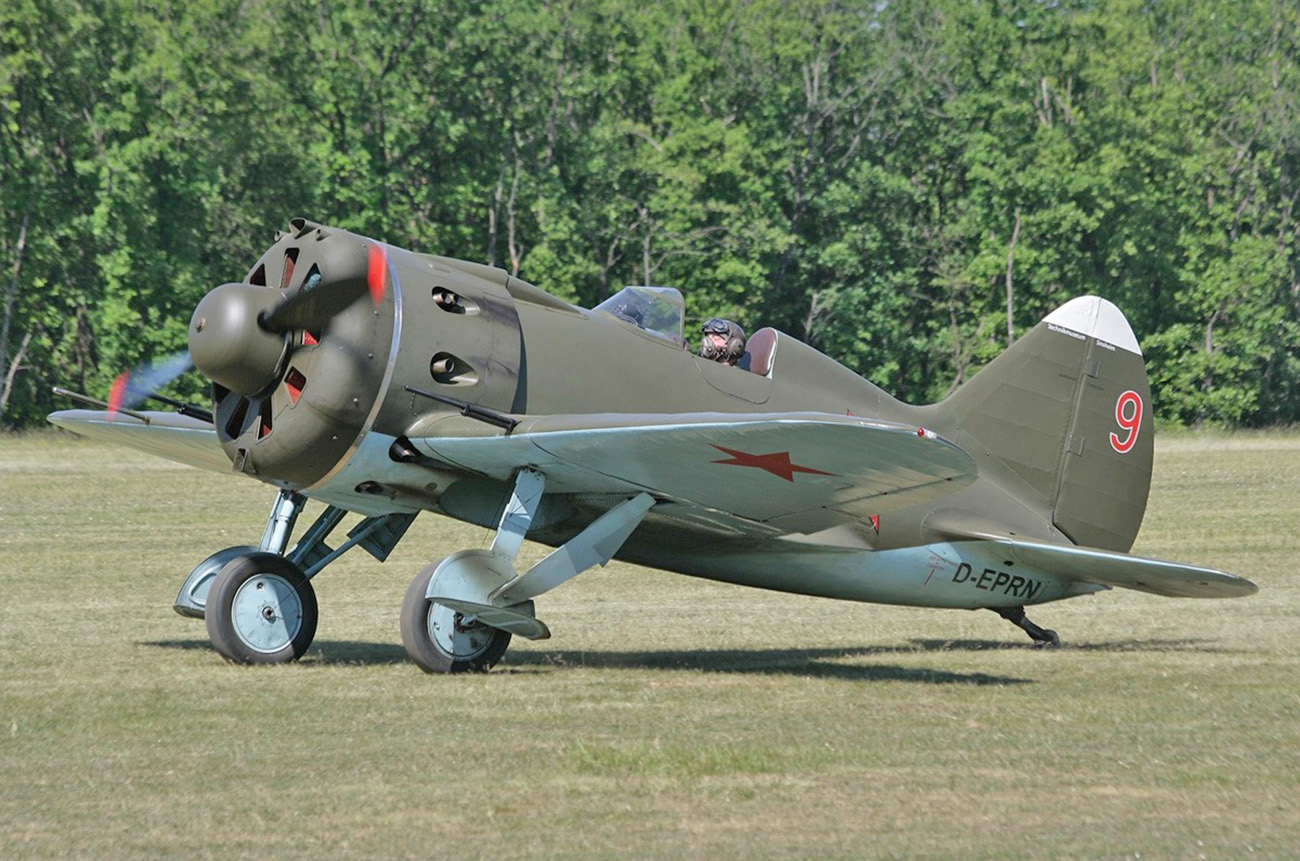
The Polikarpov I-16 ruled as the best fighter for six years, pioneering the cantilever low-wing monoplane design. It was the first to go into large-scale service with this configuration, influencing later fighters like the Spitfire, Bf 109, and P-51.
Despite its performance, the I-16 faced challenges with handling and reliability. It played a crucial role in the Spanish Civil War and later the Second World War, marking a shift from biplanes to more advanced designs.
4: Boeing 247
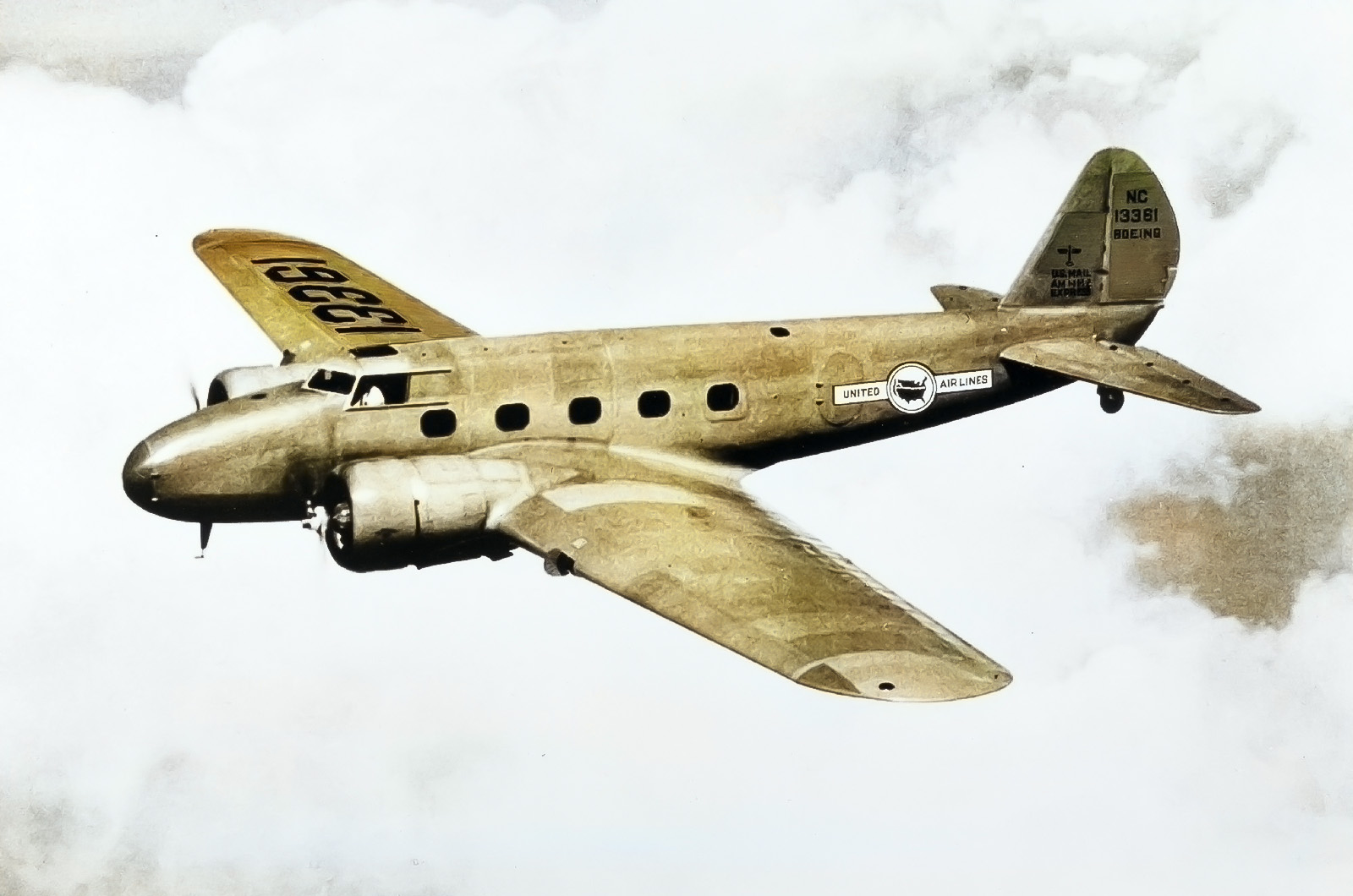
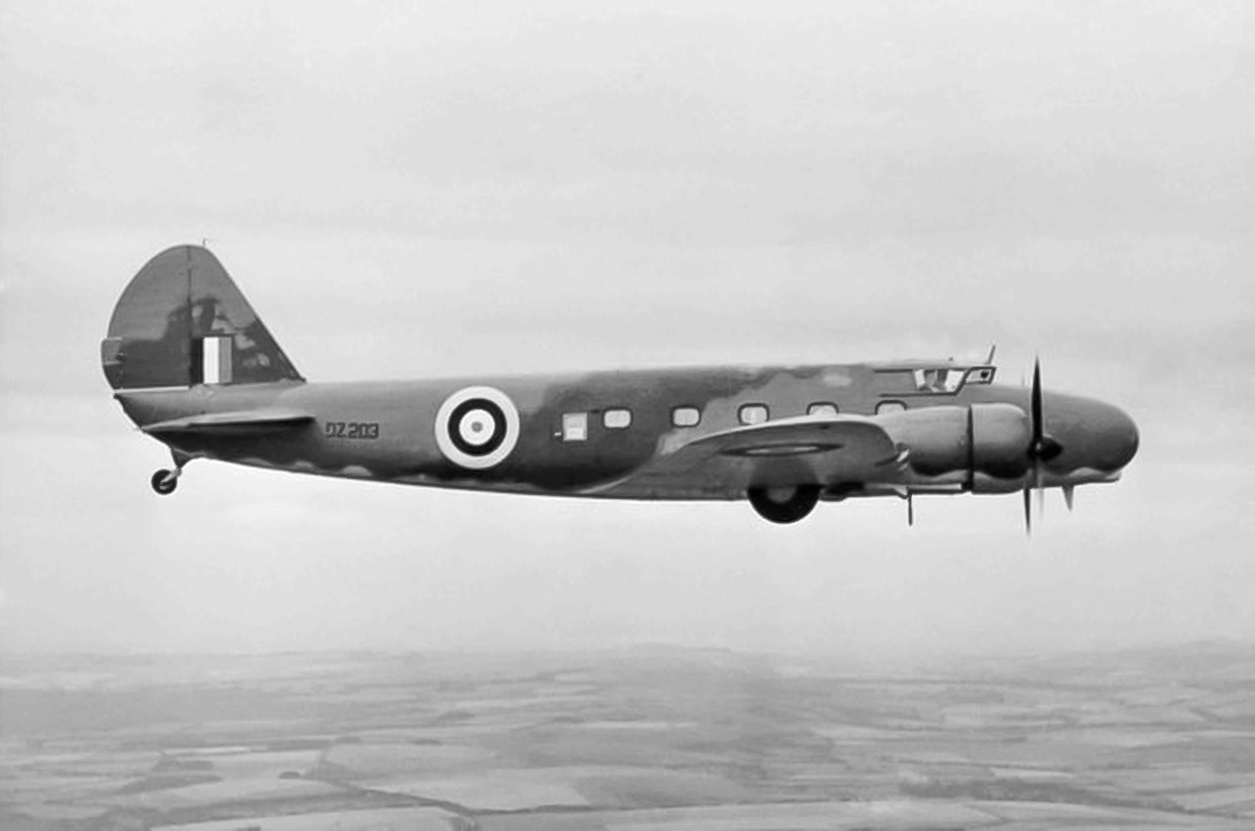
Considered the father of the modern airliner, the Boeing 247 introduced several innovations, including all-metal construction, retractable undercarriage, and a proto autopilot. Though commercially unsuccessful, it laid the groundwork for future advancements in air travel.
It was faster than contemporary fighters and safer than earlier designs, setting a new standard for commercial aviation.
3: Boeing 737
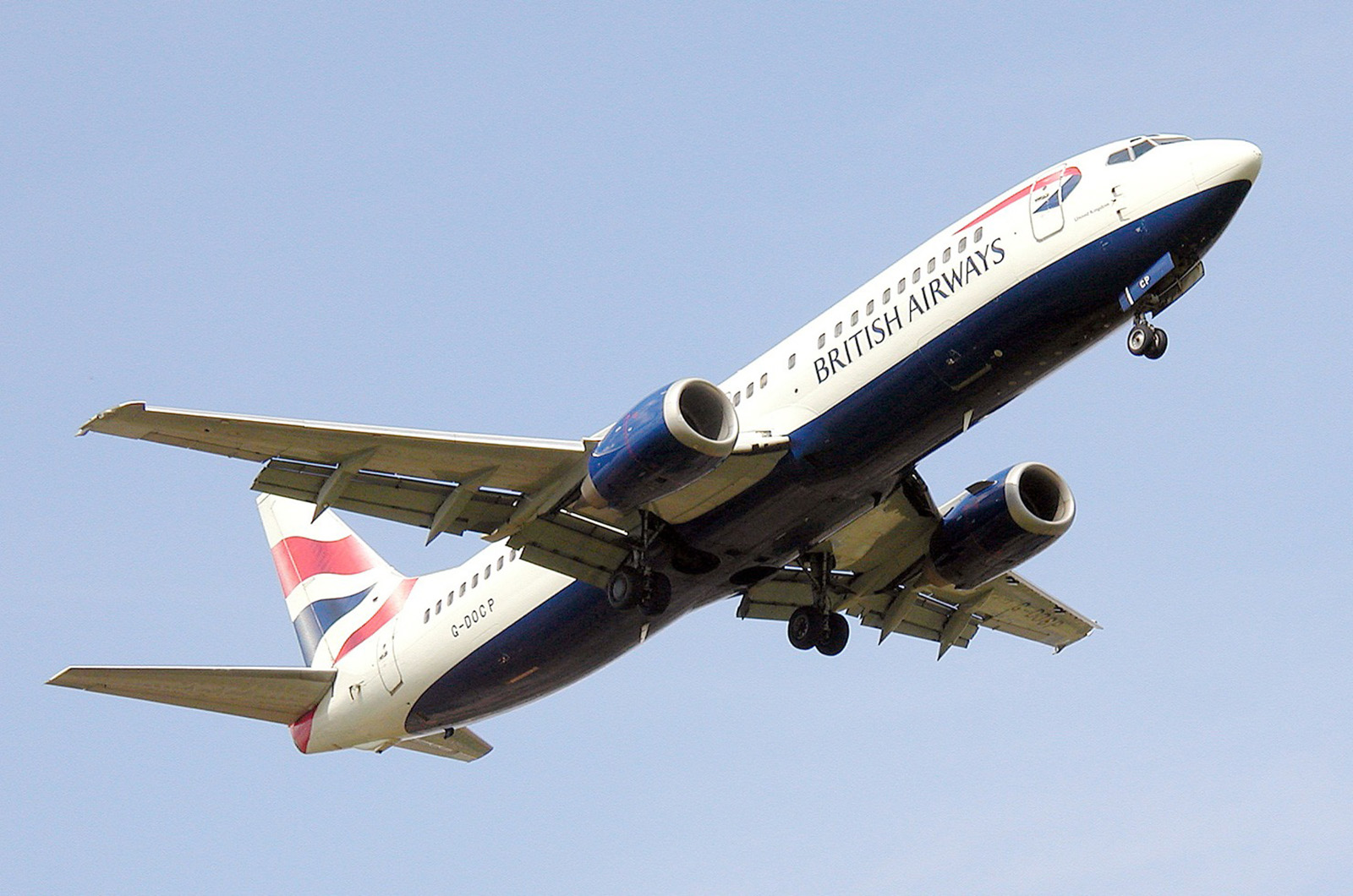
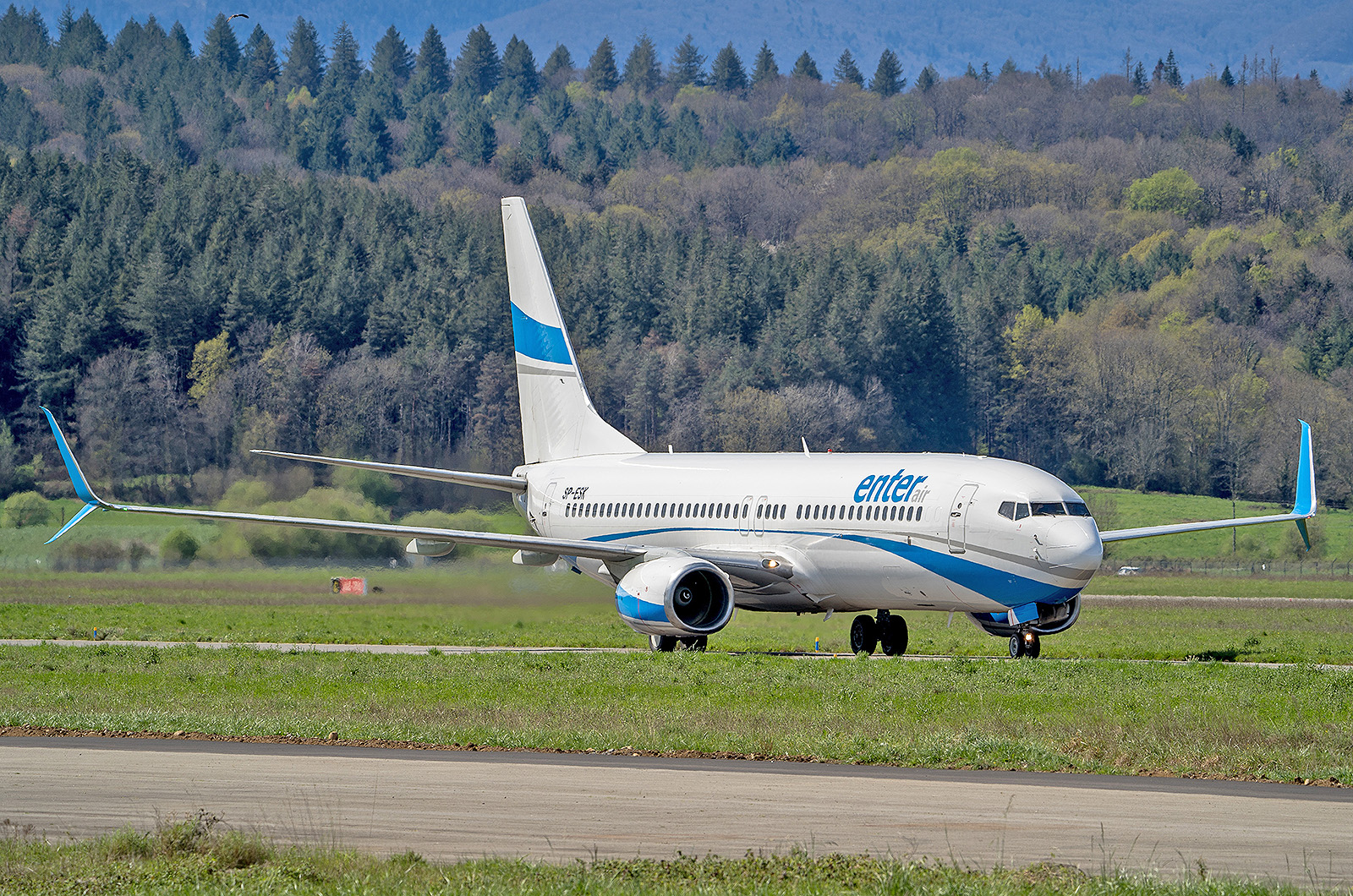
The Boeing 737 is the most successful airliner of all time, thanks to its size, timing, and versatility. First flown in 1967, it remains in production today, with nearly 12,000 units built.
Its design allowed for easy upgrades and efficient operations, making it a favorite among airlines. However, its low ground clearance and engine placement posed challenges when newer, larger engines were introduced.
2: Junkers J 1 (and other early metal types)
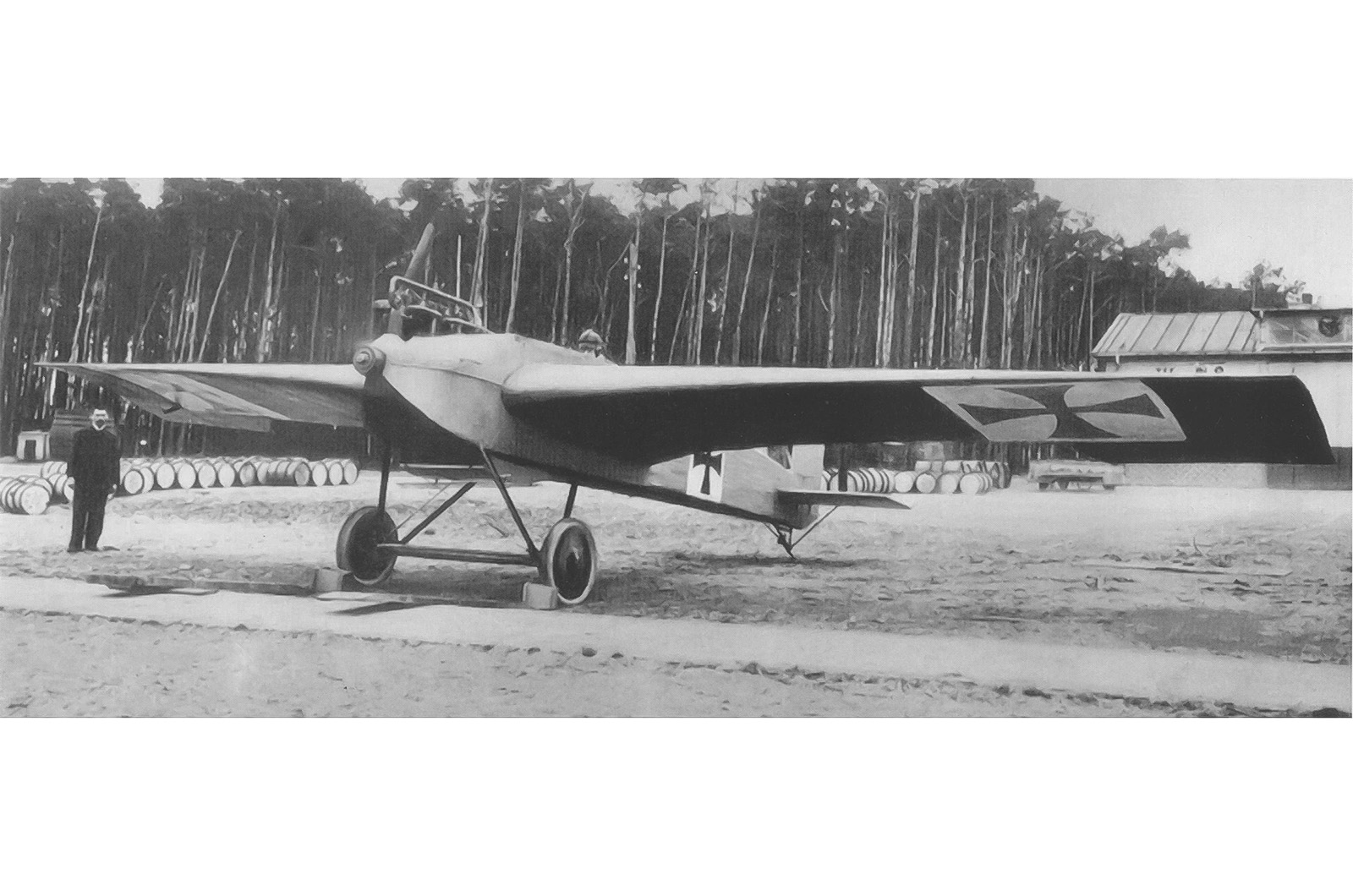
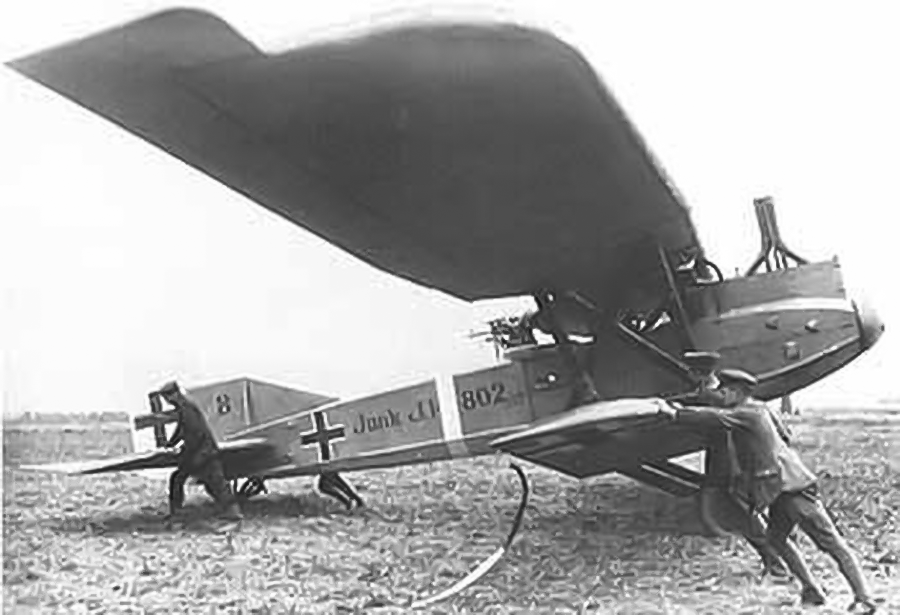
The Junkers J 1 of 1915 was the first all-metal aircraft, featuring corrugated aluminium wings and a steel capsule for protection. It paved the way for future metal aircraft, including the Junkers F13, the world’s first metal airliner.
These early metal designs revolutionized aviation, offering greater strength and durability compared to traditional wood and fabric constructions.
1: Wright Flyer
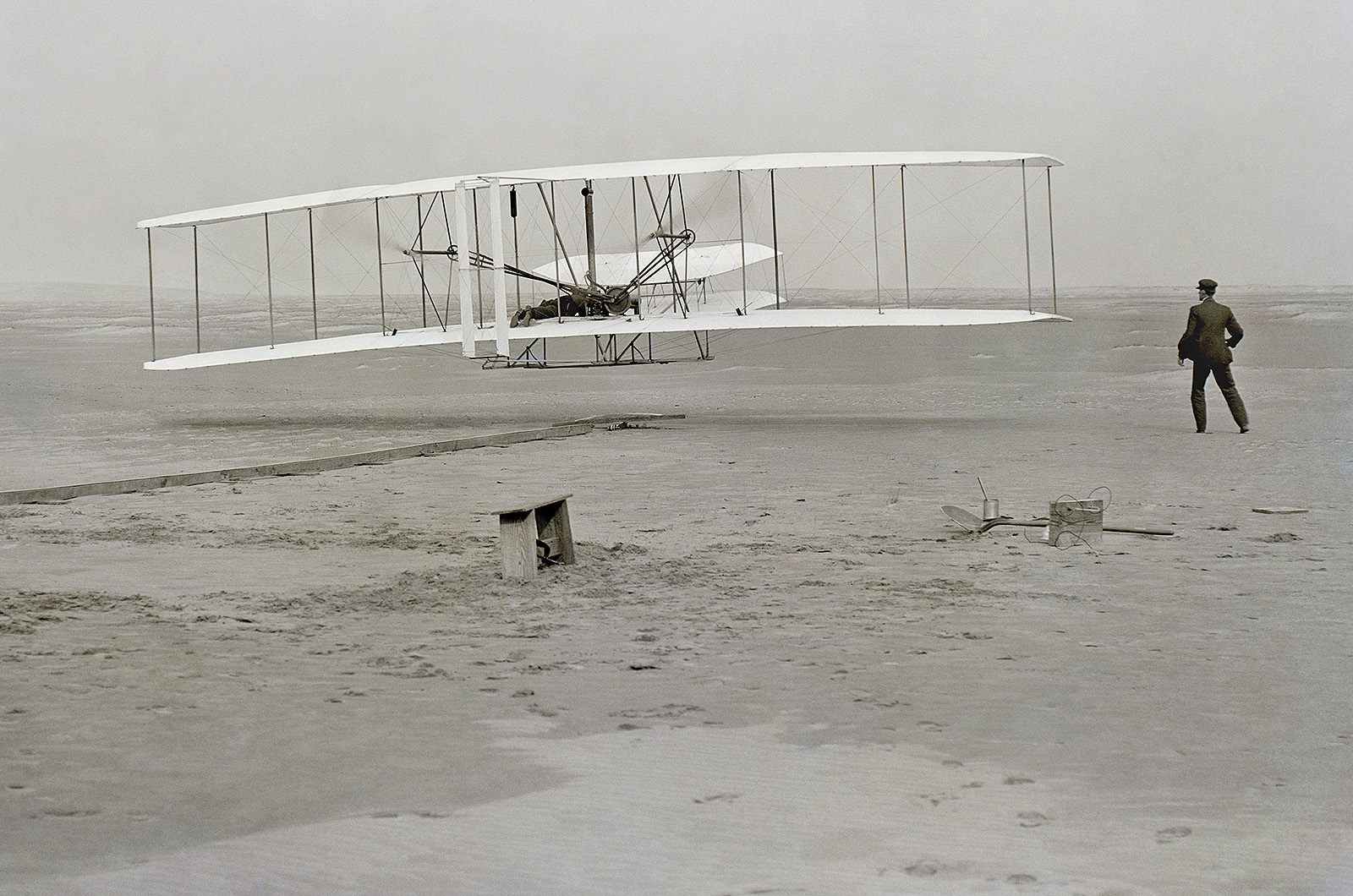
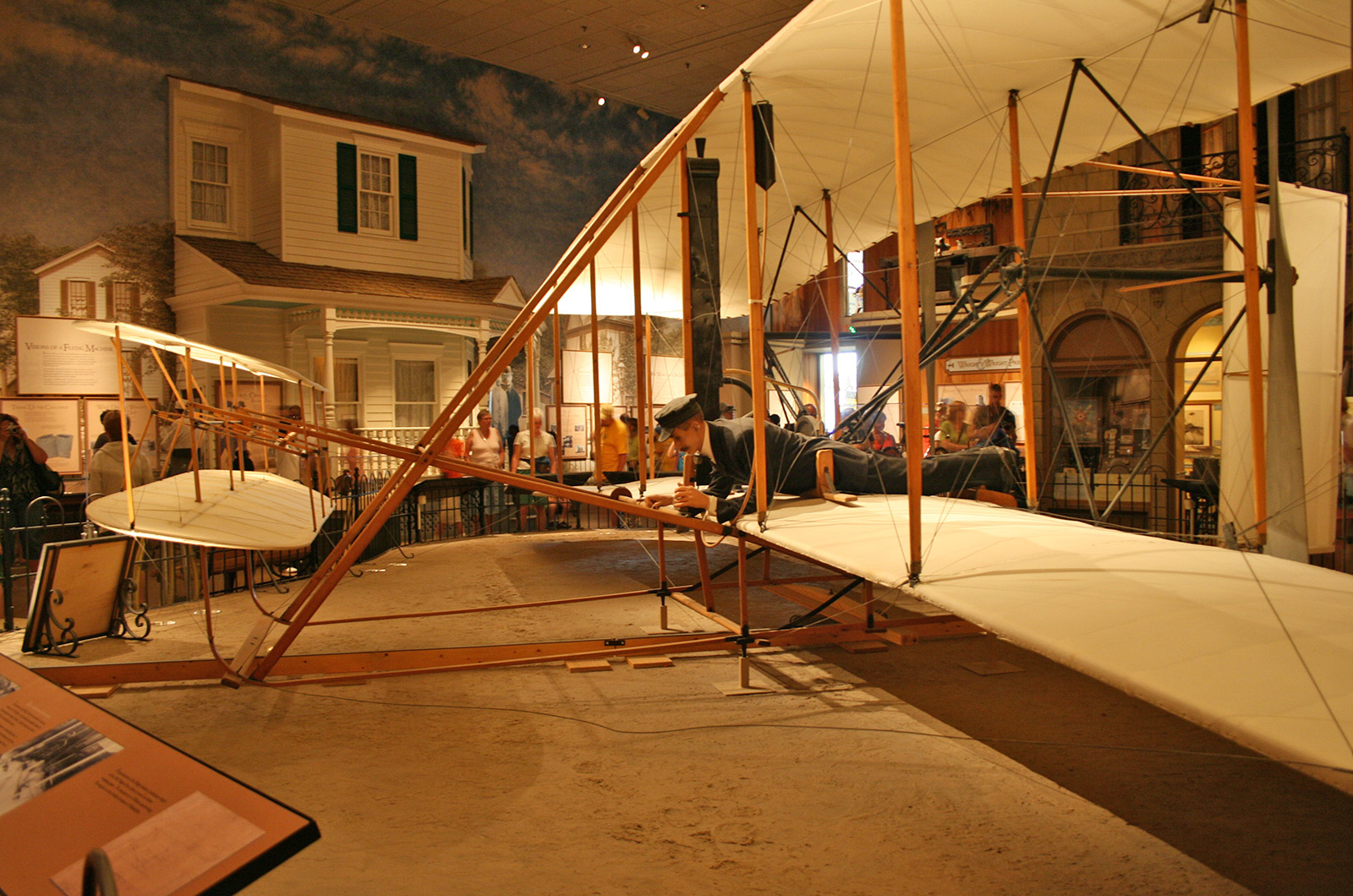
The Wright Flyer made the first sustained flight by a crewed aeroplane on 17 December 1903 in Kitty Hawk, North Carolina. Orville and Wilbur Wright, the inventors, developed the first credible aeroplane and established the field of aeronautical engineering.
Their scientific methods of testing influenced future aircraft development. Sections of the Wright Flyer’s fabric were taken to the moon in 1969, and NASA’s Ingenuity Mars Helicopter carried a small swatch of muslin from the Wright Brothers’ Flyer.