A New Approach to Electric Vehicles
Modern electric cars often compete using increasingly familiar metrics. More range, more power, larger screens, and bigger batteries have become the default way to attract buyers. However, not all manufacturers are following this trend. The new Renault Twingo takes a different approach, focusing on simplicity and joy rather than excess.
Embracing the Original Spirit
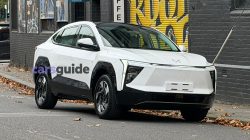
Scheduled to arrive in 2026, the compact EV is designed around something that has become surprisingly rare in the automotive industry: simple joy. Rather than chasing premium positioning or headline-grabbing performance figures, Renault wants the Twingo to be affordable, efficient, and emotionally appealing. This philosophy echoes the original Twingo launched in the early 1990s, a car that became famous not because it was fast or luxurious, but because it made everyday driving feel fun.
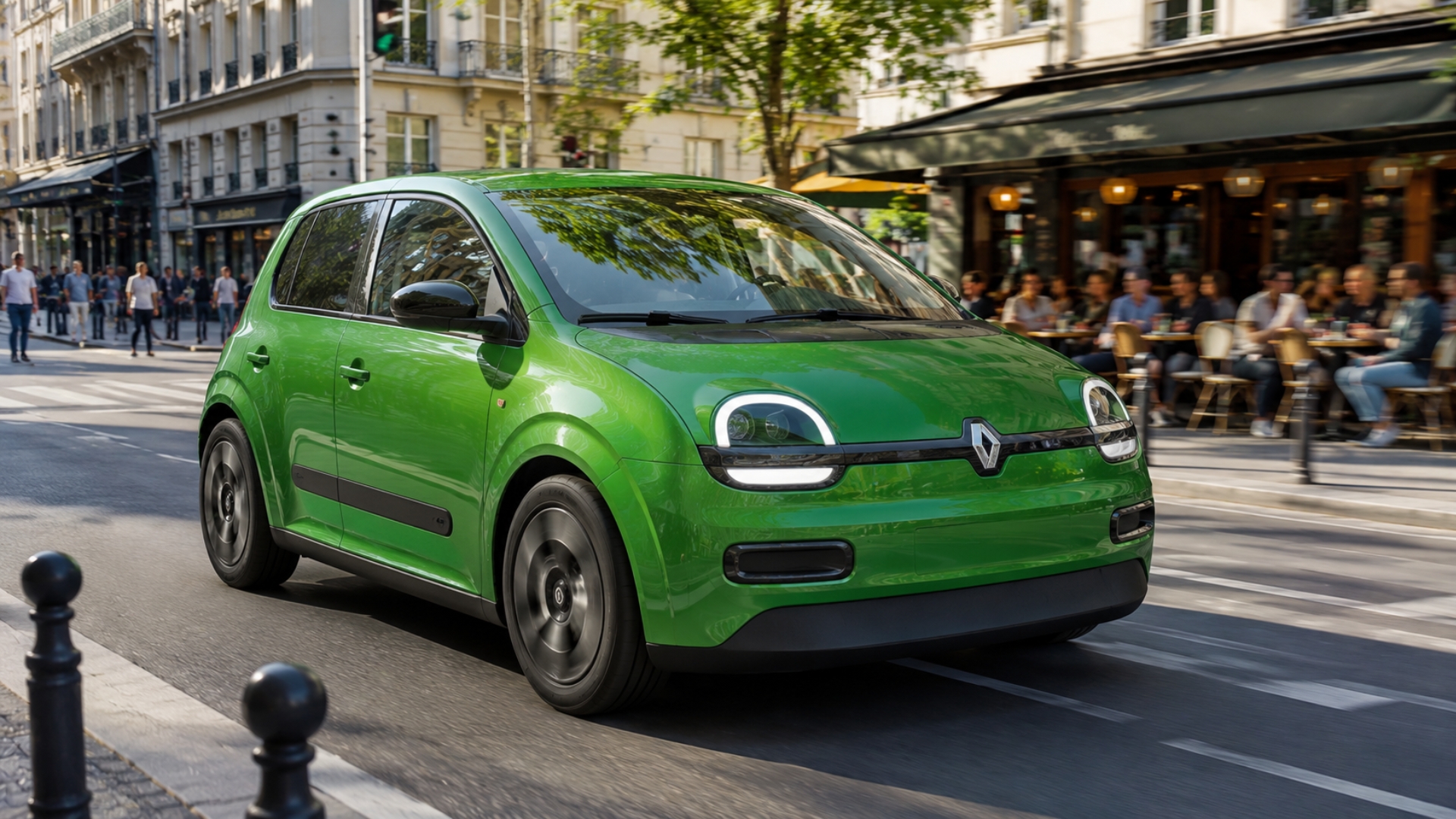
Renault’s designers have not hidden their inspiration. The new model carries many visual cues from the first-generation Twingo, including its friendly facial expression, rounded proportions, compact footprint, and playful character. The result feels refreshingly different in a market where many small crossovers and EVs have started to look increasingly similar.
Retro Design with Purpose
Retro design can easily become a gimmick, but Renault appears to understand why the original Twingo became popular. Its success was never just about styling. It was about making practical transportation feel approachable and human. That same philosophy appears central to the new electric version.
Affordability as a Key Factor
The styling will attract attention, but affordability may ultimately determine whether the Twingo succeeds. Europe’s EV market has struggled with one persistent challenge: many electric vehicles remain too expensive for buyers who simply need basic transportation. Renault has openly positioned the new Twingo as an entry-level EV designed to lower the cost barrier.
This matters because the industry’s transition to electric mobility cannot rely entirely on premium vehicles. For EV adoption to continue growing, manufacturers need cars that ordinary households can realistically afford. Renault has already demonstrated this thinking with vehicles such as the Renault 5 E-Tech. The Twingo pushes that strategy even further into the city-car segment.
The Benefits of Small Electric Vehicles
The automotive industry often treats larger batteries as the ultimate solution. Yet many urban drivers rarely need hundreds of miles of range. Most daily journeys are short, predictable, and conducted in environments where compact dimensions are far more useful than extreme battery capacity.
A smaller EV can bring several advantages. It can weigh less, consume less energy, require fewer raw materials, and potentially cost less to manufacture. Those benefits become increasingly important as automakers search for profitable ways to build affordable electric vehicles. The Twingo is expected to embrace that logic rather than fight against it.
More Than Just a Budget EV
Affordable cars often face a difficult challenge. Keeping costs low can sometimes result in products that feel stripped back or compromised. Renault appears determined to avoid that trap. The company wants the Twingo to be desirable in its own right rather than simply the cheapest option available.
That distinction is important. Consumers rarely buy cars based solely on practicality. Design, personality, and emotional appeal remain powerful influences, even at lower price points. The original Twingo understood this decades ago. The new version appears to be following the same playbook.
The Future of Electric Vehicles
Much of the EV conversation focuses on flagship models, luxury crossovers, and high-performance vehicles. Yet the long-term health of the electric market may depend more on affordable models that appeal to ordinary drivers. Not every customer wants a large SUV or a premium technology showcase. Many simply want a compact, efficient, and enjoyable car that fits comfortably into daily life.
That is where the new Twingo could become particularly significant. Renault is not trying to build the fastest EV, the longest-range EV, or the most technologically complex EV. Instead, it is attempting something arguably more difficult: creating an electric car that people genuinely want to own because it makes them smile. If Renault delivers on its affordability promises while preserving the charm shown so far, the Twingo could become one of the most important small EV launches of 2026.