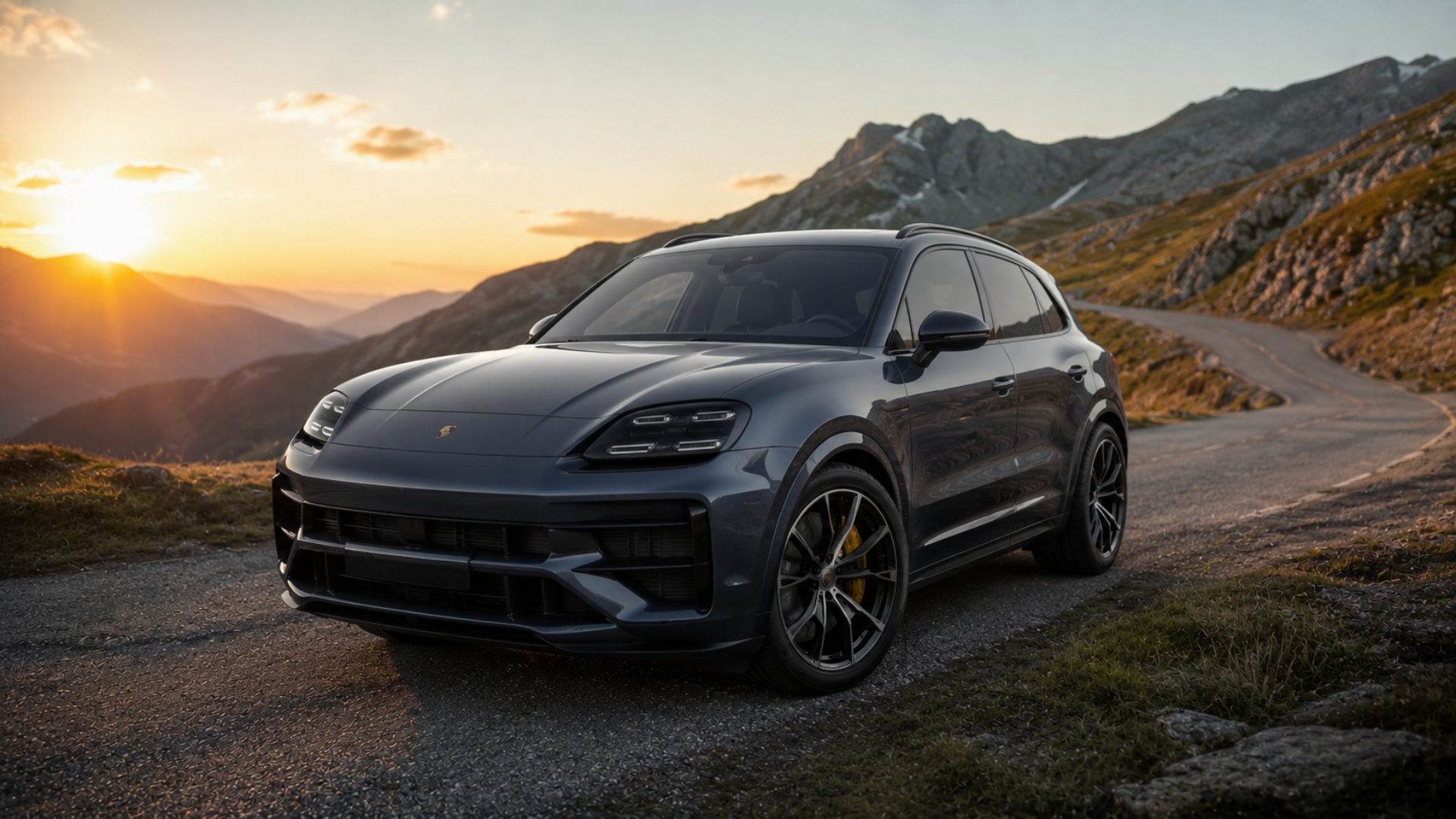
The Evolution of Porsche’s Electric Ambitions
Porsche is not just aiming to produce another fast electric vehicle. It’s striving to create an electric SUV that embodies the essence of a true Porsche. In today’s automotive landscape, building a quick electric SUV is no longer a unique feat. Almost every premium manufacturer now offers an EV capable of astonishing acceleration, with many reaching 60 mph in under four seconds. However, for Porsche, the challenge lies in crafting an electric SUV that feels like a genuine Porsche.
This distinction explains why the upcoming Cayenne Turbo Electric could be one of the most significant vehicles in Porsche’s history. The Cayenne has played a crucial role in transforming Porsche from a niche sports-car brand into one of the world’s most profitable automotive companies. Therefore, any electric successor carries immense expectations.
Performance Targets Are Ambitious
Porsche has already provided glimpses of what the Cayenne Turbo Electric is capable of. Development prototypes have demonstrated impressive performance credentials, including notable hill-climb appearances and testing programs designed to showcase the SUV’s ability to deliver sustained speed rather than just brief bursts of acceleration.
This focus is essential because electric performance is no longer judged solely by headline power figures. Buyers increasingly want reassurance that a vehicle can consistently deliver its performance without excessive heat buildup, battery limitations, or fading capability. Porsche’s reputation has been built on consistency, and the company understands that this expectation follows it into the EV market.
Preserving the Cayenne’s Character
The current Cayenne occupies a unique position in the performance SUV segment. It offers sports-car-like handling while maintaining the practicality expected from a luxury family vehicle. Achieving this balance has helped make it a benchmark in its class for over two decades.
An electric powertrain changes many of the variables that traditionally define a vehicle’s character. Battery packs add weight. Power delivery becomes instantaneous. Engineers must rethink chassis tuning, steering feel, brake calibration, and weight distribution. Simply replacing the engine with electric motors is not enough.
The success of the Cayenne Turbo Electric will depend on whether Porsche can preserve the driving experience that existing Cayenne owners expect.
A New Battleground for Performance SUVs
The luxury EV market is becoming increasingly crowded. Manufacturers such as Tesla, Mercedes-Benz, BMW, Lotus, Lucid, and several emerging Chinese brands are all competing for buyers seeking high-performance electric SUVs. Many offer extraordinary acceleration figures and increasingly sophisticated technology packages.
That competition means Porsche cannot rely solely on brand reputation. Instead, it must convince buyers that the Cayenne Turbo Electric delivers something rivals struggle to replicate: a sense of engineering cohesion. Historically, Porsche’s best products have not necessarily dominated individual specification categories. They have excelled because every element works together.
This philosophy will face one of its biggest tests in the electric SUV segment.
Beyond the Cayenne: Porsche’s Electric Future
The significance of this vehicle extends beyond a single model launch. Porsche’s electric future depends heavily on proving that iconic nameplates can transition successfully to battery power. The Taycan demonstrated that Porsche could build a compelling electric sports sedan. The electric Macan is now attempting to do the same in the compact SUV market.
The Cayenne represents the next major step. Unlike niche sports cars, SUVs account for a substantial portion of Porsche’s global sales volume. A successful electric Cayenne would strengthen confidence in the company’s broader EV strategy. A disappointing one would raise uncomfortable questions about how easily traditional performance identities can survive the transition.
Porsche’s Hardest EV Test Yet
The upcoming Cayenne Turbo Electric arrives with unusually high expectations. Customers expect class-leading performance. Regulators demand lower emissions. Rivals continue pushing technology and range figures higher. At the same time, Porsche must preserve the qualities that made the Cayenne successful in the first place.
That balancing act is why this vehicle matters. The most important number may not be horsepower, battery capacity, or acceleration time. It may be whether drivers climb out of the Cayenne Turbo Electric feeling the same connection they have long associated with Porsche’s best vehicles. If the answer is yes, the company could have another benchmark on its hands. If not, it will serve as a reminder that translating a legend into the electric age is far more complicated than replacing an engine with a battery.