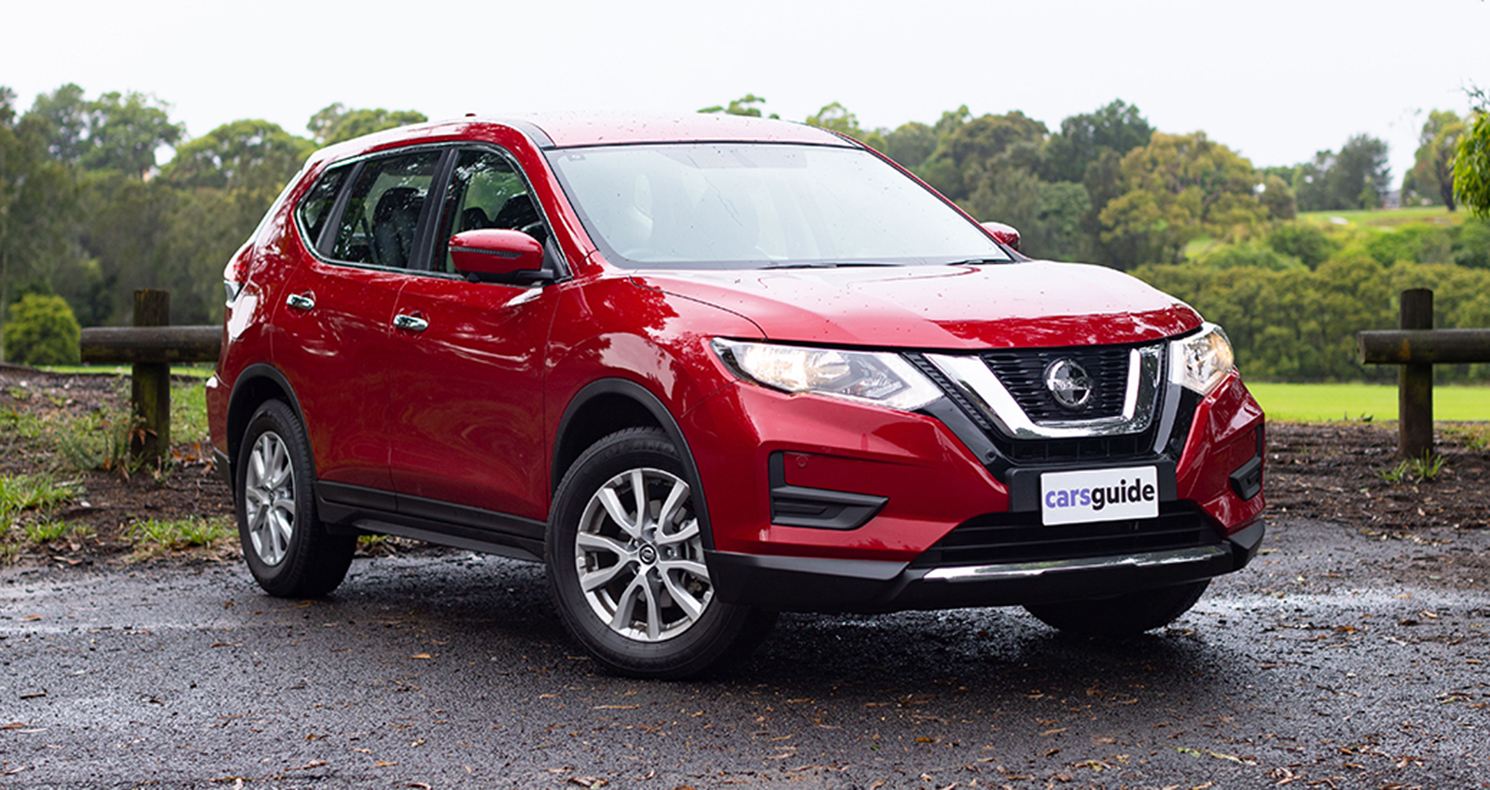
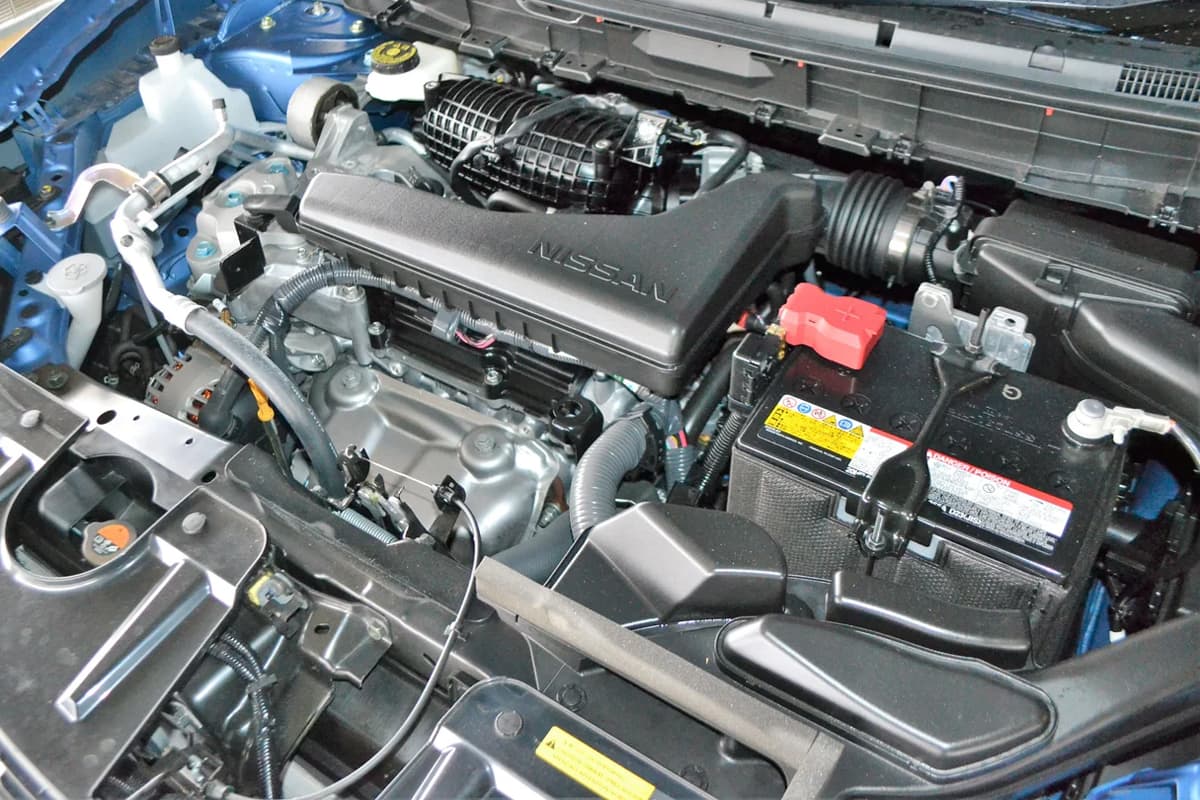
The Nissan X-Trail, once a trailblazer in the mid-sized SUV segment, evolved into its third generation (codenamed T32) in 2014. While it offered versatility with five or seven-seat configurations, front-wheel or all-wheel drive options, and a choice of two petrol engines – a 2.0-litre producing 106kW and a 2.5-litre with 126kW – it found itself in a crowded market. Initially, the smaller 2.0-litre engine was available across the board, but opting for seven seats or all-wheel drive necessitated the more potent 2.5-litre engine, which was exclusively paired with a Continuously Variable Transmission (CVT). The 2.0-litre, on the other hand, could be had with a six-speed manual.
A turbo-diesel option was also on offer, delivering 96kW and available in either front- or all-wheel drive. This diesel variant was strictly a five-seater. The transmission pairing for the diesel was somewhat counterintuitive: the front-wheel-drive diesel featured a CVT, while the all-wheel-drive diesel exclusively used a six-speed manual.
The all-wheel-drive system in the T32 X-Trail was primarily front-wheel drive, with power only being directed to the rear axle when the vehicle’s computer detected wheel slip. A lockable all-wheel-drive mode was available for slippery conditions, but it was limited to speeds of up to 40km/h.
Is the Nissan X-Trail a Good Car?
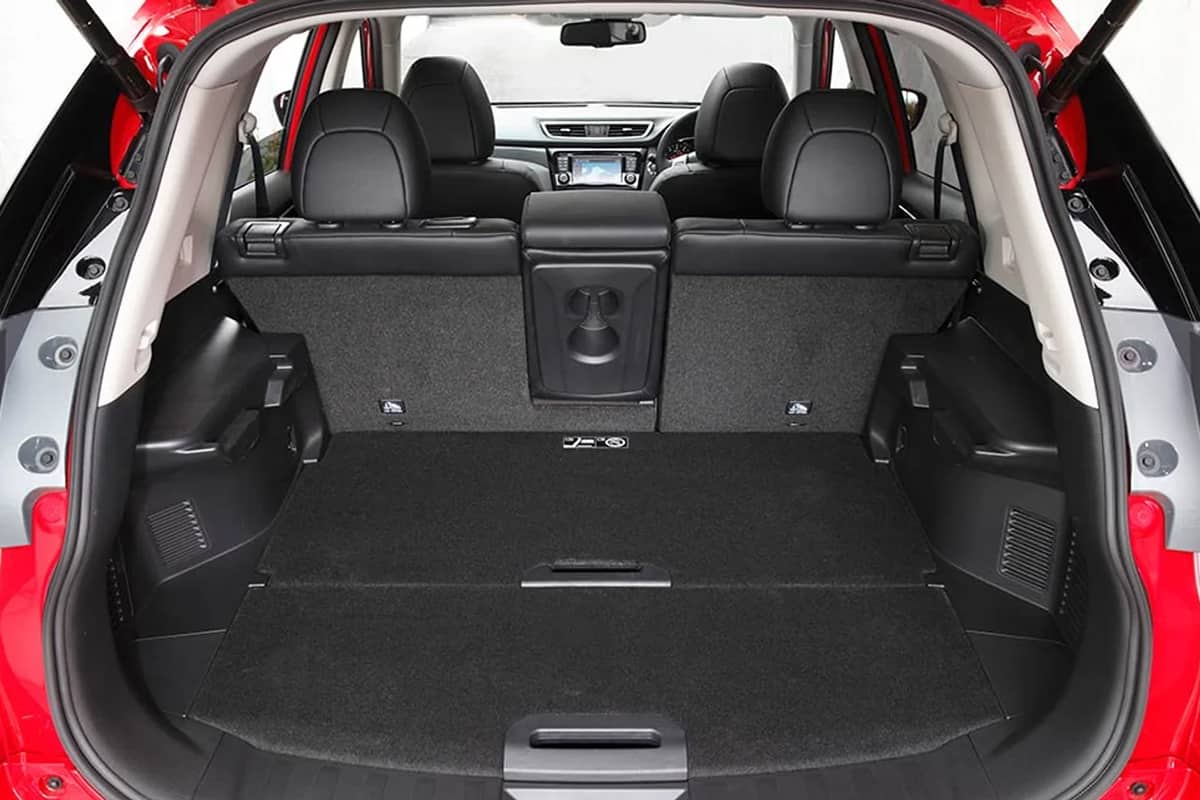
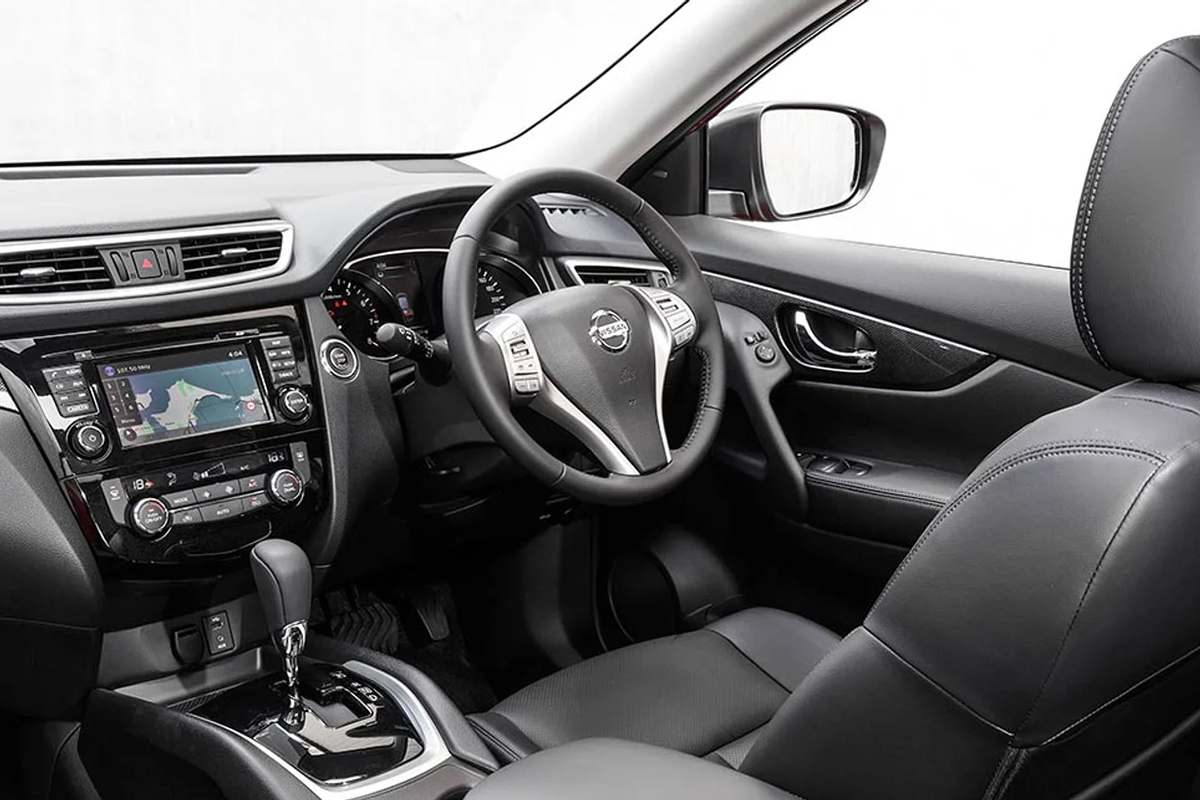
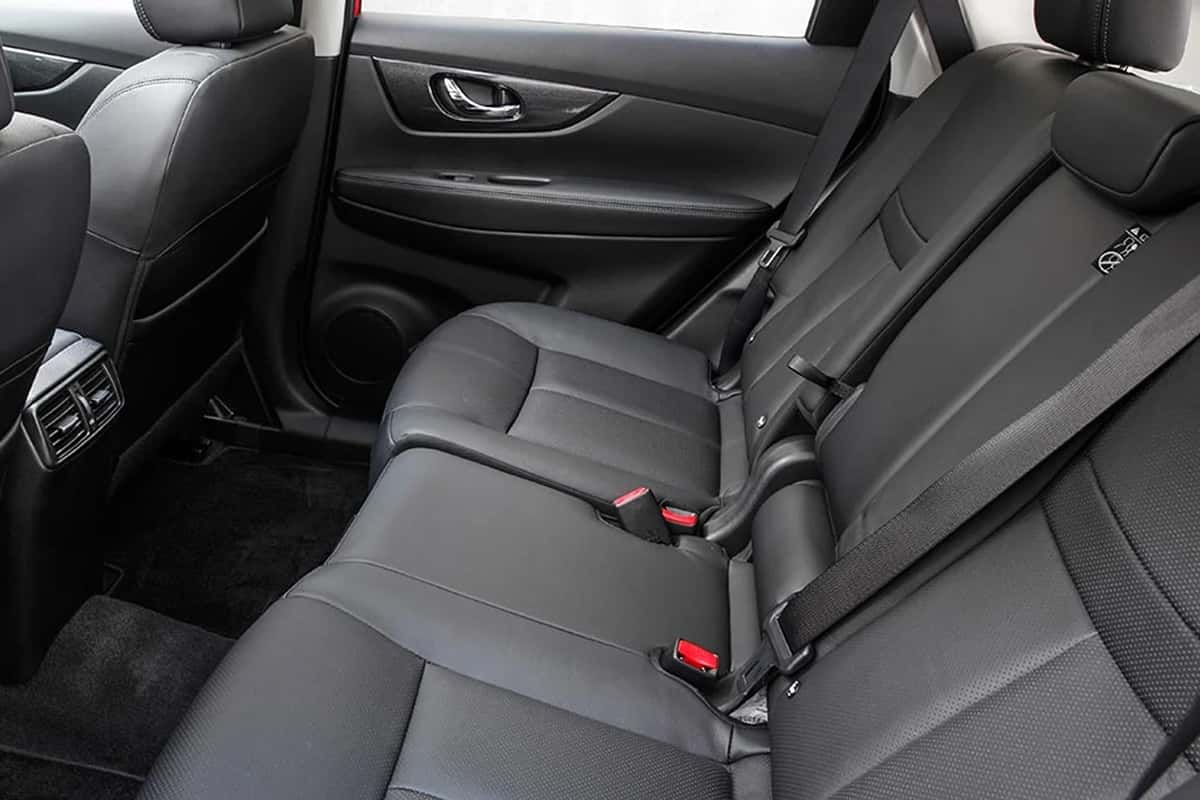
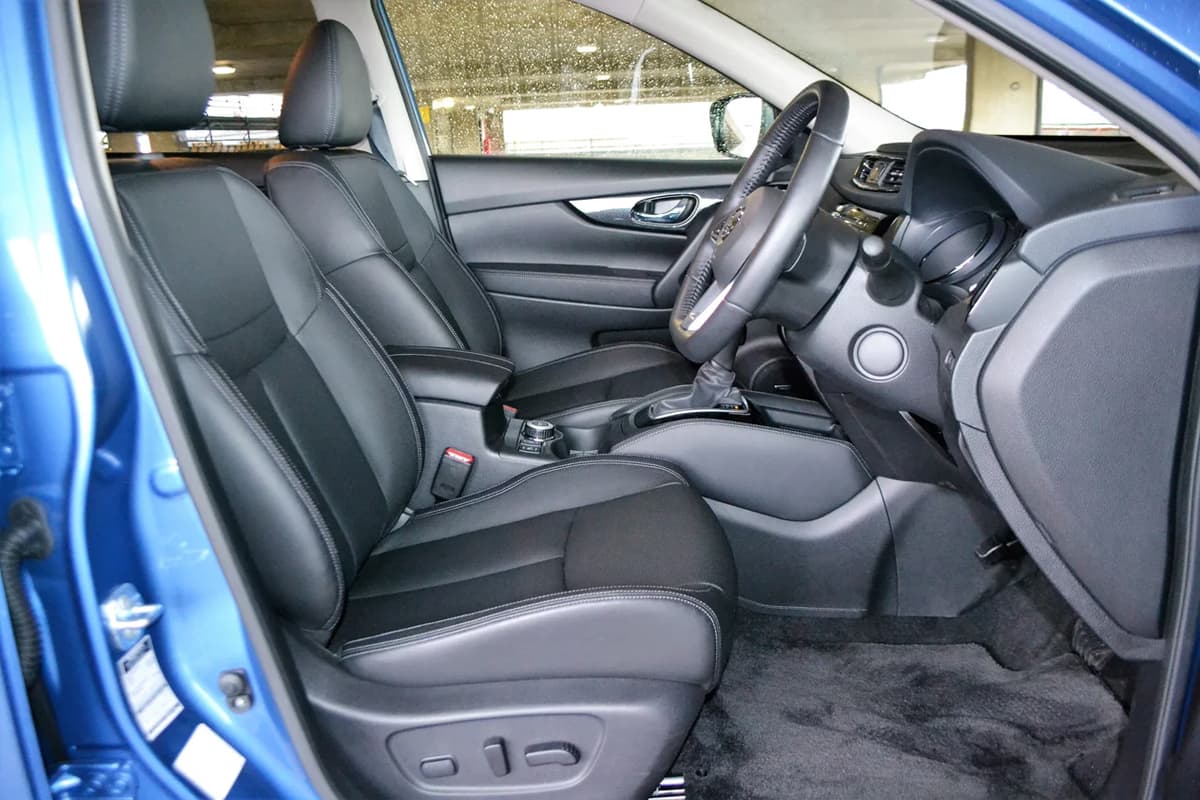
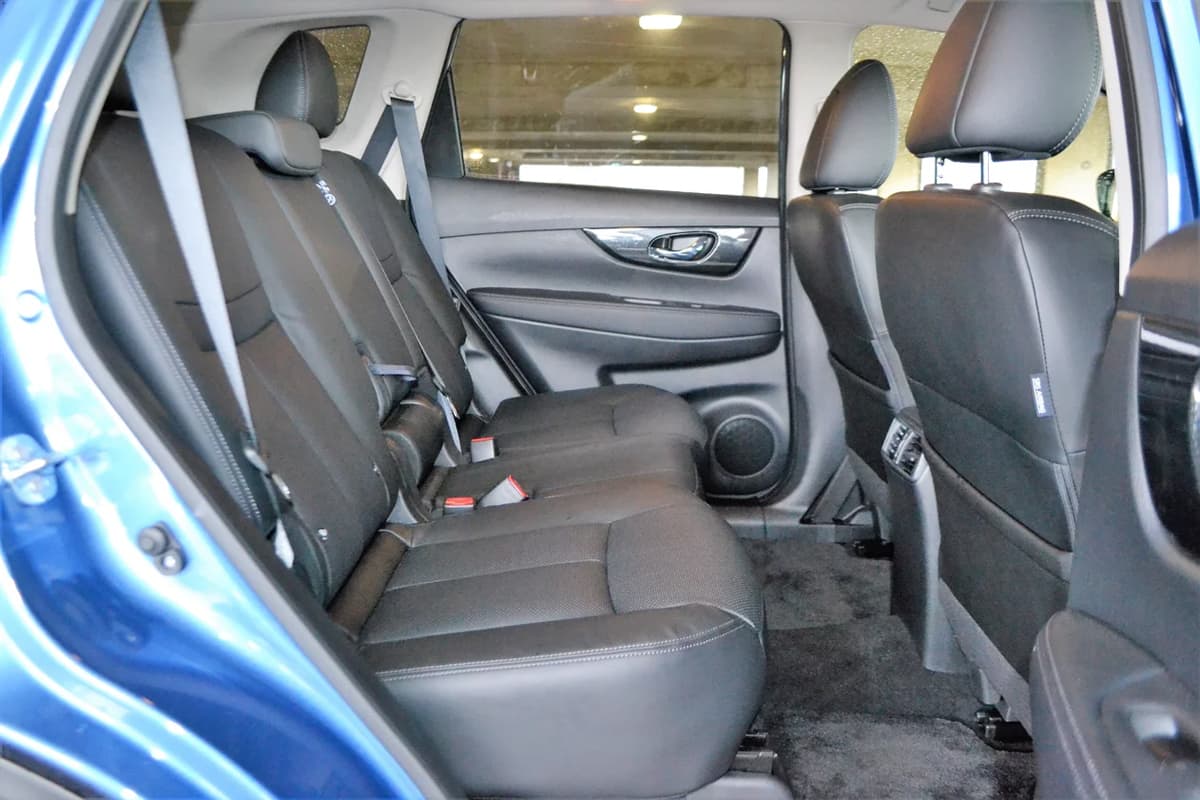
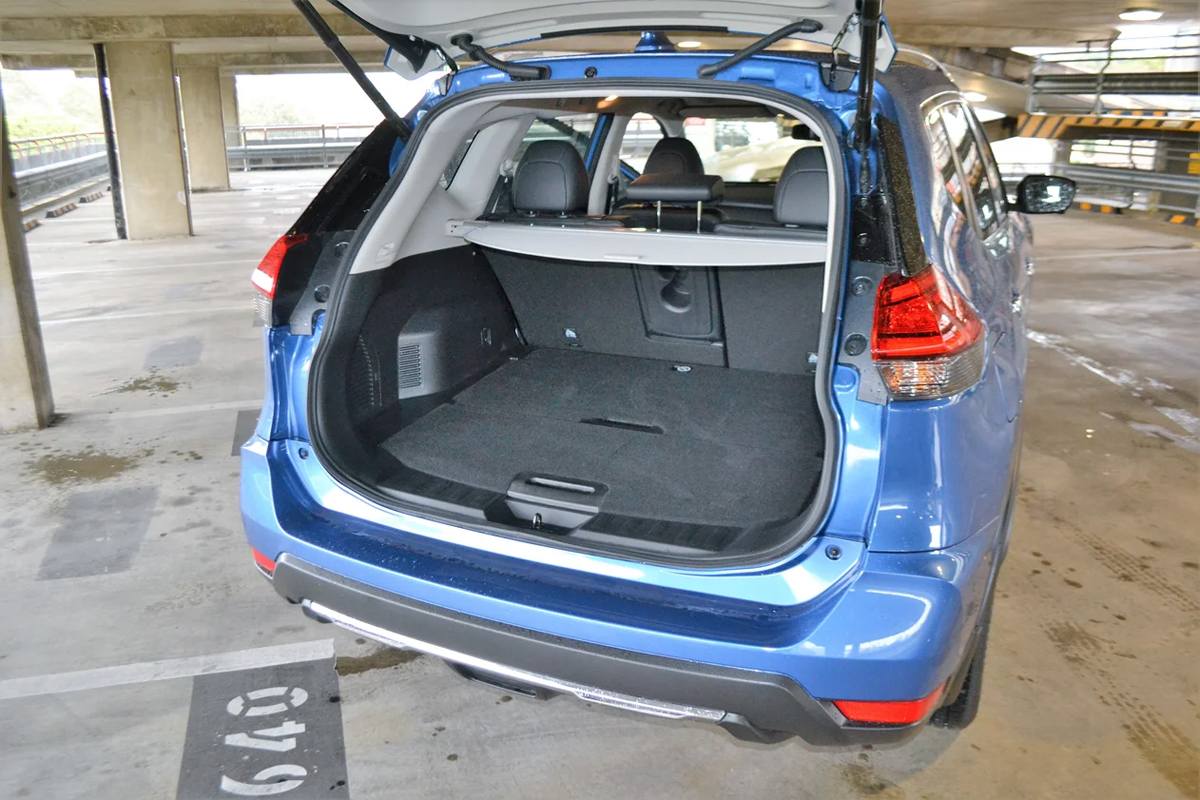
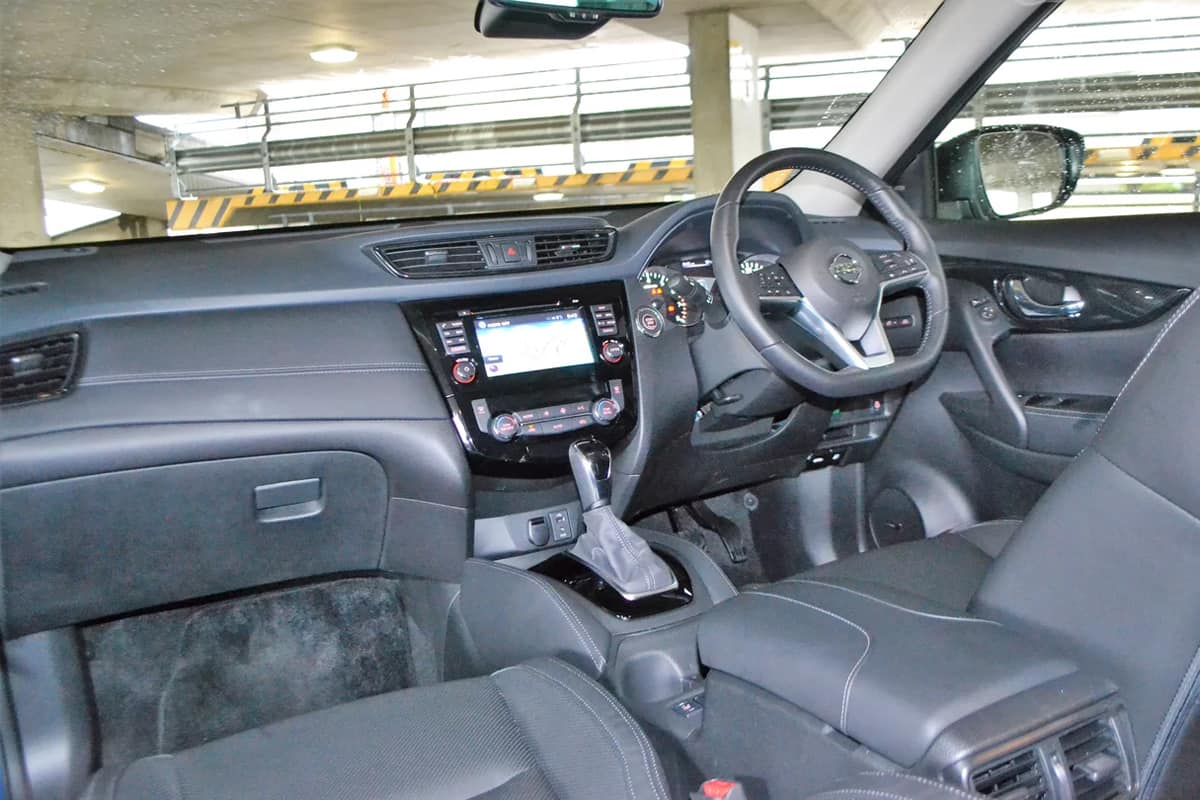
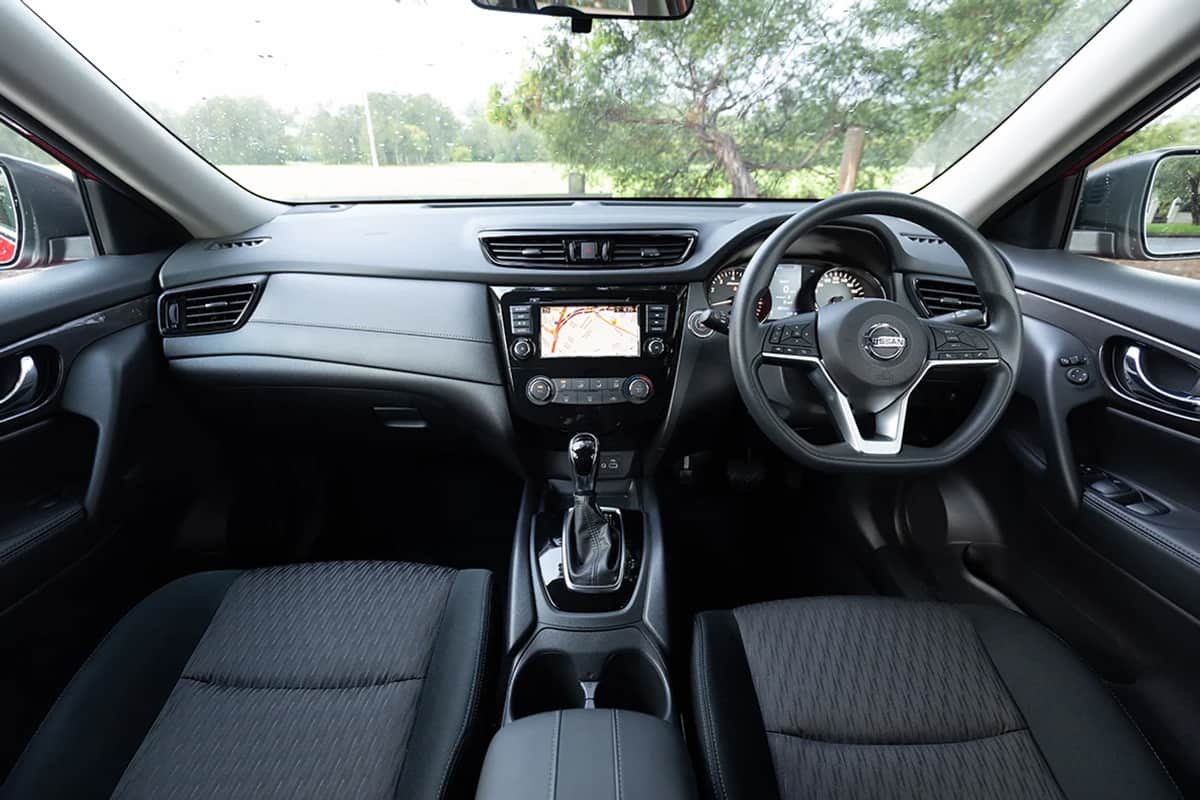
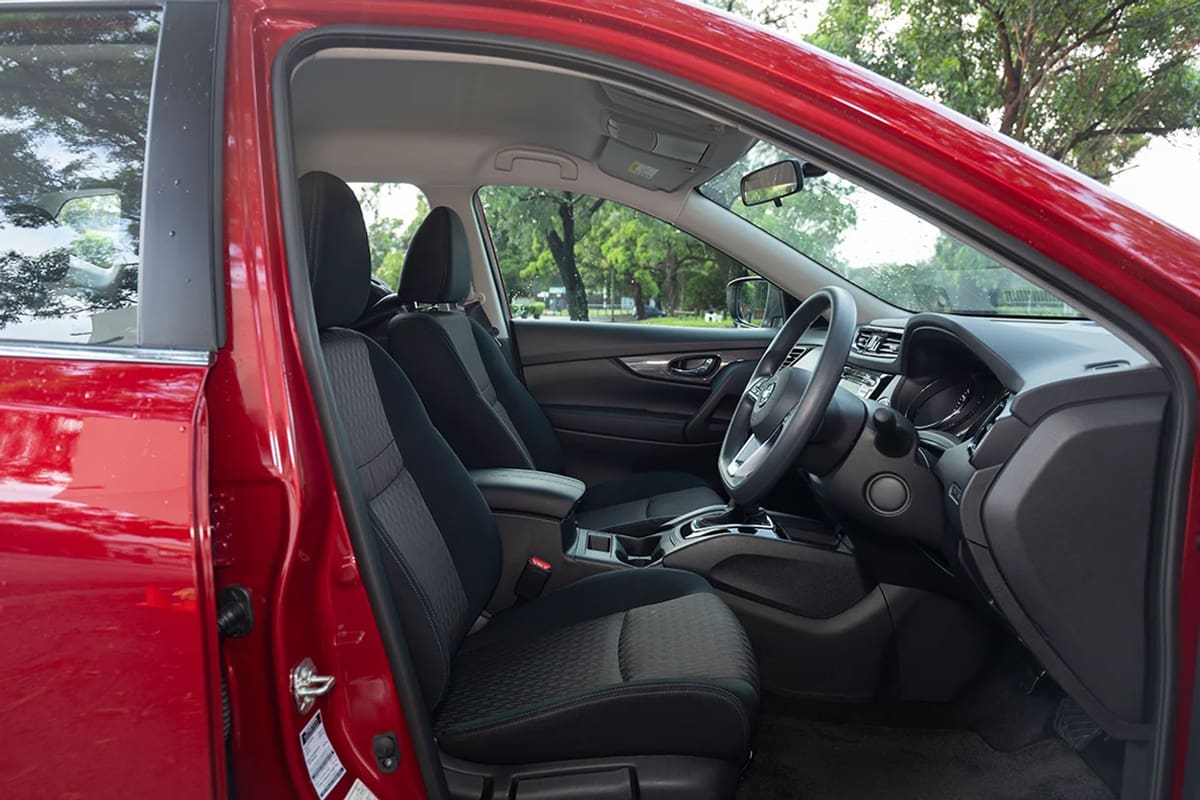
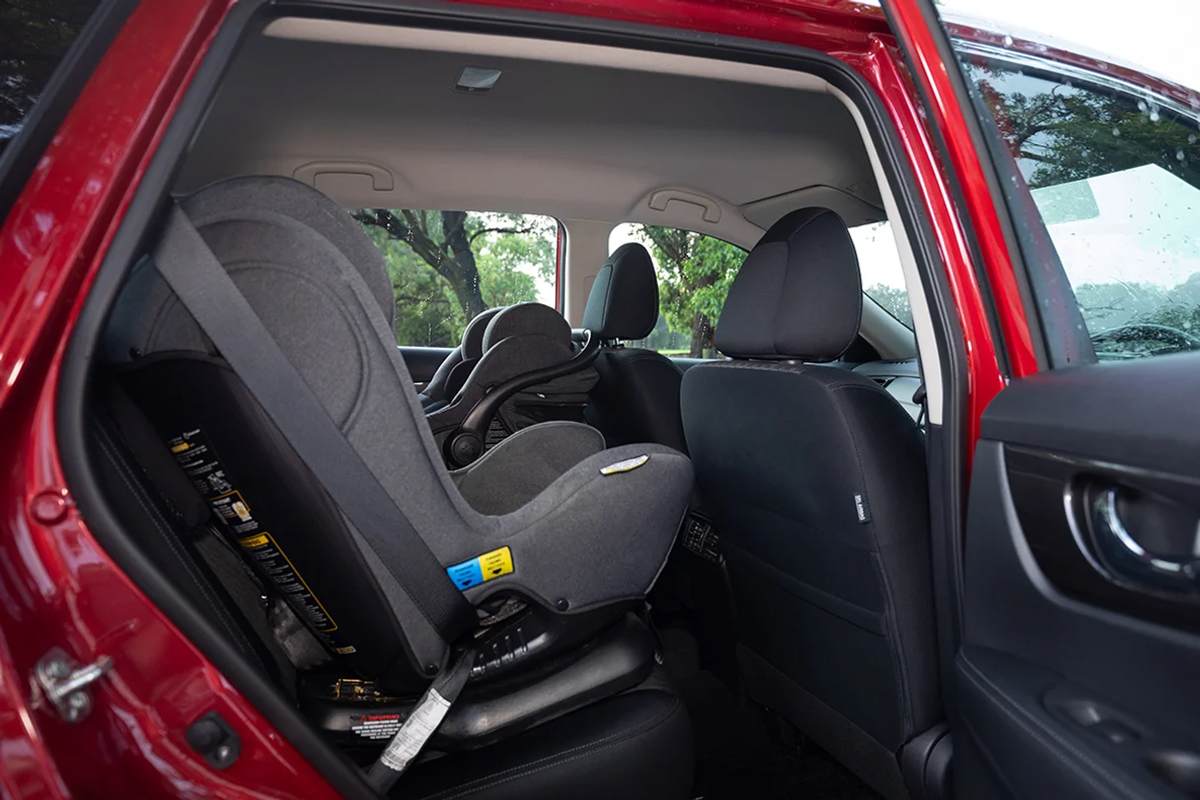
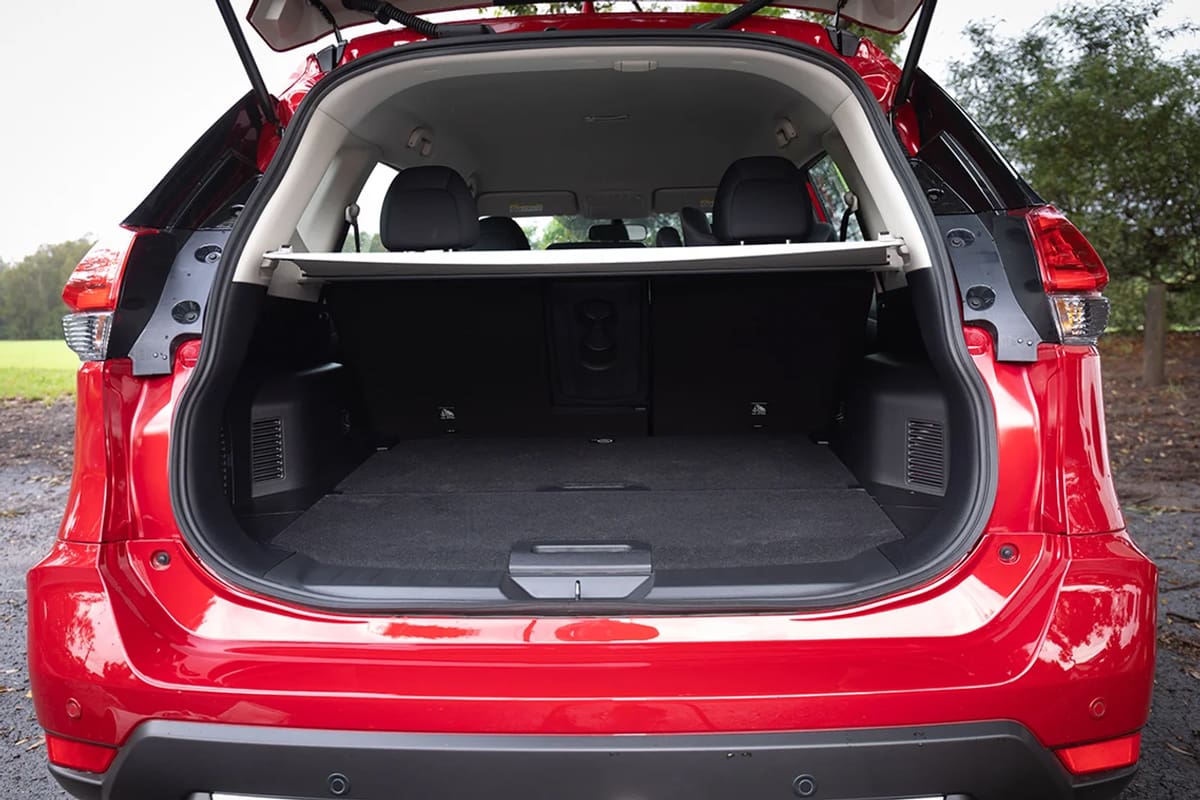
For many Australian families, the X-Trail has proven to be a capable and well-packaged vehicle. Its boxy design contributes to a surprisingly spacious interior. However, the third row in the seven-seat variants is notably cramped, making it suitable for younger children but less so for teenagers or adults. The front seats, conversely, are generally praised for their comfort.
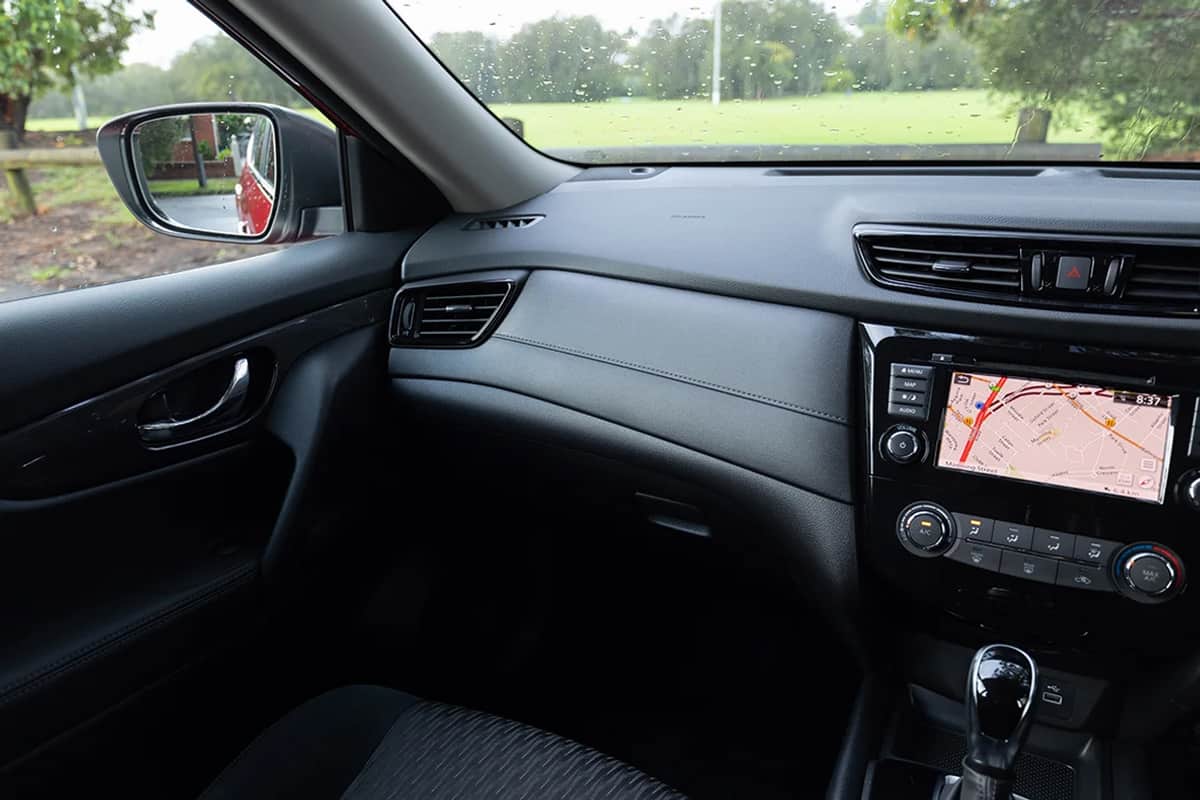
Inside, some of the interior plastics feel a little budget-conscious, and the cabin can show wear and tear quite quickly, especially in households with young children.
On the road, the X-Trail offers a decent level of refinement, though some road noise can be noticeable. The turbo-diesel engine can feel a bit hesitant from a standstill, and the larger 2.5-litre petrol engine is generally considered the more satisfying option in the lineup. The X-Trail’s enduring popularity, despite increasing competition, speaks volumes about its fundamental appeal.
Nissan X-Trail Reliability
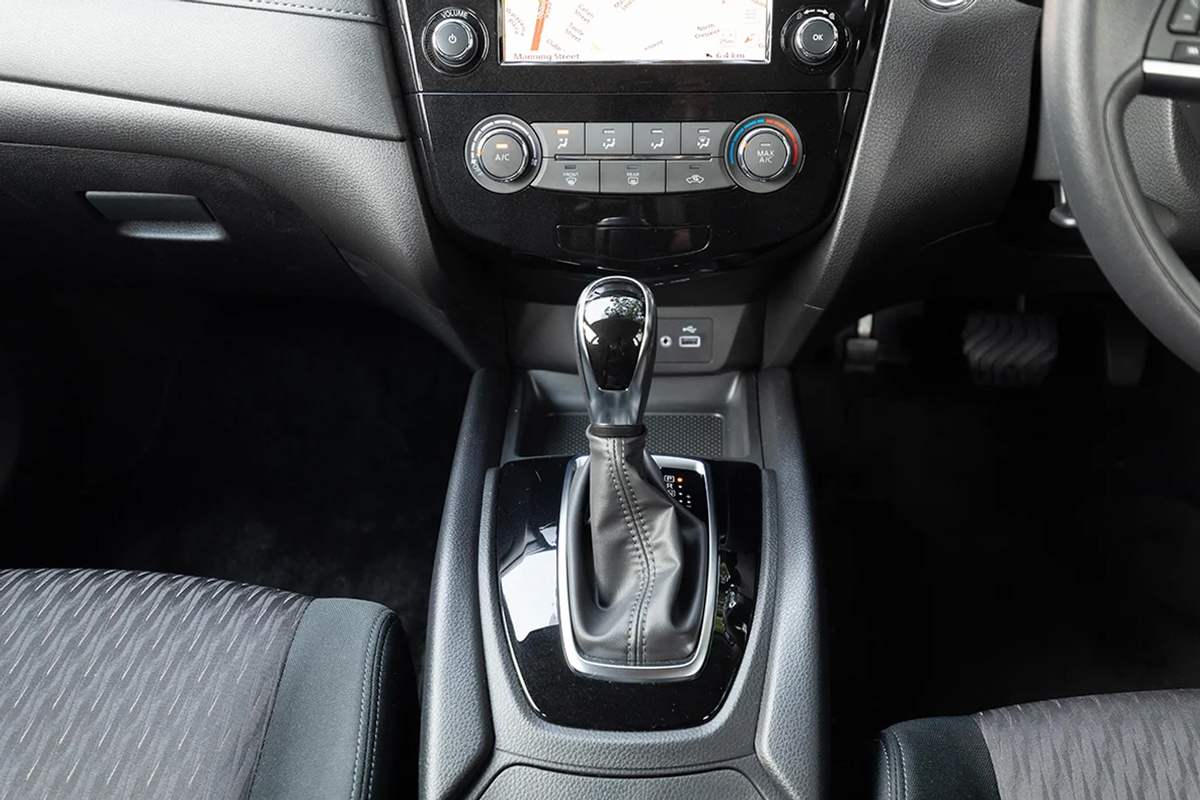
Fundamentally, the T32 X-Trail is considered a solid and dependable vehicle. However, there’s a significant caveat, particularly for models equipped with the CVT. Manual transmission versions appear to be largely unaffected, but the CVT transmissions fitted to 2.5-litre petrol models and the front-wheel-drive turbo-diesel variants have been known to develop issues.
Beyond the CVT concerns, the engines themselves are generally robust and reliable. Given that the X-Trail is not typically used for heavy off-roading, there’s less likelihood of encountering vehicles that have been subjected to extreme abuse.
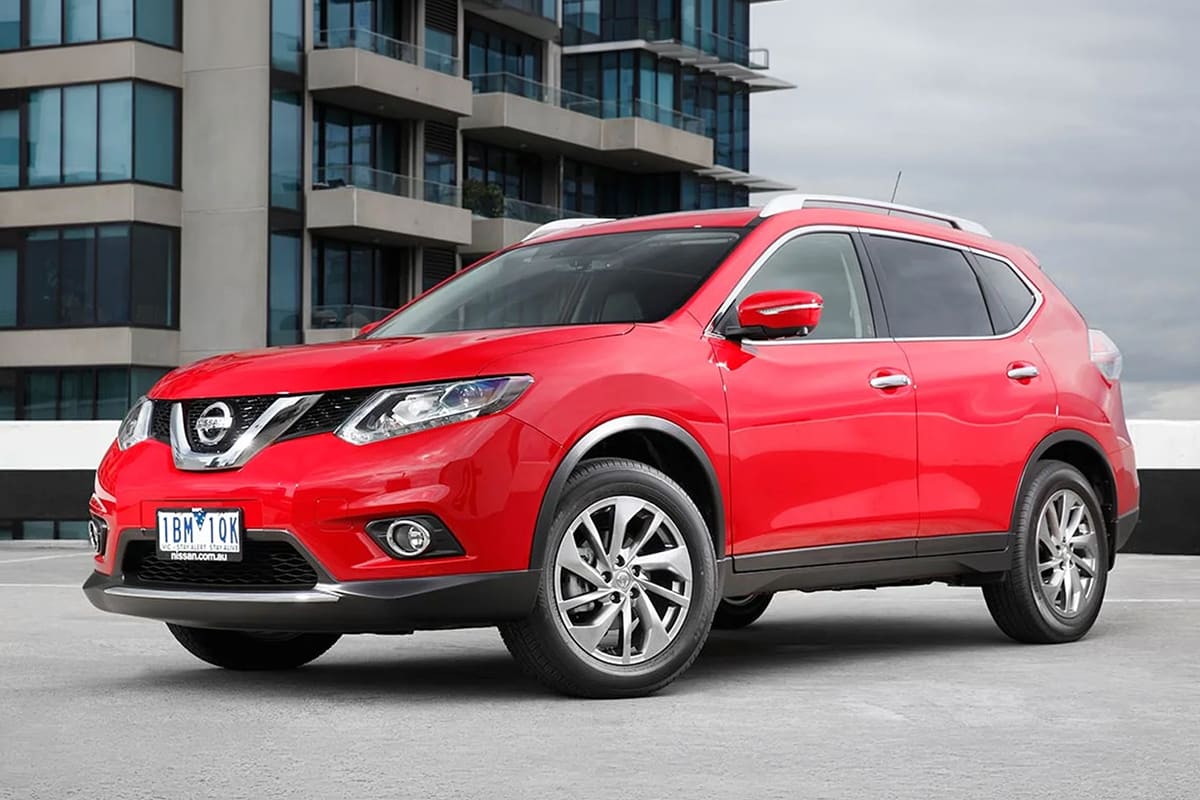
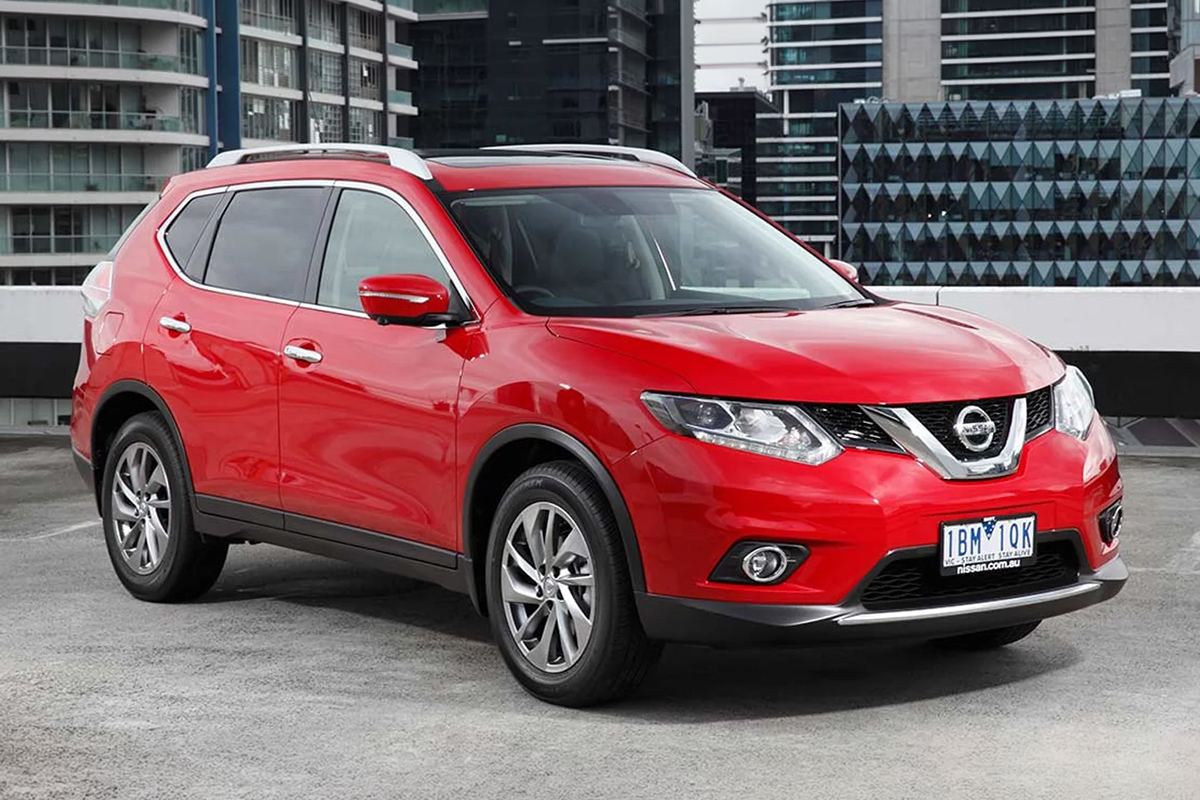
Common Nissan X-Trail Problems
The primary reliability concern centres around the CVT transmission. Symptoms can include slow engagement when shifting between Drive and Reverse, as well as juddering or shuddering at low speeds or with light throttle input.
The exact cause can be elusive, but it’s understood that some Nissan dealerships have investigated by removing the CVT’s cover to inspect the steel drive belts for signs of slippage and wear. If significant wear is detected, a complete CVT replacement is often the recommended solution, though sometimes a repair to the unit’s valve body, which governs its operation, can suffice.
There are also reports of some dealers flushing the CVT’s cooler. This suggests that belt wear might lead to the shedding of small metallic particles that can contaminate the cooler. It’s conceivable that these particles could circulate and damage other components within the CVT.
Therefore, it is absolutely crucial to ensure that any CVT-equipped X-Trail you are considering has a comprehensive and meticulously maintained service history.
Nissan X-Trail Recalls
This generation of the X-Trail has largely been free from major safety recalls, but a couple are worth noting:
- 2014 Models – Fuel Pressure Sensor: Cars manufactured in 2014 could have a fuel pressure sensor that was not adequately secured to the fuel system. Over time, this could lead to a fuel leak under the bonnet.
- 2014-2016 Models – Tailgate Gas Struts: A batch of gas struts used on the tailgates of X-Trails built between 2014 and 2016 may have lacked proper rust-proofing. This could cause them to fail, rendering them unable to support the weight of the open tailgate.
A Nissan dealer can check your vehicle’s VIN to determine if it was affected by these recalls and whether the necessary repairs have been carried out. For further information, you can consult the Australian government’s vehicle recalls website.
Nissan X-Trail Years to Avoid
Aside from the early recalls, there’s little to distinguish one production year from another in terms of inherent flaws. The key is to prioritise condition and kilometres travelled over a specific build date. Crucially, any prospective purchase must have an impeccable and complete service history.
Nissan X-Trail Kilometre Considerations
Nissan engines are generally known for their durability and longevity. However, the lingering concern over CVT reliability in many X-Trail models means that opting for a vehicle with fewer kilometres is generally advisable.
While examples with over 300,000km do appear on the market, they are the exception. The earliest T32 X-Trails are still relatively young, so high mileage is more a reflection of their age than an inability to clock up kilometres. Nevertheless, a vehicle with mileage closer to 160,000km is likely to be a safer bet.
Nissan X-Trail Best Model to Buy
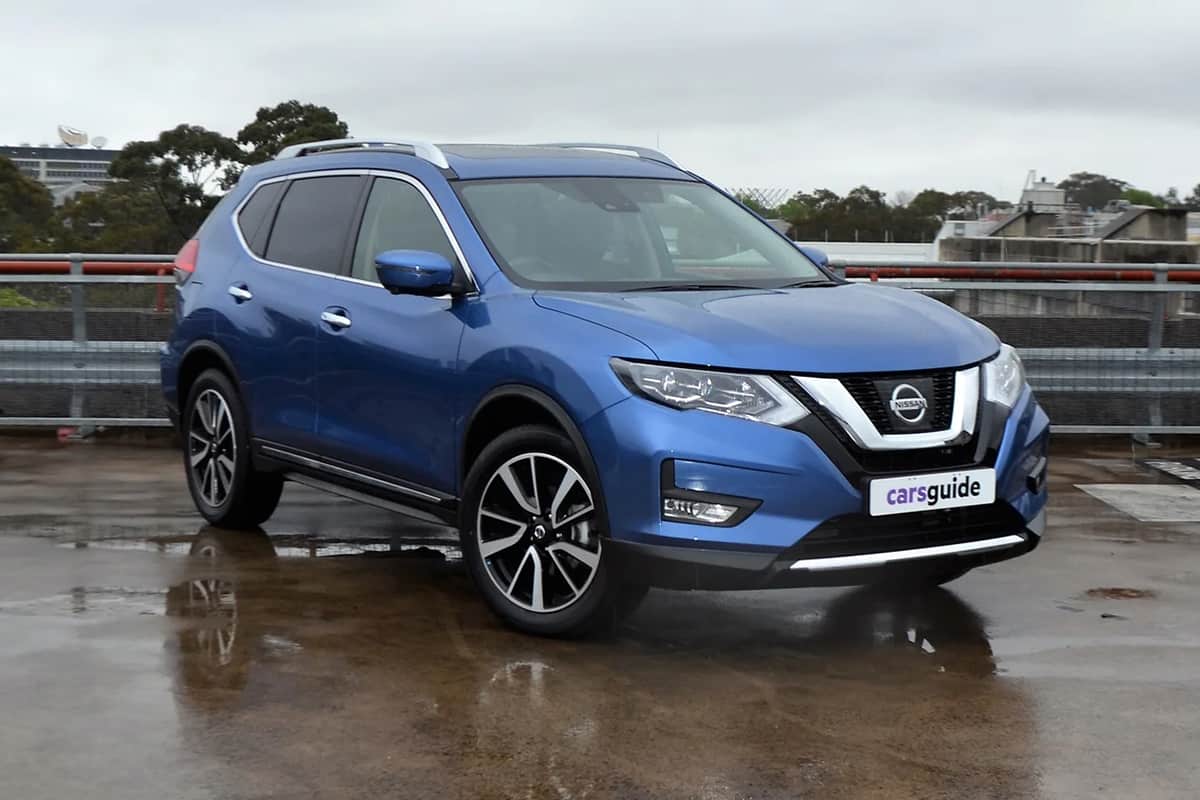
As with many used vehicles, the price disparity between base models and higher-specification variants tends to diminish over time. This means that acquiring a more feature-rich version now might not cost significantly more but will provide better standard equipment and potentially enhanced safety features. With this in mind, the Ti version is often a good target, as it included features like lane departure and lane-keeping assistance earlier than lesser trims.
Nissan X-Trail Resale Value
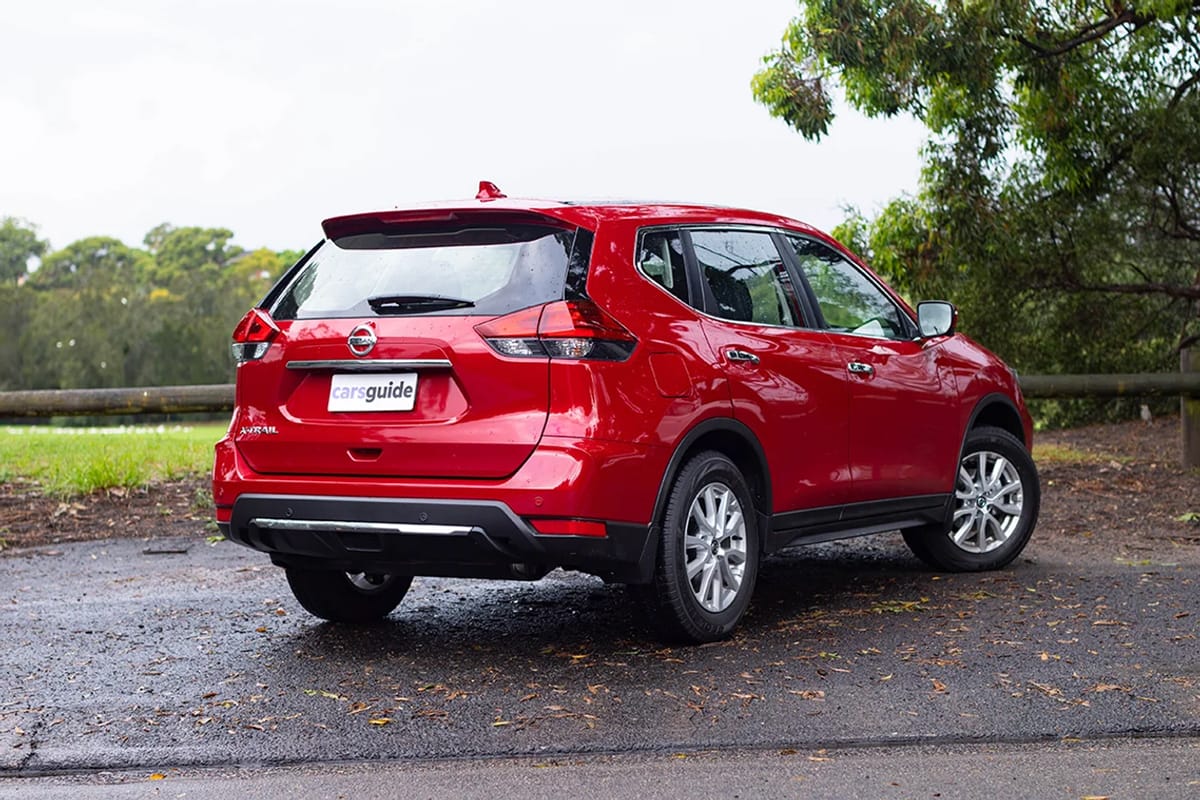
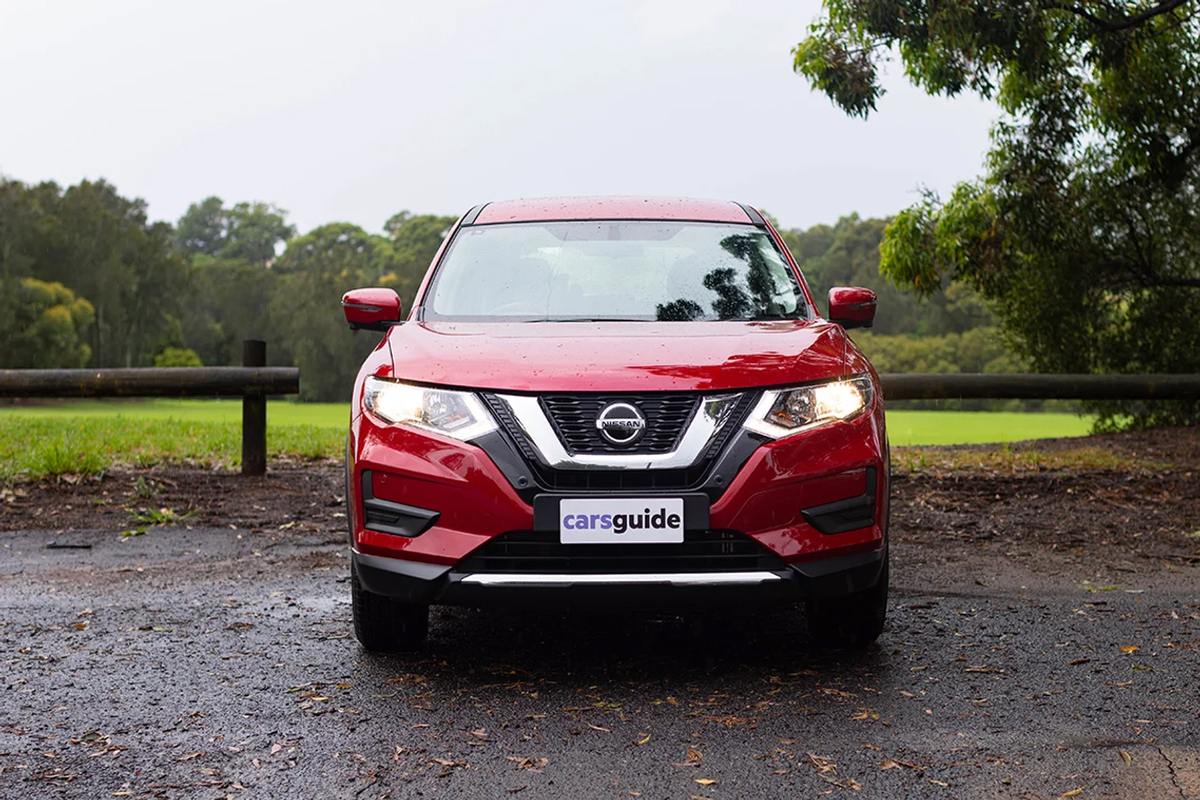
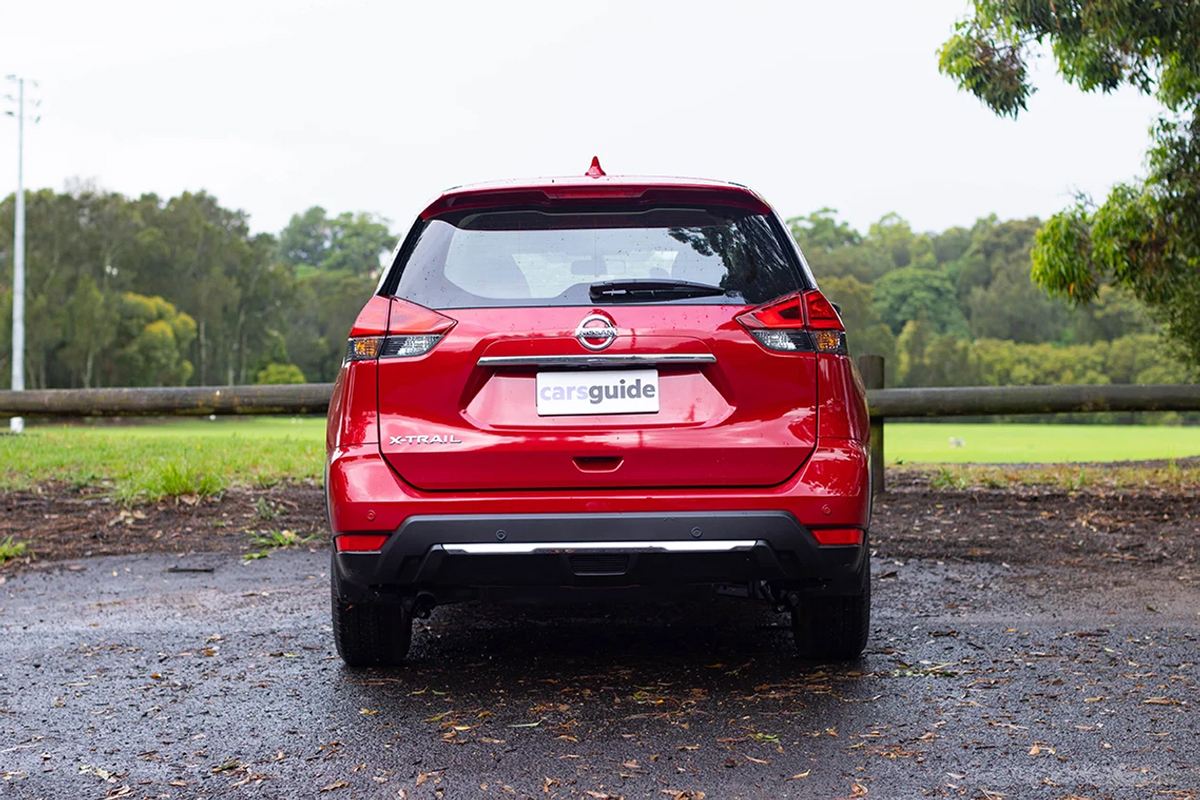
Very early T32 models with substantial kilometres (around 250,000km) can be found for as little as $6,000 to $8,000. However, a more prudent investment might be to spend closer to the high teens for a 2016 or 2017 all-wheel-drive model with approximately 120,000km on the odometer.
Parts and Servicing
Nissan boasts a substantial dealer network across Australia, with around 180 locations, making it the fifth largest in the country and well-represented in both urban and regional areas. Additionally, a large number of independent mechanics specialise in Nissans, benefiting from the brand’s strong reputation, partly forged through its motorsport involvement.
Sourcing spare parts and replacement components is straightforward, with both physical parts stores and online retailers readily available.
Nissan X-Trail Sales Performance
Pinpointing the exact sales figures for the T32 X-Trail in Australia over its eight-year run is challenging. However, Nissan sold nearly 18,000 units in its first full year on the market (2015) alone. The X-Trail remains a common sight on Australian roads, indicating its sustained popularity even as competition intensified. This widespread presence translates to a significant number of used examples available for purchase.
The Verdict
The Nissan X-Trail’s sales trajectory mirrors Nissan’s overall fortunes in recent years, with a notable decline. However, the T32 generation emerged during a period when Nissan was performing strongly, and the X-Trail was a significant contributor to that success.
The primary concern for potential buyers remains the potential for CVT issues. Therefore, investing in an independent pre-purchase inspection is highly recommended to mitigate this risk.