Penn Station’s Grand Comeback: A Vision to Restore Architectural Majesty
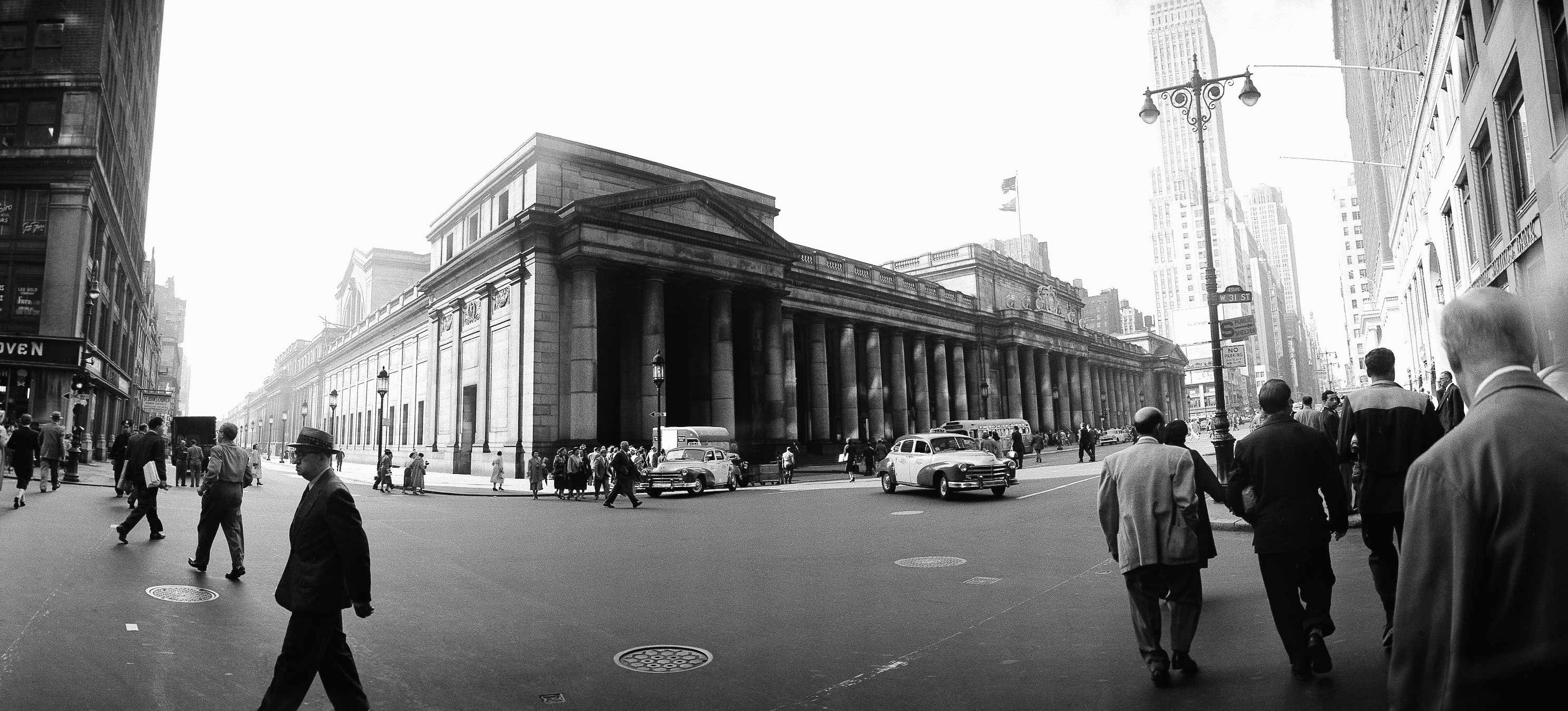
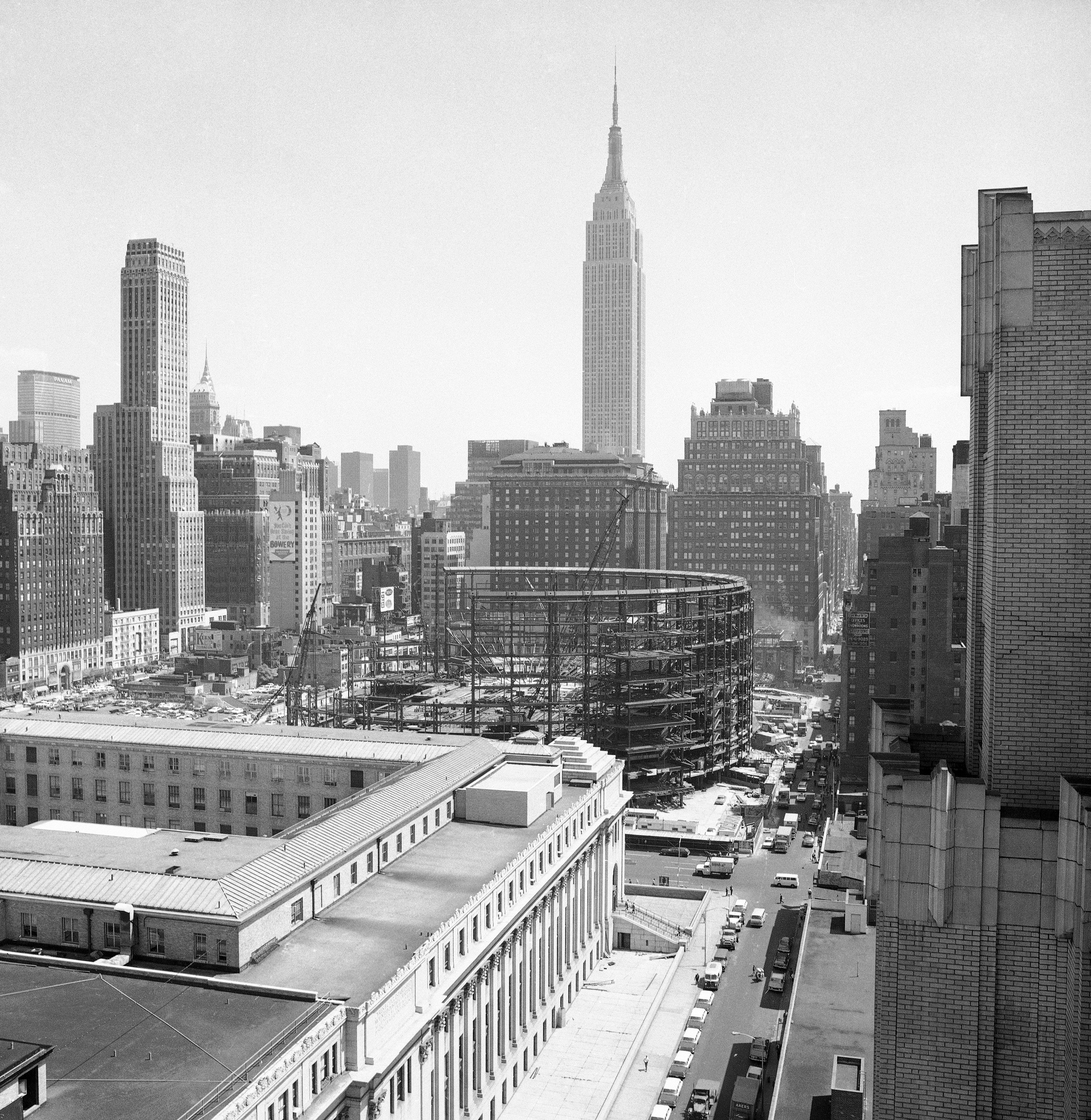
Manhattan’s Penn Station, long a symbol of urban inconvenience and architectural disappointment, is poised for a dramatic transformation. A bold new vision has been unveiled, aiming to resurrect the transit hub from its “gloomy, claustrophobic” state and reinstate it as a beacon of architectural grandeur, echoing the majesty of its original Beaux-Arts predecessor. The station’s controversial demolition in 1963, making way for Madison Square Garden, left a void in the city’s urban fabric, a loss acutely felt by commuters and architectural historians alike. The sentiment was famously captured by architectural historian Vincent Scully, who lamented, “Through Pennsylvania Station one entered the city like a god. One scuttles in now like a rat.”
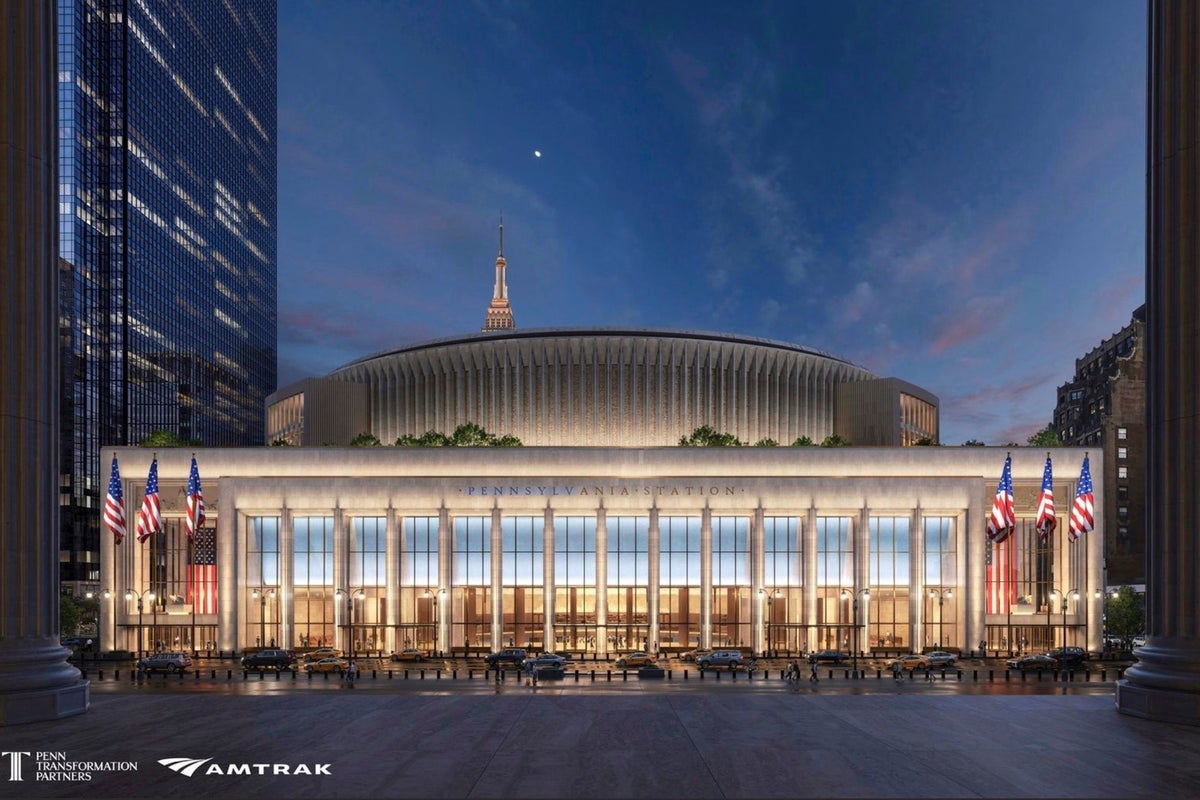
Now, a significant shift is on the horizon. Renderings released by Amtrak and Penn Transformation Partners, the consortium leading the ambitious project, showcase a plan to reclaim that lost splendour. The proposed design features a striking rectangular stone facade, imposing and lined with grand columns, designed to create a welcoming and monumental entryway.
A Sun-Drenched Concourse and Grandiose Interiors
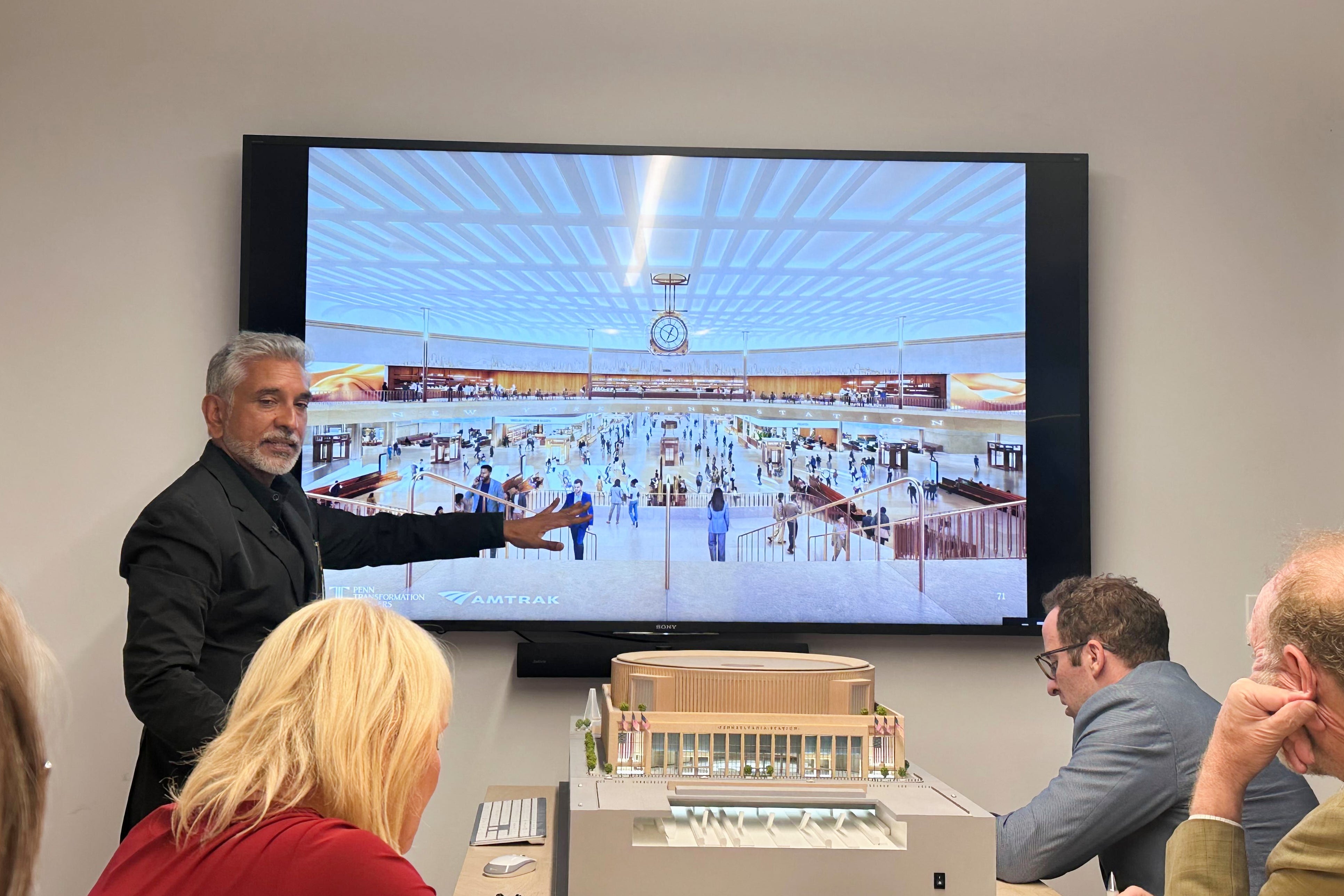
Step inside, and commuters will be greeted by a breathtakingly different experience. The interior envisions a sun-drenched grand concourse, boasting soaring ceilings exceeding 50 feet in height. The design incorporates elegant bronze finishings, a bas-relief depicting the city’s iconic skyline, and a classic, large station clock – all elements intended to evoke a sense of timeless elegance and civic pride.
The design inspiration for this revitalised Penn Station is drawn from a rich tapestry of New York’s architectural heritage. It pays homage to the ornate Beaux-Arts style of Grand Central Terminal, a fellow New York icon, as well as the Art Deco masterpieces like the Empire State Building and Rockefeller Center.
Furthermore, the design team looked to the monumental Federal-style government buildings found in Washington D.C., and the enduring structures erected by the Works Progress Administration during the Great Depression. This fusion of styles aims to create a space that is both historically resonant and forward-looking.
Vishaan Chakrabarti, a key figure in the design team, articulated the project’s core objective: to re-establish Penn Station’s status among the city’s greatest landmarks and to infuse this “vital civic space” with a renewed “sense of public ambition.” He highlighted a desire to recapture the “fearless embrace of ornament and decoration that in some ways we’ve lost,” aiming to reintroduce a sense of craftsmanship and artistry into the daily commute.
Project Scope, Timeline, and Funding
This ambitious undertaking comes with a significant price tag, projected to cost between $7 billion and $8 billion. Construction is slated to commence before the end of 2027, with the project expected to be completed in phases over approximately six years. Crucially, Penn Station is anticipated to remain fully operational throughout the entire construction period, minimising disruption for the hundreds of thousands of daily commuters.
It’s important to note the sheer volume of people who rely on Penn Station. On any given workday, it serves over 600,000 commuters, a figure that surpasses the combined passenger traffic of New York City’s three major international airports: John F. Kennedy, LaGuardia, and Newark Liberty.
While previous proposals have often considered relocating Madison Square Garden, the current plan confirms that the iconic arena will remain in its current location. However, a theatre owned by MSG, situated directly above the train tracks, will be demolished to accommodate the new facade and concourse design. A significant step forward has been the agreement reached between developers and MSG owner James Dolan on a “memorandum of agreement” for this crucial element, a factor that played a role in Amtrak’s selection of this proposal from a field of three bidders.
Andy Byford, Amtrak’s special adviser overseeing the redevelopment, indicated that the final terms, including financial arrangements, are still being ironed out. He prudently stated, “You’ll understand why we wouldn’t want to negotiate that in public.”
An interior wall near an existing entryway bears the seal of Donald Trump, who last year saw Amtrak assume control of the project. This move followed decades of bureaucratic hurdles and political disagreements involving various transit agencies and powerful stakeholders, including James Dolan. Trump has previously expressed interest in renaming the station in his honour, as part of his broader ambition to enhance his legacy through public works. However, the renderings released do not suggest a name change, with the proposed grand facade still bearing the inscription “Pennsylvania Station” in capital letters.

When questioned about a potential name change, Byford responded, “I’m not focused on names at all. This building has a name, and the name is there.” Peter Cipriano, one of the lead developers, shared a similar sentiment, indicating that the focus remains firmly on the architectural and functional transformation.
Next Steps and Public Assurance
The project is now entering its next phase, which involves refining the preliminary designs and navigating the comprehensive federal environmental review process. This process will lead to a more detailed breakdown of costs.
Byford also addressed concerns from local residents regarding potential property acquisitions, assuring the public that the government has no plans to acquire surrounding properties for station expansion. Furthermore, he provided a critical assurance regarding project funding: “There will be no fare hike to pay for this project. It’s not going to happen.” This commitment aims to alleviate anxieties about commuters bearing the financial burden of this monumental undertaking.