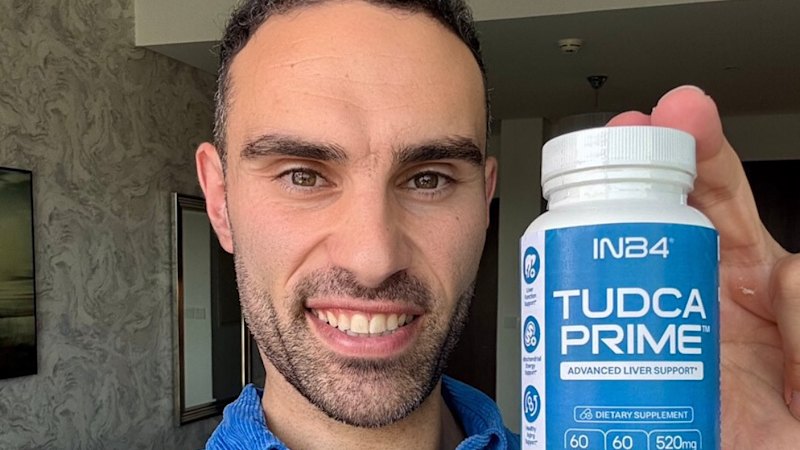
Exclusive: Lucas Aoun, 30, starts each day with a handful of supplements and a workout, then hops on a treadmill desk to rack up 15,000 steps while he works.
His Melbourne home is fitted with red lights for melatonin production, he uses an acupressure mat and vagus nerve stimulation device before bed, and falls asleep with tape over his mouth.
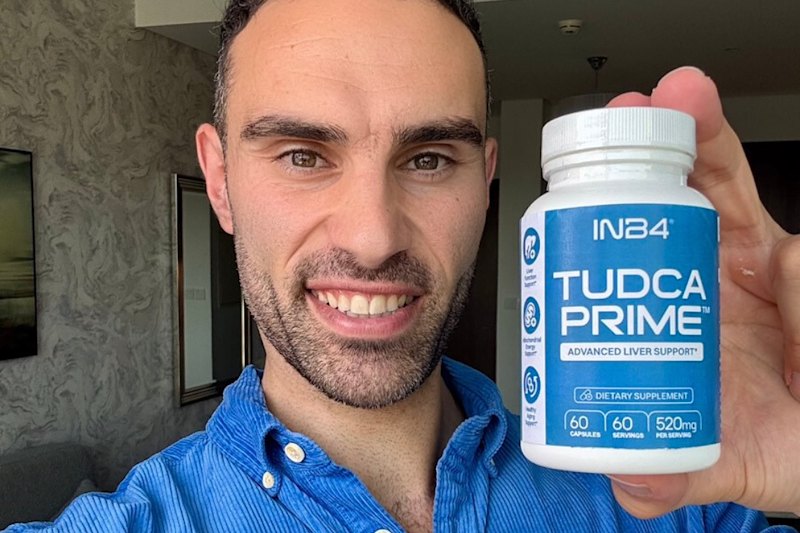
It sounds like something out of a sci-fi novel but self-described “biohacker” Aoun said these “protocols” help him do two days’ worth of work in one.
And thousands of Australians are forking out cash to achieve the same results.
“People will pay anything from $500 to around $10,000 for private [biohacking] coaching and specialised services,” Aoun told nine.com.au.
“I’ve even got some clients who have told me that they’re booked in for stem cell therapy that’s well over $50,000.”
Some of biohacking’s most vocal proponents claim it could be the secret to living forever and Aoun said it’s “absolutely” the goal for most.
But experts warn some of these so-called ‘hacks’ could leave you with serious health complications and an empty wallet.
What is biohacking?
The definition of biohacking depends on who you ask.
Broadly speaking, biohacking usually involves using science, medicine, and technology to improve your physical and mental performance.
That could mean making simple, evidence-based lifestyle changes like improving your diet, exercising regularly, and prioritising deep sleep.
Aoun, who holds a Bachelor of Health Science and works as a health optimisation expert, described biohacking as “harnessing the power of nutrition, lifestyle, and supplements to take control of our physiology and our biology”.
Many biohackers take it further, incorporating wearable tech and ‘protocols’ like ice baths, experimental treatments, IV drips and emerging drugs.
In most cases, the overall goal is the same: to live a longer, healthier life.
Longevity expert Professor Luigi Fontana from The University of Sydney told nine.com.au it’s no wonder the trend is attractive to Australia’s ageing population.
“People are living longer but often spending more years with chronic disease,” he said.
“Many Australians are understandably looking for ways to stay healthy, energetic and independent for longer.”
Social media, celebrity culture, wearable devices, private longevity clinics and the promise of personalised control over ageing makes the idea of biohacking very appealing to many Australians.
The reality is a little different.
Does biohacking really work?
Experts are divided over whether many biohacking “protocols” actually deliver the health benefits they claim to, especially when they’re not backed by science.
“The problem is that marketing often runs ahead of evidence,” Fontana said.
“Many commercial biohacking products marketed as anti-ageing … are not proven to extend life or healthspan in humans.”
Have you got a story? Contact reporter Maddison Skipper at [email protected]
Aoun started experimenting with supplements and natural remedies in his 20s, hoping to boost his brain function while studying for university exams.
He claimed he saw “pretty dramatic effects”.
“From there I started applying different biohacking protocols to every element of my life,” he said.
He’s tried biohacking protocols to optimise his hormones, detox his body, and boost athletic performance.
The results have been significant, he said, including improved productivity, physical performance, and sleep quality.
Aoun also claimed he’s increased his testosterone levels to the highest end of the natural range, something “a lot of Aussie men are also aspiring to”.
“At one stage I entered into a phase of extreme obsessiveness,” he said.
“But I’m at a point now where I’ve got a much more balanced lifestyle.”
Aoun added that what has worked for him may not work for others.
There’s also a lot of misinformation online, which can make it difficult to sort biohacking fact from fiction.
Aoun admitted his background in health science made it a lot easier for him to separate evidence-based protocols from ‘hacks’ that had no science behind them.
But not everyone has his education and that can make biohacking risky.
Is biohacking safe?
Biohacking protocols can come with a range of risks, from wasted money and a false sense of reassurance, to overdiagnosis, overtreatment and adverse drug interactions.
Experimental and fringe protocols are usually the riskiest, especially those that aren’t backed by long-term safety and efficacy data.
Biological-age tests, for example, are not yet validated clinical decision tools and can mislead people into pursuing unnecessary medical interventions.
Emerging drugs, IV drips and exosome therapies may carry biological risks.
“Be sceptical of anyone promising to reverse ageing or extend lifespan without long-term human trial evidence,” Fontana said.
“Ask: is this safe? Has this been shown to reduce disease, disability or mortality in humans, or is it just changing a biomarker?”
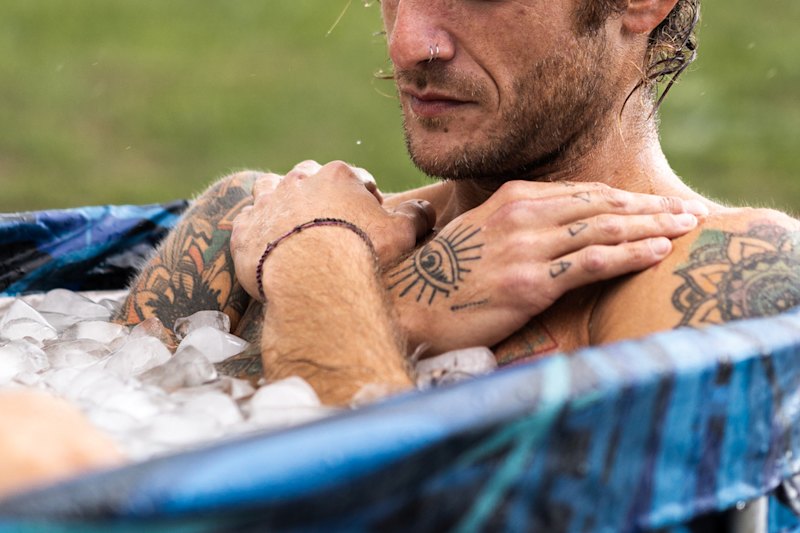
Trying too many different protocols at once can also cause side effects.
That’s why Aoun urges anyone new to biohacking to do their research or seek guidance from “an expert like myself”.
Because he doesn’t just practice biohacking; he also profits from it.
The business of biohacking
The longevity industry is booming, both in Australia and abroad.
Already valued at hundreds of billions globally, it’s growing rapidly as demand for health optimisation products and services grows.
Biohackers and businesses alike are cashing in.
Aoun sells coaching, supplements and other services online to his nearly 250,000 combined social media followers.
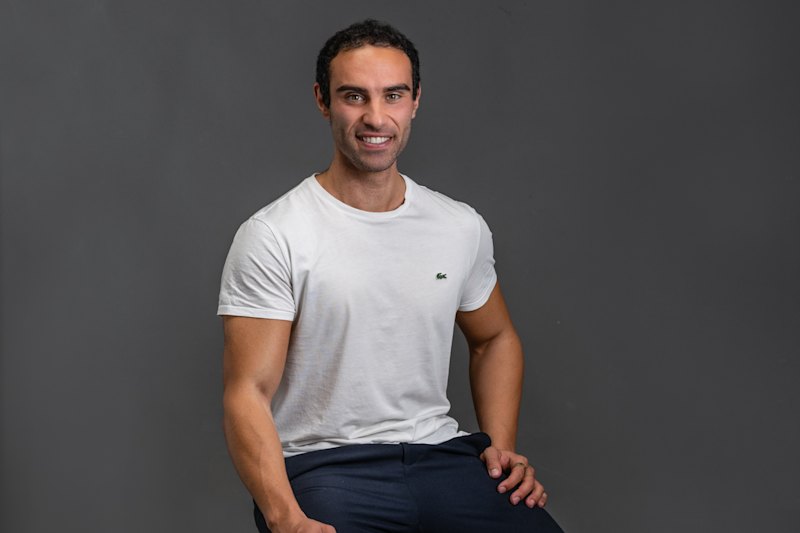
Many of his clients are men who have achieved financial stability and are looking to live longer, healthier lives; think tech bros and venture capitalists
Preventative health and longevity clinic Everlab served a similar clientele when it was founded in 2023.
“When we began it skewed very male,” co-founder Dr Steven Lu told nine.com.au.
“Your biohackers, people who worked in technology, venture capitalists, bankers.
“Now I think our gender balance is about 55 per cent male, 45 per cent female.”
Everlab’s 30,000 members pay up to $3499 for services like blood tests, physicals and full-body MRIs to help them boost health and longevity.
Some medical professionals have questioned the business, warning that unnecessary tests can set off false alarms and send patients down medical rabbit holes that turn out to be a waste of time and money.
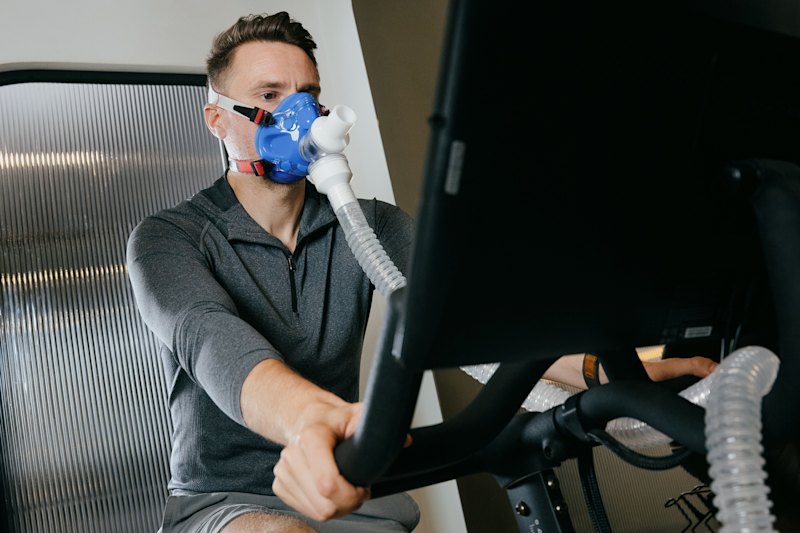
But Everlab’s preventative health model has proven to be very popular; it’s estimated to be valued at up to $100 million according to The Australian Financial Review.
Just don’t call it a biohacking business.
“What Everlab offers is a data-driven and personalised approach to care that is focused not just on prevention, but also on health optimisation,” Lu said.
“I think biohacking is a bit more shooting from the hip.”
Most Australians don’t see a doctor unless they’re sick or injured but Lu advocates for a different kind of primary care that’s focused on preventing health issues before they arise.
He views Everlab as the next evolution of care in Australia and predicts it − and the longevity industry at large − will only get bigger in the coming years.
The verdict
The jury is still out on whether biohacking will really help you live longer.
Aoun said anyone looking to get into biohacking should focus on protocols backed by robust scientific evidence.
He also warned Aussies against buying viral “gizmos and gadgets” or relying on AI for biohacking advice.
Fontana advised anyone who wants to improve their health to stick to the basics: eat healthy, exercise regularly, prioritise sleep and ditch vices like booze and cigarettes.
“I endorse the boring ones, because they work,” he said.
“There are no magic solutions.”
Newer tools like wearable tech can be useful if they motivate healthier behaviour, but the goal should be better habits, not obsessive tracking.
“The future of longevity medicine should be less about hacking ageing and more about preventing chronic disease early and preserving function and emotional wellbeing across life,” he said.
“Don’t spend thousands on unproven interventions.”
If you do want to try biohacking, make sure to have a conversation with a qualified clinician before you start.
It could save you thousands.