
Introduction to the Trial of Wearable Technology in Grand Slam Tournaments
Tennis players will now be allowed to wear fitness trackers at grand slam tournaments for the first time, following a trial announced by the French Open. This decision marks a significant shift in the rules governing the use of wearable technology during major tennis events. The move comes after a heated debate over the use of devices such as Whoop fitness trackers at the Australian Open in January, where several top players were ordered to remove them before matches.
The Controversy Surrounding Wearables at the Australian Open
At the Australian Open, star players like Aryna Sabalenka, Carlos Alcaraz, and Jannik Sinner made headlines when they were asked to remove their wearable devices before matches. Although these devices had been approved by the International Tennis Federation (ITF) and were on its list of permitted devices, grand slam tournaments had previously operated under different guidelines. Tennis Australia, the organizer of the Australian Open, had confirmed that wearable wrist technology was not allowed at the grand slams, although it mentioned being “in discussions” about allowing such devices in the future.
The French Open’s Decision to Allow Wearables
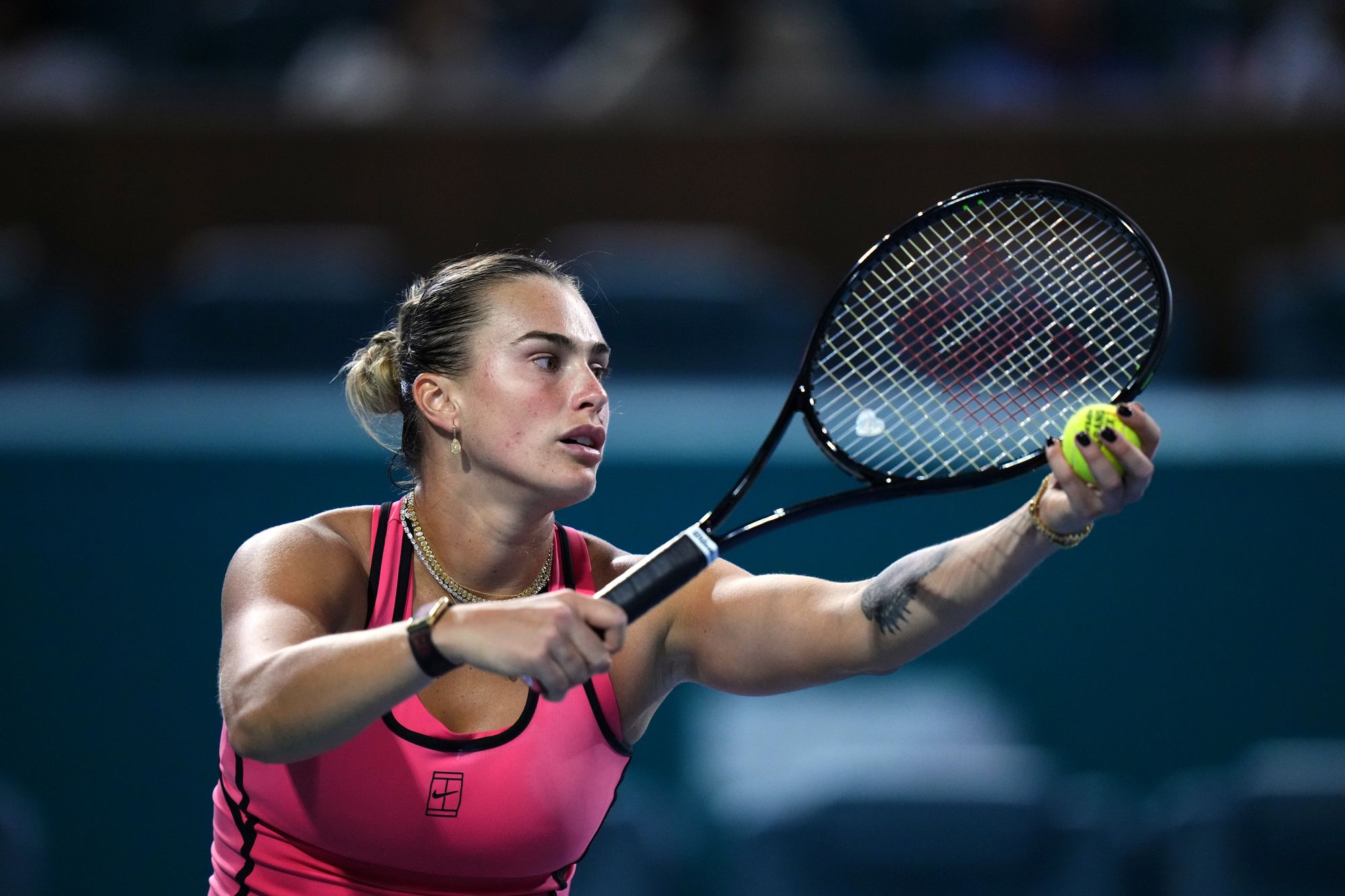
Following criticism from players, including World No 1 Sabalenka, the French Open has become the first of the four grand slam tournaments to allow the use of wearable technology. Tournament director Amelie Mauresmo announced this change at a press conference, stating that wearables would be permitted on a “trial basis.” This trial will extend to Wimbledon and the US Open later this year, allowing players access to their data during the sport’s biggest tournaments.
“The use of connected devices – which provide players with a wealth of information – will be permitted for the first time at a grand slam,” Mauresmo said. “Once again, the aim is to improve players’ performance.”
What Data Do Fitness Trackers Provide?
The data provided by the Whoop tracker includes heart rate, heart rate variability, recovery, activity strain, blood oxygenation, skin temperature, respiratory rate, and blood pressure, as well as sleep performance. In a video published by the WTA, Sabalenka, who is a Whoop ambassador, explained that the band monitored her stress levels between matches and advised her to take days off after it found she was in the “red zone.”
Masters champion Rory McIlroy is an investor in Whoop, and the company published some of his statistics following his triumph at Augusta on Sunday, including his heart rate and recovery score data. The statistics showed McIlroy’s heart rate spiked to 135 bpm when he stood on the 18th tee on the final round on Sunday, but then fell to 105 bpm for the tap-in putt that saw him claim back-to-back Masters titles. Tennis players could now also share their statistics, such as on match point during a grand slam final.
Sabalenka’s Frustration with the Ban
Sabalenka had expressed frustration at the ban during the Australian Open. “I don’t understand why, because the whole year we are wearing, on WTA tournaments, all the tournaments I play we wear Whoop,” she said. “It’s just for tracking my health. I don’t understand why grand slams are not allowed us to wear it, and I really hope that they will reconsider the decision and let their players track their health monitor.”
The Impact of the Ban on Players
The ban on wearables was highlighted by Alcaraz and Sinner being ordered to remove devices from their wrists before matches in Melbourne. Alcaraz was caught mid-match with a device under his wristband, while Sinner was stopped after umpire Greg Allensworth spotted he had one hidden under his wristband before the coin toss. Sinner removed it without complaint but said afterwards that he wanted to see his data to inform recovery before his next match.
Sinner had struggled with extreme heat during the Australian Open and the Italian explained: “It’s not for the live thing. It’s more about [what] you can see after the match. These are data what we would like to use also in practice sessions, because from that you can practice on with the heart rate, how much calories you burn, all these kind of things.”
Criticism from the Founder of Whoop
The Australian Open’s stance on wearables was criticized by the Whoop founder and CEO, who posted on X/Twitter: “Ridiculous. Whoop is approved by the International Tennis Federation for in-match wear and poses no safety risk. Let the athletes measure their bodies. Data is not steroids!”
The ITF approved the Whoop device following a review last year, as long as haptic feedback, such as vibrations on the wrist, is disabled during competition.