Booking.com Warns Australian Customers of Data Breach
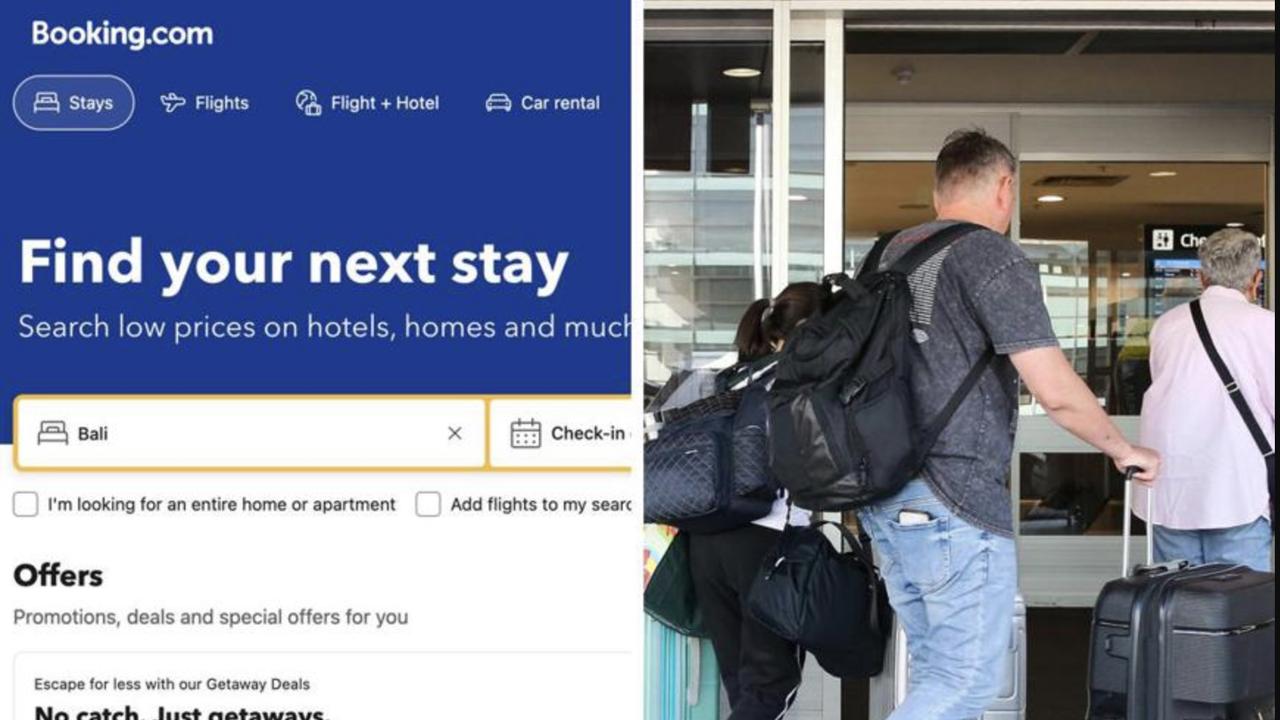
Booking.com, one of the world’s largest online travel booking platforms, has issued a warning to Australian customers following a significant data breach. The incident involves the potential exposure of personal information from users of the platform, which operates across 160 countries and hosts over 28 million listings globally.
The company discovered suspicious activity on several reservations, which led to an investigation into possible unauthorized access. According to reports, names, email addresses, phone numbers, and other details shared with accommodation providers may have been compromised.
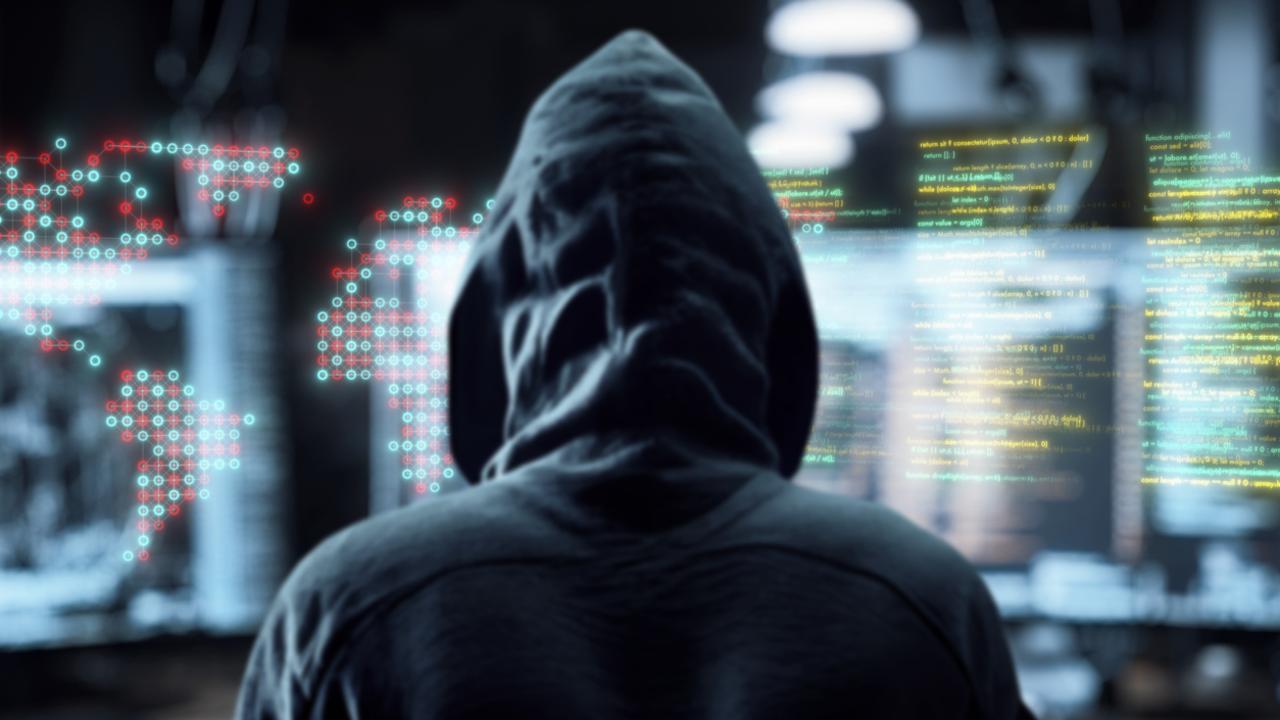
In response, Booking.com sent out emails to affected customers, including those in Australia. These messages included new reservation and PIN numbers, urging individuals to remain vigilant against potential phishing attempts. The company emphasized that malicious actors might impersonate either Booking.com or the accommodation providers to trick users into revealing sensitive information.
“The security of your personal information is our utmost priority,” the message stated. “We will continue to enhance and extend the robust security measures we have in place to secure your reservations with us.”
Customers were advised to take additional precautions to protect their devices from phishing attacks. This includes being cautious of unsolicited communications and ensuring that any links or attachments are verified before opening.
It remains unclear how many customers have been impacted by the breach. However, a spokesperson for Booking.com confirmed that financial information was not accessed from the company’s systems. The statement also reiterated the company’s commitment to the security and data protection of its guests.
“We can confirm that financial information was not accessed from Booking.com’s systems. At Booking.com, we are dedicated to the security and data protection of our guests.”

This incident comes amid growing concerns about cyber threats targeting online travel services. Techzine reported that Booking.com has faced multiple cyberattacks, resulting in data breaches. One such incident involved a phishing scam that stole login credentials from hotel workers in the UAE.
The rise in phishing attacks targeting travelers has been alarming. According to recent data, these attacks surged by 900 per cent in 2024. In Australia, ScamWatch recorded that more than 65,600 people lost $31 million to phishing scams in the previous year.
Steps to Stay Safe
To protect themselves, customers should consider the following steps:
- Verify all communications: Be cautious of any emails, calls, or messages claiming to be from Booking.com or an accommodation provider. Always check the sender’s details and contact the company directly through official channels.
- Update passwords regularly: If you suspect your account may have been compromised, change your password immediately. Use strong, unique passwords for different accounts.
- Enable two-factor authentication (2FA): This adds an extra layer of security to your account, making it harder for hackers to gain access.
- Monitor financial statements: Keep an eye on bank and credit card statements for any unauthorized transactions. Report any suspicious activity promptly.
- Educate yourself on phishing tactics: Learn to recognize common signs of phishing, such as urgent requests for personal information or suspicious links.
By taking these precautions, users can reduce the risk of falling victim to cybercrime and ensure their personal information remains secure.