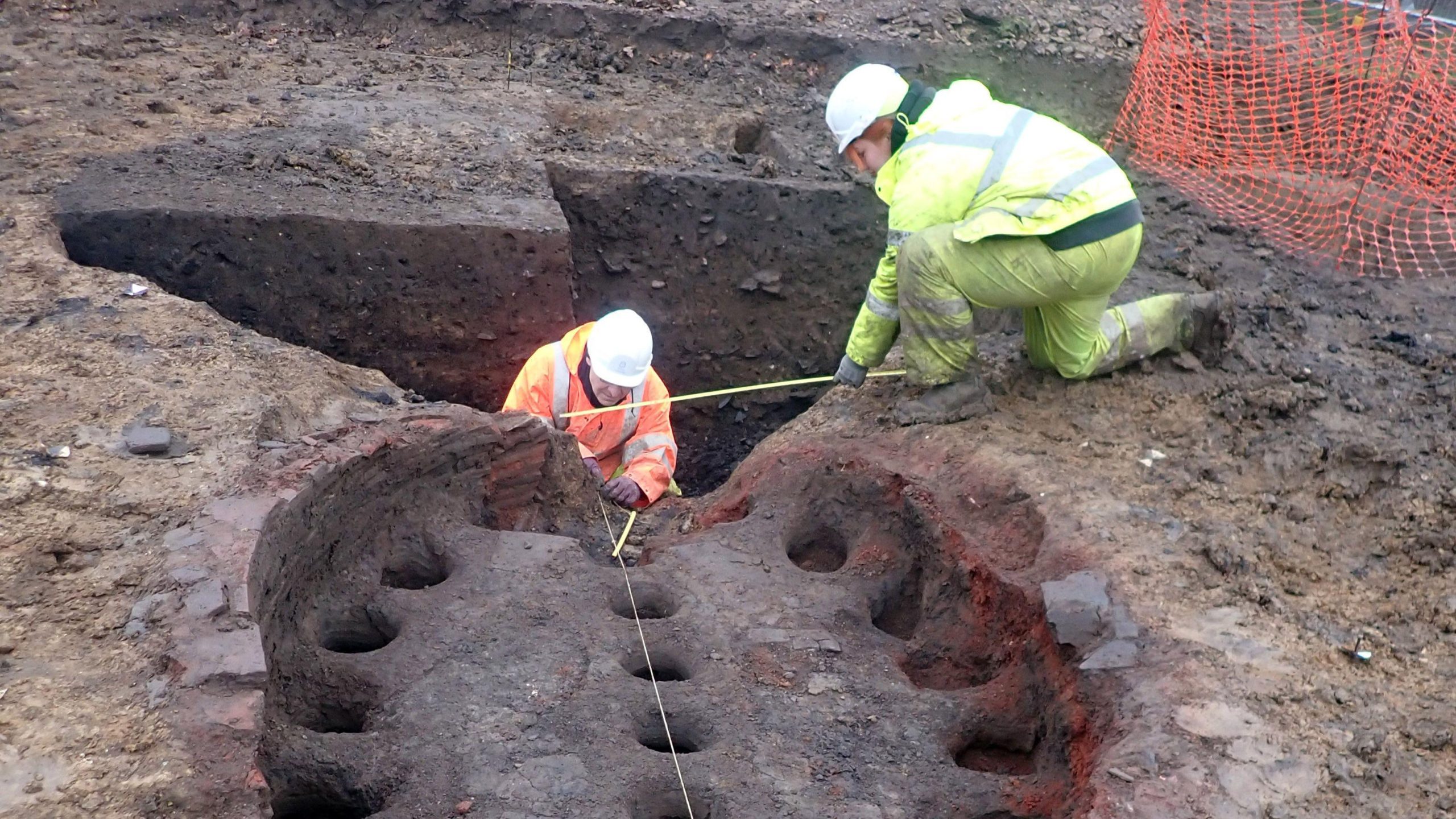
A pottery kiln discovered beneath a primary school could hold more historical value than initially believed, according to experts. The site, located under Sutton Primary School near Potton in Bedfordshire, was originally thought to be from the Tudor era but is now believed to date back over 100 years before Henry VIII’s reign.
Archaeologists have determined that the kiln once supplied pottery to Sutton and surrounding areas. Central Bedfordshire Council emphasized that the revised dating makes the discovery even more significant, calling it a “tangible link to the area’s medieval past.”
The kiln was uncovered in late 2024 during ground investigations for the construction of a new multi-use sports pitch at the school. The exploratory work was conducted by the council’s archaeology service, Albion Archaeology. Initially, the kiln was thought to be Tudor in origin, but further analysis of the pottery and the structure itself suggests it dates back to the late 14th to early 15th century, during the late medieval period.

During the excavation, over 30,000 fragments of pottery and tiles were recovered. Specialists believe only broken or discarded items remained when the kiln was abandoned, which explains why no intact vessels were found on site.
Councillor Tracey Wye highlighted the importance of the updated findings, stating that they provide Sutton with an extraordinary connection to its history. She noted that what began as routine planning work for new sporting facilities at the school turned into a discovery of national interest.
The discovery has also contributed to a better understanding of Bedfordshire’s historic pottery industry.
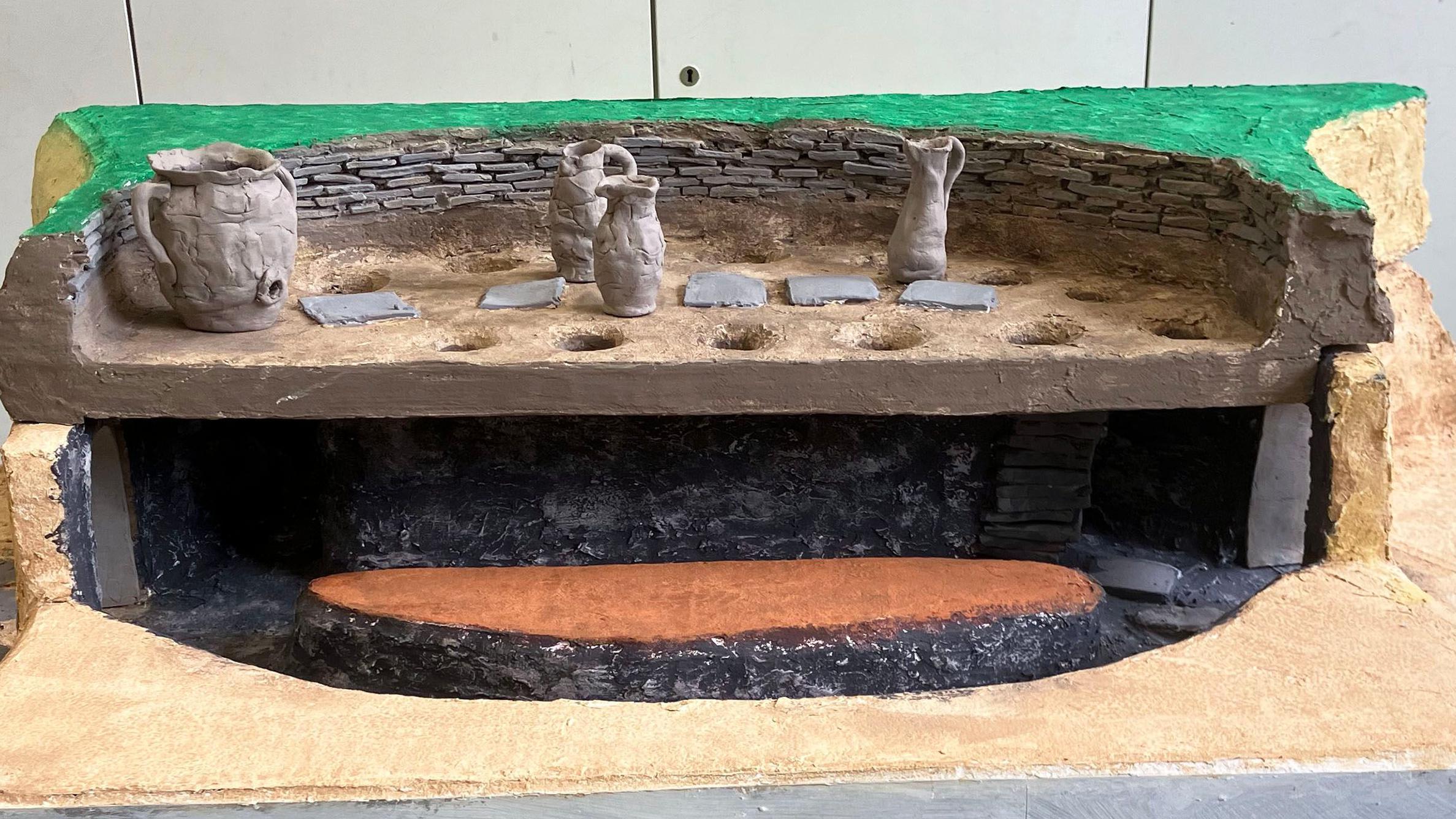
David Ingham, project manager at Albion Archaeology, explained that while it was already known that medieval pottery was made at Everton, the discovery of a large kiln producing similar pottery three miles away at Sutton suggests that this part of Central Bedfordshire played a more significant role in the region’s medieval pottery industry than previously thought. He added that the kiln was likely used in the decades following the Black Death.
Local residents are invited to an event at Sutton Village Hall on 12 May, where they can learn about the latest research, view pottery from the site, and take home a small fragment as a memento. Some of the finds will also be featured in a six-month exhibition at The Higgins Bedford starting 27 April, exploring medieval and Roman kiln sites across the county.