A Journey Through Significant Historical Events
Throughout history, numerous events have shaped the world as we know it today. From remarkable individuals to pivotal moments in politics and culture, these milestones continue to influence our lives. Here’s a look at some of the most significant historical events across different years.
2020: A Year of Inspiration and Recognition
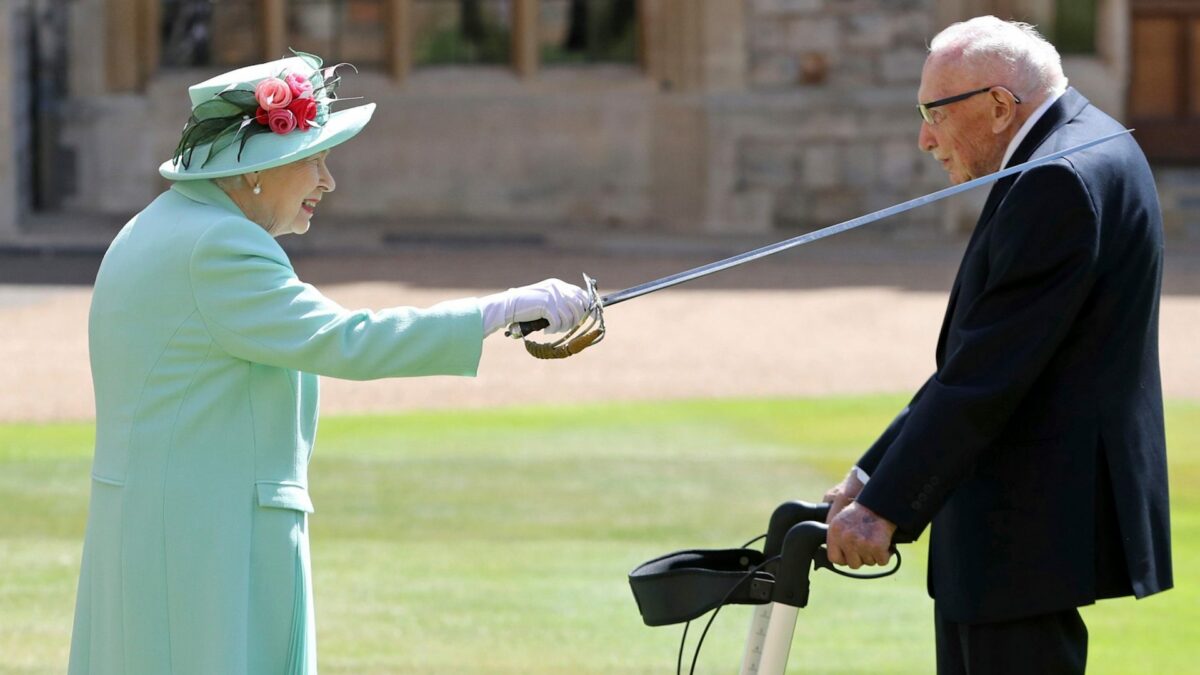
In 2020, British Captain Tom Moore became a symbol of hope and resilience during the global pandemic. At the age of 100, he raised over £30 million for the National Health Service by walking laps in his garden. His efforts not only inspired millions but also earned him an honorary colonel position from the Queen. This gesture highlighted the power of individual action and community spirit during challenging times.
2019: The End of an Era
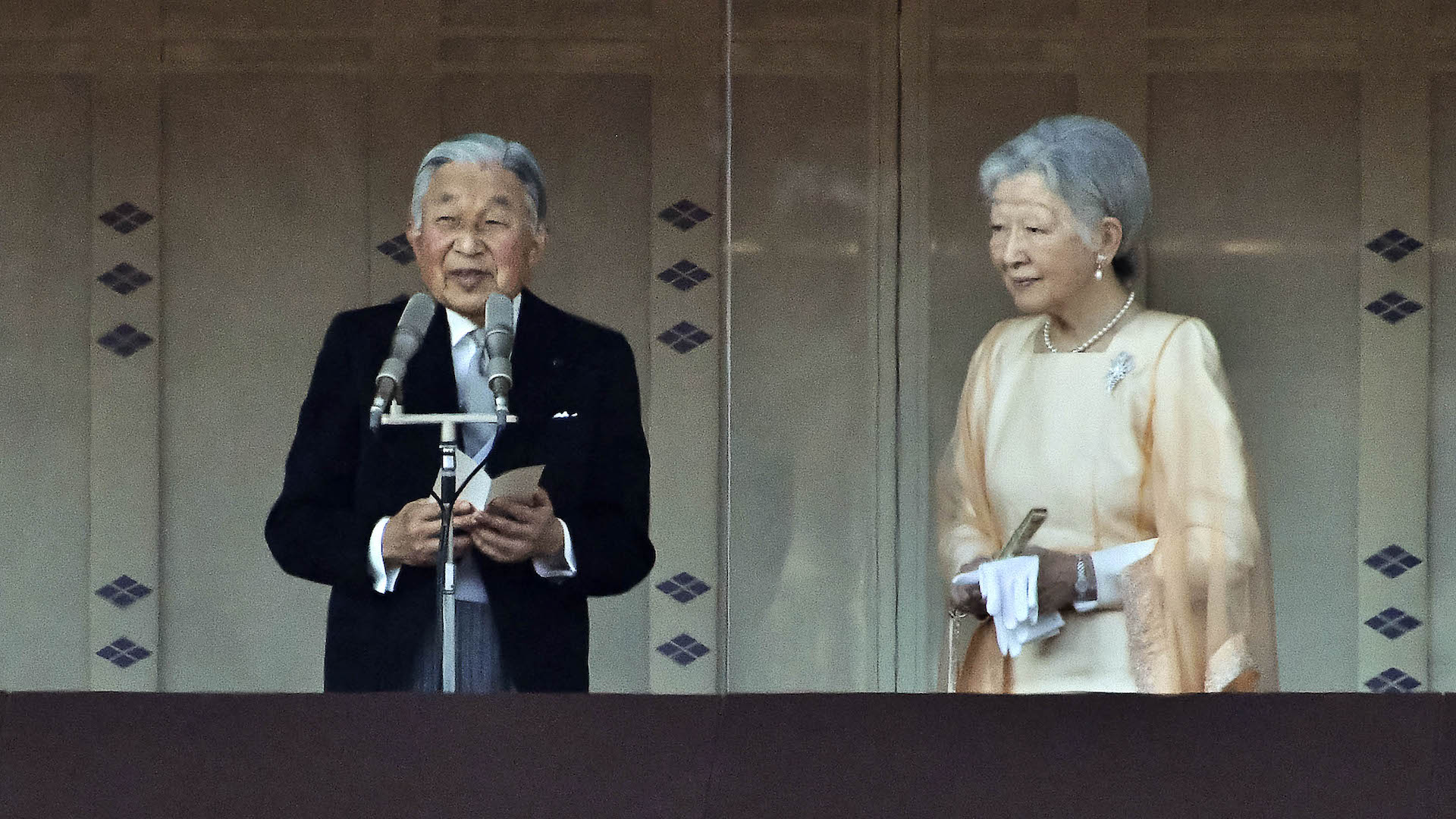
In 2019, Japanese Emperor Akihito made a historic announcement declaring his abdication. This ceremony took place in Tokyo, marking the end of his reign and the beginning of a new era for Japan. His decision to step down was a significant moment in the country’s history, reflecting a shift in traditional monarchy practices.
1993: A Tragic Moment in Sports
The year 1993 saw a tragic event in the world of sports when Monica Seles, a prominent tennis player, was stabbed by Günter Parche, an obsessed fan, during a quarterfinal match of the 1993 Citizen Cup in Hamburg, Germany. This incident had a lasting impact on Seles’ career and brought attention to the issue of fan behavior in sports.

1988: Eurovision Success
The 33rd Eurovision Song Contest took place in Dublin, where Celine Dion represented Switzerland with her song “Ne partez pas sans moi.” Her performance captivated audiences and marked the beginning of her international success. This event showcased the cultural significance of the contest and its role in promoting music across Europe.

1987: A Farewell in Sports
In 1987, Mike Bossy, a star player for the New York Islanders, played his final game. His career was marked by exceptional performances and contributions to the team’s success. Bossy’s retirement signified the end of an era for the Islanders and left a legacy that continues to be celebrated in hockey history.

1972: A Major Military Conflict
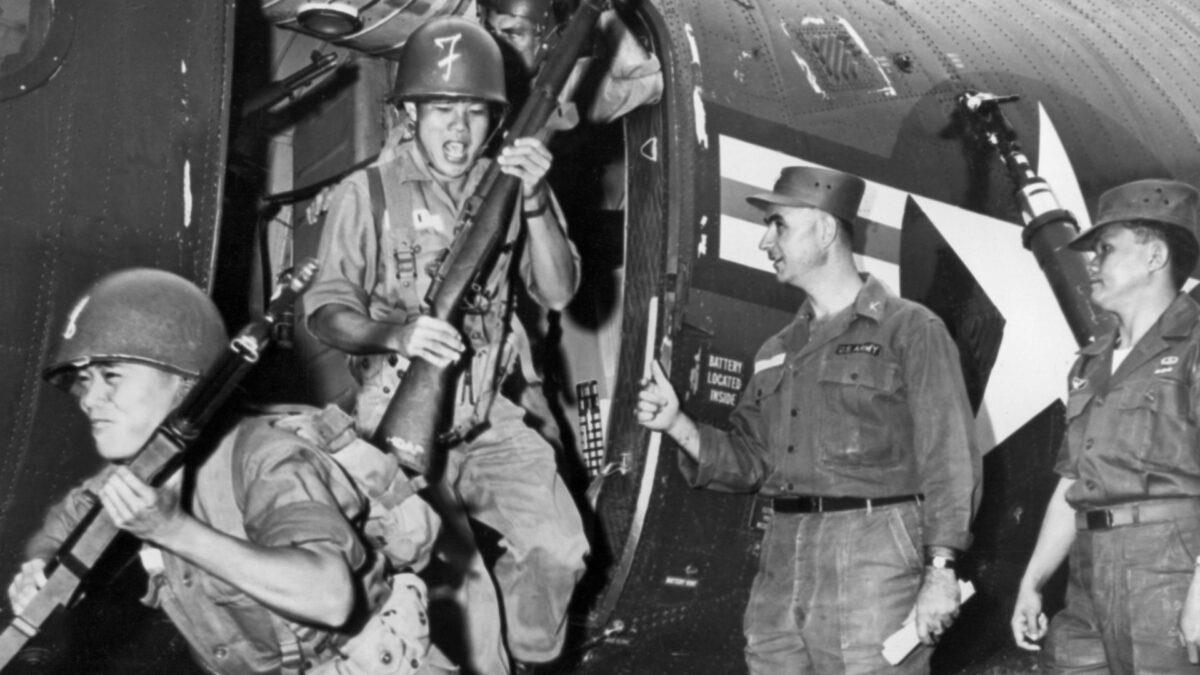
The year 1972 saw the North Vietnamese launch an invasion of the South, marking a significant escalation in the Vietnam War. This conflict had far-reaching consequences, affecting not only the countries involved but also the global political landscape. The war highlighted the complexities of international relations and the human cost of conflict.
1952: A New Toy on Television
In 1952, Mr Potato Head made its debut as the first toy advertised on television. This innovative marketing strategy helped to establish the toy’s popularity and set a precedent for future advertising campaigns. The introduction of Mr Potato Head marked a turning point in the toy industry and consumer culture.

1945: The End of a Tyrant
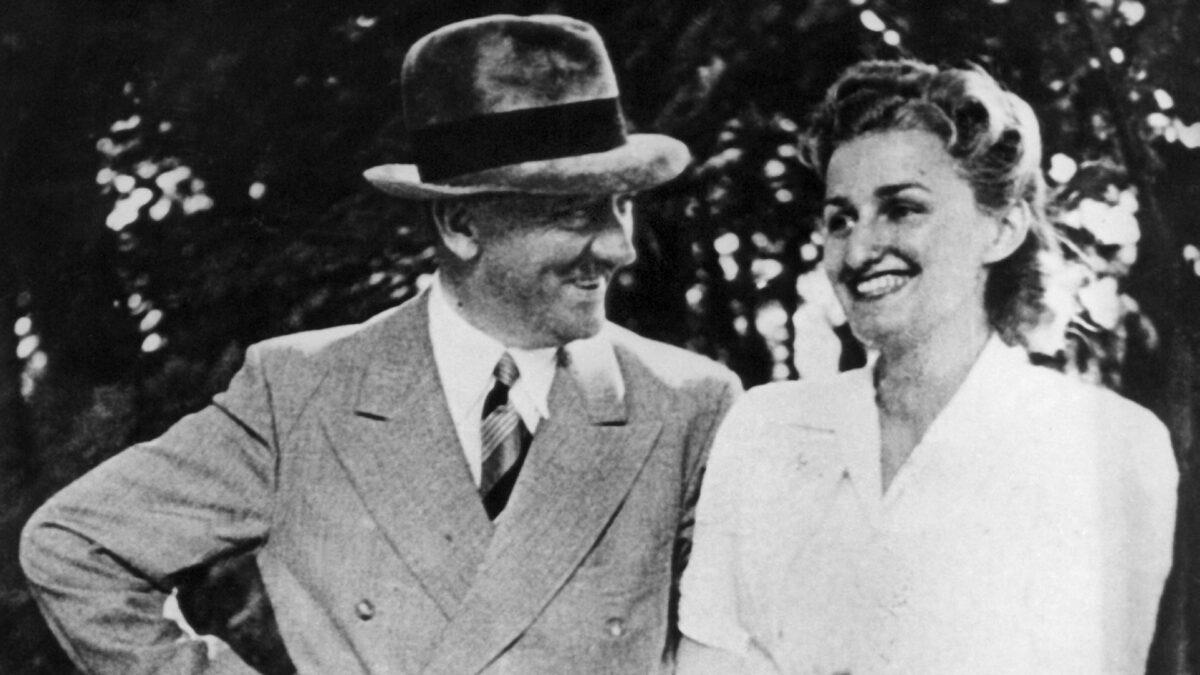
Adolf Hitler and Eva Braun committed suicide in 1945, just one day after their marriage. Their deaths marked the end of Nazi Germany’s regime and led to the unconditional surrender of Germany a week later. This event signified the conclusion of World War II in Europe and the beginning of a new chapter in global history.
1939: A Record in Baseball
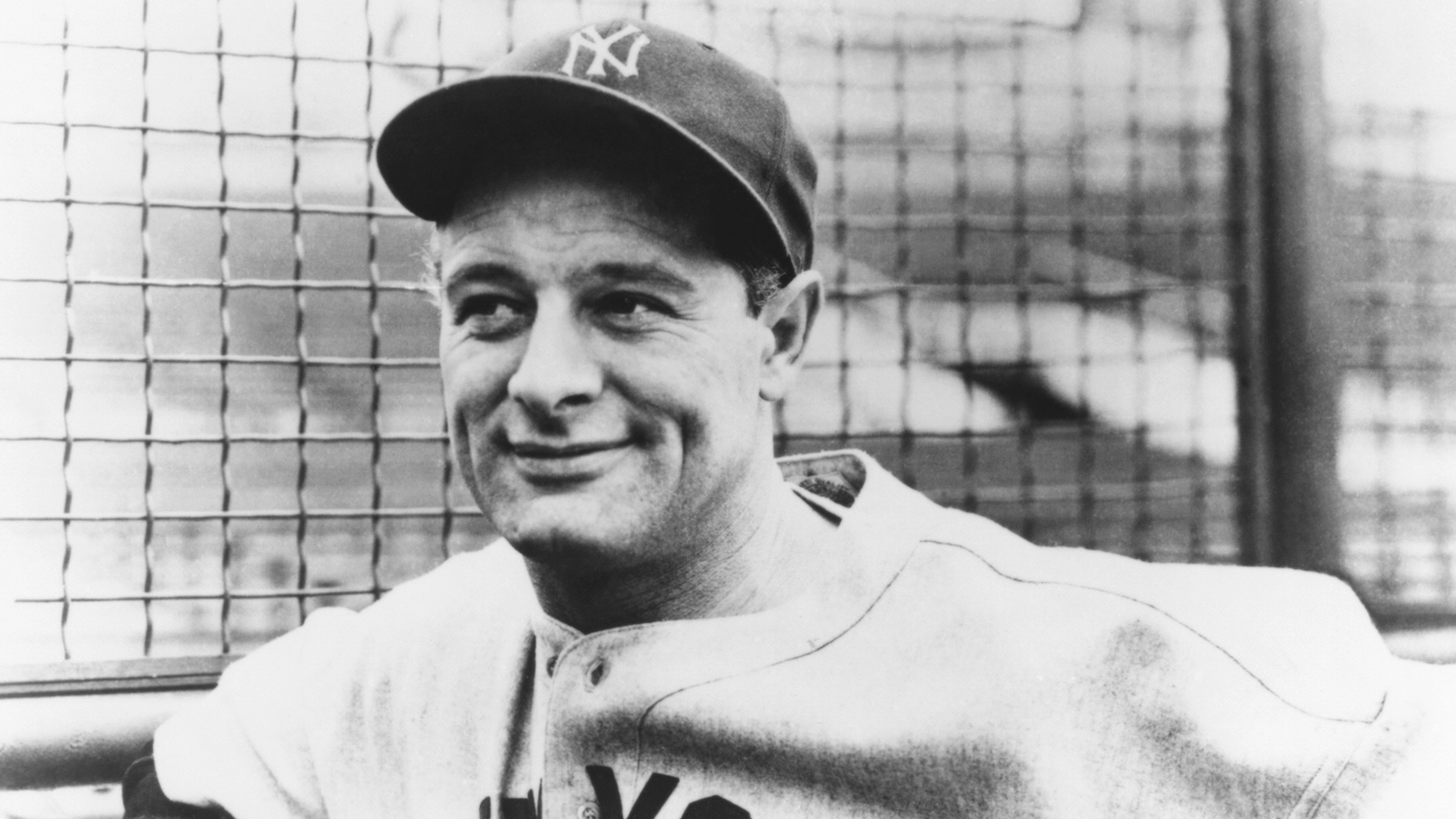
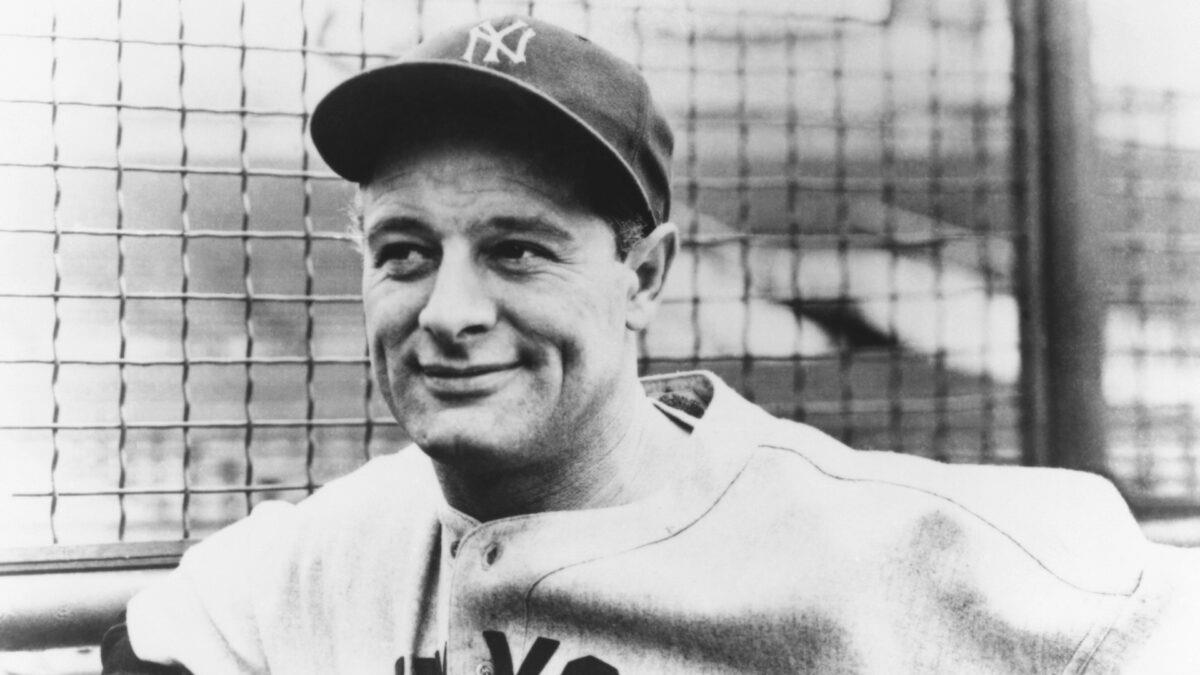
Lou Gehrig set a Major League Baseball (MLB) record in 1939 by playing his 2,130th consecutive game for the New York Yankees. This achievement solidified his status as one of the greatest players in baseball history. Gehrig’s dedication and consistency remain a benchmark for athletes in the sport.
1803: The Louisiana Purchase
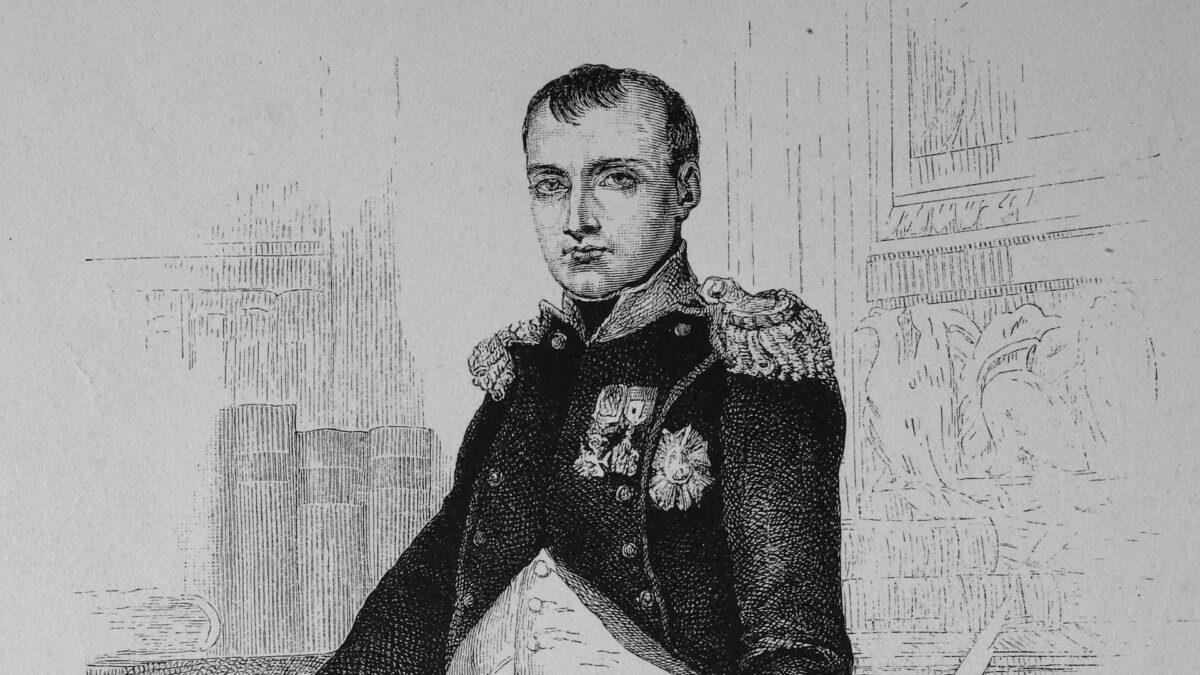
In 1803, Napoleon Bonaparte sold the Louisiana Territory to the United States for $27 million. This transaction significantly expanded the nation’s territory and had long-term implications for the country’s growth and development. The purchase also highlighted the strategic importance of land acquisition in shaping national borders.
1789: The Birth of a Nation
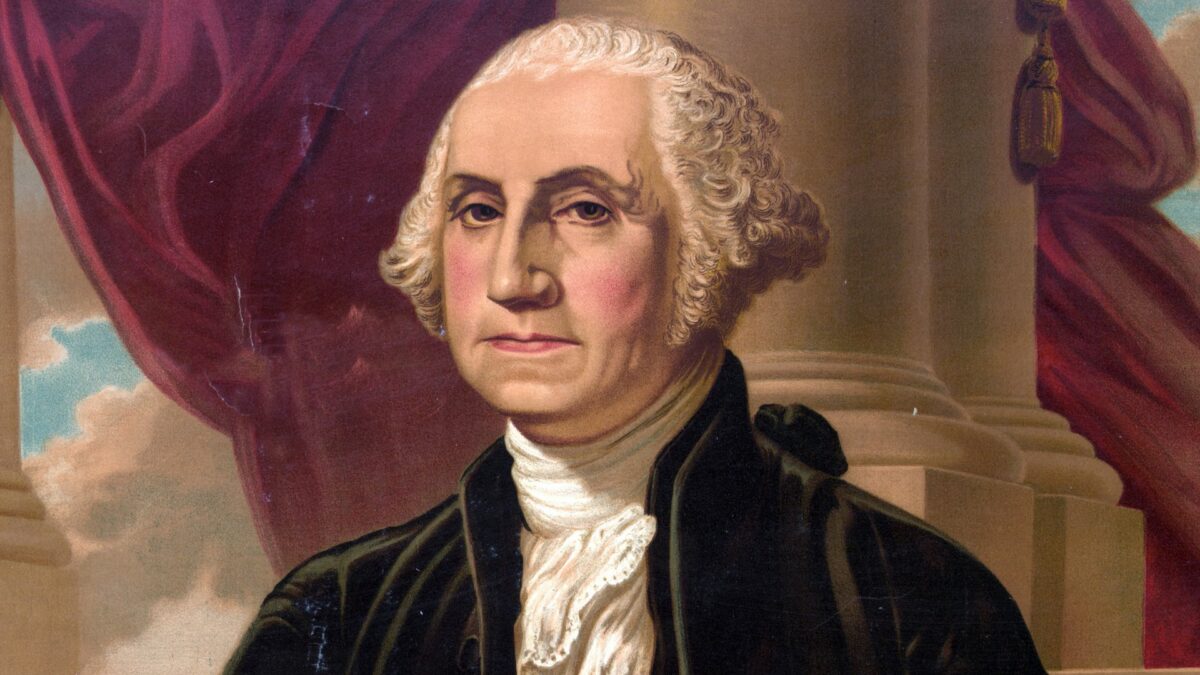
George Washington was inaugurated as the first President of the United States of America in 1789. This event marked the establishment of the U.S. government under the Constitution and set the foundation for the nation’s political system. Washington’s leadership played a crucial role in shaping the early years of the country.
1658: A New Beginning in Education
In 1658, Marguerite Bourgeoys, born in 1620 and passing away in 1700, opened the first school in Ville Marie for French and Indian children. This initiative laid the groundwork for education in the region and emphasized the importance of learning for all communities. Bourgeoys’ efforts contributed to the development of educational systems in North America.

1492: A New World Explored
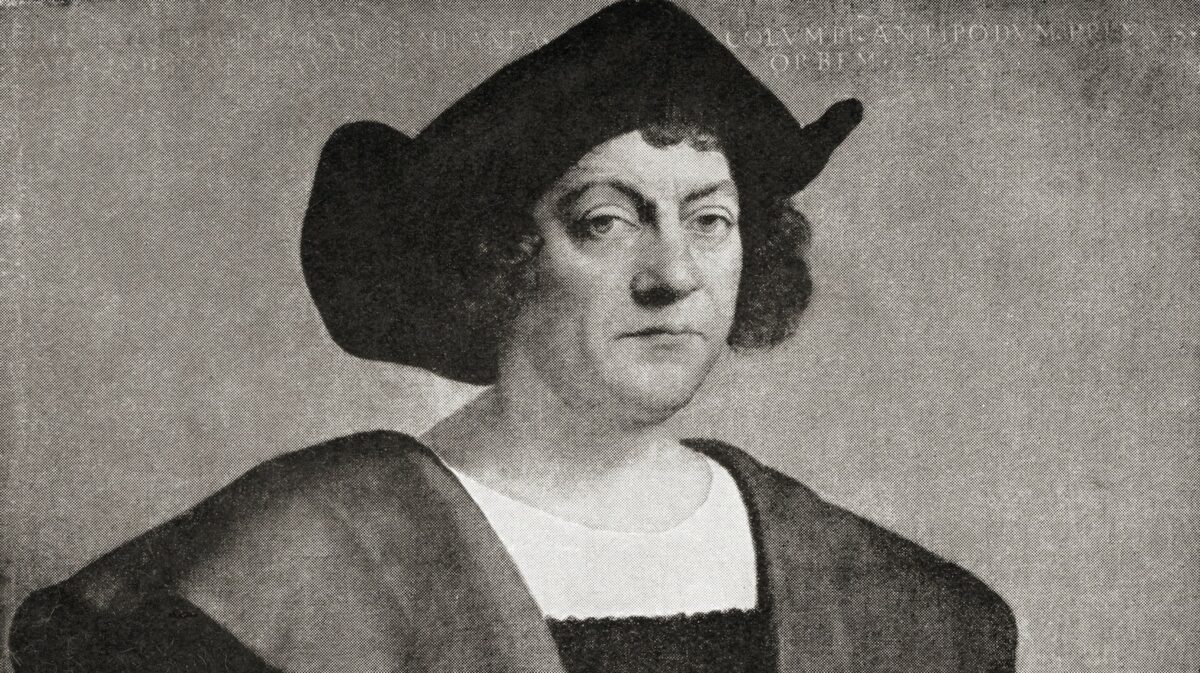
Christopher Columbus received a royal commission from Spanish monarchs Isabella I and Ferdinand II in 1492 to equip his fleet for the New World. This expedition marked the beginning of European exploration and colonization of the Americas. Columbus’s journey had profound effects on the indigenous populations and initiated a period of significant change in global history.