Taylor Swift Takes Control of Her Digital Identity
Taylor Swift has taken a bold step in protecting her digital identity by filing trademarks for her signature voice phrases, “Hey, it’s Taylor Swift” and “Hey, it’s Taylor.” This move is aimed at shielding her from potential AI exploitation. As artificial intelligence continues to advance, the rise of hyper-realistic deepfakes and cloned voices has left many celebrities vulnerable to fabricated endorsements, impersonations, and other forms of misuse. From fake political messaging to manipulated media, the threat has pushed public figures to take control of their identities.
On April 24, 2026, Swift’s company, TAS Rights Management, filed three applications with the United States Patent and Trademark Office. These filings target the growing misuse of her likeness across digital platforms. The applications reflect concerns around synthetic media, including explicit deepfakes and misleading political content associated with her name.
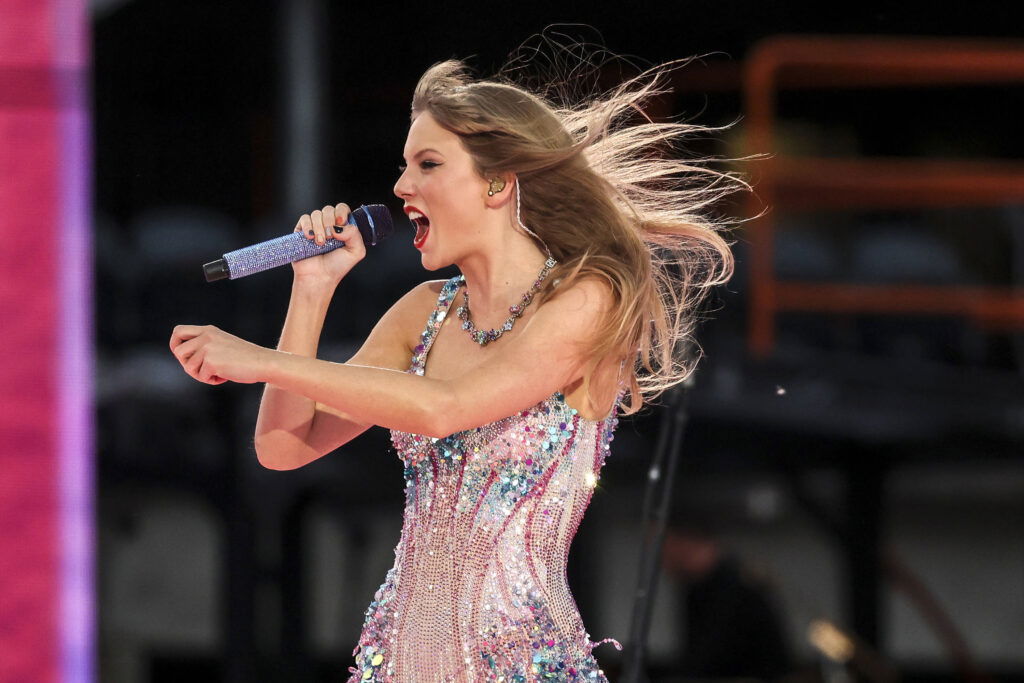
The applications include two sound marks, covering the phrases “Hey, it’s Taylor Swift” and the shorter “Hey, it’s Taylor.” A third filing protects a detailed visual image from her performances, reinforcing control over both her voice and stage presence. This approach mirrors Matthew McConaughey’s successful trademark of his iconic line from Dazed and Confused.
Legal experts view this as a forward-thinking strategy that extends beyond traditional publicity rights. Federal trademarks allow broader enforcement, enabling nationwide legal action against unauthorized use. Intellectual property attorney Josh Gerben suggests this could empower Swift to challenge platforms or creators that replicate her voice or persona using AI tools.
Navigating Personal Life Amid Public Scrutiny
While Swift locks down her digital identity, attention also shifts to her personal life, making headlines. Travis Kelce has seemingly shut down speculation that he and Taylor Swift are planning a wedding on June 13. The rumors gained traction due to Swift’s well-known affinity for the number, sparking fan theories about a secret ceremony. However, Kelce clarified the timeline during an episode of the New Heights podcast with his brother Jason Kelce.
Instead of wedding bells, the brothers are preparing for a major live podcast event at the Orpheum Theatre on June 15 in Los Angeles. The show promises a high-energy experience with celebrity appearances, crowd interaction, and a lively atmosphere tied to global sporting excitement. The timing coincides with international soccer buzz, adding to the event’s scale and visibility.
This scheduling effectively rules out any wedding plans during that weekend, redirecting attention to their professional commitments. While speculation continues about a possible future date, no official confirmation has emerged. As AI battles and personal headlines converge, Swift’s actions highlight a broader shift in how public figures protect both identity and narrative.
The Broader Implications
Swift’s decision to trademark her voice and image signals a growing trend among celebrities to take proactive measures against AI-related threats. With the increasing sophistication of AI technology, the risk of unauthorized use of one’s likeness is becoming more significant. By securing these trademarks, Swift is not only protecting her brand but also setting a precedent for others in the entertainment industry.
The move also underscores the importance of legal frameworks in addressing the challenges posed by AI. As more celebrities follow suit, it is likely that we will see a surge in similar trademark applications, leading to a more robust system for protecting digital identities.
Moreover, the intersection of AI and personal life highlights the need for celebrities to balance their public personas with their private lives. While the focus remains on protecting their digital presence, the personal aspects of their lives continue to attract media attention and public speculation.
Conclusion
As AI technology continues to evolve, the need for celebrities to protect their digital identities becomes increasingly urgent. Taylor Swift’s recent trademark filings demonstrate a proactive approach to safeguarding her voice and image from potential misuse. This move not only secures her brand but also sets a precedent for others in the industry. As the landscape of digital media continues to change, it is essential for public figures to remain vigilant and take necessary steps to protect their identities. The ongoing dialogue around AI and its implications for privacy and authenticity will undoubtedly shape the future of celebrity branding and digital rights.