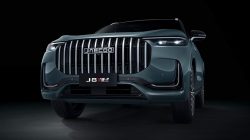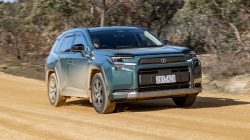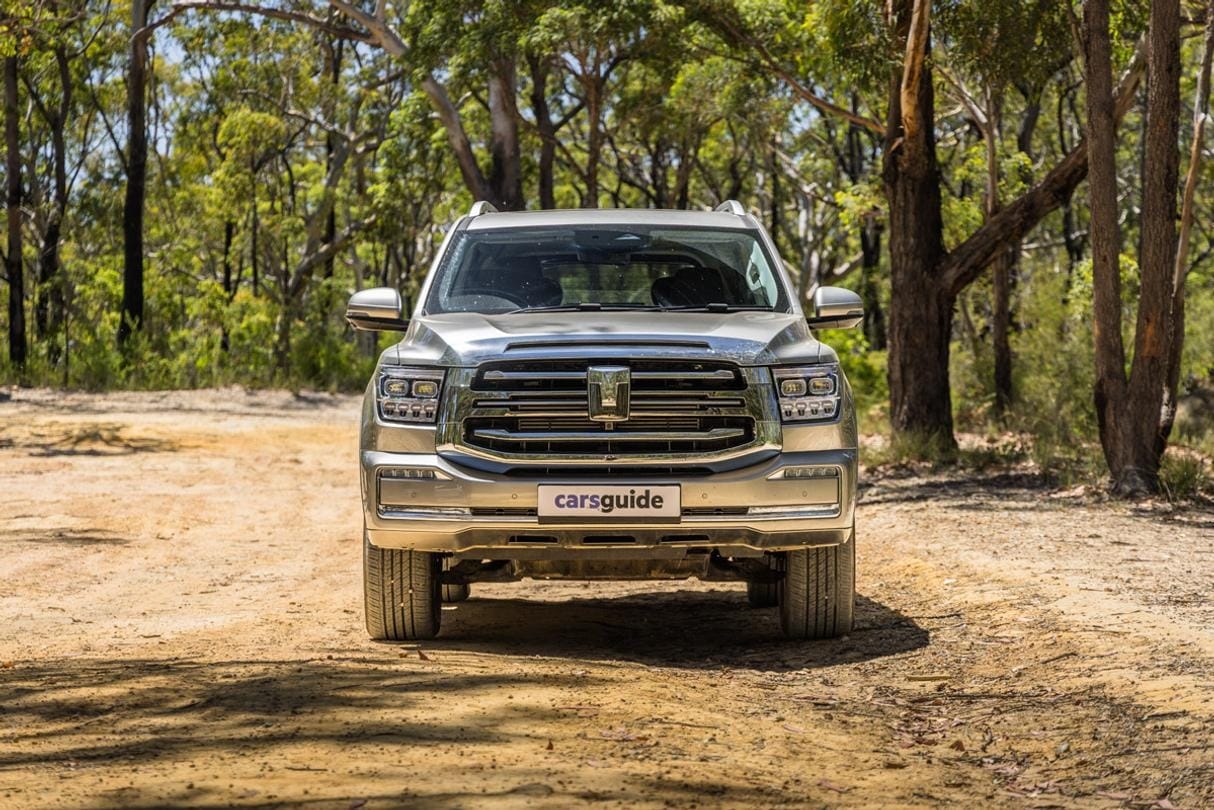
GWM is taking a unique approach in the automotive industry by introducing a new range of diesel-powered four-cylinder hybrid and plug-in hybrid electric vehicles (PHEV). This move sets the Chinese automaker apart from most of its competitors, who have largely focused on petrol-engine solutions for their hybrid models.
These new engines are expected to be integrated into GWM’s lineup of SUVs and commercial vehicles starting next year. This development offers the brand a distinct advantage in the hybrid electrification market, which has been dominated by petrol-engine options.
Nicole Wu, GWM’s Chief Technology Officer, confirmed this initiative at the recent China Auto Show in Beijing. She emphasized that the diesel hybrids reflect the company’s commitment to providing the right engine for as many buyers as possible.
Some of the highlights include:
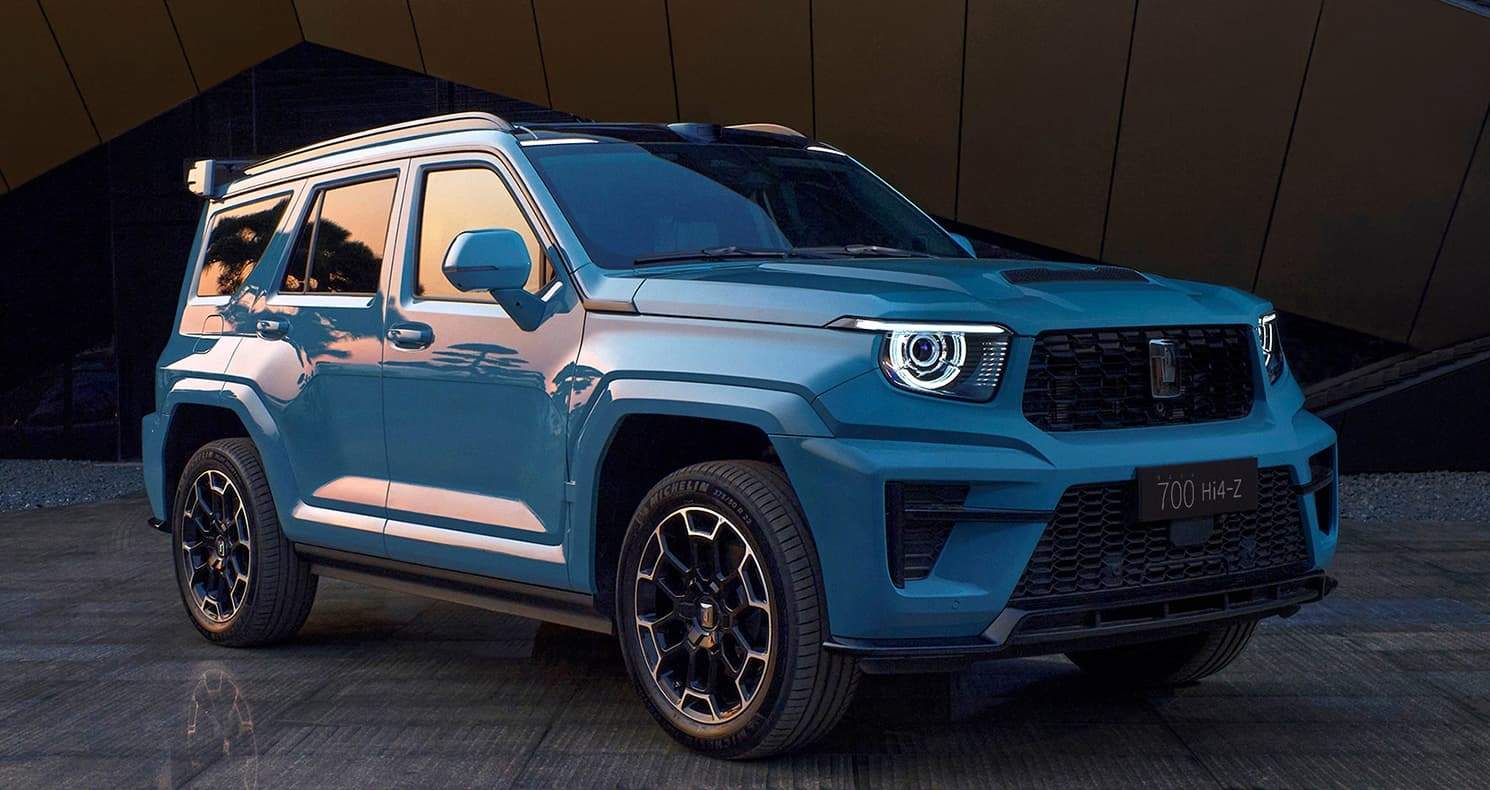
- The 2026 Tank 700, which has been updated in China with not one but two hybrid systems, positioning it as a strong competitor to the BYD Denza B5.
- The 2026 GWM Tank 300 plug-in hybrid, which is more powerful than a Toyota LandCruiser 300. It is set to challenge vehicles like the Jeep Wrangler and LandCruiser Prado when it launches in Australia.
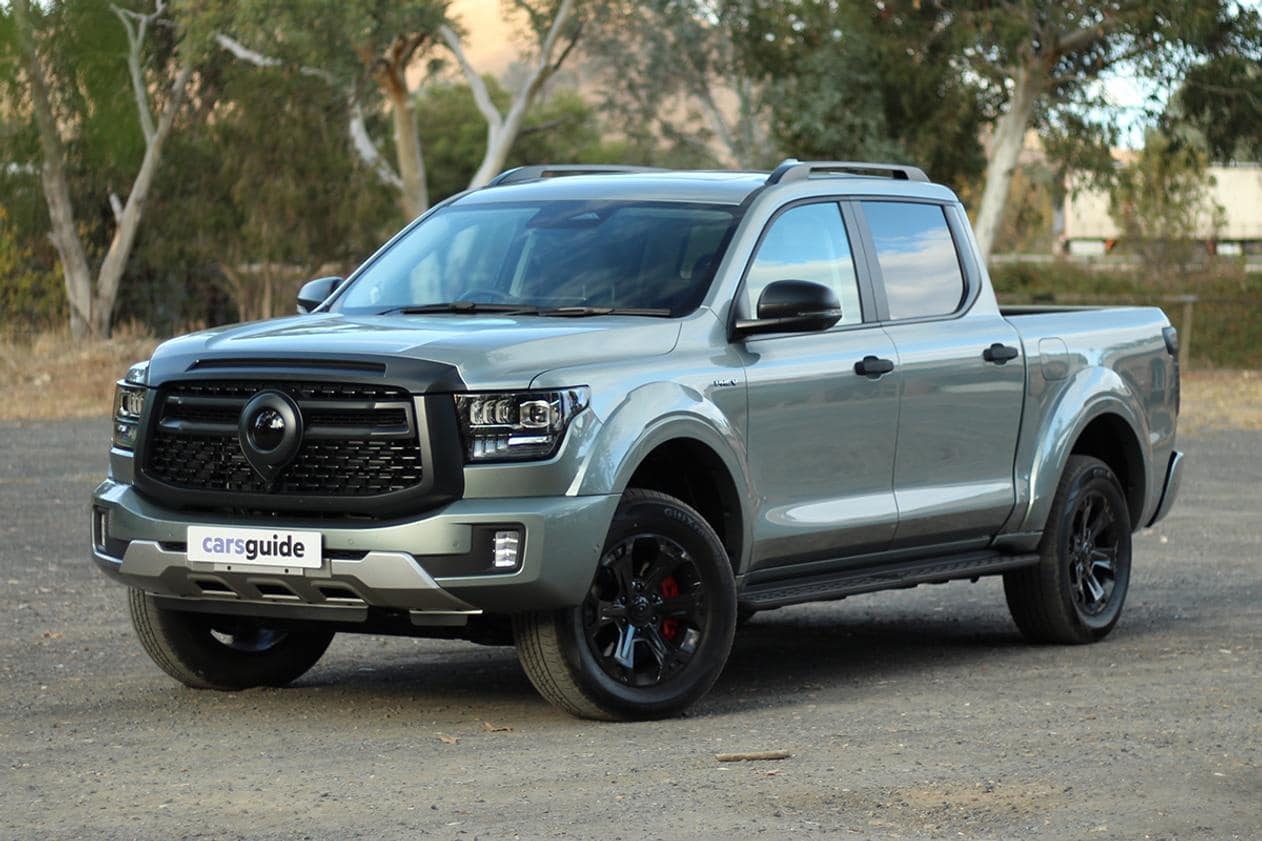
- The 2026 GWM Cannon, which will gain a plug-in hybrid powertrain this year. It aims to compete with the BYD Shark 6 and Ford Ranger PHEV. However, there are questions about when the GWM Cannon Alpha will receive a more robust 3.0-litre diesel engine.
Wu explained that GWM is developing diesel hybrids as part of its broader strategy to provide multiple powertrain systems. These systems combine high-efficiency engines with transmission and motors, including diesel, petrol, hybrid, and plug-in hybrid options.
The development of these technologies is complex, and GWM has invested significantly in this area. When asked about how these diesel hybrids could meet global emissions regulations, Wu mentioned that the company has several innovations in the works, though she did not disclose specific details.
“For the emissions such as NOx (nitrogen oxide), we have technical solutions,” Wu revealed. “We have both hybrid or plug-in hybrid diesels coming… Consumers will be able to choose what they want.”
China will be the first market to receive these diesel hybrids, starting early next year. Other markets will follow, depending on local conditions. Wu indicated that this could happen as early as the first quarter of 2027.
While specific details are limited, it is understood that the hybrid and PHEV diesel engines will be available in all engine capacity configurations. This includes GWM’s upcoming 3.0-litre four-cylinder unit, as well as the existing 2.0-litre and 2.4-litre sizes.
These engines will be used in both longitudinal-engined, four-wheel-drive body-on-frame applications such as the Cannon Alpha ute and its Tank 500 and smaller Tank 300 siblings. They will also be available in transverse-engined two-wheel-drive vehicles across the GWM range.
More specifically, it is likely that the longitudinal diesel utes and 4WDs will come equipped with GWM’s new EV-first Hi4-Z extended-range EV tech and the more off-road-focused Hi4-T PHEV flagship. The transverse models will feature a simpler hybrid-diesel format.
According to Adam Thomson, GWM’s Chief Engineer and Technical Director at the GWM Vehicle Integration Centre, hybrid technologies are largely interchangeable regardless of fuel type. This means that petrol and diesel-based hybrid tech can be shared if necessary.
“Emission treatment systems on a diesel engine, built for a conventional car and a hybrid car, are similar,” he explained. “The solution to the emissions issue is actually the same one.”
As more information becomes available, updates will be provided. Stay tuned for further developments.