Volkswagen’s Expansion in the Chinese Market
Volkswagen is making significant moves to strengthen its position in the Chinese market by developing a wide range of electric vehicles (EVs) and extended-range electric vehicles (EREVs). This initiative aims to counteract the company’s declining market share and stay competitive against local brands. Some of these new models may also find their way into European and other global markets.
The German automaker has ambitious plans, aiming to launch 50 new models in China by 2030. Many of these vehicles are being developed in collaboration with local partners as part of Volkswagen’s “In China, For China” strategy. This approach emphasizes tailoring products to meet the specific needs and preferences of Chinese consumers.
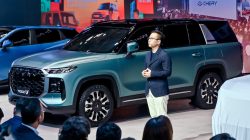
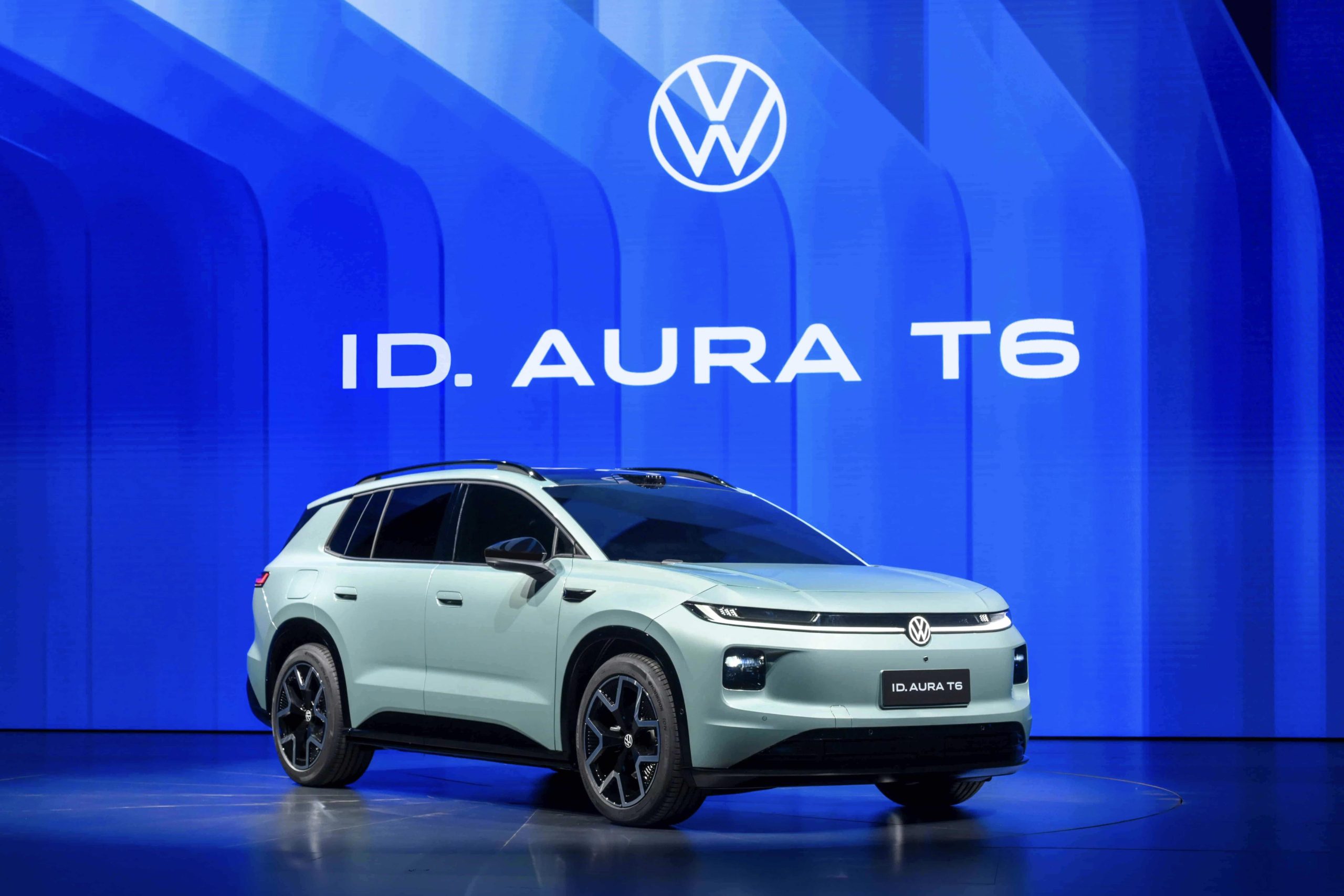
At this year’s Beijing Motor Show, Volkswagen unveiled two new models: the ID. Unyx 09 and the ID. Aura T6. Both of these vehicles utilize platforms developed in part or in whole by Xpeng, a leading Chinese electric vehicle manufacturer. This partnership highlights Volkswagen’s commitment to leveraging local expertise and technology.
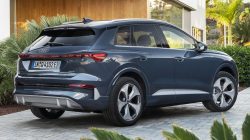
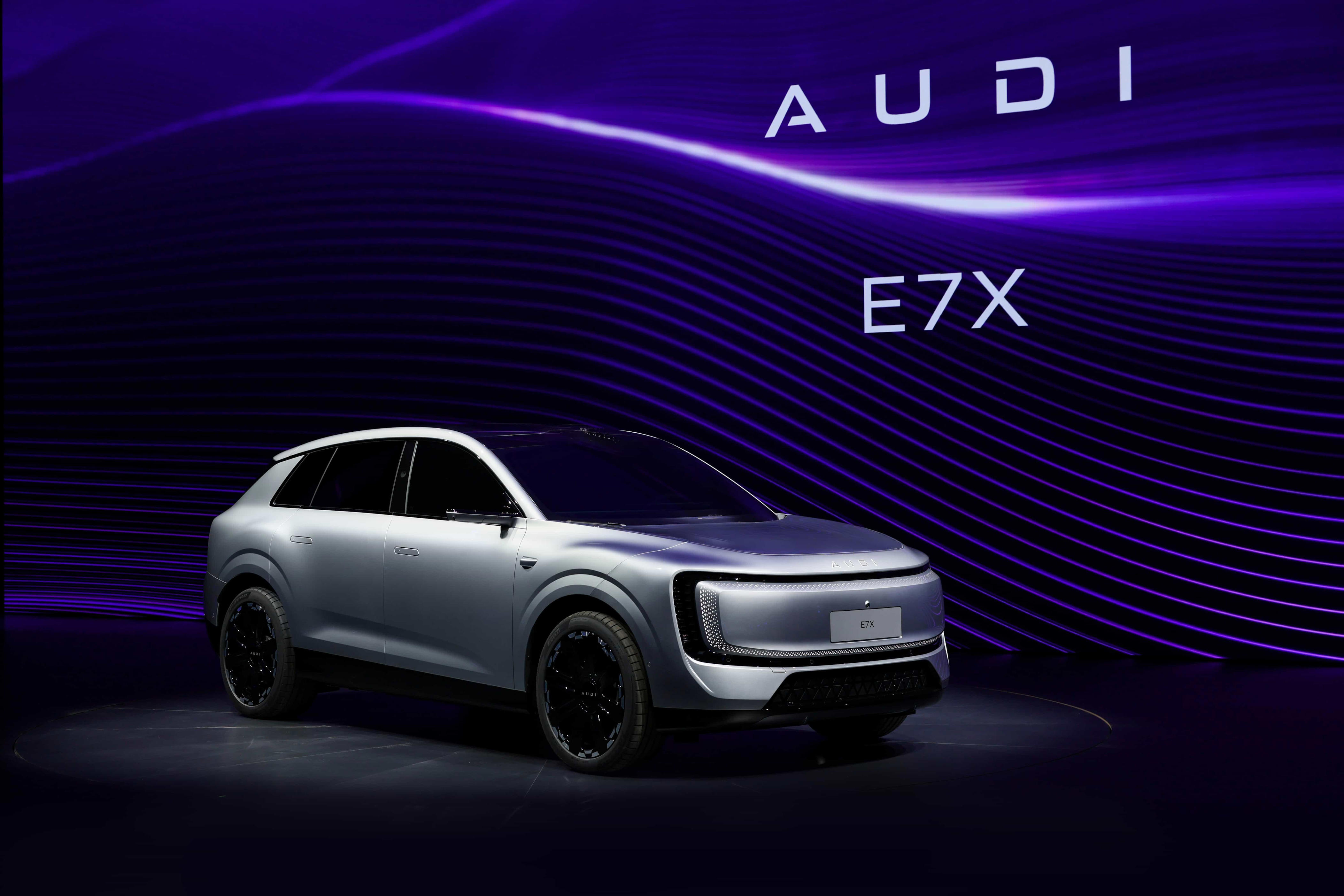
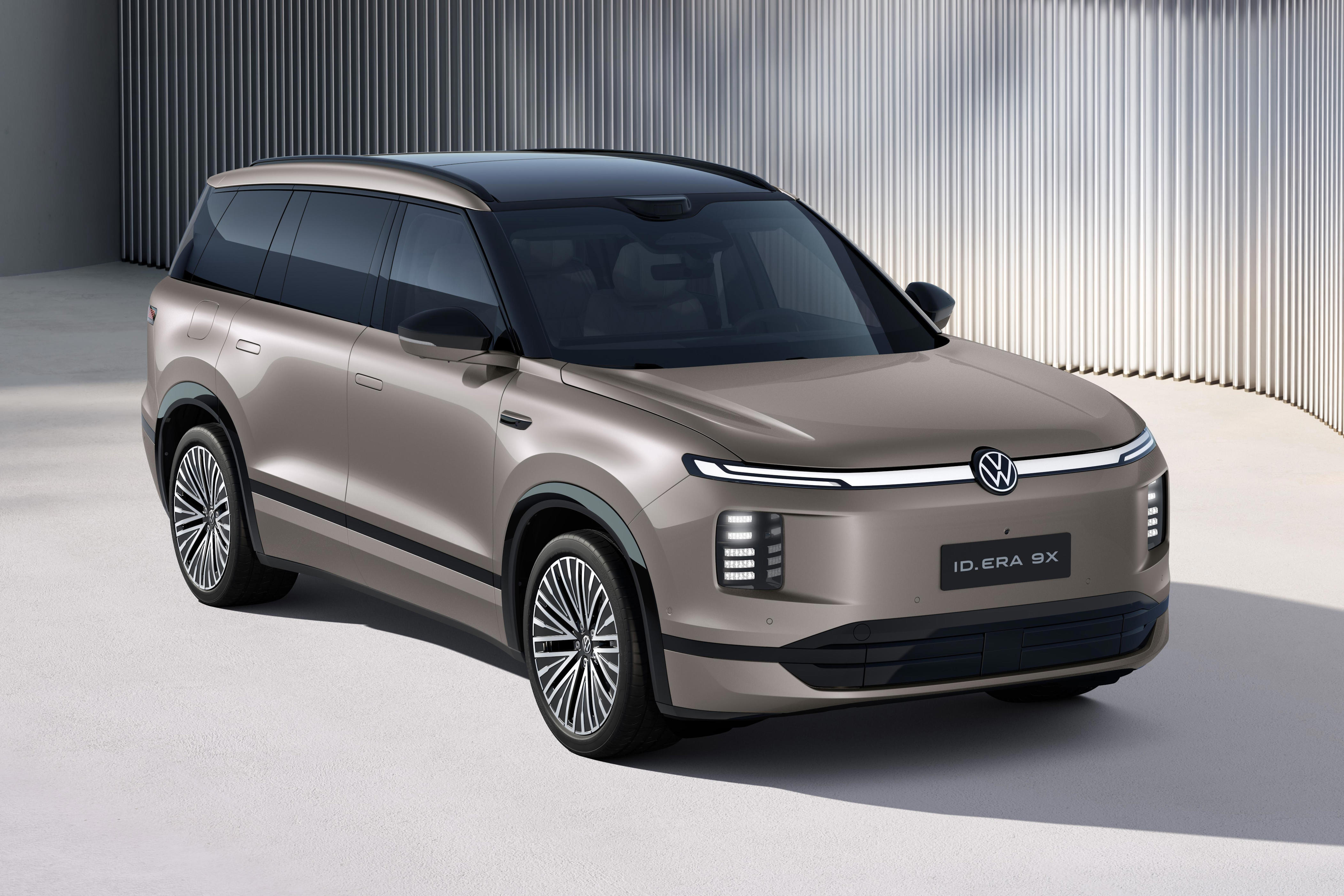
Another notable development is the use of a platform developed by SAIC, a major Chinese automotive manufacturer, for the Volkswagen ID. Era 9X and the upcoming AUDI E7X. This platform is also used for the MG IM range, showcasing the growing influence of local partners in shaping the future of Volkswagen’s product lineup.
Following the announcement of its first-quarter results, Volkswagen’s top executives engaged with reporters and analysts. In comments reported by several media outlets, CEO Oliver Blume indicated that some models developed in China could be exported to regions such as Latin America, the Middle East, India, and Asia. However, it remains unclear whether Australia is on the radar as a potential export market. The only time Volkswagen sold a Chinese-made car in Australia was during the early 2000s with the Polo sedan.
Volkswagen is taking a cautious approach when it comes to introducing Chinese-developed models to Europe. According to Mr. Blume, it is “too early to decide if we want to localise a Chinese platform in Germany.” The company is waiting to see which models perform well before making any decisions. If the company does proceed, the CEO stated that the priority would be to use one of its own platforms first. The Compact Main Platform (CMP), currently under development by Volkswagen China, is set to launch in 2027.
Mr. Blume also hinted that any China-developed models that eventually make their way to Europe could be larger vehicles. He mentioned that the focus would be on segments where Volkswagen’s current portfolio does not have a strong presence. For Europe, Volkswagen is actively updating and expanding its EV lineup. This includes the redesigned ID. 3 Neo, the upcoming ID. Tiguan, and the newly unveiled ID. Polo. These models feature more competitive pricing, improved range and performance, and enhanced interior quality with physical controls.
The “In China, For China” strategy is a direct response to Volkswagen’s declining sales in the Chinese market. With the rise of electric vehicles and the emergence of powerful local brands, Volkswagen lost its long-held dominance to BYD in 2023. In 2025, Volkswagen Group sales in China fell further by 8.0 per cent to 2.7 million units, with EVs accounting for just 115,500 of that figure—a decline of 44.3 per cent from the previous year.
As the first models in this product blitz begin to roll out of factories, it is still too early to determine the success of the new strategy. However, it is clear that Volkswagen is investing heavily in its future in China, hoping that these efforts will help regain its market position and expand its reach globally.