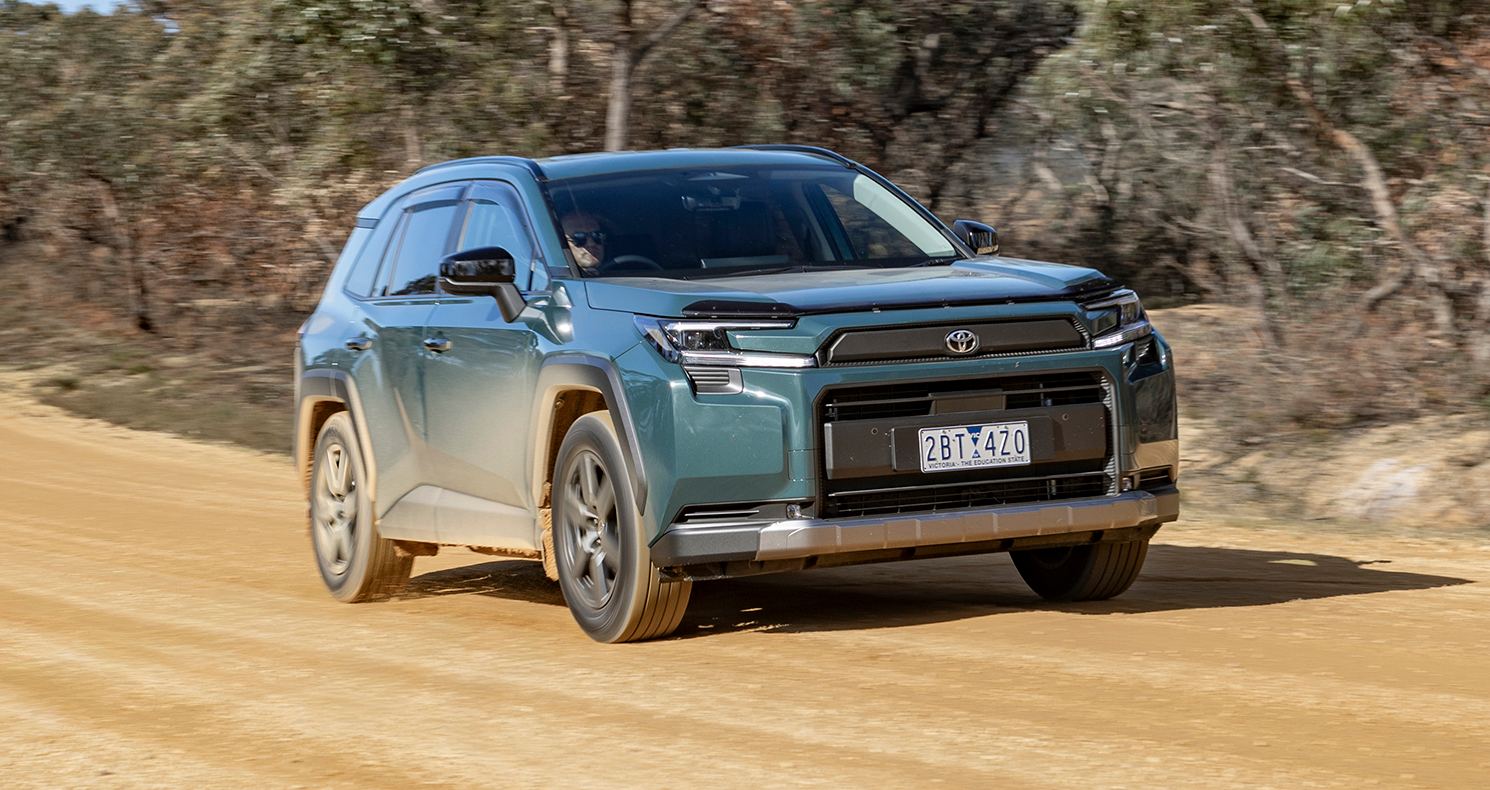
The Rise of Chinese Car Makers in Australia
Chinese car manufacturers are making a strong push into the Australian market, and it’s clear that they’re gaining ground. According to recent industry sales data from the Federal Chamber of Automotive Industries (FCAI) and the EV Council, Chinese-sourced cars are on track to overtake their Japanese counterparts in terms of country-of-origin for 2026.
Year-to-date sales (until the end of March) show that 77,695 cars sold in Australia were made in China, while 71,596 were produced in Japan. This represents a 51.4 per cent increase for China compared to the same quarter last year, and a 25.4 per cent decrease for Japan.
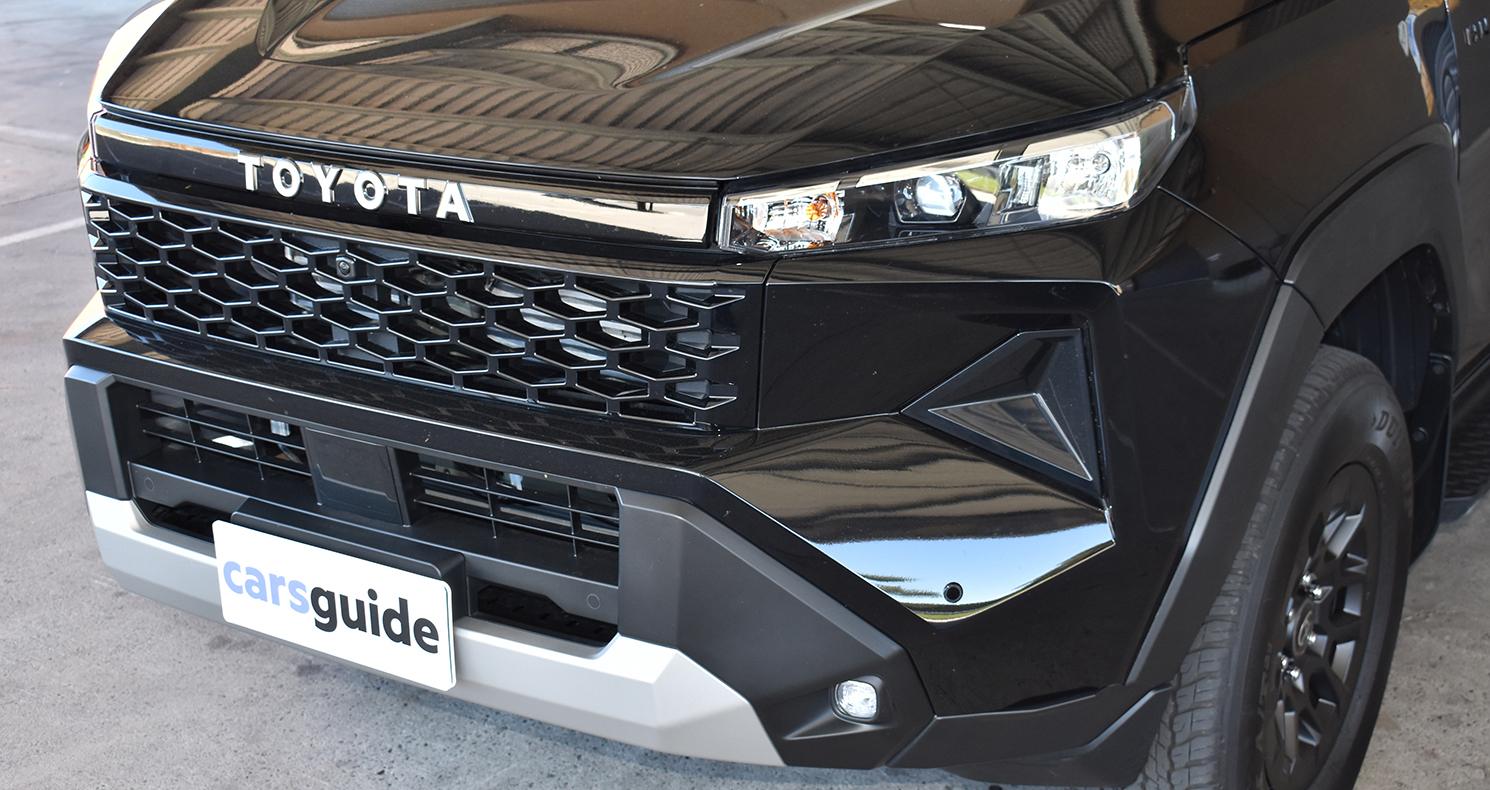
This shift raises questions about the future of Japanese automakers in Australia. While brands like Honda and Suzuki have seen a decline, Toyota remains a formidable player. The company has several strategies in place to maintain its dominance, with the new-generation RAV4 being one of its key assets.
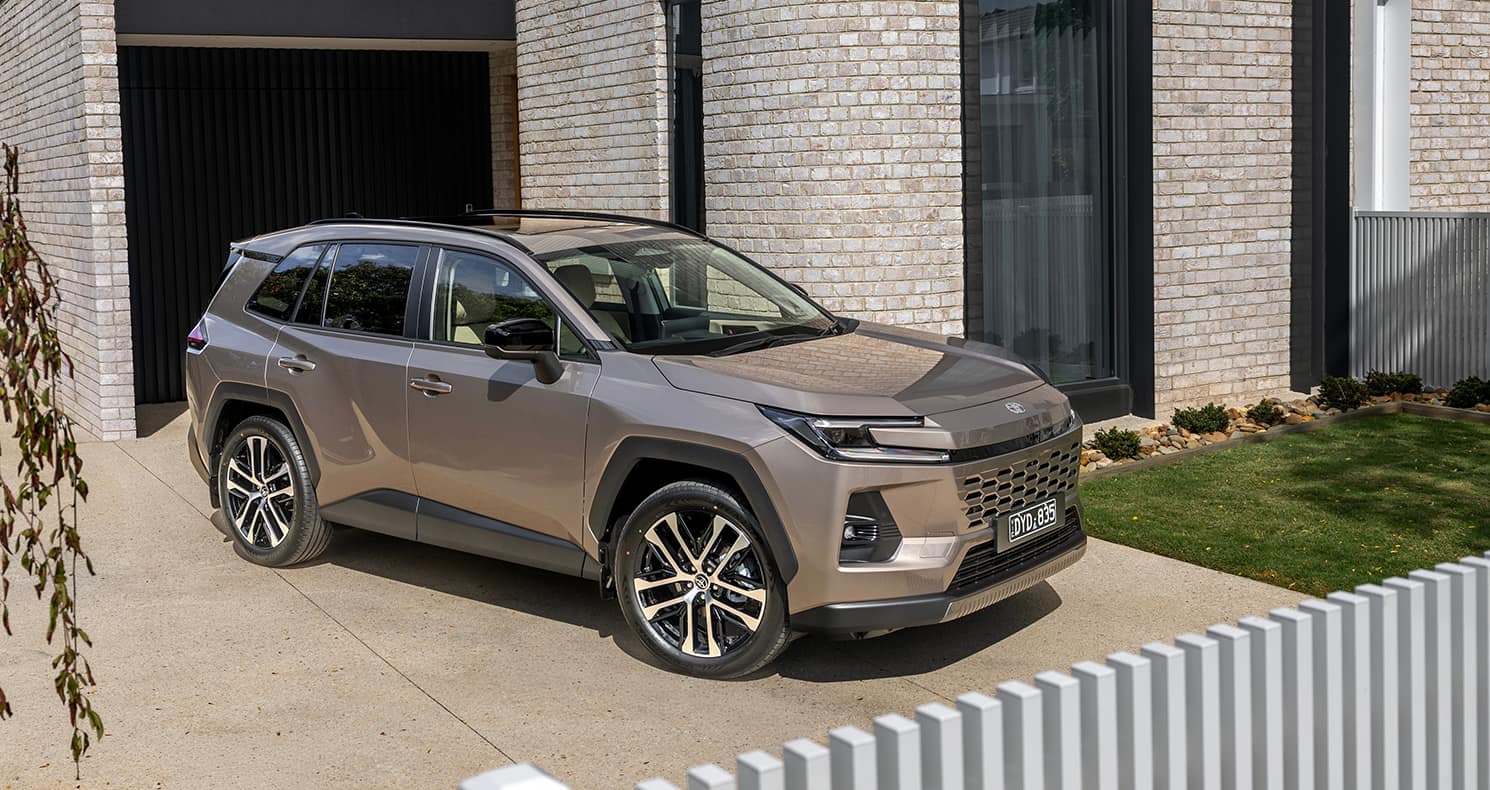
Toyota’s New RAV4: A Game Changer
The new-generation RAV4, launched in April, is positioned as Toyota’s secret weapon to regain market share in Australia. In 2025, the RAV4 was the second best-selling vehicle in Australia, behind the Ford Ranger ute. This is impressive considering the model had been on sale since 2018 and was competing against newer, more modern SUVs.
Toyota Australia CEO John Pappas highlighted the strong demand for the new RAV4 during its launch. He mentioned that before the car was even wholesaled, there were already around 10,000 orders. “That gives us a good indication of the demand at that early point before actually launching it,” Pappas said.
He expects the RAV4 to sell around 40,000 units this year and over 50,000 next year. These numbers are realistic and likely to be exceeded.
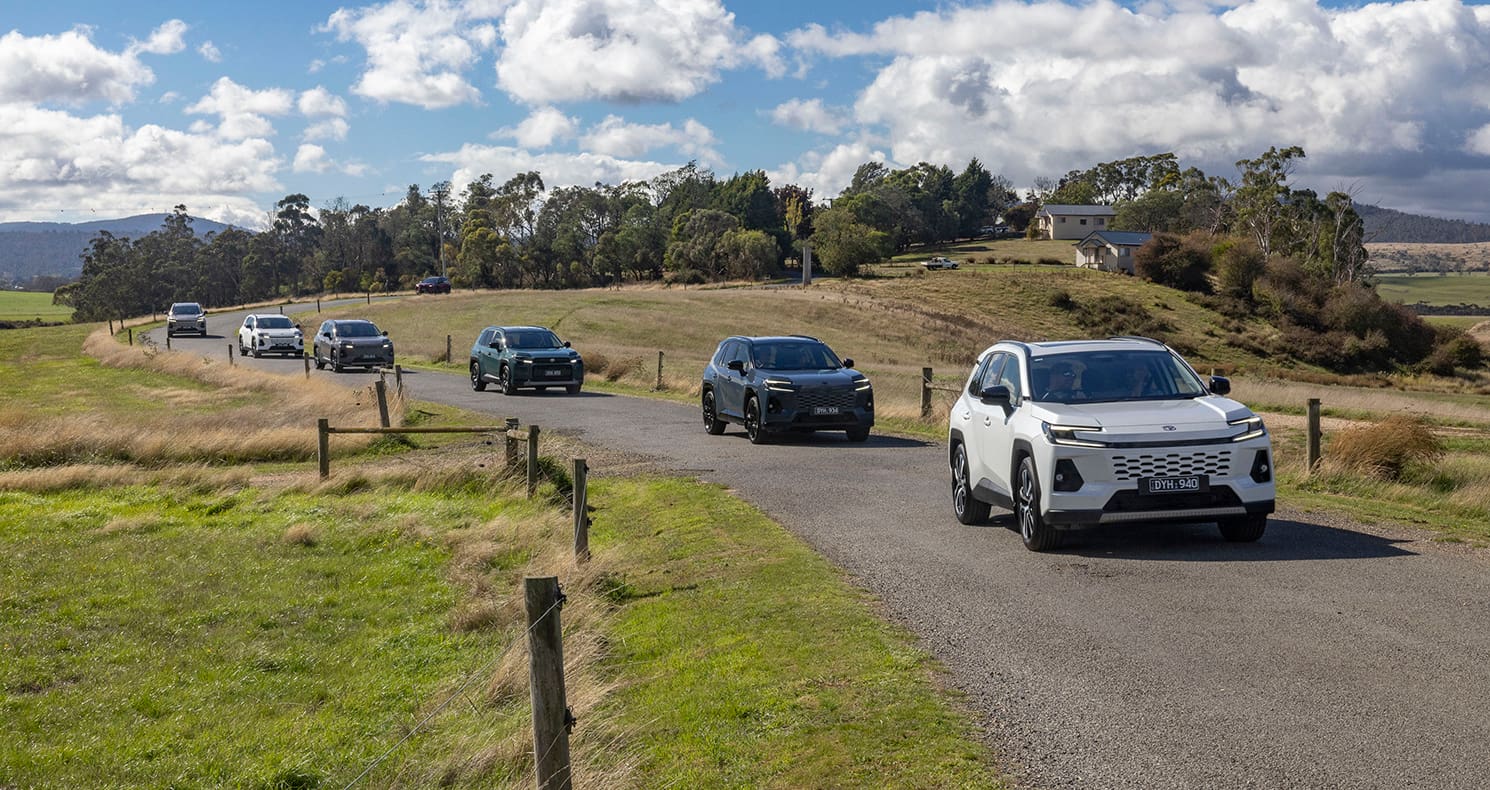
Sales Performance and Competition
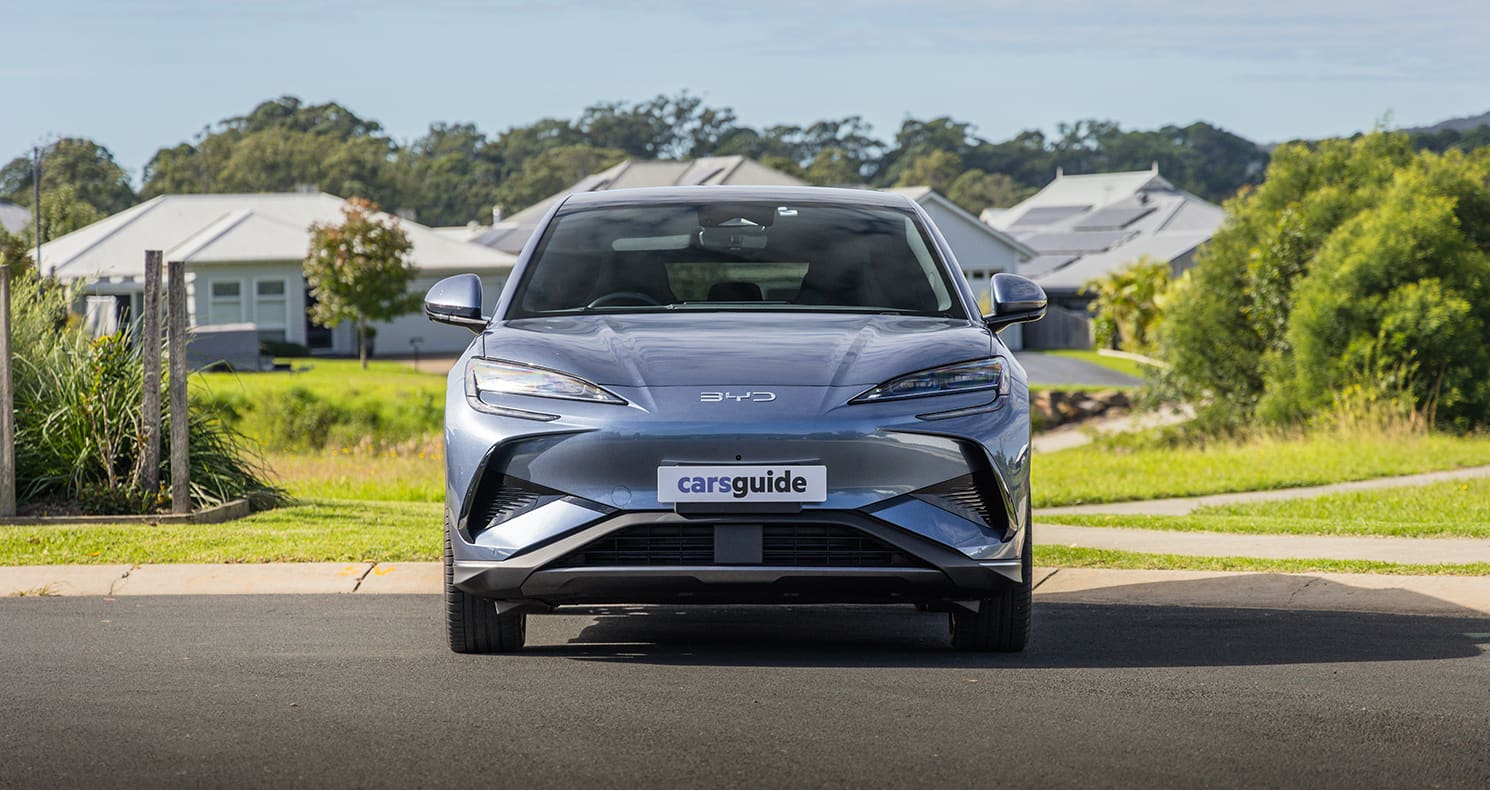
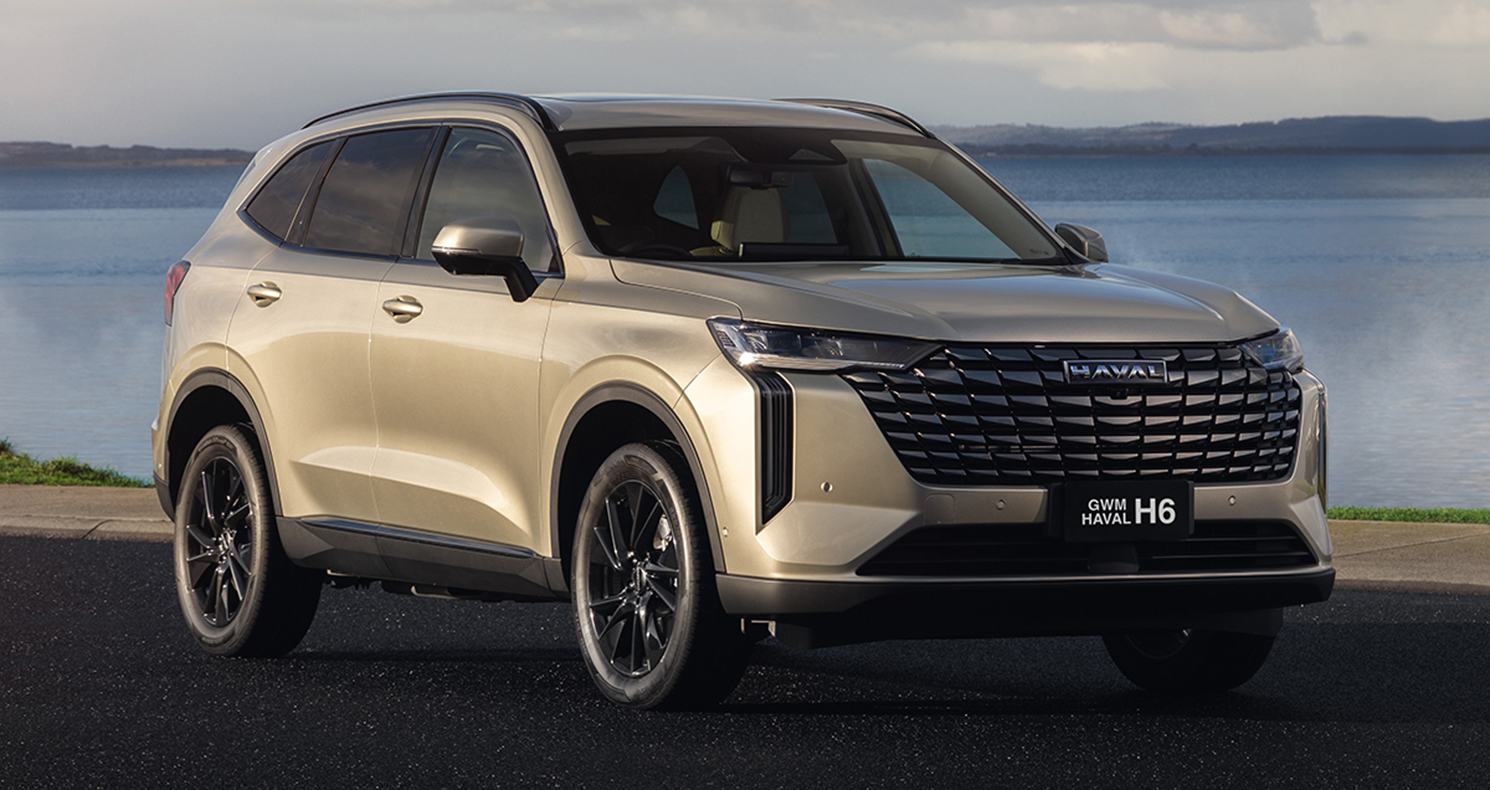
In 2025, 51,947 RAV4s were sold, placing it second in annual sales. The closest mid-size SUV rivals included the Mazda CX-5, Mitsubishi Outlander, Tesla Model Y, and Hyundai Tucson. Chinese models such as the BYD Sealion 7 and GWM Haval H6, while growing in popularity, still lag far behind the RAV4 in sales figures.
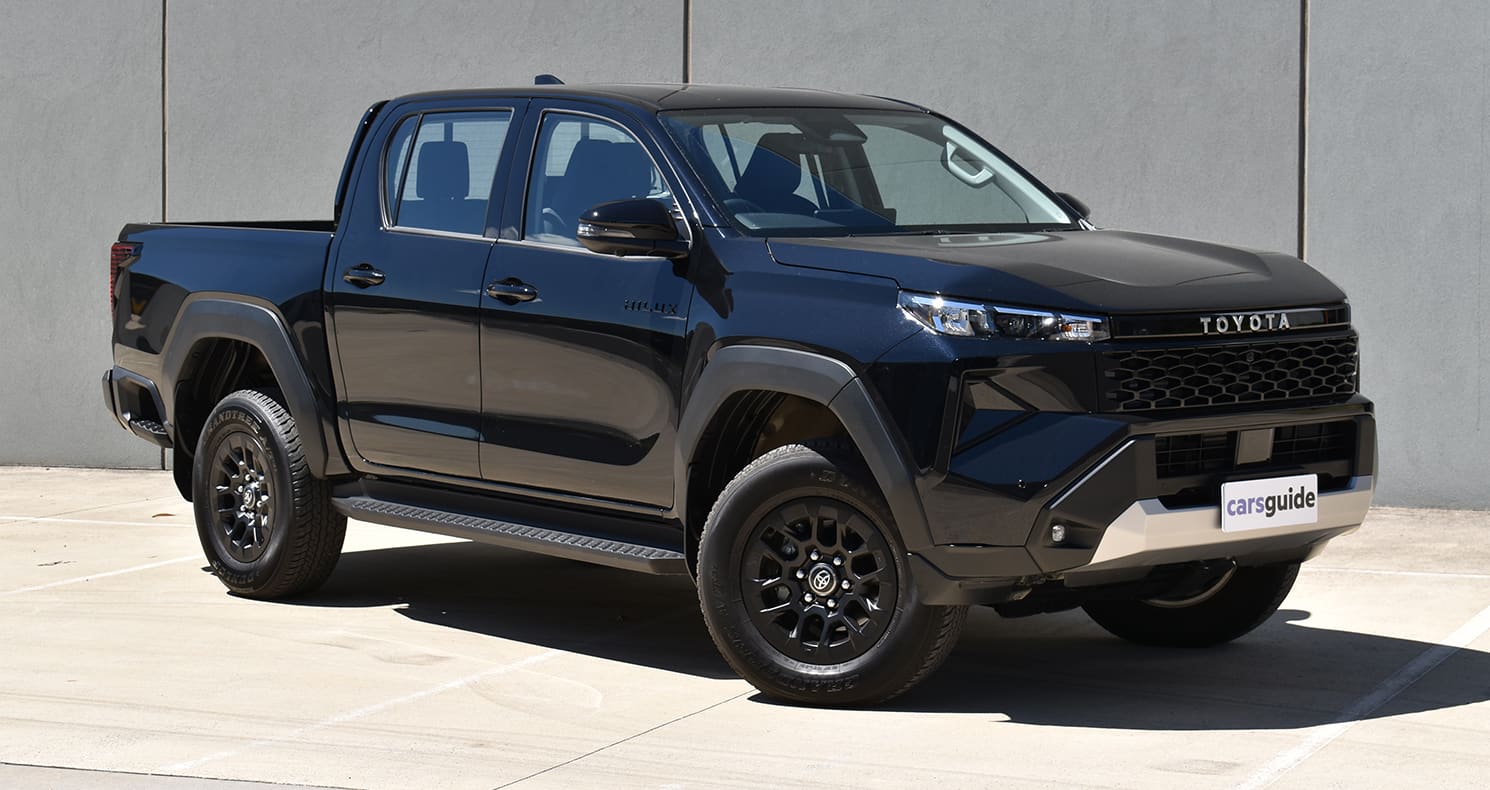
The RAV4’s success is not isolated. Toyota’s other popular models, including the HiLux ute, Corolla, Corolla Cross, Yaris Cross, Camry, Prado, and LandCruiser 300 Series, are all contributing to the brand’s strong performance.
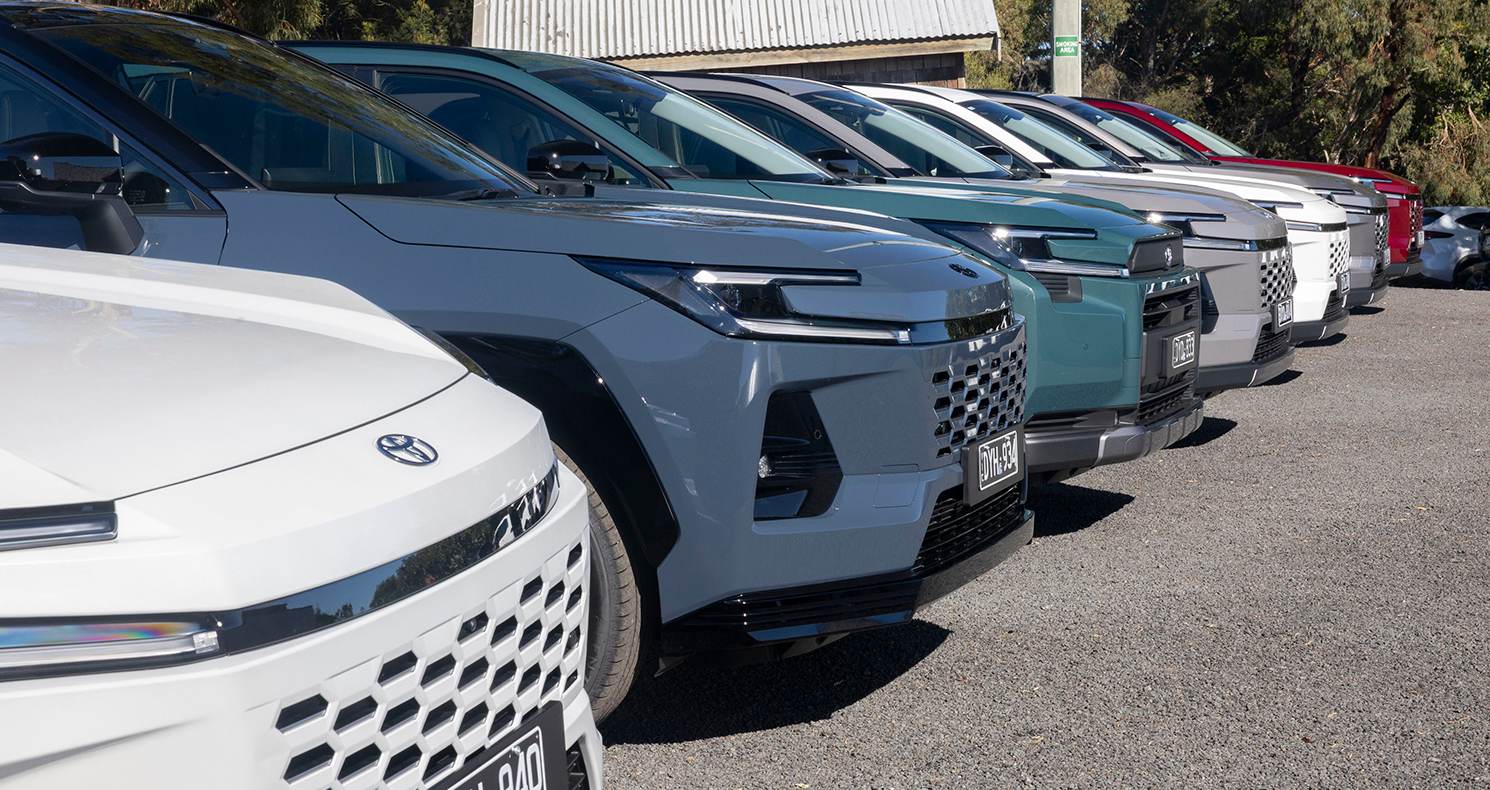
Toyota’s Dominance in the Market
Last year, Toyota sold 239,863 vehicles in Australia, making it the best-selling car brand for 2025. Compared to its Japanese competitors—Honda, Nissan, Mitsubishi, Subaru, Suzuki, Isuzu, and Mazda—Toyota is outperforming them significantly. Together, these seven brands accounted for 300,695 sales, totaling 540,558 Japanese-made cars sold in Australia last year.
While Chinese brands are gaining momentum, it remains to be seen if they can surpass this number. Monthly sales figures for 2026 suggest that Chinese competitors may achieve this, but Toyota’s RAV4 and HiLux could prevent it.
The Future of the Australian Car Market
The battle between Japanese and Chinese car manufacturers is not just about volume. For Chinese brands, it’s also about the sheer number of different brands (22 at last count) and the variety of models available, especially affordable electric vehicles.
2026 could be the final year that Japanese brands dominate the Australian market. However, this will depend heavily on the RAV4’s performance this year. If Chinese brands continue their rapid growth, the shift in market leadership could happen sooner than expected.
Key Factors Influencing the Market
Several factors are shaping the current landscape of the Australian car market:
- Sales Trends: The increasing sales of Chinese-sourced cars indicate a shift in consumer preferences.
- Product Diversity: Chinese brands are offering a wide range of models, including electric vehicles, which appeal to a broader audience.
- Brand Reputation: Toyota’s established reputation and loyal customer base give it an edge in the market.
- Technological Innovation: Both Japanese and Chinese brands are investing in new technologies to stay competitive.
Conclusion
As the automotive landscape in Australia continues to evolve, the competition between Japanese and Chinese car manufacturers is intensifying. While Chinese brands are making significant strides, Toyota’s strong presence and the success of the new RAV4 suggest that the Japanese giant is not ready to relinquish its position. The coming years will be crucial in determining the future of the Australian car market.