GWM Cannon Plug-in Hybrid Ute Set for Australian Launch in August
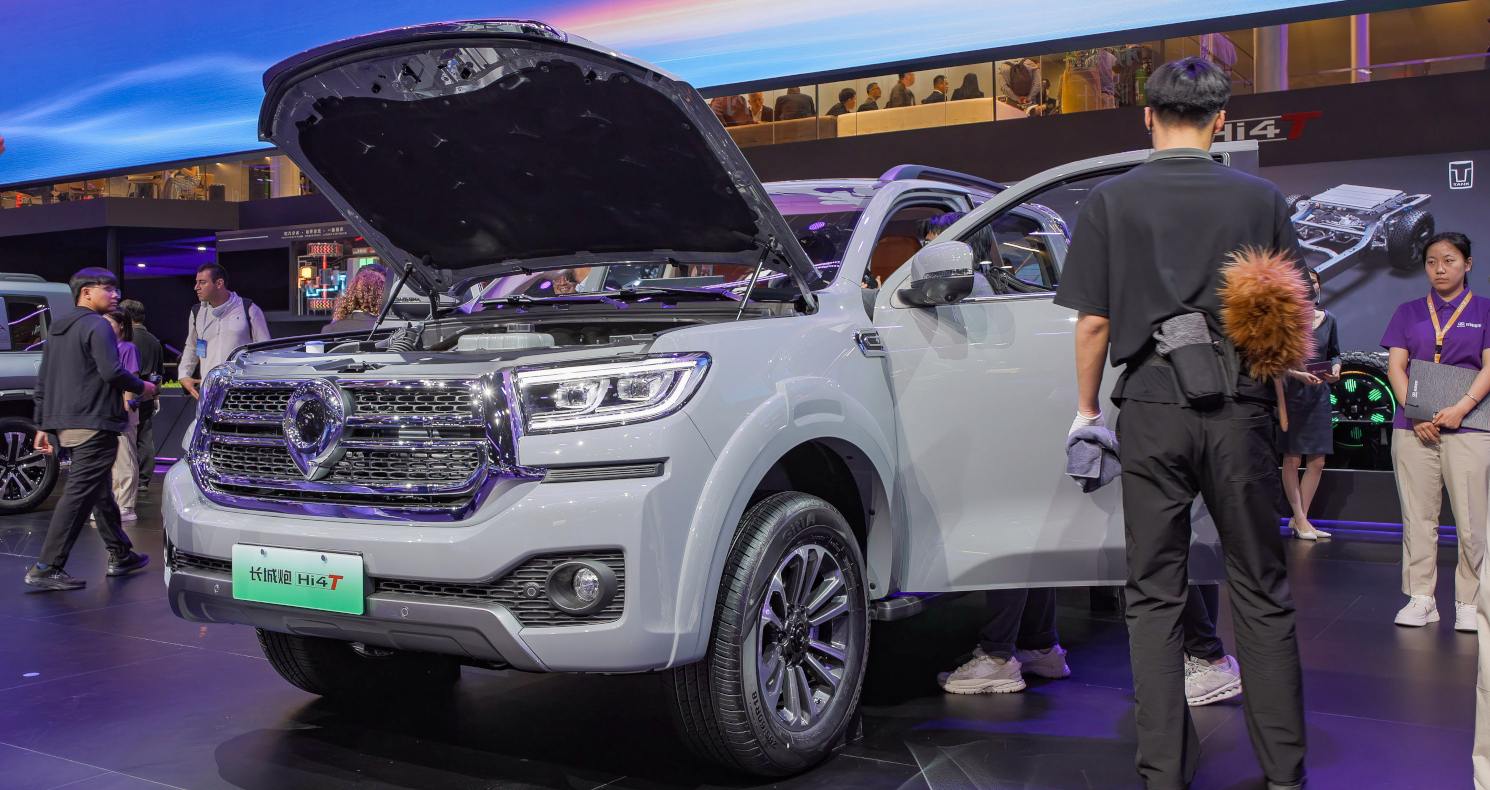
GWM has officially revealed more details about the upcoming plug-in hybrid (PHEV) version of its Cannon ute. Scheduled to launch in August in Australia, this model will be the first electrified option in the Cannon range. The Chinese automaker is aiming to challenge BYD’s dominance in the mid-sized ute segment with this new offering.
One of the most anticipated aspects of the Cannon PHEV is its potential to compete directly with the BYD Shark 6 and Ford Ranger PHEV. However, there are questions about when the GWM Cannon Alpha will receive a more powerful 3.0-litre diesel engine. For now, the focus is on the PHEV variant, which could position GWM as a serious contender in the market.
A Budget-Friendly Option in the Mid-Sized Ute Market
The GWM Cannon PHEV is expected to be the most affordable PHEV ute in Australia, starting under $50,000. This makes it an attractive alternative to other models like the BYD Shark 6 Dynamic, which starts at $55,990 for the new cab-chassis version. The Premium dual-cab ute from BYD is priced from $57,900, making the GWM model a compelling choice for budget-conscious buyers.
In addition to its competitive pricing, the Cannon PHEV is anticipated to offer strong towing capabilities. It is expected to have a braked-towing capacity of 3500kg, significantly higher than the BYD Shark 6 Premium’s 2500kg. To match the Cannon’s towing power, buyers would need to opt for the upcoming Shark 6 Performance model, which will be available from $62,900.
Enhanced Powertrain and Performance
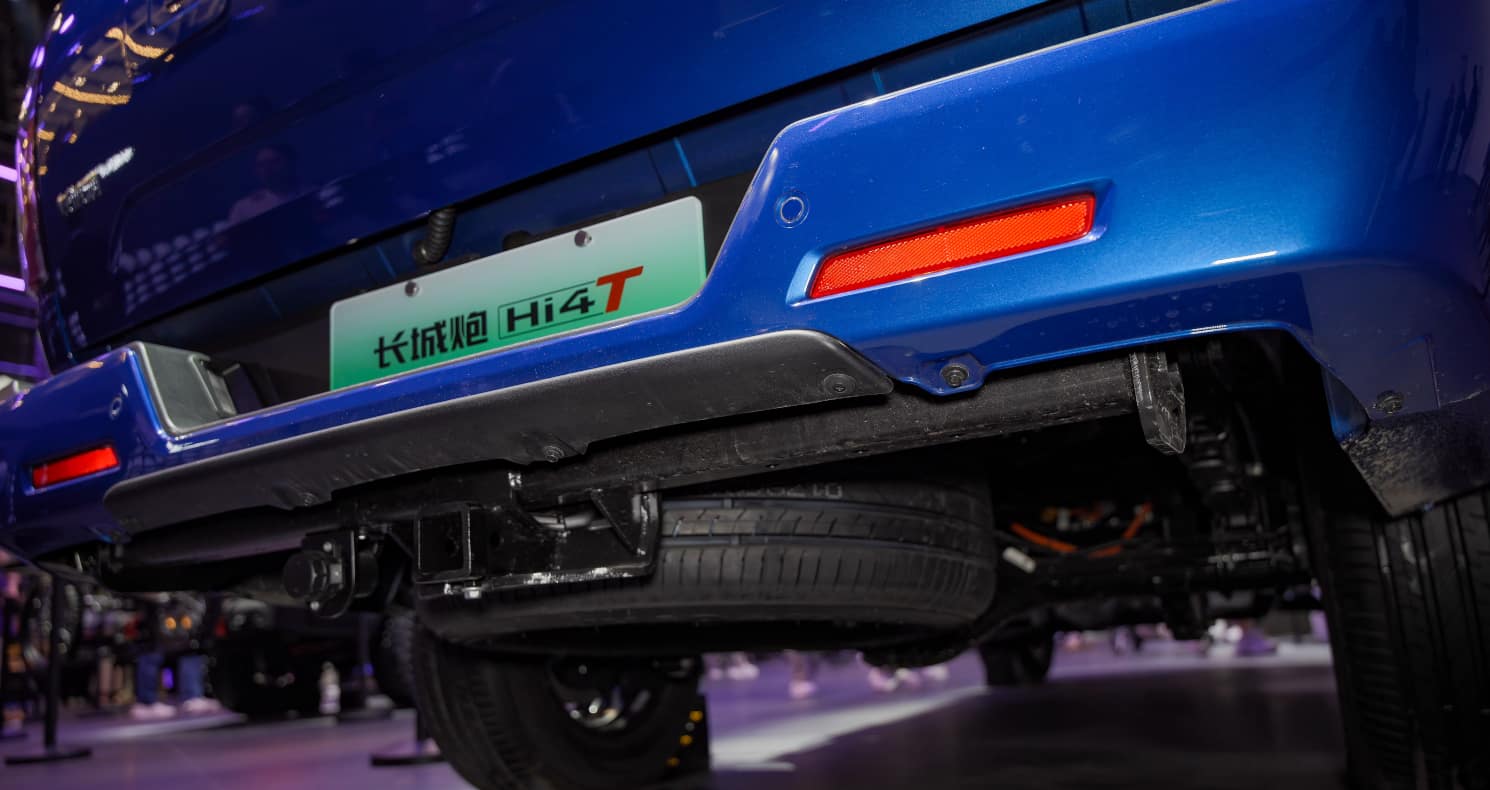
According to GWM Public Relations Manager Justin Stefani, the Cannon Hi4-T PHEV is expected to achieve the 3.5-tonne tow rating. In China, the model is rated at 3000kg, but the Australian version will use a higher-capacity tow bar supplied by an Australian manufacturer.
The powertrain of the Cannon Hi4-T PHEV is based on the same system used in the Cannon Alpha PHEV. It features a 2.0-litre turbo petrol engine that delivers 300kW of power and 750Nm of torque in Chinese specifications. This is slightly more than the Australian Alpha PHEV’s 650Nm. The 0-100km/h acceleration time is 6.4 seconds, with a top speed of 180km/h.
The electric-only range is rated at 84km under the WLTC standard, and the 33.1kWh battery is said to consume an average of 2.4kWh per 100km. Combined range in China is listed at approximately 900km.
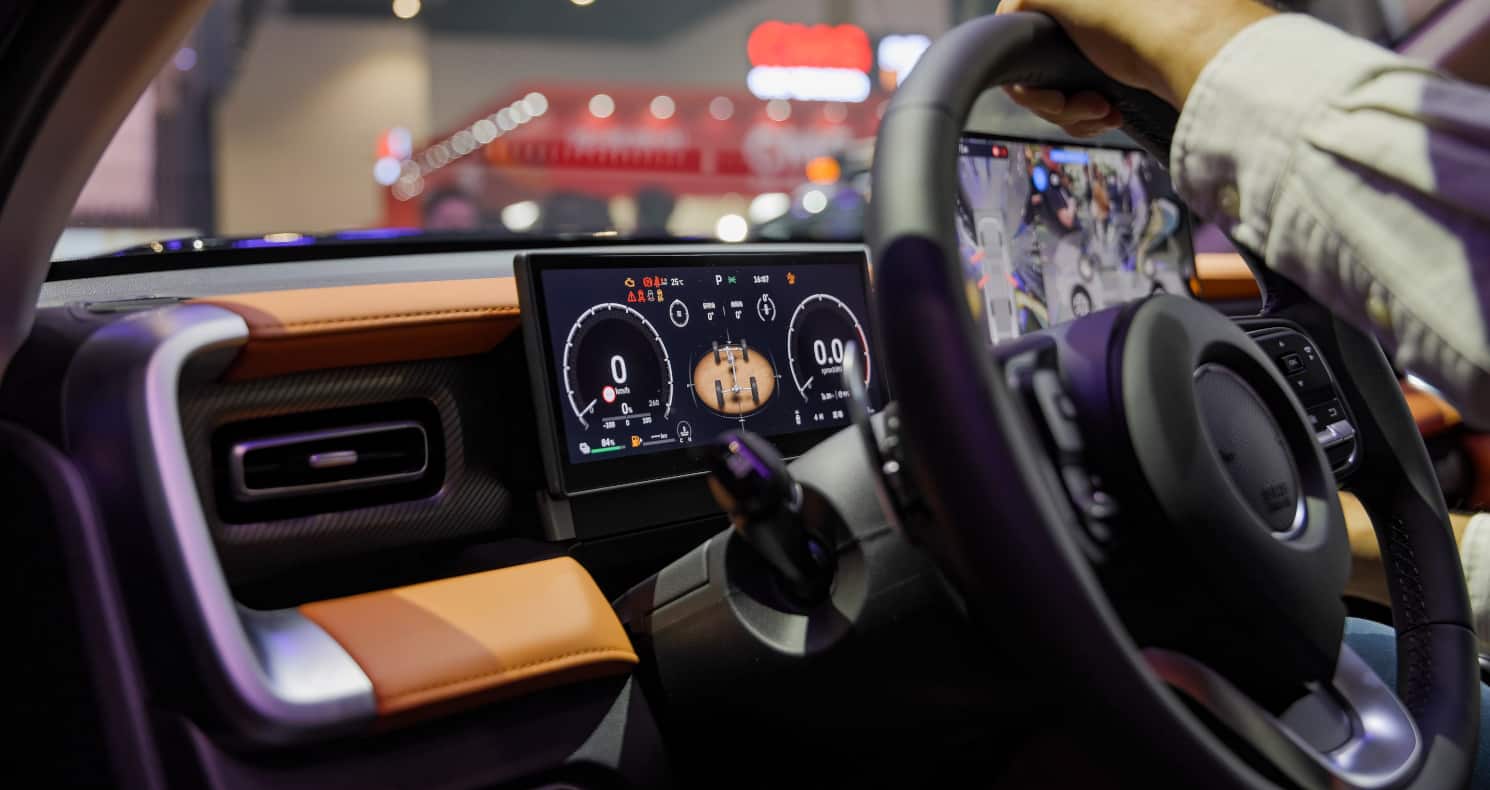
Design and Practicality
The Cannon PHEV measures 5416mm in length, 1947mm in width, and stands 1886mm high—2mm taller than the regular internal combustion engine versions. It maintains a cargo capacity of 1248 litres and offers 232mm of ground clearance, ensuring it remains practical for a wide range of tasks.
Stefani highlighted that the Cannon will follow a two-pronged strategy, with the Alpha premium option. This approach positions GWM as the only original equipment manufacturer (OEM) with a PHEV dual-strategy mid-sized truck, further solidifying its presence in the Australian market.