The Evolving Landscape of the Global Smartphone Market
The competition for the top position in the global smartphone market has seen a dramatic shift, with Samsung reclaiming its lead in early 2026. This development highlights the intense rivalry among major players and underscores the challenges faced by the industry as it navigates a slow-moving market.
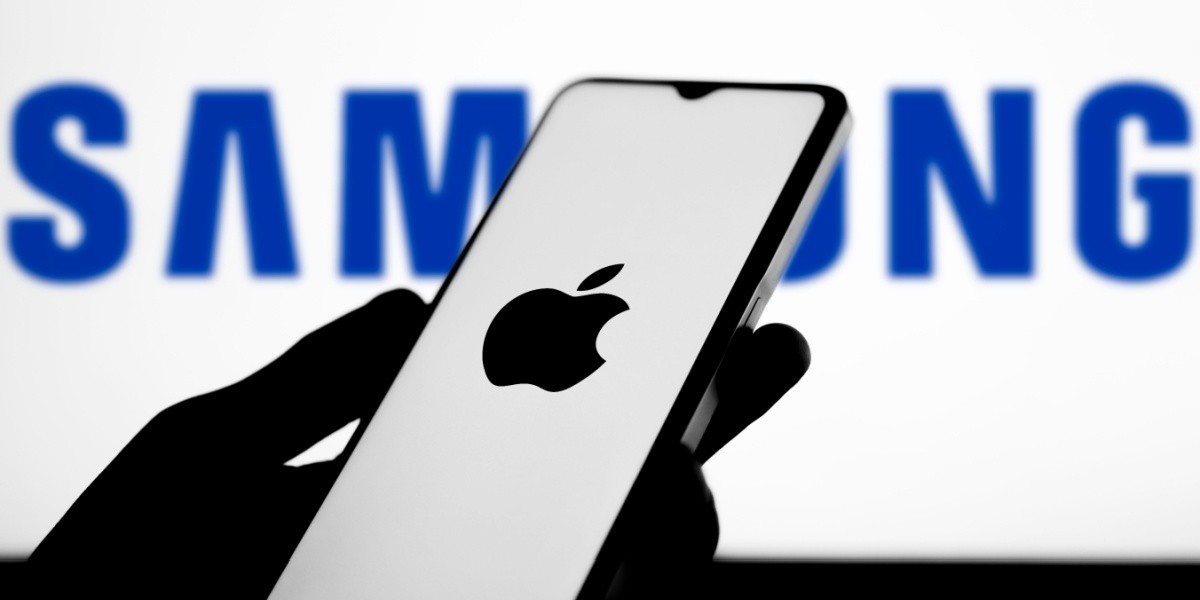
Samsung’s return to the top spot is particularly significant, as it had previously fallen behind in the previous year. According to the latest data, Samsung shipped an impressive 65.4 million smartphones in the first quarter of 2026, securing a 22 percent global market share. This figure marks an increase from the previous year and places Samsung ahead of Apple, which briefly held the lead in 2025.
Premium Devices Drive Momentum
Despite the overall sluggishness of the market, premium devices have emerged as key drivers of growth. The demand for high-end smartphones continues to influence consumer behavior, even as broader market trends suggest a plateau in growth. Samsung’s success can be attributed not only to timing but also to a stronger flagship product cycle than in previous years.
The Galaxy S26 Lineup: A Key Factor
A significant portion of Samsung’s recent success is tied to the Galaxy S26 lineup, which was launched earlier this year. This series has quickly become a central focus of Samsung’s sales strategy. Reports indicate that the Galaxy S26 Ultra variant is leading demand, despite its higher price point. The strong interest in premium features, combined with incremental upgrades and brand loyalty, appears to be countering broader market fatigue.
Compared to the Galaxy S25 cycle, the early signs suggest improved performance, indicating that Samsung has refined its approach to high-end smartphones. This strategic shift is likely to play a crucial role in maintaining its competitive edge in the market.
Apple’s Continued Presence
Apple remains a close contender, with 60.4 million iPhones shipped in the same period, holding a 20 percent market share. Although this represents a slight increase from the previous year, it was not enough to retain the top ranking. The narrow gap between Samsung and Apple continues to define the upper tier of the smartphone market, highlighting the ongoing battle for dominance.
Market Stability and Challenges
Further down the rankings, the market dynamics are less stable. Xiaomi, OPPO, and Vivo all experienced year-on-year shipment declines, even though they maintained their positions among the top vendors. The industry’s growth was limited to just 1 percent compared to Q1 2025, reinforcing the perception that the market is reaching a plateau.
Future Outlook and Challenges
Looking ahead, Omdia anticipates that conditions will remain tight, with rising memory chip costs posing a potential challenge for both profitability and future shipments. These factors could impact the strategies of major players as they navigate the evolving landscape of the smartphone market.
As the competition intensifies, the ability of companies to innovate and adapt will be critical in determining their success. With Samsung at the forefront and Apple closely following, the race for market leadership shows no signs of slowing down.