The Global Response to a Deadly Hantavirus Outbreak on the MV Hondius
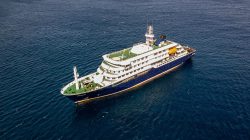
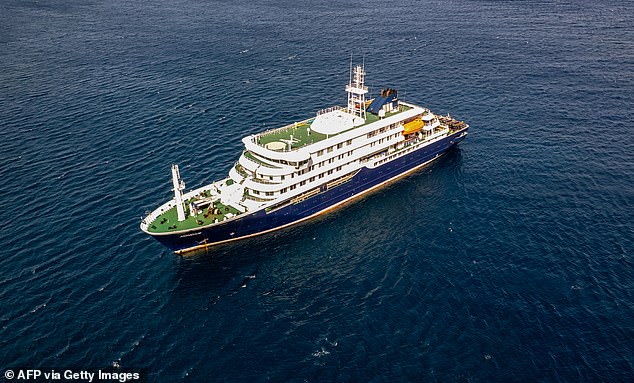
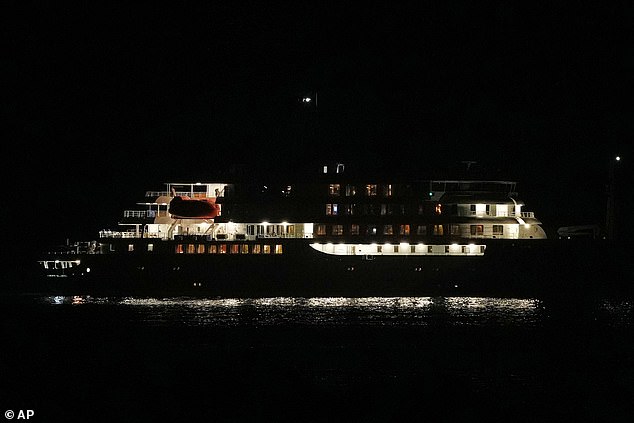
The MV Hondius, a luxury cruise ship, has become the epicenter of an international health crisis after an outbreak of hantavirus infected several passengers and crew members. The virus, typically spread by rodents, has taken a rare and dangerous turn as it appears to have been transmitted from person to person. This has raised significant concerns among global health authorities and sparked a race to trace and contain the spread of the illness.
The Spread of the Virus
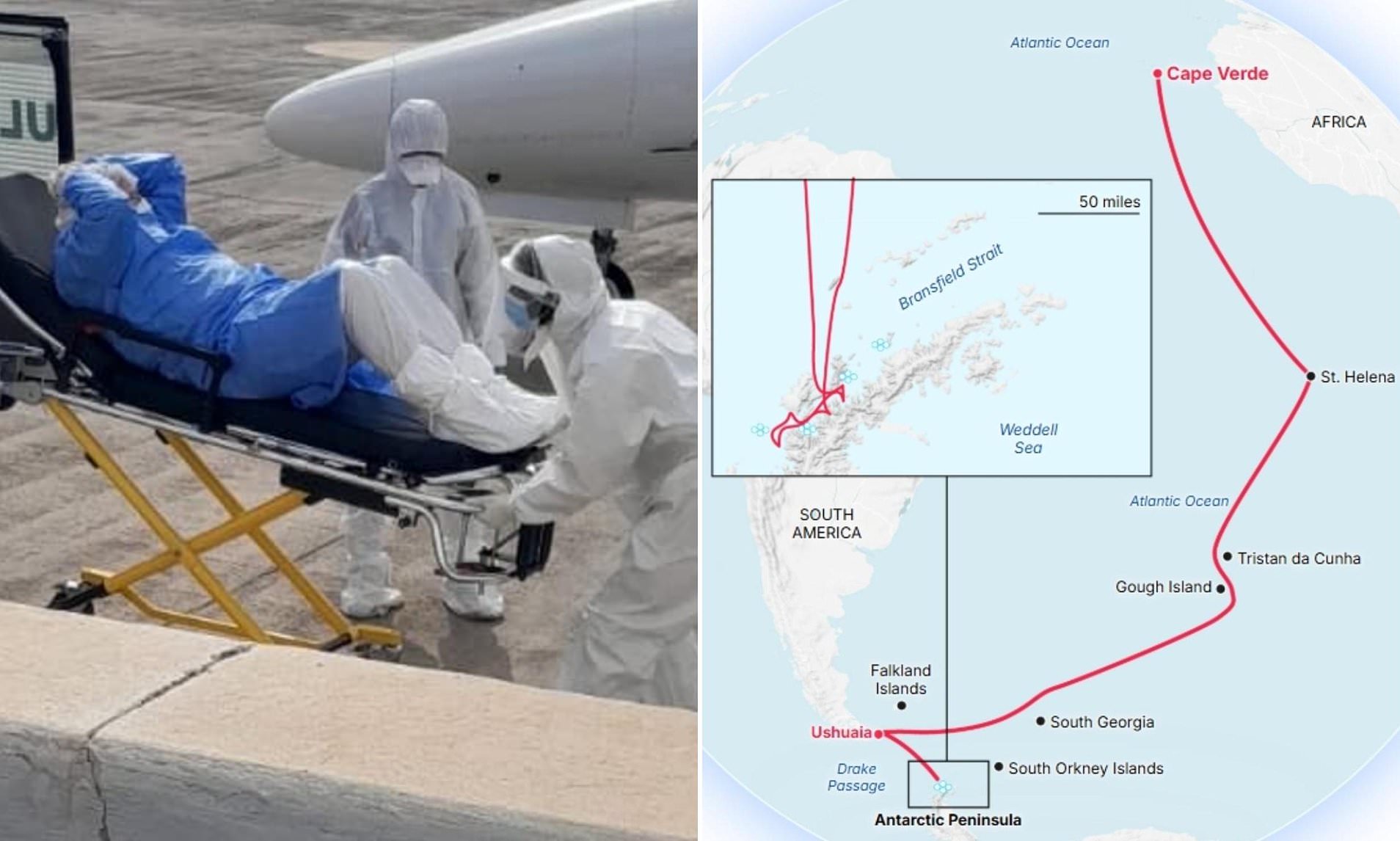
The outbreak began when a Dutch couple and a German national were infected with the Andes variant of hantavirus, which is known for its ability to transmit between humans. Three people have died so far, and eight cases have been confirmed or suspected. The virus first appeared on the ship during its voyage from Ushuaia in Argentina to Cape Verde in Africa, with the initial symptoms emerging on April 6.
The infected couple had visited a landfill site in Ushuaia before boarding the cruise, where they may have come into contact with rodents carrying the disease. They later traveled on the ship, which left Ushuaia on April 1 with 88 passengers and 59 crew members onboard. It remains unclear whether the infected couple was on the first leg of the journey, which took passengers to and from Antarctica.
The Evacuation and International Concerns
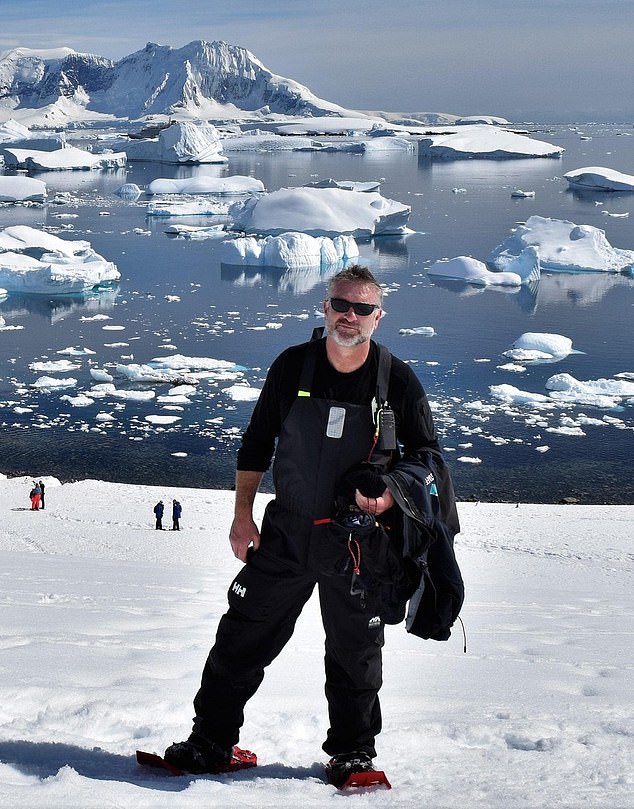
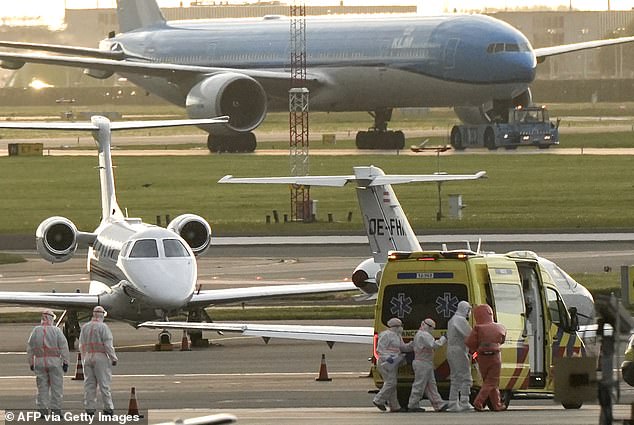
A British crew member, Mike Anstee, who is now an expedition guide on the MV Hondius, was evacuated to the Netherlands after testing positive for the virus. He described his condition as “not too bad” while recovering in a Dutch hospital. His case highlights the growing concern over how the virus could spread further.
The situation escalated when a 70-year-old Dutch man, who had developed symptoms on April 6, died on April 11. His body remained on the ship until April 24, when it was disembarked on St Helena, accompanied by his wife. During this time, 23 other passengers also disembarked, raising fears that they could have been exposed to the virus and carried it to different parts of the world.
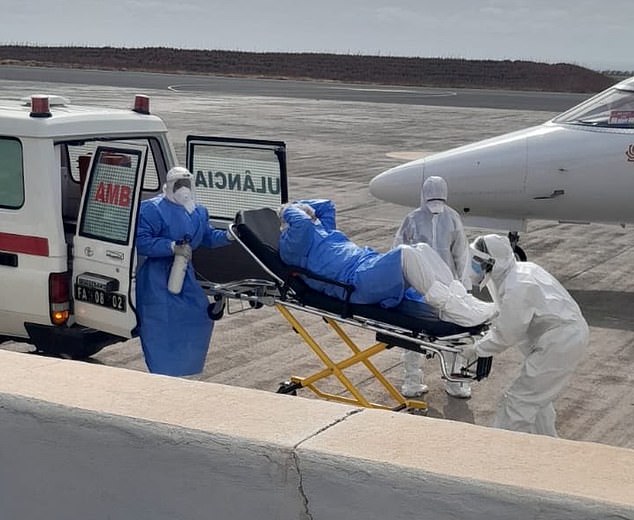
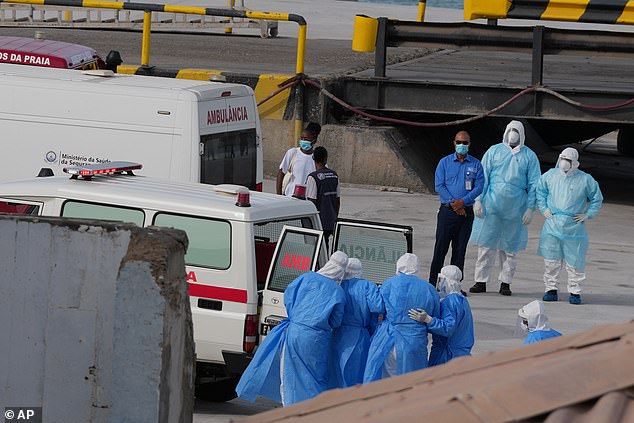
The deceased man’s wife fell ill on a flight from St Helena to South Africa and died on April 26 upon arrival in Johannesburg. She had previously boarded a flight from Johannesburg to the Netherlands while presenting severe symptoms, but she was removed by staff due to concerns about her condition.
Health officials are now working to trace at least 80 passengers who were on the same flights as the Dutch woman before her death. This effort is critical to preventing further spread of the virus.
The Impact on Passengers and Crew
As the outbreak continued, more passengers became seriously ill. On April 27, a British passenger was medically evacuated to South Africa from Ascension Island, and a German national died a few days later. The MV Hondius arrived at Cape Verde on May 3, but it was not allowed to dock, leaving passengers “trapped at sea.”
Three patients were flown to the Netherlands for treatment, while a man in Switzerland was hospitalized after returning home. Two British passengers are currently self-isolating in the UK after flying home from St Helena.




According to the UK Government’s hantavirus advice, symptoms can appear anywhere from two days to eight weeks after exposure. This means that additional cases may emerge in the coming weeks.
International Cooperation and Public Health Measures
The World Health Organization (WHO) has emphasized that the current situation is not comparable to the start of the Covid-19 pandemic. However, the virus is still considered a serious infectious disease, with a mortality rate of around 40%. In previous outbreaks, such as the 2018–2019 Andes virus outbreak in Argentina, the infection rate was 2.2, meaning each infected person could infect more than two others.
An Australian passenger who had returned home after disembarking the ship at St Helena on April 21 has also been identified. A Spanish passenger on the vessel revealed that many passengers had left the ship without being contacted by health officials, raising concerns about the effectiveness of the response.
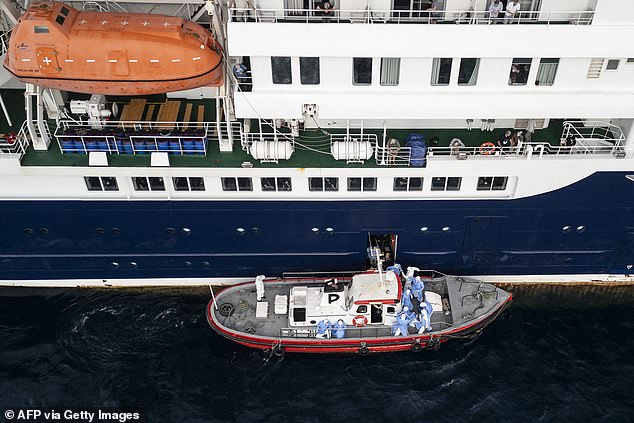
All passengers have been instructed to remain in their cabins to prevent potential spread. The cruise operator, Oceanwide Expeditions, is in ongoing discussions with authorities regarding quarantine and screening procedures.
Quarantine and Travel Restrictions
Canary Islands authorities initially refused to allow the MV Hondius to dock, fearing the virus could be brought onto their territory. This concern grew when a passenger who had left the cruise before the outbreak developed symptoms upon arriving in Switzerland and is now being treated in Zurich.
The Swiss authorities have placed the man in an isolation unit and may quarantine him for up to 45 days. The disease has an incubation period of up to eight weeks, which could mean that 21 British passengers face similar restrictions if the UK government follows Spain’s example.
Despite the alarm caused by the outbreak, the WHO has reassured the public that the risk to the wider population remains low. The UK Government has also stated that it is working closely with international partners to support British nationals on board and ensure their safe onward travel.
The situation continues to evolve, with health officials and governments around the world monitoring the spread of the virus and taking necessary precautions to protect public health.