The Growing Threat of Climate Change to Plant Species
Scientists are sounding the alarm about the impact of climate change on plant species around the world. Recent research indicates that tens of thousands of plant species could face extinction by the end of the century. A study published in the journal Science reveals that between 7% and 16% of global plant species may lose 90% of their habitat within the next 55 to 75 years.
Under moderate carbon pollution scenarios, the study estimates that approximately 35,000 to 50,000 plant species could become extinct. This research, co-authored by Xiaoli Dong, an ecologist at the University of California Davis, highlights that the speed of warming is a key factor in this crisis.
Impact of Climate Change on Plant Habitats
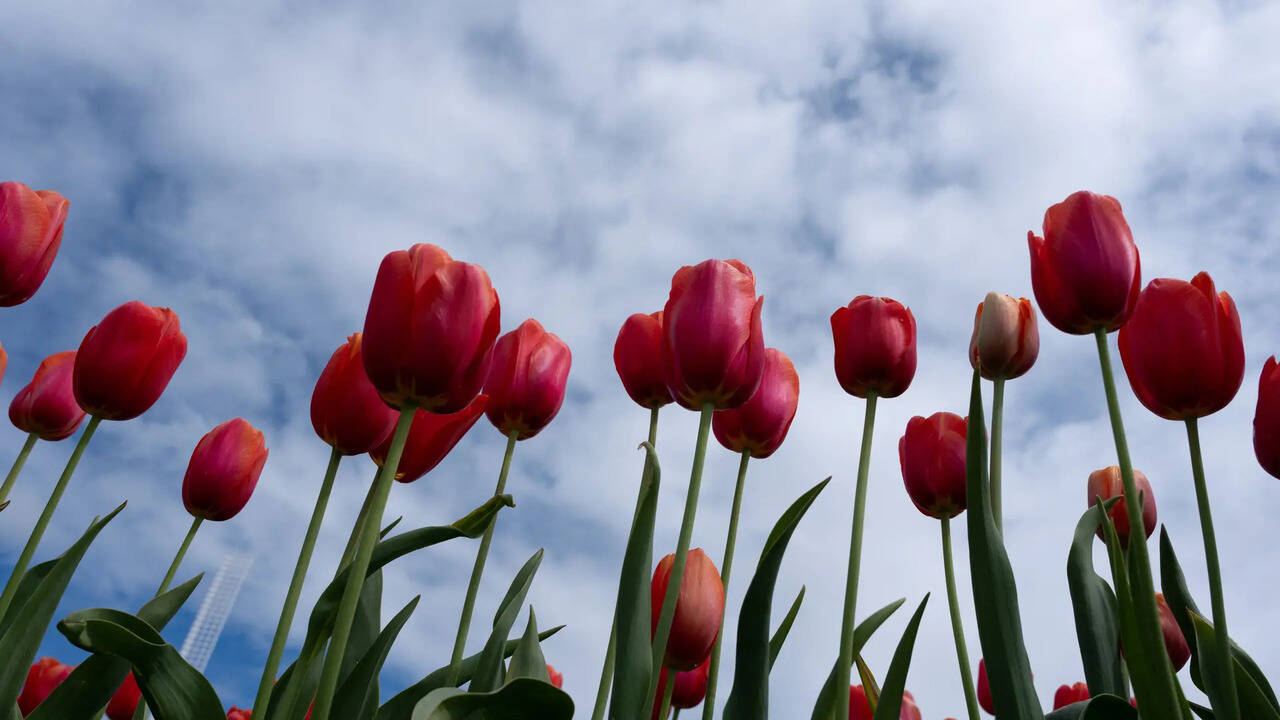
Climate change, marked by rising temperatures and changing precipitation patterns, is making traditional plant habitats less viable. Dong explains that some species, like the tulip, require specific soil, temperature, and rainfall conditions that are becoming increasingly difficult to maintain due to shifting climate factors.
The study identifies regions such as the Arctic, Mediterranean, and Australia as particularly vulnerable. The Arctic, for example, is experiencing temperature increases four times the global average. While plants may attempt to migrate to cooler areas, their efforts are unlikely to reduce extinction rates significantly due to habitat loss.
Current Extinction Risks for Flowering Plants
A separate study published in Science examined the current extinction risk for flowering plants, which make up over 335,000 species. Researchers from Kew Gardens in the UK found that nearly 10,000 flowering plant species are at risk of extinction, with serious consequences for biodiversity.
Felix Forest, the lead author of the study, emphasized that the loss of these unique species could result in the disappearance of 21% of Earth’s evolutionary history. The study also pointed out that certain flowering plants, like Ginkgo biloba, have no close relatives, making their extinction especially concerning.
The Neglect of Plant Extinction
Forest and Dong note that plant extinctions often receive less attention than animal extinctions, even though they play a vital role in ecosystems. Forest remarked, “Humans are generally more interested in fluffy furry things and things with two wings than plants.” This disparity highlights the need for greater awareness and conservation efforts for plant species.
Chilean biologists Rosa Scherson and Federico Luebert, who were not involved in the studies, called for immediate action to protect endangered plant species. They stressed that the stability of plant life is essential for human food security and the availability of important materials.
Conclusion
As the threat of climate change continues to escalate, it is crucial to recognize the critical role that plant species play in maintaining ecological balance. With the potential loss of hundreds of thousands of species, the urgency for conservation efforts has never been greater. By raising awareness and implementing effective strategies, we can work towards preserving the rich diversity of plant life that supports our planet’s health and well-being.