Execution of Iranian Student Sparks International Outcry
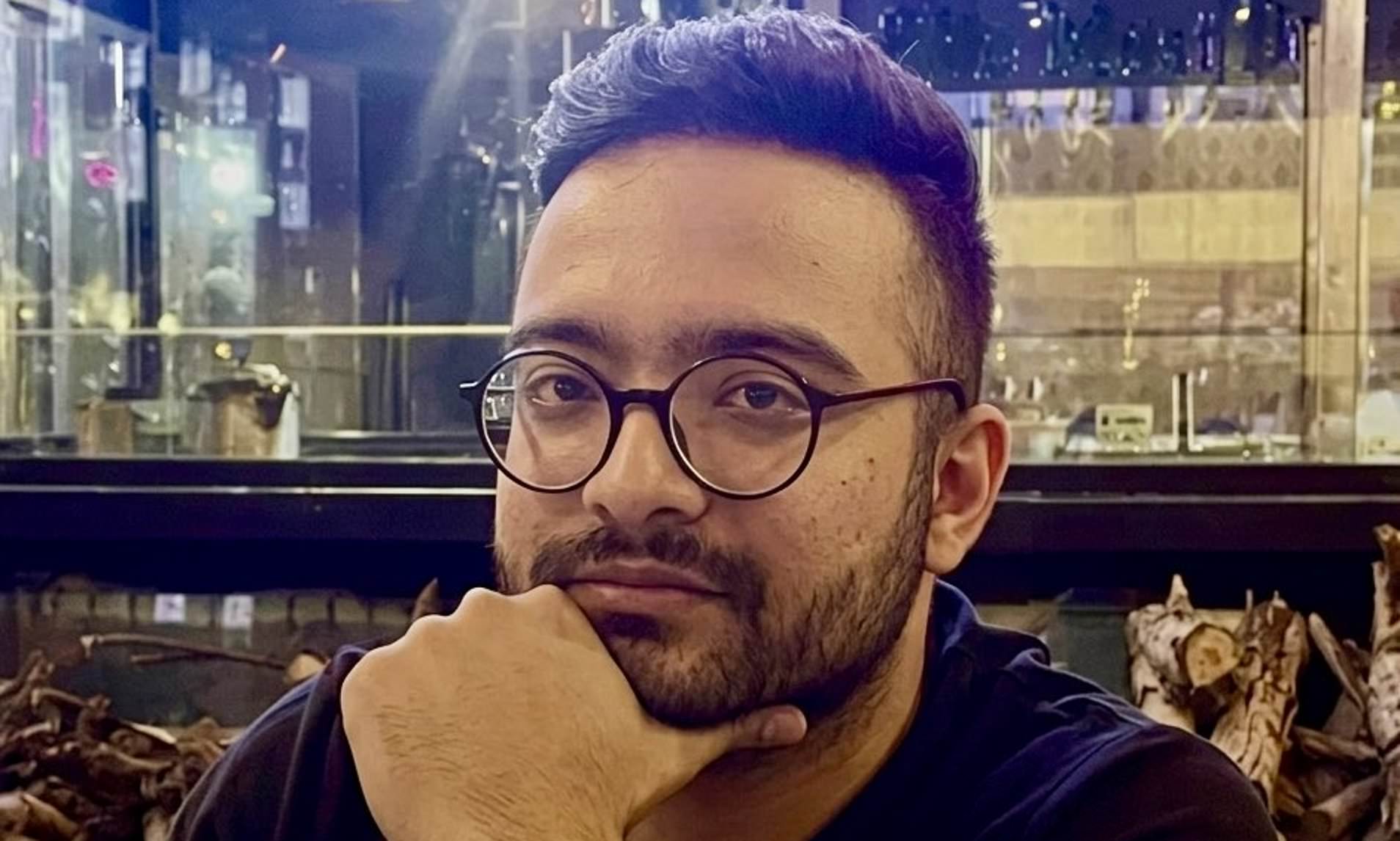
Iranian authorities executed a post-graduate student from an elite Tehran university on charges of espionage, marking the latest in a series of executions amid heightened tensions with the United States and Israel. The individual, Erfan Shakourzadeh, 29, was hanged after being convicted for allegedly collaborating with the CIA and Mossad.
Norway-based rights groups, Iran Human Rights (IHR) and Hengaw, have highlighted that Shakourzadeh was a student at Tehran’s prestigious Iran University of Science and Technology. He reportedly wrote a message before his execution, rejecting the charges as fabricated. According to IHR, he was described as an ‘elite student’ who was held in solitary confinement and subjected to torture, leading to false confessions.
Shakourzadeh is the fifth person executed on espionage charges since the beginning of the war in late February. In addition, authorities have executed 13 men charged over January protests, one more over 2022 demonstrations, and 10 accused of links to banned opposition groups, according to IHR.
Rights groups have repeatedly accused Iran of using capital punishment as a tool to instill fear within society during times of international and domestic tension. Hengaw reported that Shakourzadeh, who was arrested in February 2025, was executed at dawn in the Ghezel Hesar prison outside Tehran after being suddenly transferred from the capital’s Evin prison earlier this month.
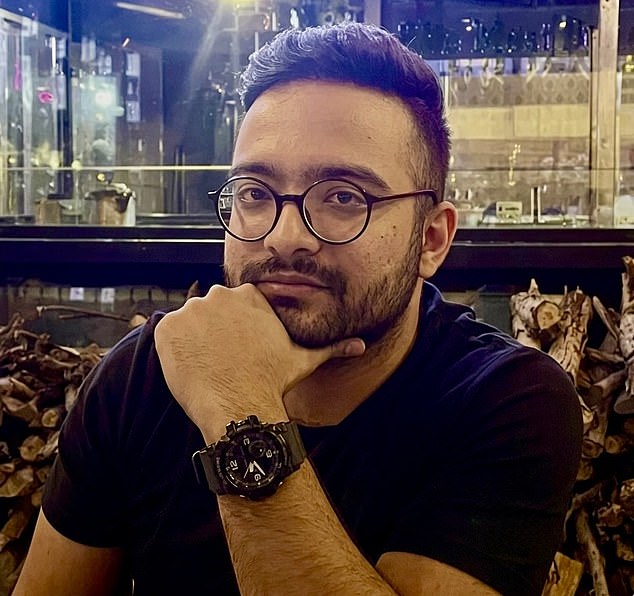
After graduating with a degree in electrical engineering from the University of Tabriz, Shakourzadeh was a top-ranked master’s student in aerospace engineering at Iran University of Science and Technology, according to Hengaw. The group stated that he was subjected to nine months of severe physical and psychological torture in solitary confinement to extract forced confessions after his arrest.
Mizan, another organization, claimed that Shakourzadeh had been working on satellite technology and provided details to foreign intelligence agencies about his workplace, access level, duties, and other sensitive information. It stated that his ‘confessions’ would be broadcast on state television Monday evening.
However, in a message published by Hengaw and IHR, Shakourzadeh denied the accusations, calling them ‘baseless.’ He claimed he had been ‘forced into false confessions’ due to torture. His message urged people not to let another innocent life be lost in silence and without public attention.
Iran is the world’s most prolific executioner after China, according to rights groups. Last year, it hanged at least 1,639 people, according to figures from IHR, which has recorded at least 190 executions so far in 2026. The country continues to face international scrutiny over its use of the death penalty, particularly in cases involving students and intellectuals.
The execution of Shakourzadeh has sparked further condemnation from human rights organizations and international bodies, who argue that such actions undermine the rule of law and violate fundamental human rights. As the situation in Iran remains tense, the global community watches closely, hoping for a resolution that upholds justice and protects the rights of all individuals.