The Hygiene Debate: Showers vs. Baths
The debate over whether showering or taking a bath is more hygienic has sparked countless discussions online, with people divided on the best way to stay clean. While some swear by the relaxing benefits of a long soak in the tub, others argue that sitting in what they call “foot soup” is unhygienic. Now, an expert has stepped in to settle the argument once and for all.
Dr Primrose Freestone, a clinical microbiologist from the University of Leicester, explained that showers are generally more effective at keeping you clean. “When you have a bath, the water is not changed, so all you are doing is redistributing the bacteria living on you to different body sites,” she said. In contrast, a shower provides a continuously changing stream of water that washes away potential germs.
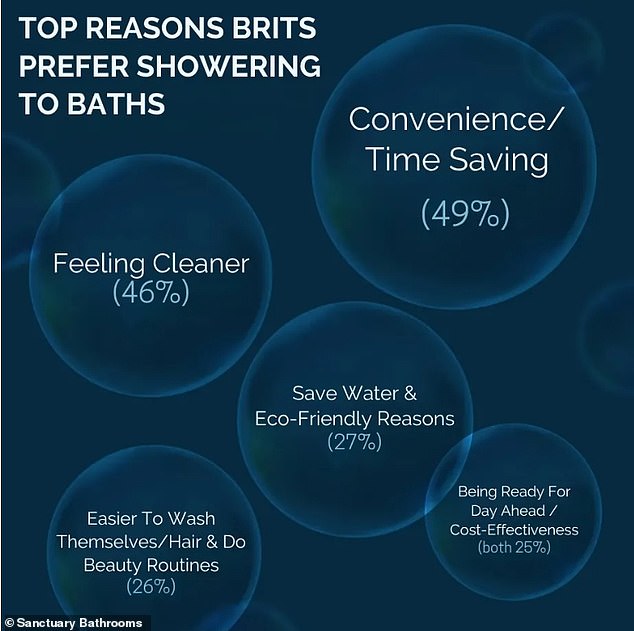
Surveys show that 59% of Brits prefer showers over baths, with many claiming they feel cleaner after a shower. Dr Freestone added that showers are better at removing dirt, sweat, oil, and odor-causing microorganisms—mainly bacteria—from the skin. This personal hygiene is crucial for maintaining general health and preventing skin rashes and infections.
The Internet’s Take on the Debate
The discussion first gained traction on Reddit when someone asked, “Is showering more hygienic than bathing because you aren’t sitting in a foot soup?” Users shared their opinions, with some preferring baths for relaxation and others sticking to showers for cleanliness.
One person said, “I know some people think it’s gross, but I prefer a bath. I rarely take showers.” Another noted, “I’d love to only take baths, but my hair wouldn’t like it. There’s no good way to shampoo and condition in the tub.” Some users argued that baths are for pleasure only, while others claimed that showers before baths help remove grime before relaxing in the tub.
There were even those who believed that baths were more hygienic, saying that they allow the skin to soften and exfoliate more effectively. Others mentioned that they always take a quick shower after a bath to wash off soap and any residue.
Which Is More Hygienic?
Overall, according to Dr Freestone, showers are more hygienic because the constantly flowing water cleans the skin more effectively. Baths, on the other hand, are more likely to spread bacteria around the body. However, baths can still be beneficial for relaxation, easing aches, and reducing tension.
To get the best of both worlds, Dr Freestone suggests taking a quick shower after a bath. She explained that while bath water does move bacteria around the skin, there is still some cleaning as sweat is washed off. Additionally, towel drying helps remove some of the redistributed bacteria.
However, she warned that towels can become breeding grounds for bacteria if not washed regularly. “It is important to remember to regularly wash your towel as bacterial communities will grow in number over time if you do not, making the towel unpleasant in texture and smell.”
Dr Freestone also pointed out that showers remove more skin microbes and dead skin cells due to the friction force of the water. They can also help wake you up and remove any sweat or bacteria picked up from bed sheets during sleep, especially if the sheets weren’t freshly washed.
Benefits of Bathing
Despite the hygiene advantages of showers, Dr Freestone acknowledged that baths have their own benefits. They can help people relax, ease aches and pains, reduce tension, and improve blood flow. If hygiene is a concern after a bath, she suggested taking a shower afterward.
The Hidden Germ Trap: Bath Mats
Experts have previously warned that a common bathroom item can be spreading germs and making us ill—the bath mat. According to Plumbworld, bath mats are often overlooked but can hold onto moisture and bacteria. They soak up water every time you step out of the shower, and if they stay damp, mold can quickly start to grow underneath, especially on mats with rubber backs that trap water.
The best way to avoid this is to wash bath mats weekly on a hot cycle and dry them thoroughly, either outside or on a radiator. It’s also advisable not to leave them flat on the floor when they’re wet, as that traps moisture.