A Voice for Zionism in the Spotlight
A once-beloved 1980s songstress is among Jewish musicians who have shared their perspectives on Zionism, a topic that has led to significant backlash and vilification. These individuals have spoken out about how their views on Zionism have made them targets of online abuse and public protests.
Deborah Conway, who gained fame in the 1980s as a singer-songwriter, faced criticism for publicly identifying as a Zionist even before a leak involving a WhatsApp group for Jewish creatives and academics. The contents of this group were revealed by the media, and some members’ personal information was made public.
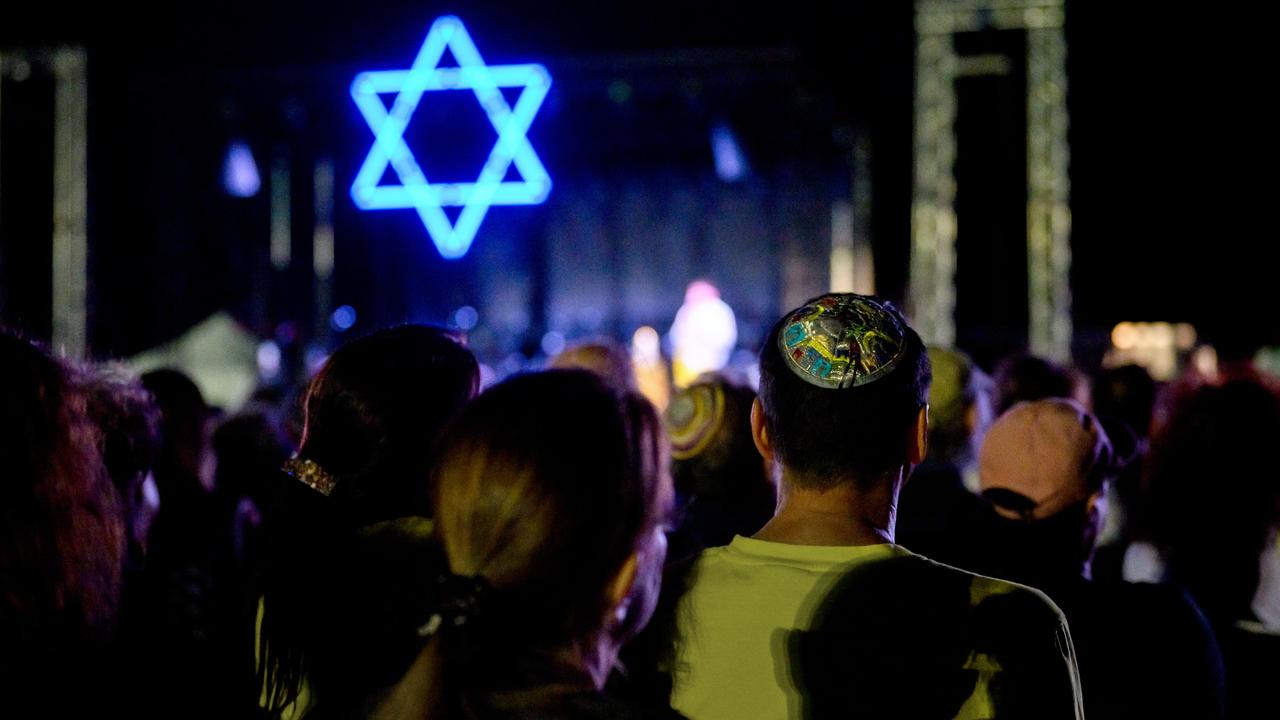
Conway emphasized that Zionism is central to being Jewish, explaining it as a belief that Jews have a right to exist in Israel as their ancestral homeland. She clarified that Zionism does not necessarily mean support for the Israeli government, but despite this, she has encountered harsh online abuse and direct protests at events she attended.
“I want there to be peace. I want a two-state solution,” Conway stated, highlighting her desire for a peaceful resolution to the ongoing conflict.
Joshua Moshe, another member of the WhatsApp group, also discussed the backlash he faced after the leak. He described the negative reactions as completely unrelated to the reality of his associations with Israel. In addition to being publicly denounced and abandoned by his former band, Moshe and his wife experienced a wave of online abuse and the targeting of their business, which eventually forced them to relocate.
“One version of Zionism, or the one I subscribe to, is that Jews deserve a home in some part of their ancestral homeland,” Moshe explained. He noted that he was almost entirely abandoned by others in the music industry, including losing performance opportunities and facing rejections from other musicians for collaborations.

The Commission’s Focus on Anti-Semitism
The commission began its proceedings by examining different types and definitions of anti-Semitism. Julie Nathan, the research director of the Executive Council of Australian Jewry, compiled a record of apparent anti-Semitic incidents against international standards. She pointed out that while anti-Israel material is not inherently anti-Semitic, content that draws comparisons to Nazis or uses Jewish stereotypes could be classified as such.
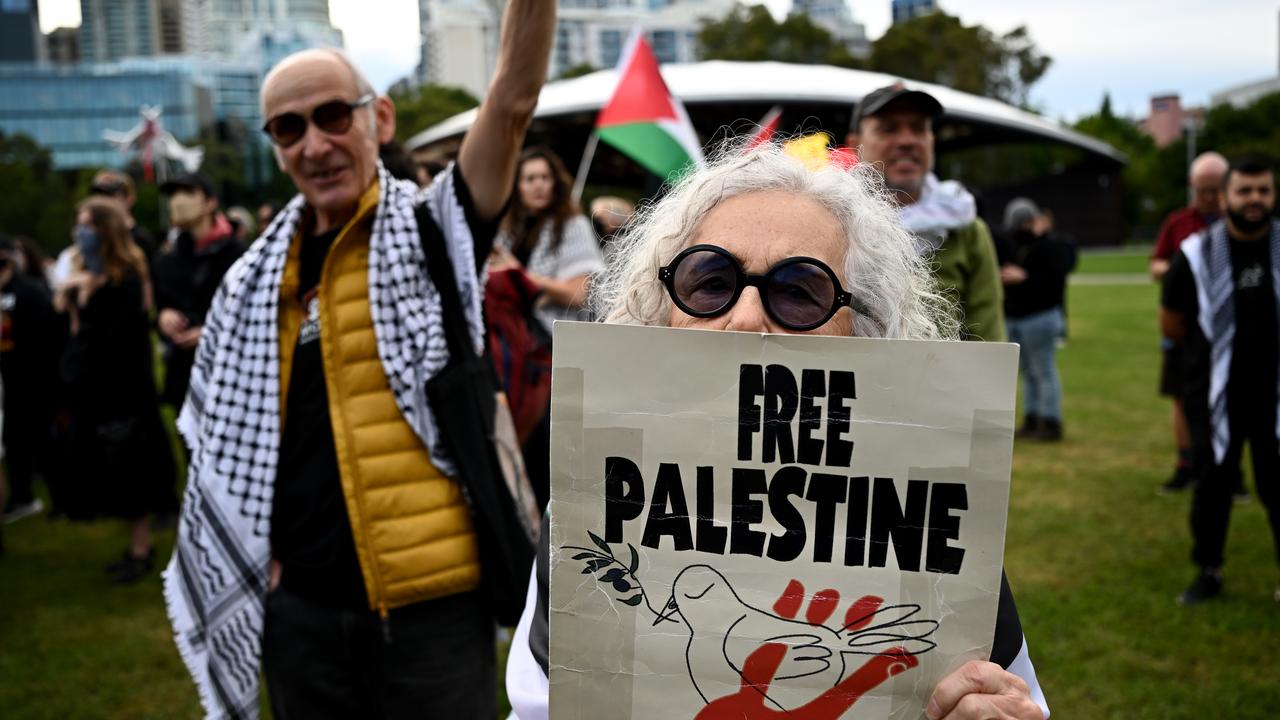
Pro-Palestine protests themselves are not considered anti-Semitic, but certain elements within them, such as parts of speeches, chants, and placards, can be. Nathan mentioned that only some online incidents are recorded in the council’s report due to the vast number of incidents, but more serious or inciting posts are included.
“It’s uncountable. It’s like trying to count the stars,” Nathan said, emphasizing the difficulty in tracking all instances of online abuse.