The Hidden Dangers of Sleep Deprivation
Sleep is a vital component of overall health, yet many people underestimate its importance. Not getting enough rest can have serious consequences on both physical and mental well-being. Here’s what happens when your body doesn’t get the time it needs to fully recharge.
You jeopardize the health of your brain
One of the most critical functions of sleep is maintaining brain health. A study from Uppsala University found that sleeping less than eight hours a night may contribute to the loss of brain tissue by triggering neurodegenerative processes. Even a single night of poor sleep can be harmful to the brain, highlighting the need for consistent, quality rest.
You increase your risk of contracting the flu (and other viruses)
Lack of sleep weakens the immune system, making you more susceptible to illnesses like the flu. Research has shown that individuals who get less than six hours of sleep per night are nearly four times more likely to catch a cold compared to those who get seven or more hours. This weakened immunity leaves the body more vulnerable to viruses and infections.
You risk having a harder time controlling your emotions
Sleep deprivation can significantly affect emotional regulation. According to a study published in Current Biology, the emotional centers of the brain become 60% more reactive when sleep-deprived. This heightened sensitivity can lead to irritability, mood swings, and even episodes of uncontrolled crying or anger. Prolonged sleep deprivation can have long-term impacts on personal and professional relationships.
You risk becoming more forgetful
Sleep plays a crucial role in memory consolidation and learning. A Harvard University study found that lack of sleep can make it harder to learn new tasks and impair judgment, perception, and motivation. This can affect productivity and cognitive performance in daily life.
You risk overeating—and gaining weight
Sleep deprivation can also impact eating habits. People who don’t get enough rest tend to consume higher-calorie foods and larger portions. A study in Psychoneuroendocrinology showed that sleep-deprived individuals ate more food than those who had a full night’s sleep. This can lead to weight gain and an increased risk of obesity.
You increase your risk of having a stroke
Poor sleep is not only linked to lifestyle factors like diet and exercise but also to an increased risk of stroke. A meta-analysis suggests that difficulties with falling asleep, staying asleep, and non-restorative sleep all raise the likelihood of cerebrovascular events.
You increase your risk of developing hypertension
Lack of sleep is another risk factor for high blood pressure. A study published on PubMed found that individuals who get less than five hours of sleep per night are at a higher risk of developing hypertension between the ages of 32 and 59.
You risk developing coronary heart disease
Not sleeping enough can lead to coronary heart disease. Research published in PubMed found that men who slept less than six hours a night were at greater risk of being diagnosed with heart disease. Sleep deprivation increases heart rate, vasoconstriction, and salt retention—factors that contribute to cardiovascular issues.
You risk becoming diabetic
Sleep deprivation is also linked to an increased risk of diabetes. A study on PubMed found that men who slept less than six hours a night had a twofold higher chance of developing diabetes. Lack of sleep can increase cortisol levels, leading to insulin resistance.
Your skin ages prematurely
The effects of sleep deprivation are visible on the skin. Red eyes, under-eye circles, and wrinkles can make a person look older. A study has linked lack of sleep to premature skin aging, with individuals experiencing reduced skin elasticity and more fine lines.
You risk developing prostate cancer
For men, chronic insomnia is associated with an increased risk of prostate cancer. A study by the American Association for Cancer Research found that men with regular sleep disturbances are twice as likely to develop prostate cancer compared to those who sleep well.
You increase your risk of developing breast cancer
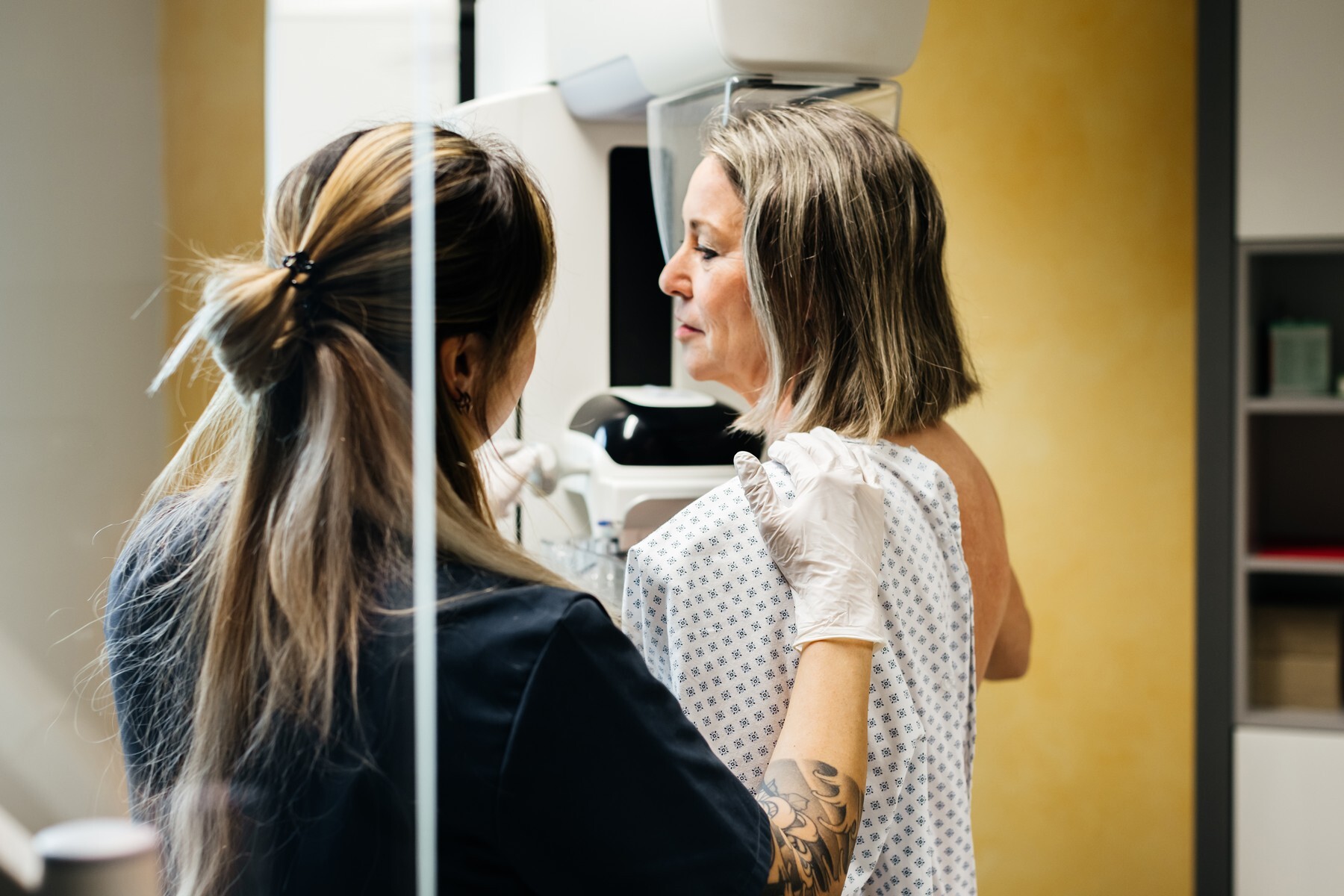
Lack of sleep also poses risks for women. A study published by Springer found that post-menopausal women who sleep fewer hours are more likely to develop aggressive forms of breast cancer and face a higher risk of recurrence.
You increase your risk of developing colorectal cancer
Colorectal cancer is a common type of cancer in Western societies. A study by the American Cancer Society found that lack of sleep is a contributing factor. Individuals who sleep less than six hours a night are 50% more likely to develop colorectal adenomas.
You risk becoming infertile
Sleep deprivation can affect fertility. A study in the American Journal of Epidemiology found that men who suffer from sleep disturbances have a 29% lower sperm count than average. This can reduce the chances of conception.
You’ll have a harder time concentrating—and risk getting into a traffic accident
Fatigue from lack of sleep impairs concentration and increases the risk of accidents. According to the National Sleep Foundation, driving after less than six hours of sleep makes accidents three times more likely. Prioritizing sleep is essential for safety on the road.
Take control of your sleep for better health
Improving sleep quality is one of the best steps you can take for your overall well-being. Whether it’s protecting your brain, boosting your immune system, or reducing the risk of chronic diseases, adequate rest is essential. Start prioritizing your sleep today.